
Diving Santa Teresa Gallura
Google 4.9/5 (67 reviews)
Italy · Mediterranean
Granite walls, dark caves, red gorgonians and groupers shape boat diving from Santa Teresa Gallura, with La Maddalena and Bonifacio within reach.
For subtitles in English: start the video firstthen click the gearat the top right of the video, select “Subtitles/CC”, then “Auto-translate” and choose “English”.
Santa Teresa Gallura is a shore-based diving town at Sardinia’s northern tip, facing the Strait of Bonifacio. Daily boats reach the protected waters of Capo Testa and Punta Falcone, where granite rock, caves, drop-offs and wrecks give the diving its character. Longer outings can extend towards La Maddalena or Lavezzi. It is not a liveaboard destination. Instead, you return each afternoon to a proper harbour town with beaches, coastal walks and a ferry link to Bonifacio.
The underwater landscape is granite rather than sand: rocky relief, walls, caves, overhangs, drop-offs and wrecks form the framework of the local dives. Capo Testa and Punta Falcone are the natural focus, with La Maddalena and, on suitable outings, Lavezzi providing a change of scenery. Currents are variable, and the Strait of Bonifacio can alter both the sea conditions and the planned route, so a named site is not always a fixed promise. Visibility can reach 30 metres, although swell and the strait’s conditions affect what you actually see. Most diving is by boat from Santa Teresa Gallura, with recreational and technical options available. Expect a mixture of sheltered-looking granite formations and more exposed passages where the skipper’s judgement matters.
Groupers and red gorgonians are among the encounters associated with the rocky grounds around Capo Testa and Punta Falcone. Look for groupers tucked around the granite and red gorgonians adding colour to walls and drop-offs. Caves and wrecks change the way the terrain is explored, while the protected setting gives the dive a more managed character than an open, unregulated site. Marine life is not presented here as a seasonal spectacle with a guaranteed calendar. The appeal is the combination of animal encounters and solid rock scenery, repeated across local outings and extended boat trips towards La Maddalena or Lavezzi.
The main diving season runs from May to October. May, June, September and October are the more attractive months for a diver who wants a sensible balance between sea conditions, availability and fewer people on the boats. July and August are the busiest period, so the harbour and popular outings can feel more constrained. October may be quieter, but check that the required operation is running. The Strait of Bonifacio is a reason to keep plans flexible throughout the season, as swell and changing conditions can alter the route. A five- to seven-day stay gives room for both weather changes and a day away from diving.
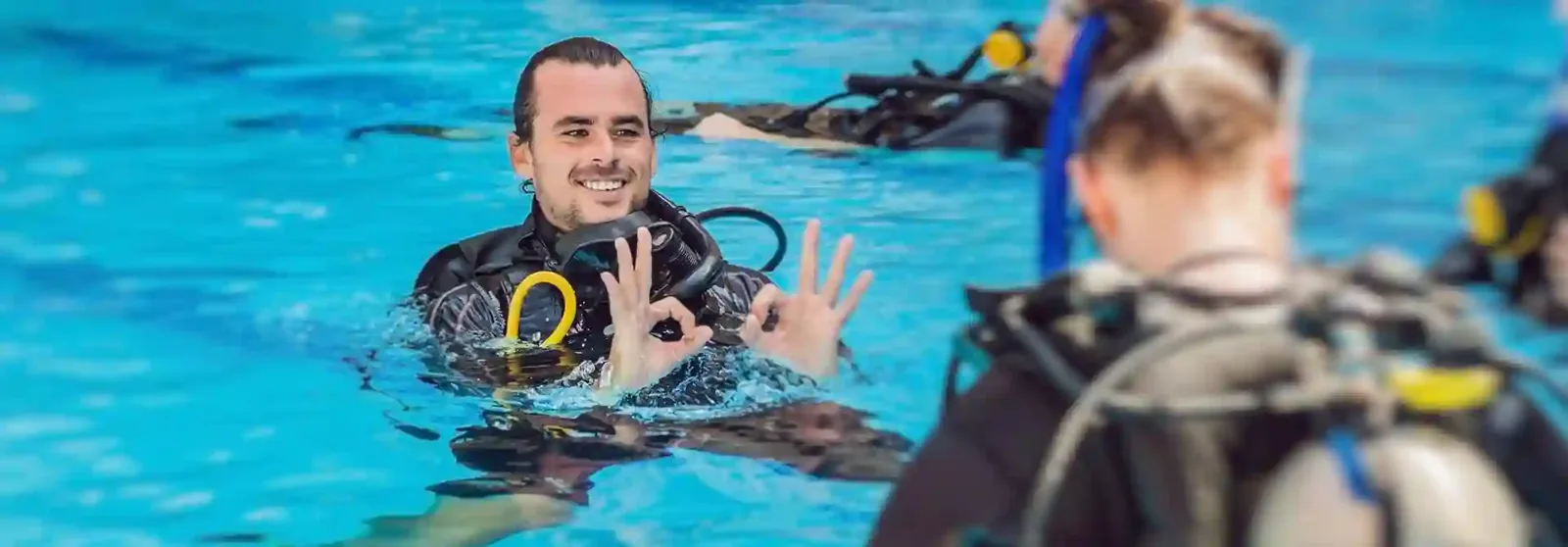
Santa Teresa Gallura works for beginners as well as experienced divers. Local operators offer introductory dives, courses and recreational trips, while experienced divers can look towards technical diving and more demanding boat outings. The area suits PADI, SSI and BSAC divers, provided their training matches the planned dive. Variable currents and the exposed nature of the strait deserve respect, but there is no requirement for every visitor to arrive as an advanced diver. Ask what conditions and zone apply to each outing.
From London Heathrow, London Gatwick or Manchester, reach Sardinia by air and allow for a road transfer at the far end. The final journey to Santa Teresa Gallura is not completed by air, so connection planning matters more than simply choosing a flight to the island. Once in Sardinia, the town is also reachable by road from elsewhere on the island. The alternative is the ferry from Bonifacio in Corsica, operated by Moby Lines and Ichnusa Lines, with the crossing taking about an hour and services generally more frequent in summer. In Santa Teresa, a central base may put you within walking distance of the diving businesses; elsewhere, arrange a car or local transfer.
Book with a centre authorised for the Area Marina Protetta Capo Testa–Punta Falcone if those local waters are the reason for coming. Ask before departure which planned sites lie inside the protected area and which zoning rules apply, because access is not automatically open to an independent diver. Night diving is prohibited there, so do not build an evening itinerary around it. Keep Capo Testa and Punta Falcone separate from La Maddalena or Lavezzi when planning days, rather than treating them as interchangeable sites. For an outing to Bonifacio or Lavezzi, check the ferry arrangements and the diving arrangements separately. Choose May, June or September if crowded boats are a concern, and leave a day for Capo Testa, the beaches or Bonifacio. Do not book every day back to back, particularly in July and August, when weather and boat availability need more room.
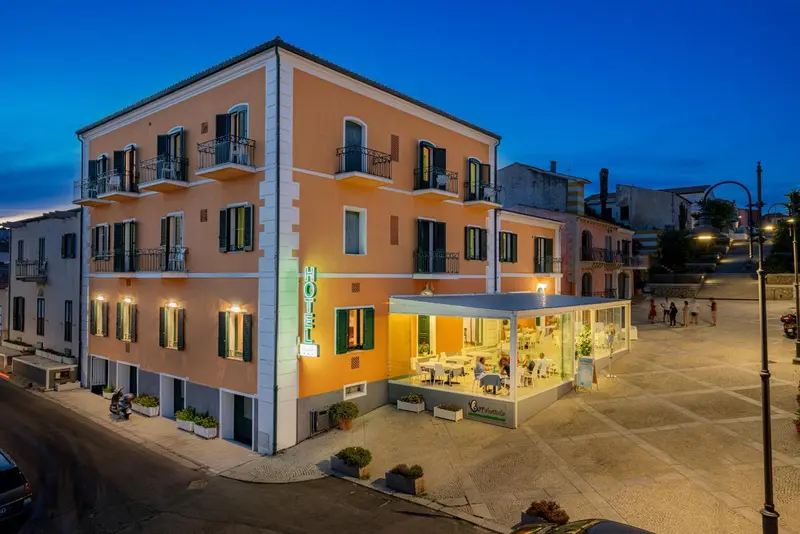
Plan Santa Teresa as a five- to seven-day land-based stay, with daily boat departures from the harbour and a spare day for weather or a non-diving excursion. Staying in or near the town centre can simplify the walk to the diving businesses and reduce dependence on transfers. An outlying property may require a car or a pre-arranged local transfer, since transport between accommodation and the operators is not uniform. Non-divers have beaches, granite landscapes, walks, water sports and Bonifacio to fill the surface interval.
Hello, I'm Marina, DivingDeal.com's AI assistant. I guide you through destinations, areas and countries.
Thinking about the whole trip and the flights? Talk it over with Edith →
Marina is an AI. Some links are affiliate links: DivingDeal may earn a commission, at no extra cost to you. Bookings are made with the partner.
The main diving season in Santa Teresa Gallura runs from May to October. May, June, September and October offer a sensible balance between sea conditions, availability and fewer people on boats. July and August are busier. October may be quieter, but check that the diving operation you need is running.
Santa Teresa Gallura suits beginners and experienced divers. Local operators offer introductory dives, courses and recreational boat trips, while experienced divers can consider technical diving and more demanding outings. Variable currents and exposed passages in the Strait of Bonifacio deserve respect, so ask which conditions and zones apply to each planned dive.
Diving in Santa Teresa Gallura centres on granite walls, caves, overhangs, drop-offs and wrecks around Capo Testa and Punta Falcone. Groupers shelter among the rock, while red gorgonians add colour to deeper walls and rocky terrain. Boat trips can also reach La Maddalena or Lavezzi, depending on conditions and route.
Plan Santa Teresa Gallura as a land-based stay with daily boat departures from the harbour and a spare day for weather or a surface excursion. Staying near the town centre can simplify access to diving businesses. Arrange a car or local transfer for outlying accommodation, and keep local, La Maddalena and Lavezzi outings distinct.