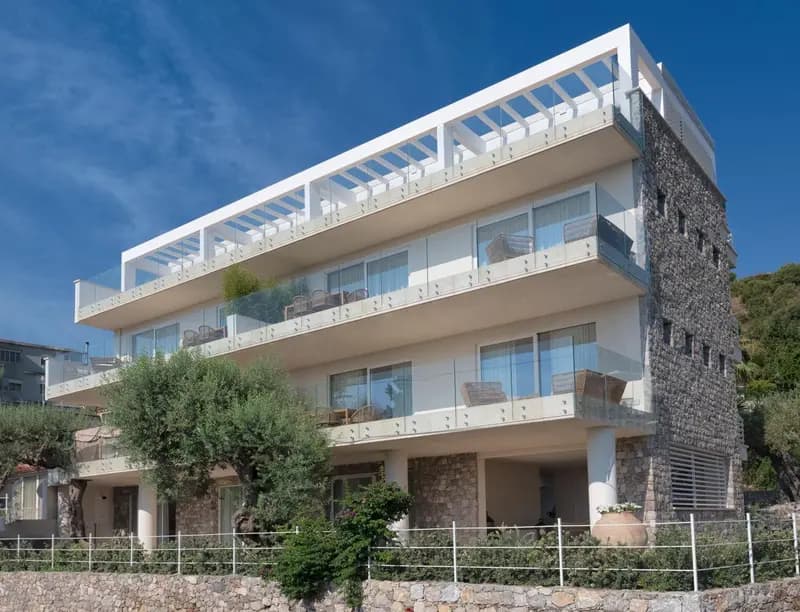
Iancu Charme Apartments
★ 9.7/10 (489 reviews)
207 km away as the crow flies
Dive centre · Sicile · Italy
4.937 Google reviewsExplore the volcanic walls and deep marine caves of Italy's first protected marine area from the decks of the Linosa Sunshine Dive Boat.
For subtitles in English: start the video firstthen click the gearat the top right of the video, select “Subtitles/CC”, then “Auto-translate” and choose “English”.
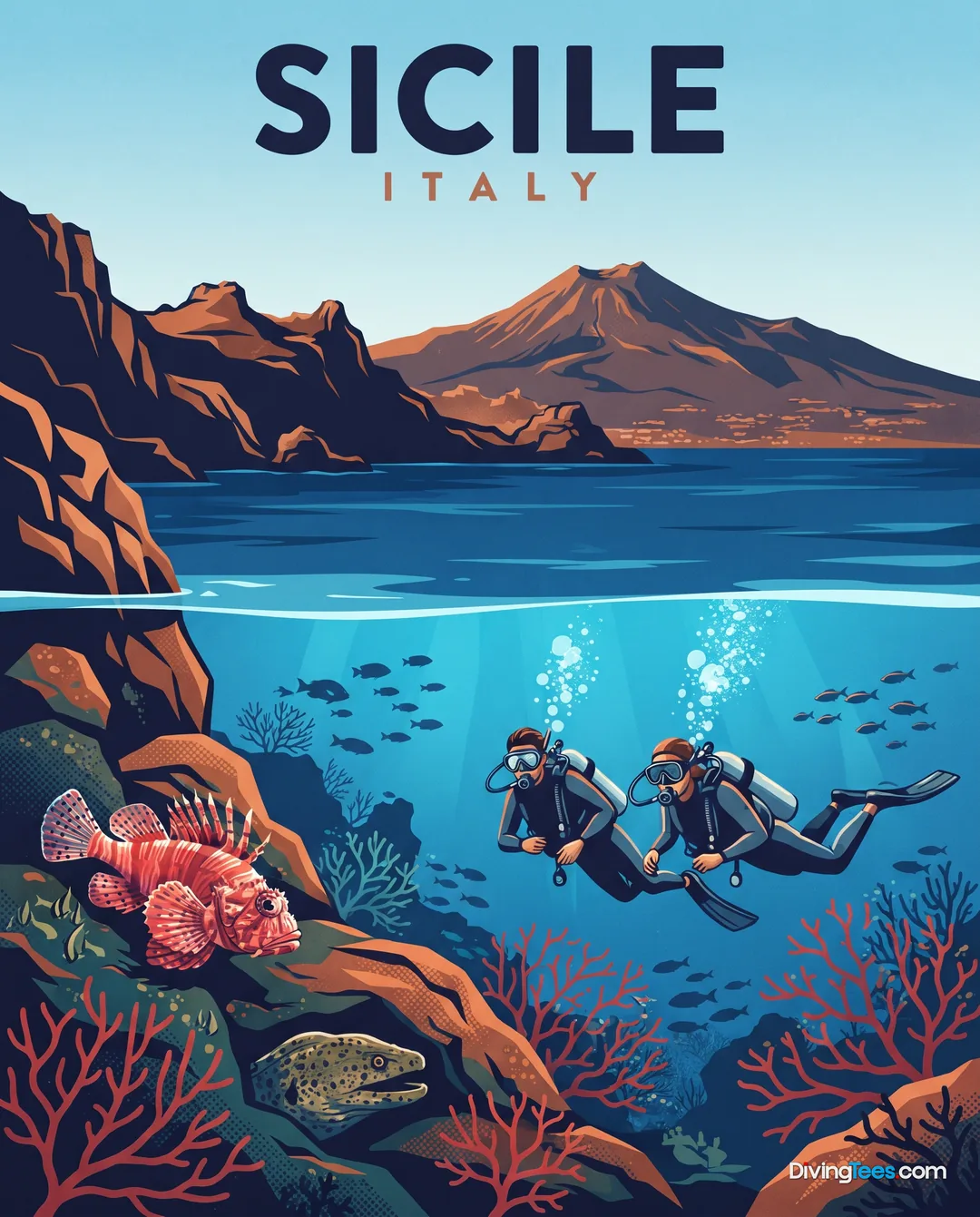
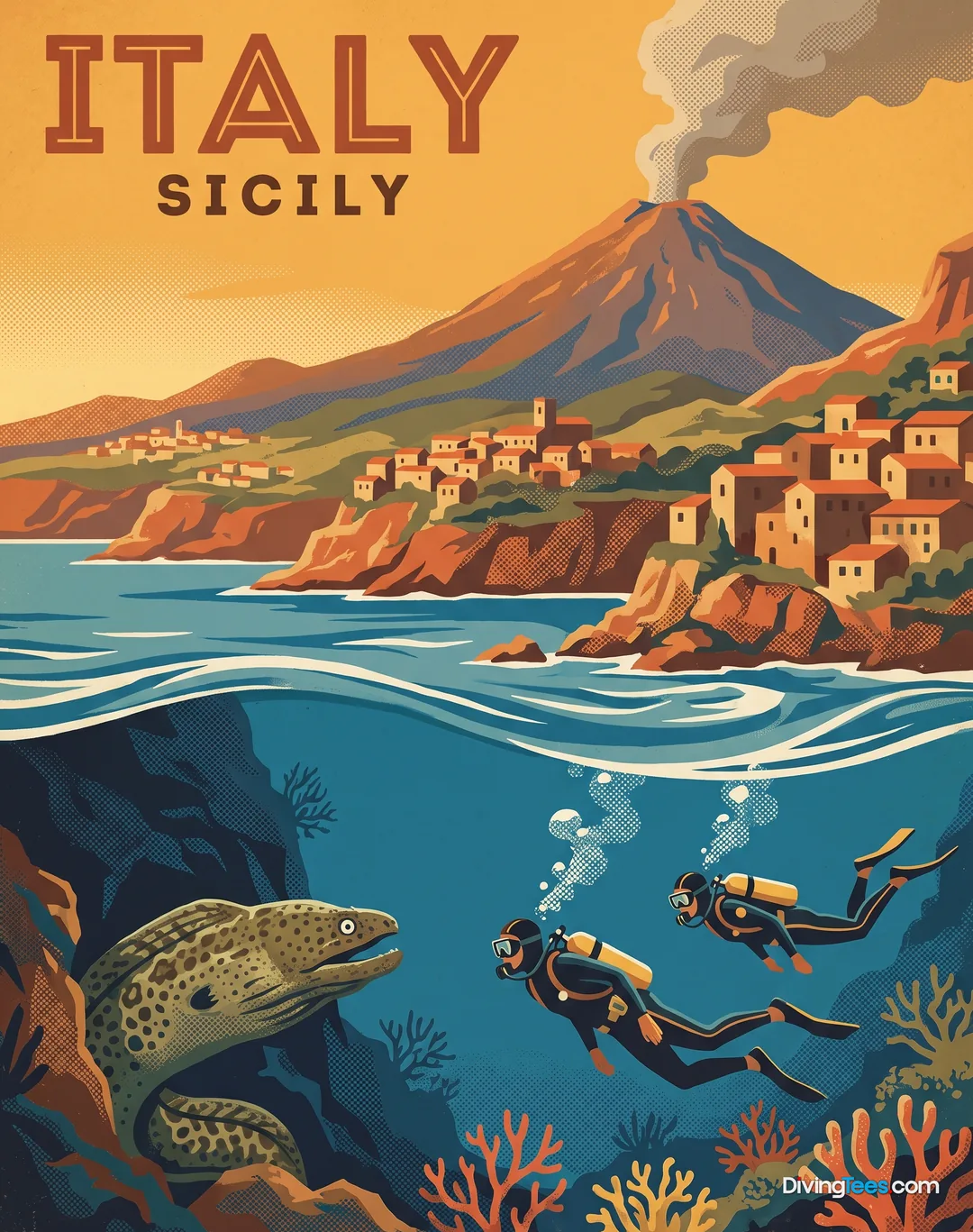
Ustica is a unique destination for divers, serving as Italy's first marine protected area. The island's volcanic origins have created a dramatic underwater landscape defined by steep basaltic walls, deep drop-offs, and an intricate network of marine caves. This geological history supports a high level of biodiversity that attracts divers from across the Mediterranean.
Mare Nostrum Diving has been operating on the island since 1986, providing a professional base for exploring these waters. Whether you are looking to complete your first certification or are a technical diver seeking deep, vertical walls, the centre is positioned to access the island's most significant sites.
The team consists of 9 instructors, ensuring a personalised approach to both training and guided excursions. To maintain safety and quality, the centre operates with a maximum of 6 divers per guide during the low season. Instruction and dive briefings are conducted in both Italian and English.
As a PADI 5 Star Dive Resort and a member of Green Fins, the centre is deeply committed to environmental stewardship. They are recipients of the PADI Torchbearer Award, reflecting their long-standing dedication to marine conservation and their active involvement in citizen science projects.
The training programme covers the full spectrum of PADI certifications. Beginners can start with Discover Scuba Diving or progress through the Open Water Diver and Scuba Diver courses. For those looking to advance their skills, the centre offers Advanced Open Water Diver, PADI Deep Diver, and various specialty courses including buoyancy, navigation, and night diving.
More advanced divers can pursue technical and specialised training, such as the PADI/DAN x-Deep Diver (TecRec), PADI Cavern Diver Specialty, and PADI/DAN Research Diver. The centre also offers unique experiences like the Cavern Experience, Deep Diving Experience, and MedLife Experience, alongside freediving courses and mermaid programmes.
The fleet includes the Linosa Sunshine Dive Boat, which serves as the primary vessel for daily excursions, and a RIB used for specialised programmes or diving during the off-season. The centre operates a total of 3 boats to ensure flexibility in their dive schedules.
The centre provides full equipment hire for divers who do not wish to travel with their own kit. Nitrox is available on-site for divers looking to extend their bottom times or manage decompression profiles.
After the dives, the atmosphere on board is relaxed, with Moka espresso and shade provided for guests. While the centre does not list specific compressor brands, they are fully equipped to support a wide range of diving activities, including night dives.
Secca della Colombara is a volcanic reef featuring vertical basaltic walls and a large plateau. It is a frequent site for pelagic encounters and includes a modern cargo wreck located between 25 and 30 metres.
Secchitello offers a classic 'blue water' experience, with a rocky complex rising from a depth of 60 metres. It requires good buoyancy control and is ideal for drift diving, often featuring large schools of amberjack and barracuda during ascents.
Banco Apollo is a challenging site for expert or deep deco-qualified divers, with a plateau starting at 38 metres and walls dropping to 70 metres. The area is known for its vibrant red and yellow gorgonians and sea lilies.
Punta Cavazzi provides a unique historical perspective as the site of the world's first underwater archaeological route, where you can observe ancient Roman and Byzantine anchors.
And some of the dive sites the centre runs.
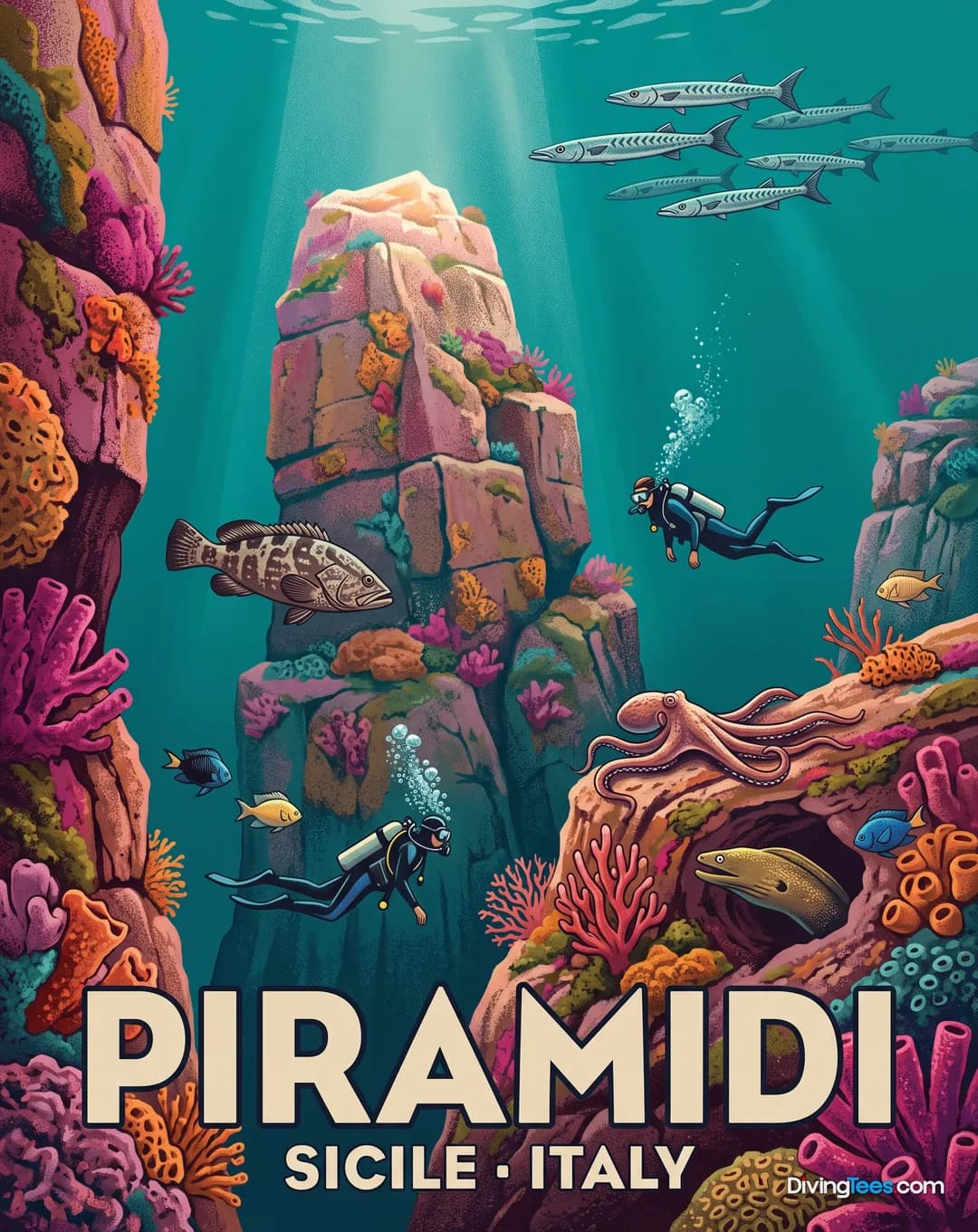
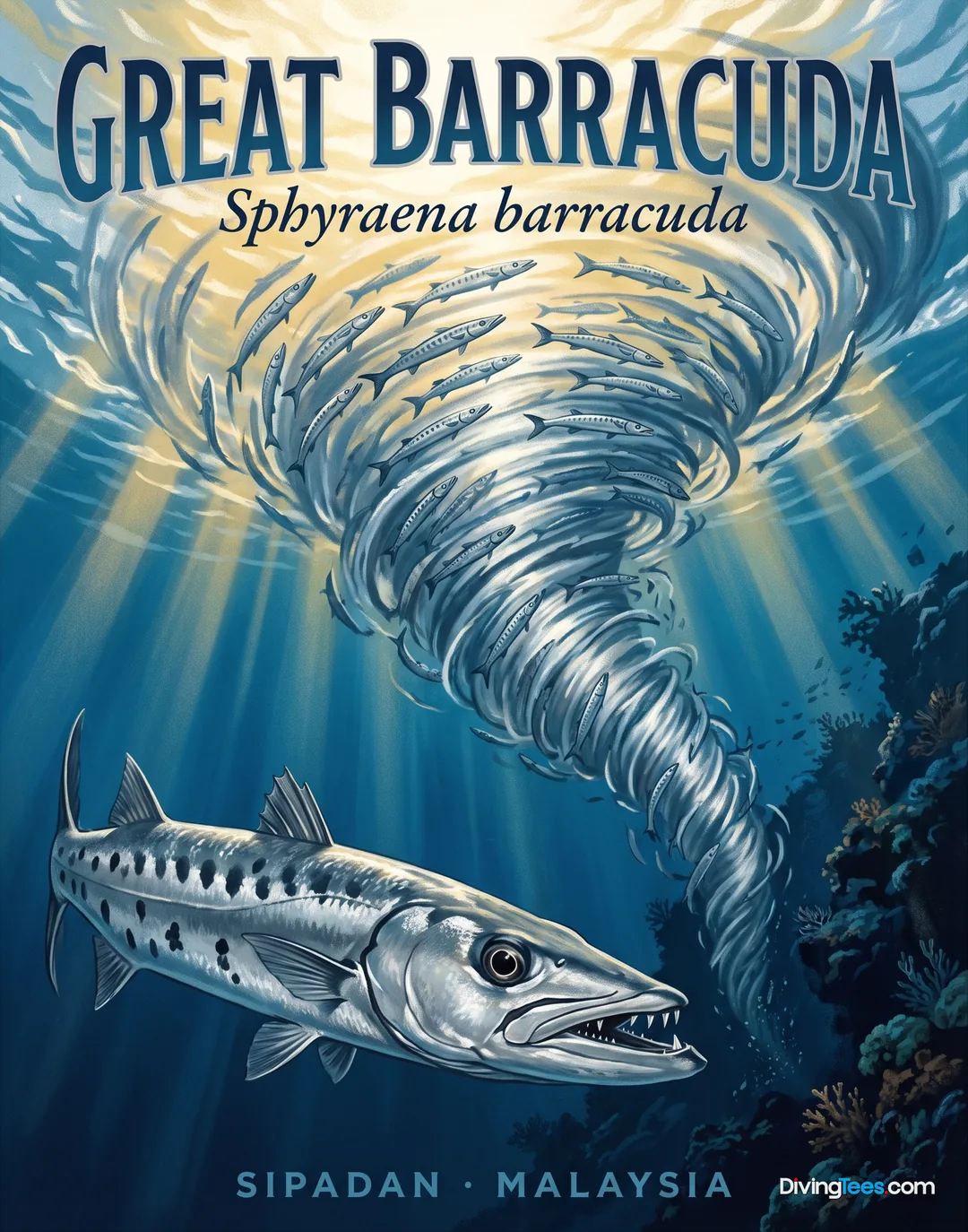
The marine life at Ustica is defined by large pelagics and diverse reef inhabitants. You will frequently encounter dusky groupers, marbled groupers, and golden groupers near the rocky structures. Large schools of barracuda and amberjack are common, with amberjack particularly active during their spawning period from July to September, and barracuda seen in large groups during the same months.
In the spring, the reefs become particularly active with the presence of lobster, shrimp, and cuttlefish. The vertical walls and caves are home to various octopuses and many species of gorgonians, including red and yellow varieties, as well as the rare Savalia savalia.
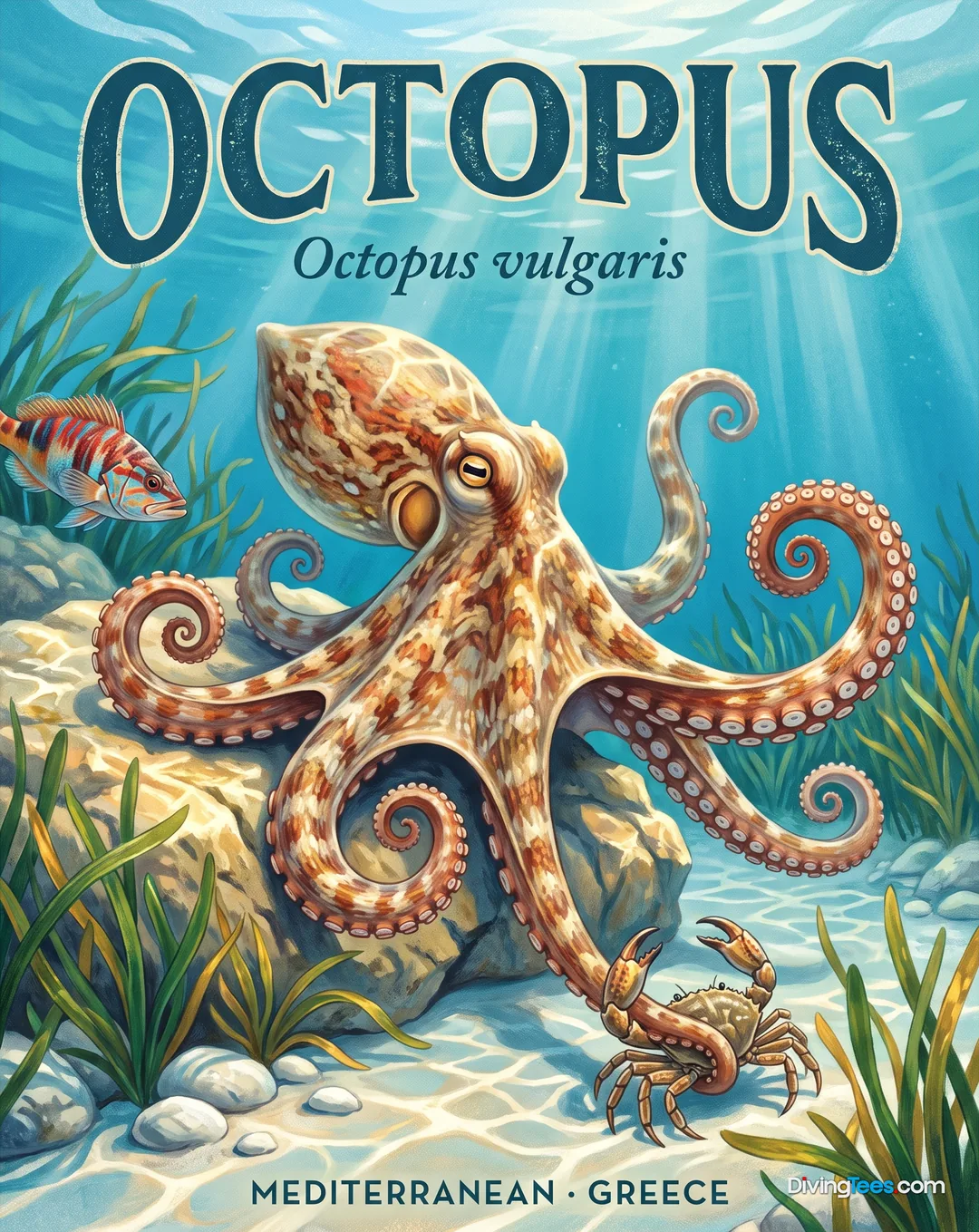
Macro life enthusiasts can find various crustaceans and molluscs throughout the season. The cave systems, such as Grotta dei Gamberi 20, are known to host large numbers of shrimp, while the surrounding waters are home to cuttlefish and octopus.
The island is a volcanic environment, and as such, certain sites are subject to frequent currents. Sites like Secca della Colombara and Secchitello often require divers to be comfortable with drift diving or managing moving water.
The diving season runs from 1st May to 31st October. July is characterised by long daylight hours and warm water, while September offers excellent opportunities for seeing pelagic species. The low season provides a quieter atmosphere and different encounters, such as lobster and octopus in the spring.
Hello, I'm Marina, DivingDeal.com's AI assistant. I answer in detail about hotels, dive centres and liveaboards.

Thinking about the whole trip and the flights? Talk it over with Edith →
Marina is an AI. Some links are affiliate links: DivingDeal may earn a commission, at no extra cost to you. Bookings are made with the partner.
★ 9.7/10 (489 reviews)
207 km away as the crow flies
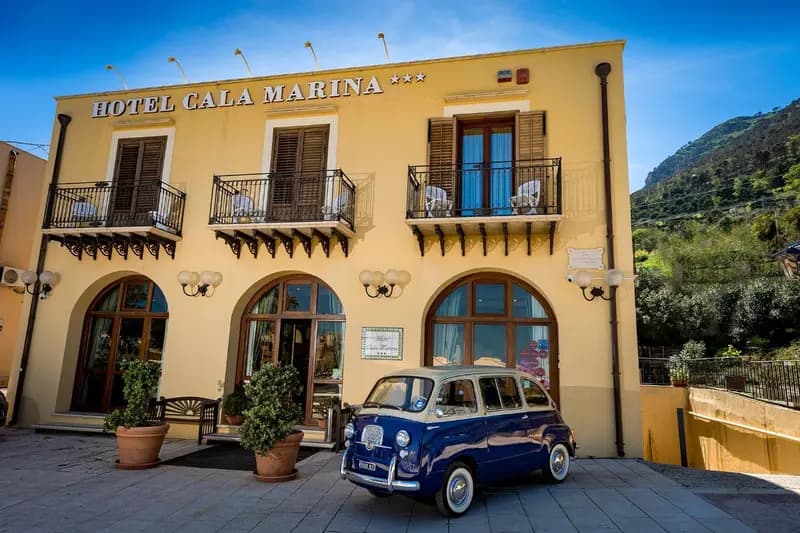
★★★
★ 9.3/10 (1,333 reviews)
80 km away as the crow flies
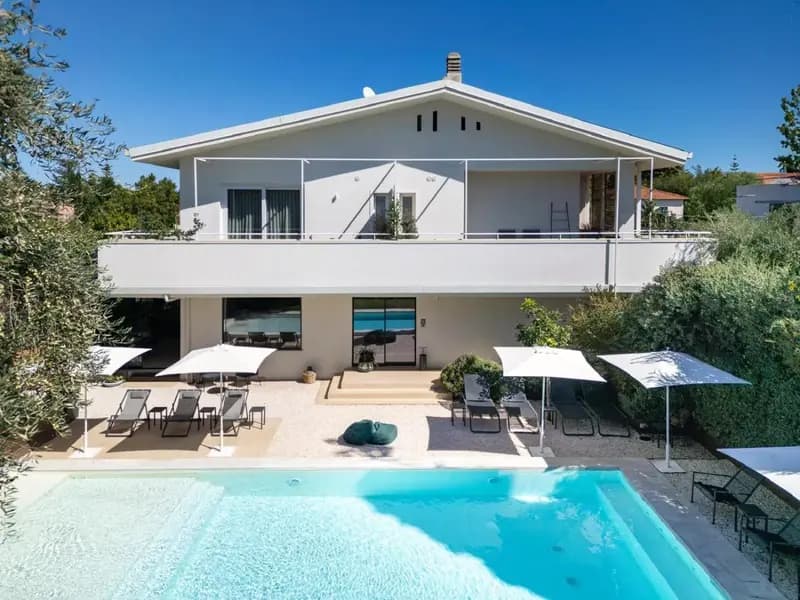
★★★★
★ 9.7/10 (285 reviews)
58 km away as the crow flies
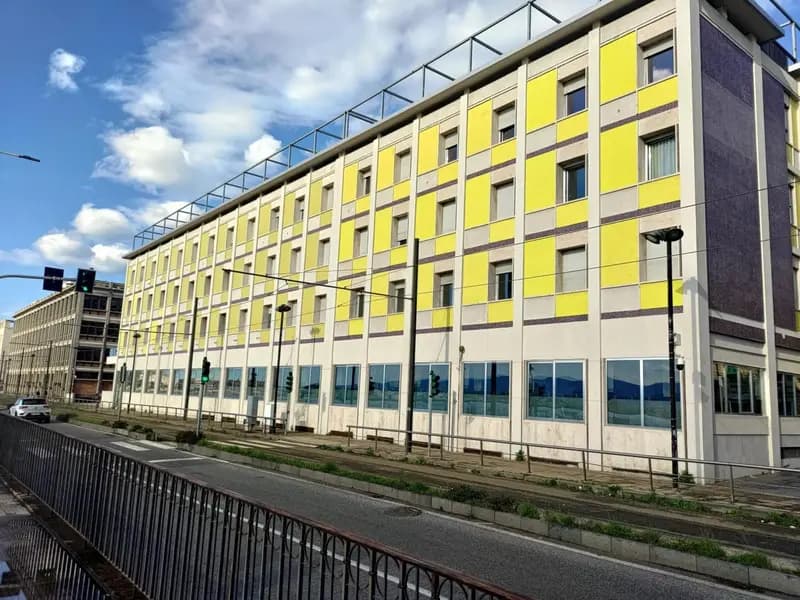
★★★★
★ 9.4/10 (453 reviews)
214 km away as the crow flies