
Air Sub Service SRL
Google 5/5 (200 reviews)
Italy · Mediterranean
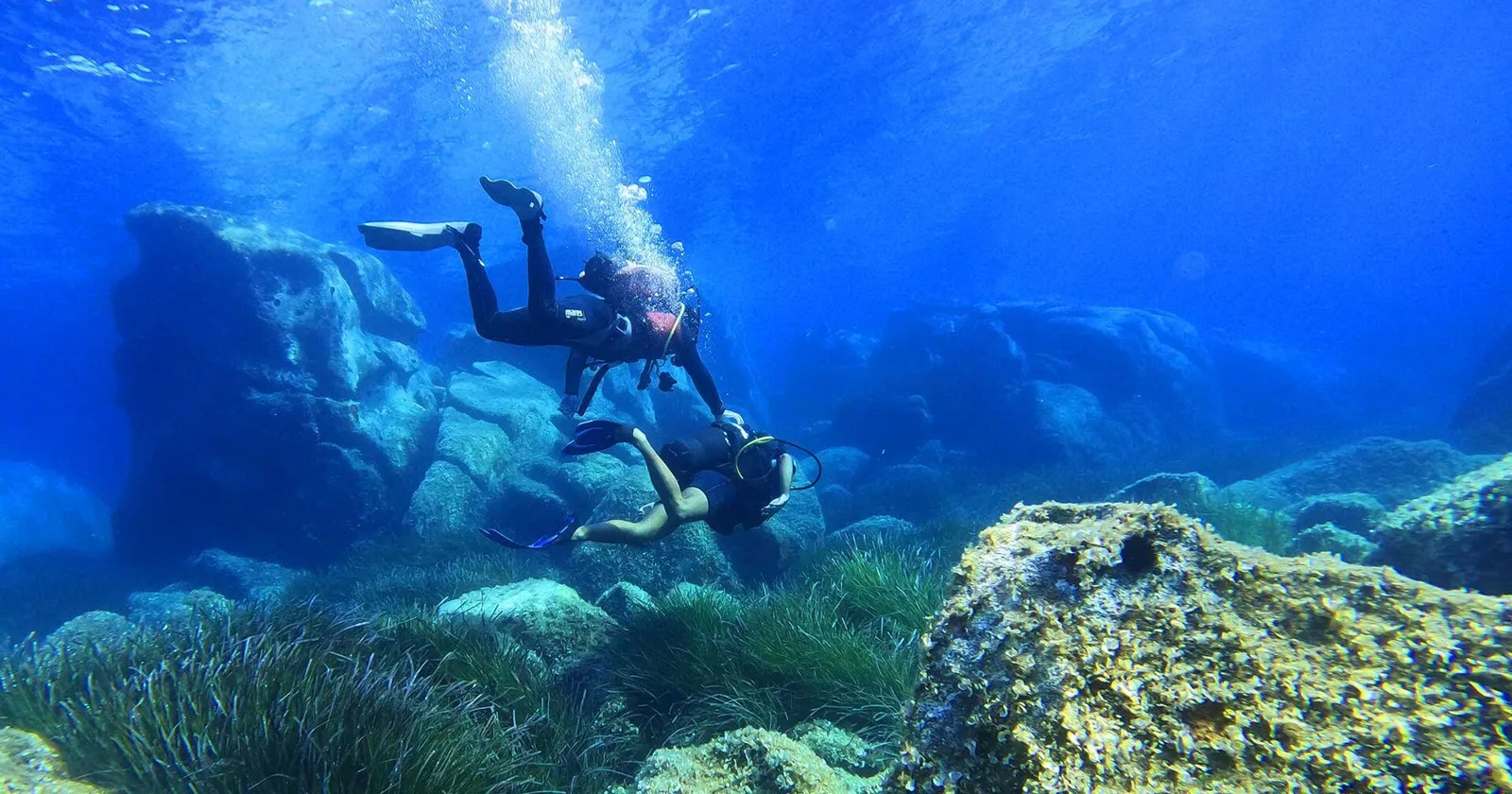
Granite walls, Posidonia meadows, island passages and deeper wrecks shape boat diving from Villasimius around the protected waters of Capo Carbonara.
For subtitles in English: start the video firstthen click the gearat the top right of the video, select “Subtitles/CC”, then “Auto-translate” and choose “English”.
Villasimius is a shore-based diving holiday built around boat trips from the local harbour into the Capo Carbonara Marine Protected Area. Underwater, the setting changes between granite walls, boulder-strewn ground, Posidonia meadows and rocky cavities, with Isola dei Cavoli and Serpentara extending the choice beyond the peninsula. It works for a mixed group because a first guided dive can stay shallow, while qualified divers can look towards deeper profiles and wrecks. Above water, beaches, coastal walks and boat excursions make the week worthwhile for non-divers too.
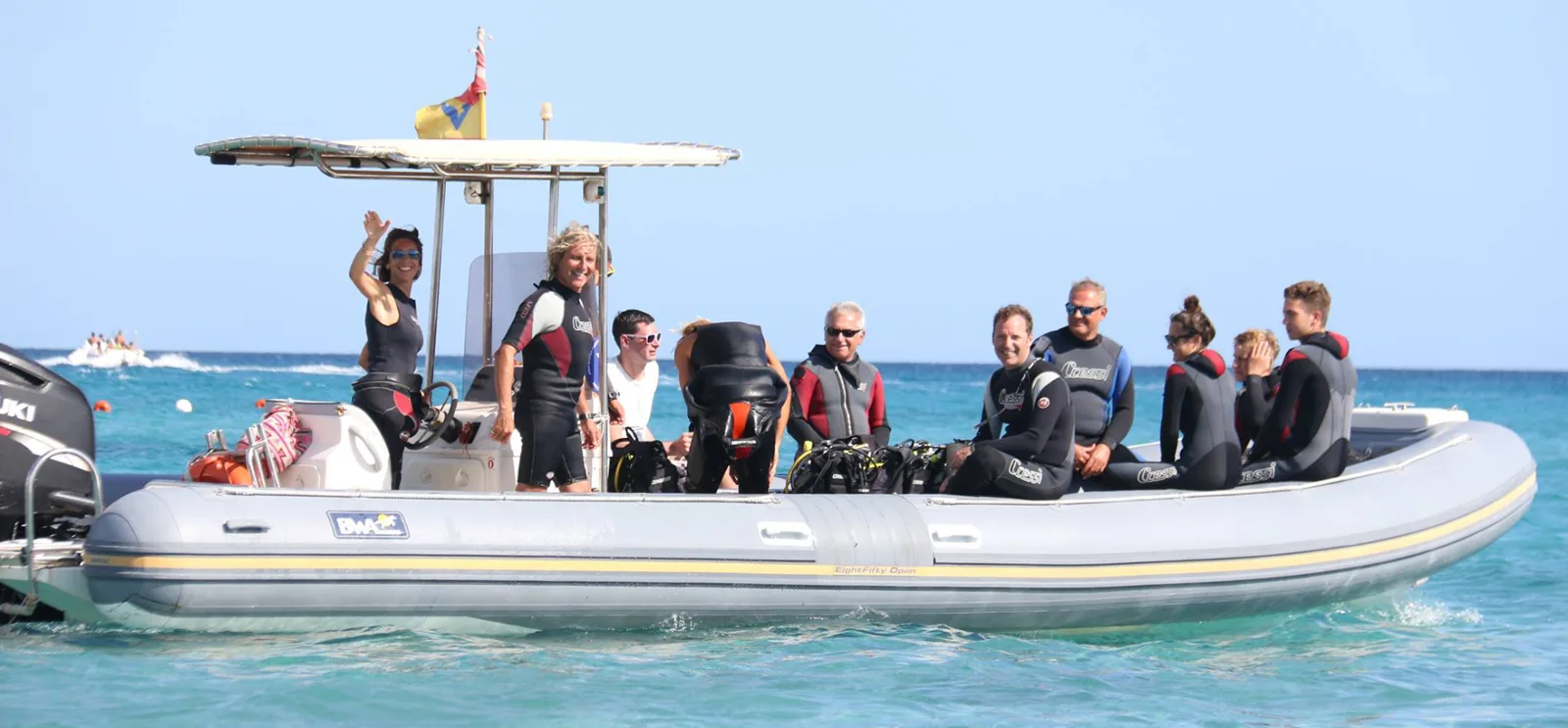
The diving is mainly a boat operation, with half-day and full-day outings from Villasimius. Granite is the defining material: expect walls, broken rock, boulders and cavities, with Posidonia meadows filling the gentler ground between them. The sites around the peninsula are not all equally sheltered, so wind and swell can change the plan, particularly for trips towards the islands and outer areas. Currents are variable rather than a constant feature, but the guide will assess the site before entering. Visibility is commonly around 15 to 20 metres from July to September, although swell, wind and suspended matter can reduce it. The appeal is the succession of different views from the boat, rather than one signature dive: a shallow rocky route for a relaxed first immersion, or a more demanding profile involving an exposed site, a cavity or a deeper wreck.
Marine life here is tied closely to the structure of the seabed. Posidonia meadows offer a very different view from the bare faces and boulder fields of the granite, while the protected rocky ground supports the animal and plant life associated with both habitats. Look into cavities, across cracks and along the edges where rock meets seagrass rather than treating the dive as a search for one headline animal. Isola dei Cavoli, Serpentara and the coastal sites each bring a different balance of rock, meadow and open water. The protected status matters underwater because collecting, capturing, damaging or introducing anything into these habitats is prohibited. Seasonal changes are felt most clearly in visibility, boat traffic and sea conditions, not through a guaranteed calendar of particular species.
June to September is the established diving window, combining the most dependable operating season with the clearest usual visibility. July and August bring the busiest beaches, boats and beginner-friendly sites, so they suit divers who want the fullest choice of organised excursions but not necessarily the quietest experience. Late spring and early autumn are more comfortable for those who prefer less traffic, while still retaining a practical diving season. Winter is a different proposition, with fewer organised outings and greater dependence on weather and sea state. A five to seven-day stay works well because it leaves room to move an exposed island trip when wind or swell closes in.
Villasimius suits all levels, provided the site matches the certification and experience of the diver. Beginners can use shallow, guided sites around the more sheltered sectors, while divers qualified through PADI, SSI or BSAC can ask about the profile before boarding. Advanced Open Water or equivalent experience is useful for deeper sites and some wrecks. Do not treat an entry-level qualification as access to every wreck or outer site, since depth, exposure and the day’s conditions matter as much as the badge.
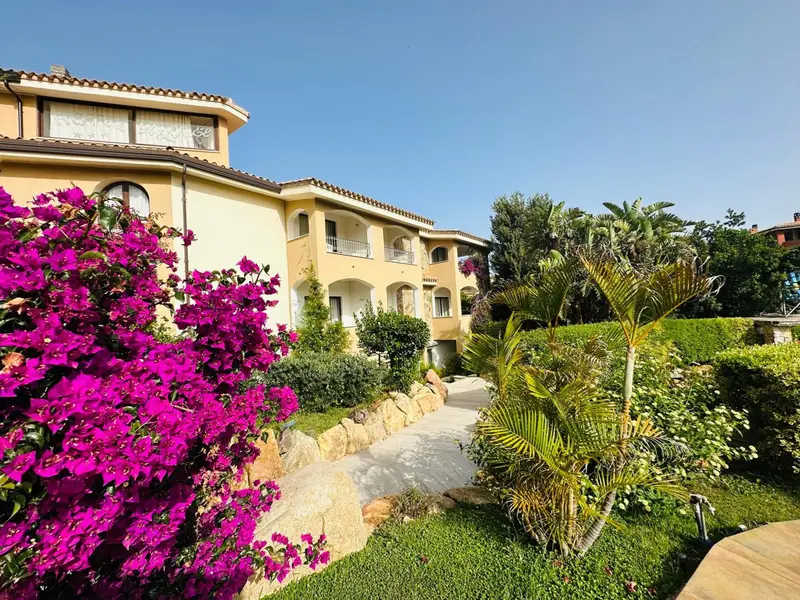
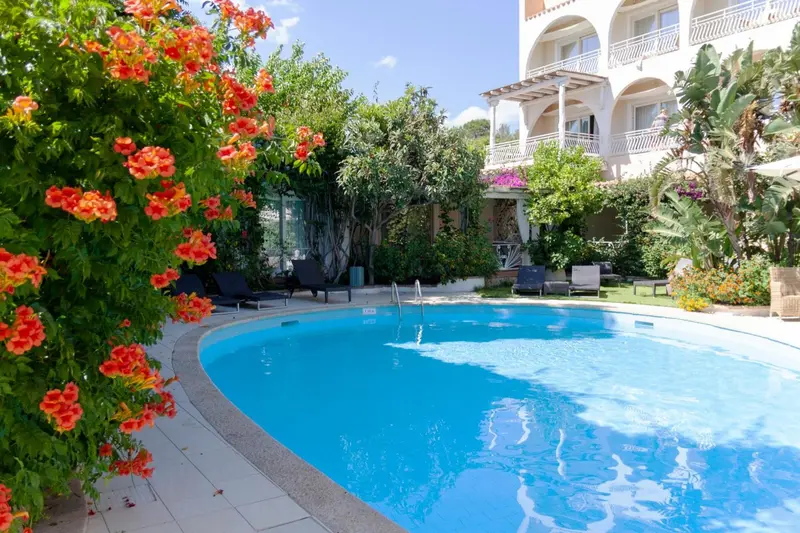
From London Heathrow, London Gatwick or Manchester, reach Cagliari-Elmas by a seasonal direct flight where available, or by connecting flight, then continue by road to Villasimius. Allow roughly an hour to an hour and a half for the road journey, depending on the route and traffic. The overall trip commonly occupies around five to nine hours, with the connection and seasonal flight schedule making the difference. No ferry is needed to reach Villasimius. Once there, harbour-based diving keeps the boat departure local, while accommodation in the town centre may be walkable. Places out towards the beaches or countryside generally call for a hire car, taxi or arranged transfer.
Book the marine-park trips with an authorised operator and ask exactly which access rules and formalities are covered for the zone being visited. Capo Carbonara is not one unrestricted area: some highly protected sections use approved routes or guided access. Before committing to an island or outer trip, ask how exposed it is and what the fallback site will be if wind or swell turns the sea. Keep a spare day in the programme for that reason. For a first dive, choose a shallow protected sector rather than starting with a wreck or deeper outer site. Bring thermal protection suited to repeated dives and time on the boat, particularly outside high summer. Ask whether the plan is for Isola dei Cavoli, Serpentara or a coastal site, because the terrain and time on the water differ. Do not collect, capture, touch or damage anything, and never assume that protected waters permit independent access everywhere.
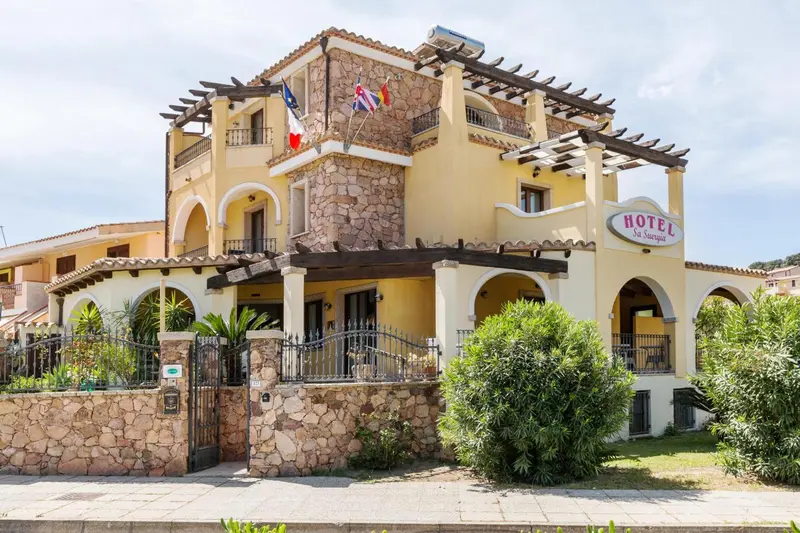
This is a stay-based destination, not a liveaboard setting. Plan on half-day or full-day boat departures from Villasimius, then use the remaining time for beaches, coastal walks or an island excursion. Centre-based accommodation can make the town manageable on foot, but properties scattered around the beaches and countryside are less convenient without a car, taxi or pre-arranged transfer. A week gives enough flexibility for several different boat routes, one weather reserve day and time away from the water.
Hello, I'm Marina, DivingDeal.com's AI assistant. I guide you through destinations, areas and countries.
Thinking about the whole trip and the flights? Talk it over with Edith →
Marina is an AI. Some links are affiliate links: DivingDeal may earn a commission, at no extra cost to you. Bookings are made with the partner.
Choose June through September for the established diving window and clearest usual conditions. Visibility commonly reaches fifteen to twenty metres from July through September, but wind, swell and suspended matter can reduce it. Late spring and early autumn offer less traffic. Winter brings fewer organised outings and greater dependence on weather and sea state.
Villasimius suits beginners and experienced divers when the site matches your certification and ability. Beginners can use shallow, guided sites in sheltered sectors. Deeper profiles, exposed sites and some wrecks require suitable experience, with Advanced Open Water or equivalent useful for deeper diving. Ask the operator about depth, exposure and conditions before boarding.
Around Villasimius, expect granite walls, boulder fields, rocky cavities, cracks and passages, with Posidonia meadows across gentler ground. Boat routes may reach Isola dei Cavoli, Serpentara and outer sites, each combining rock, seagrass and open water differently. Look along habitat edges for associated animal and plant life rather than one guaranteed species.
Plan a shore-based stay around half-day or full-day boat trips from the local harbour. Book with an authorised operator, ask about access rules and fallback sites, and keep a spare day for wind or swell. Town-centre accommodation may be walkable, while beach or countryside properties generally need a car, taxi or arranged transfer.