
Diving Center Marina Gamarth
Google 5/5 (18 reviews)
Tunisia · Mediterranean
World War Two wrecks in Hammamet, rocky drop-offs at Cap Bon, red coral and tunnels farther north: Tunis links shore diving to boat-led exploration.
For subtitles in English: start the video firstthen click the gearat the top right of the video, select “Subtitles/CC”, then “Auto-translate” and choose “English”.
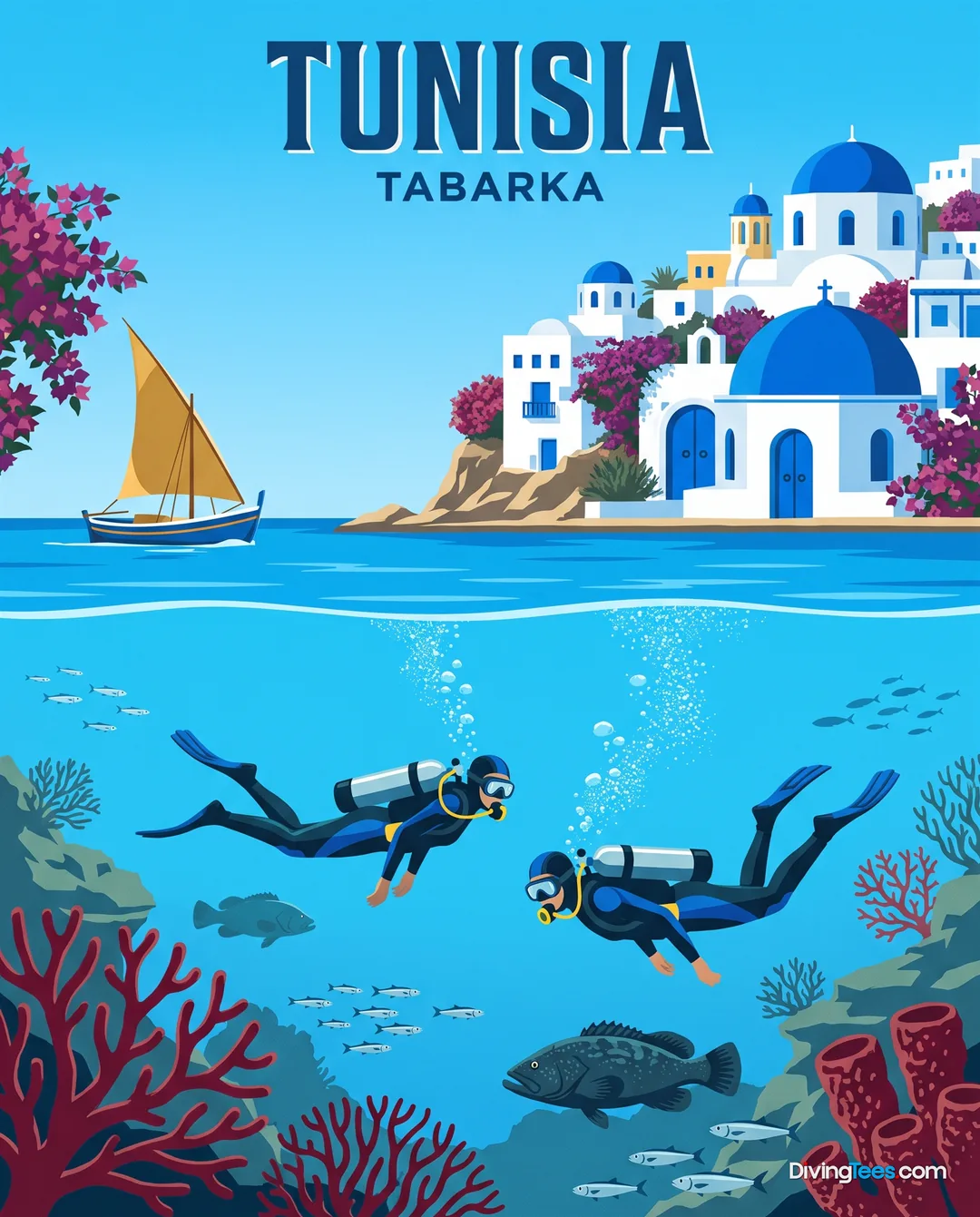
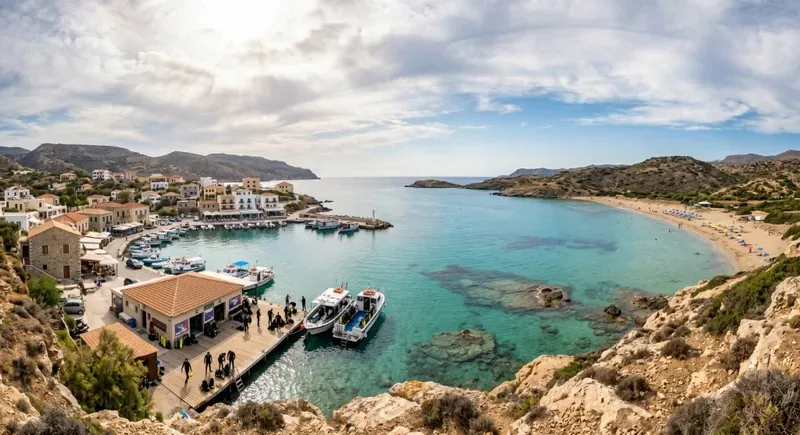
Second World War wrecks lie in Hammamet Bay, while the Cap Bon coastline leads towards rocky drop-offs and the protected Zembra archipelago. Farther north, Tabarka brings tunnels, cavities and red coral into the picture. Tunis is therefore less a single harbour for diving than an arrival point for several coastal bases. It suits a five to seven-day land stay, with time divided between diving, road transfers and Tunisia’s substantial cultural attractions.
The diving changes noticeably from one coast to the next. Hammamet combines accessible coastal sites with boat trips to historic wrecks, while El Haouaria offers shallow ground that is suitable for newer divers. Around Cap Bon, expect rocky drop-offs, variable currents and pelagic fish, with some outings better treated as current-aware boat dives rather than casual shore work. Zembra adds exposed navigation, steep underwater relief and a greater dependence on sea conditions. Tabarka is the more specialised end of the destination, its tunnels and cavities demanding careful planning and, in places, cave or equivalent training. Visibility is commonly around fifteen to thirty metres, strongest from June to October, but wind-driven swell, coastal run-off and plankton can reduce it. The practical rhythm is a series of day boats and coastal dives, not one compact house reef.
Cap Bon is where the underwater scene most clearly opens out. Rocky walls and drop-offs attract pelagic fish, particularly around the waters associated with Zembra, where currents are part of the appeal as well as a factor to manage. Hammamet’s wrecks provide a different habitat, with the interest coming from historic steelwork and the life gathered around it rather than from coral gardens. Tabarka is the place for red coral and enclosed rocky passages, with tunnels and cavities adding shadow, texture and a more focused style of diving. Summer visibility often improves as plankton blooms diminish, making fish-watching and wreck details easier to appreciate. The exact wildlife encounter depends on the site and conditions, so the destination is better approached for its combination of habitats than for a guaranteed species list.
The main diving season runs from May into November, with May to October generally the most dependable period. June to October usually brings the clearest water, as plankton blooms ease and summer conditions settle. May, June, September and October are especially sensible choices for divers who want to avoid the busiest feel around Hammamet and Port Yasmine without giving up realistic boat access. The shoulder months can still be rewarding, but Cap Bon, Zembra and other exposed outings remain more closely tied to wind and sea state than sheltered coastal dives. Build flexibility into any day involving a longer crossing.
Tunis works for all levels, provided the base matches the ambition. El Haouaria and selected Hammamet outings suit beginners and divers returning after a break. Advanced Open Water training is useful for deeper wrecks and more demanding relief, while a Wreck qualification supports proper penetration planning. Tabarka’s tunnels and cavities are not ordinary beginner sites, so cave training or an equivalent speciality may be expected. PADI, SSI and BSAC divers should check that their experience matches the planned site, not simply the destination label.
From London or Manchester, the journey begins with a flight to Tunis-Carthage, followed by a road transfer to the coast selected for the diving. Tunis itself is not the universal departure harbour. Hammamet, El Haouaria, Bizerte and Tabarka serve different sectors, so allow for a transfer rather than assuming the airport and boat are neighbours. Hammamet is the simplest base for its bay and nearby wrecks, while Cap Bon and the northern coast require more deliberate road planning. Zembra and the other remote archipelagos add a boat passage, with no specifically verified regular domestic flight or ferry link to rely on. Once in Hammamet, taxis, local transport or accommodation shuttles can connect the town with Port Yasmine and the hotel area; elsewhere, a hire car or dedicated road transfer is usually the practical solution.
Treat Tunis as a regional starting point, not as a compact diving town. Decide first whether the priority is Hammamet wrecks, El Haouaria and Cap Bon, or the northern coast, then group dives by sector. Crossing the country between separate bases wastes the time that makes a five to seven-day stay work. Keep Zembra for a day with a clean weather window, allow the whole day for the boat, and agree a fallback before leaving harbour. Do not book it as if it were an ordinary coastal dive. Ask in advance about the depth, condition and penetration policy of any Hammamet wreck, since “wreck diving” can mean very different things in practice. For Tabarka, confirm the experience and certification expected for tunnels and cavities, and pack a proper torch if those sites are on the plan. Early departures can reduce marina traffic around Hammamet. If the itinerary includes Tabarka, do not mistake its attractive coastline for simple diving. Finish the trip with a land day before flying home rather than squeezing in a final immersion.
A practical stay is based on land, with daily boats and road transfers arranged around one coastal sector at a time. Hammamet combines the easiest diving logistics with beaches and a straightforward town base. Cap Bon works better when given dedicated days, while Tabarka merits a separate northern stop if tunnels, cavities or red coral are central to the plan. Non-divers have Tunis, Carthage, Sidi Bou Saïd, the Cap Bon road and northern walking country to fill surface days. Keep the final day for culture or travel rather than diving.
Hello, I'm Marina, DivingDeal.com's AI assistant. I guide you through destinations, areas and countries.
Thinking about the whole trip and the flights? Talk it over with Edith →
Marina is an AI. Some links are affiliate links: DivingDeal may earn a commission, at no extra cost to you. Bookings are made with the partner.
The main diving season runs from May into November, with May to October generally the most dependable period. June to October usually brings the clearest water, while May, June, September and October can feel quieter around Hammamet and Port Yasmine. Keep flexibility for wind and sea conditions on exposed outings.
Tunis suits different experience levels when you choose the right coast. El Haouaria and selected Hammamet sites work for beginners or returning divers. Deeper wrecks and demanding relief call for Advanced Open Water experience, while wreck penetration needs suitable training. Tabarka’s tunnels and cavities may require cave training or an equivalent speciality.
Diving around Tunis includes Second World War wrecks in Hammamet Bay, rocky drop-offs, currents and pelagic fish around Cap Bon, and the protected Zembra archipelago. El Haouaria has shallow grounds, while Tabarka offers tunnels, cavities and red coral. Visibility can improve from June to October, although conditions affect each encounter.
Treat Tunis as a regional starting point rather than one compact diving town. Choose Hammamet, Cap Bon, El Haouaria or Tabarka first, then group dives by sector. Arrange daily boats and road transfers, reserve Zembra for a suitable weather window, confirm wreck and tunnel requirements, and leave the final day for travel or culture.