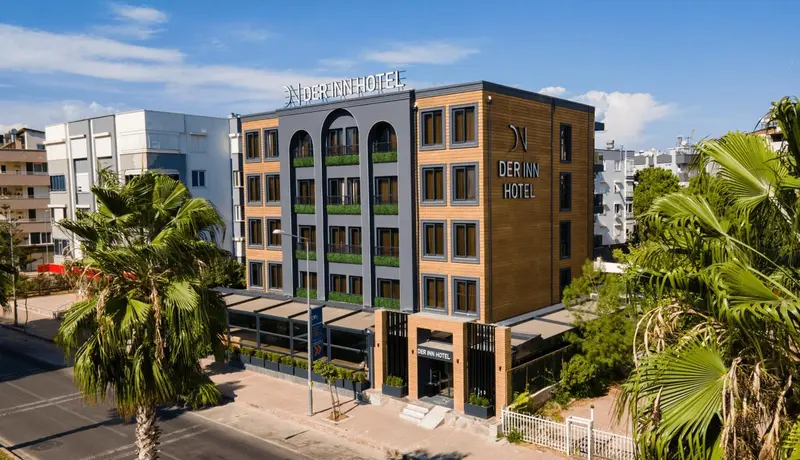
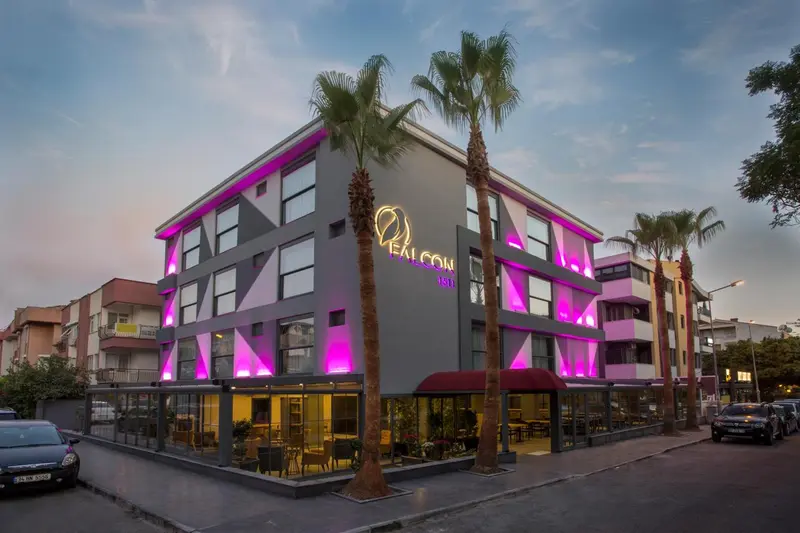
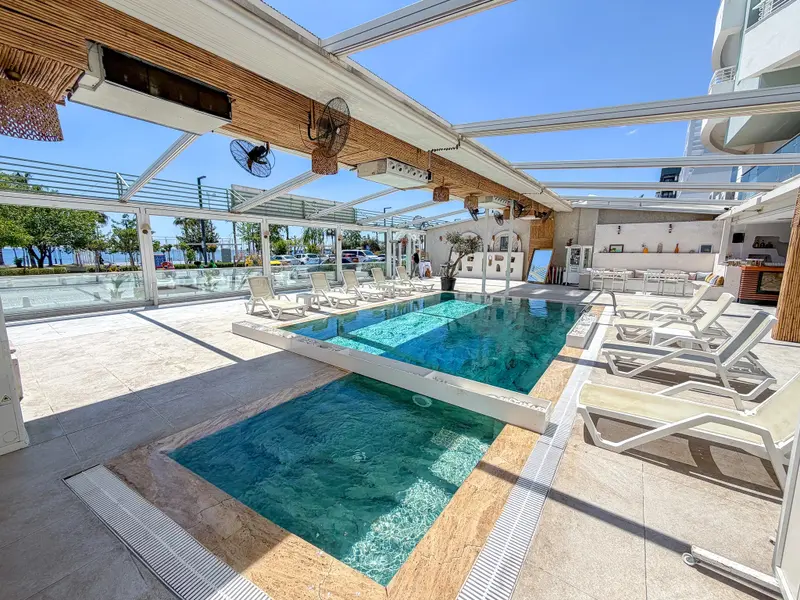
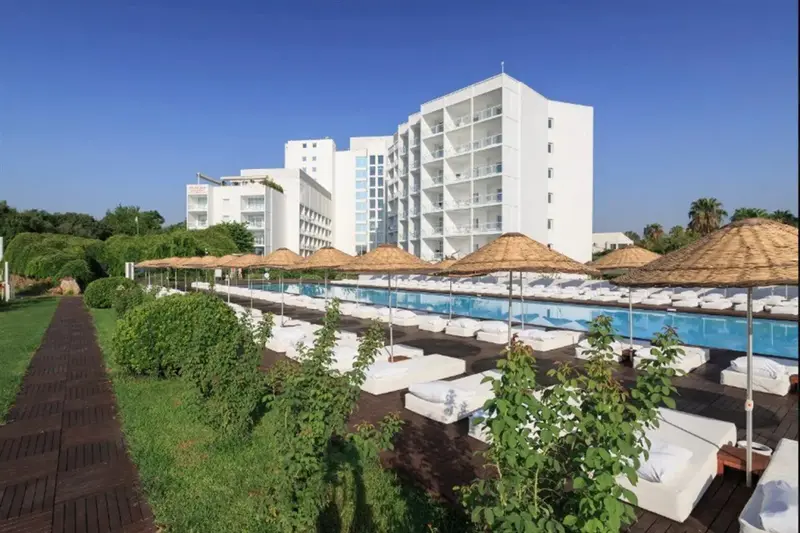
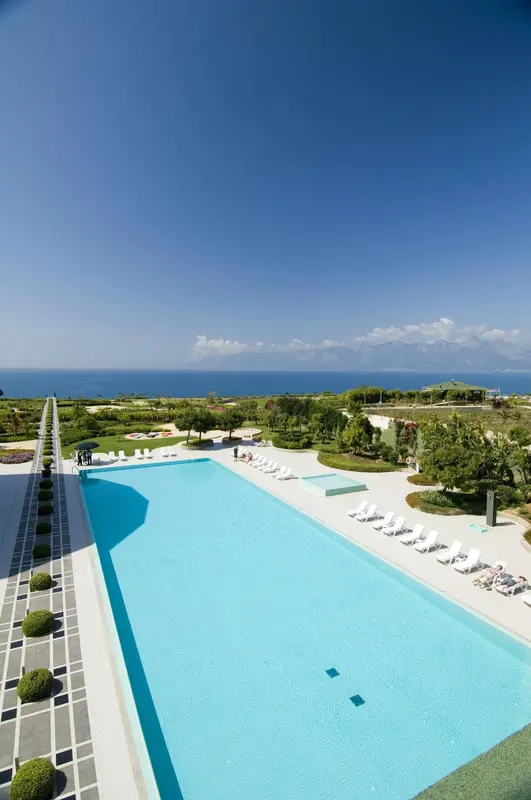
 Dive centre in the hotel
The Marmara Antalya
★★★★★
Google 4.3/5 (3,991 reviews)
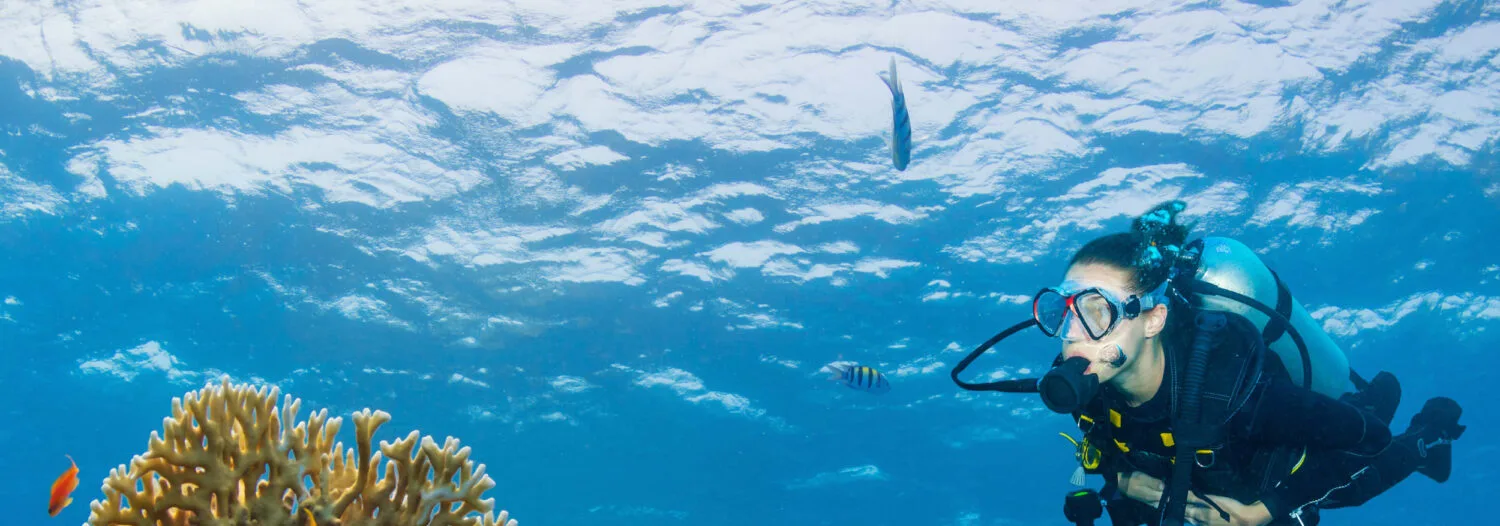
The dive centre
Stingray Diving
PADI · SSI · CMAS
Google 4.6/5 (104 reviews)
Dives: St. Didier French Shipwreck, Fener Cave
Türkiye · Mediterranean
Paris II, illuminated cave entrances, Three Islands and clear coastal rock make Antalya a varied base for a shore-based Turkish diving holiday.
For subtitles in English: start the video firstthen click the gearat the top right of the video, select “Subtitles/CC”, then “Auto-translate” and choose “English”.
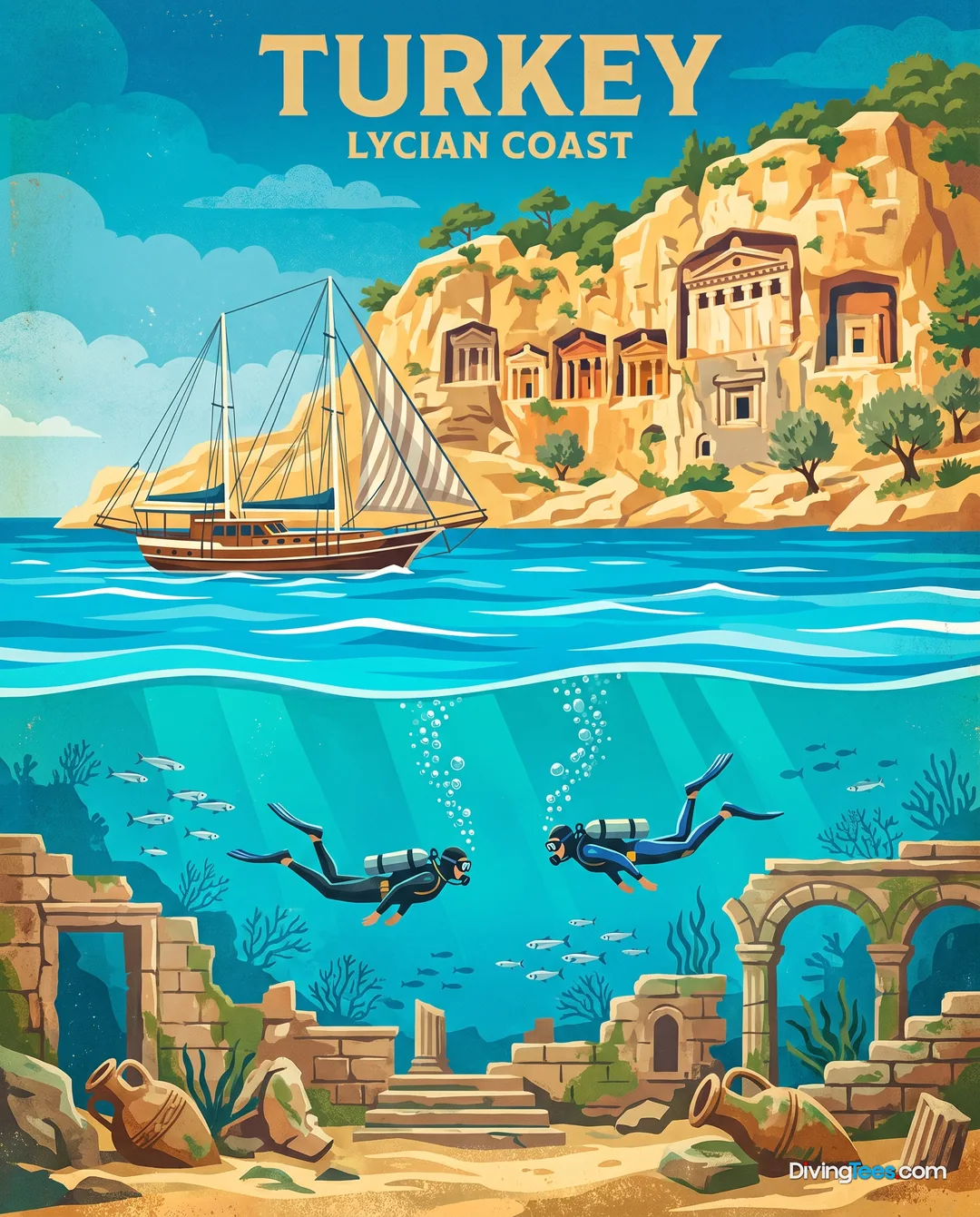
The Paris II lies at the more demanding end of Antalya’s diving, while sheltered bays around Tekirova offer a gentler introduction. Between those two experiences, the coast brings together wrecks, caves, drop-offs and boat dives from Antalya, Kemer and the Three Islands. This is a shore-based holiday rather than a liveaboard trip, with enough variety to mix serious diving days with visits to Kaleiçi, ancient sites and the coastal landscapes around Kemer.
Antalya’s underwater terrain changes with the port you use. Near the city, shore entries and boat dives keep the logistics straightforward. Kemer opens the way to the Paris II, the St Didier and the Three Islands, while Tekirova adds bays and island outings reached by day boat. Expect rock faces, wreck structure, cave entrances and Mediterranean reef rather than one continuous reef system. Currents are variable, so a site may involve a gentle drift dive on one day and a more settled descent on another. Visibility is often strongest in summer and early autumn, commonly around 20 to 30 metres, although swell, current and coastal run-off can reduce it. Most outings are conventional day trips, with morning departures a sensible choice in the busy season and a safety stop planned into every profile.
Marine life here is closely tied to the terrain. On wreck dives, the interest lies in what has settled around the Paris II, St Didier and Pati Wreck, while rock walls and cave mouths give small Mediterranean life shelter and a reason to slow down. In the bays around Tekirova, beginners can concentrate on movement over the seabed without the deeper profile of the Paris II. There is no particular wildlife calendar to organise the trip around, so the timing choice is mainly about sea conditions, visibility and crowding. Summer and early autumn generally give the clearest water, but the appeal of Antalya is the combination of living rock, wreck surfaces and shadowed cave entrances rather than a promised list of seasonal encounters.
The main diving season runs from spring into autumn, with May, June, September and October the most sensible compromise for many visitors. These months usually bring steadier conditions and fewer boats than July and August, while retaining good visibility. Summer and early autumn are the clearest period underwater, but the height of summer is also when Kemer’s ports and discovery boats are busiest. December through March is a poor fit for a dive-led break because sea conditions can be less cooperative and some centres reduce their activity. April, May and November sit at the edges of the practical season, so confirm the planned programme before building a trip around them.
Antalya works for all levels, provided the site is matched to the diver. Introductory trips can use coastal sites and sheltered bays, including areas around Tekirova. Open-water divers can enjoy the standard boat programme, while the Paris II calls for suitable Advanced experience because of its depth. A Wreck qualification is useful for wreck diving, and proper Cave training is needed for penetration beyond an illuminated entrance. PADI, SSI and BSAC divers should check the exact profile rather than relying on the holiday label.
From London Heathrow, London Gatwick or Manchester, the journey starts with a flight to Antalya. Once there, the important logistical decision is the port: Antalya, Kemer and Tekirova serve different parts of the coast. Kemer is reached from Antalya by road, and Tekirova lies farther along the same coastal approach. Diving departures normally leave from the local harbour by day boat, with no compulsory ferry crossing to reach the dive areas. Staying near Antalya’s urban waterfront can suit city-based shore and boat diving, while Kemer or Tekirova reduces the road transfer for their local sites. Arrange the transfer to the actual harbour, not simply to a booking described as Antalya, since the name covers a broad coastal area.
Ask which harbour the boat really leaves from before booking anything described simply as Antalya diving. A long road transfer can otherwise take the edge off a day intended for the water. Match the wreck to your qualification: Paris II is a deep wreck for experienced or properly qualified divers, not an introductory excursion. Treat a cave mouth with daylight as an observation dive, not permission to swim inside. If a real penetration is planned, check that the qualification and equipment fit it, and carry a suitable torch when caves are on the programme. In July and August, favour morning departures where possible, when the boats and sites are less congested and the sea may be more settled. Build in several diving days if you want to combine Antalya, Kemer, Tekirova, wrecks, caves and the Three Islands rather than spending the whole stay on one local outing.
Allow five to seven days for a useful balance between diving and time ashore. A practical stay can alternate boat days from Antalya or Kemer with a coastal or shore dive, leaving room for rest and weather changes. Keep a day for Kaleiçi, ancient sites or the landscapes around Kemer and Tekirova. Beaches and bays provide an easy fallback when a boat does not run, while a non-diving boat excursion fits naturally into a surface interval day, provided there is enough time before flying home.
Hello, I'm Marina, DivingDeal.com's AI assistant. I guide you through destinations, areas and countries.
Thinking about the whole trip and the flights? Talk it over with Edith →
Marina is an AI. Some links are affiliate links: DivingDeal may earn a commission, at no extra cost to you. Bookings are made with the partner.
In each one, the dive centre is inside the hotel: step out of your room and go diving.
Dive centre in the hotel★★★★★
Google 4.3/5 (3,991 reviews)
The dive centre
Stingray Diving
PADI · SSI · CMAS
Google 4.6/5 (104 reviews)
Dives: St. Didier French Shipwreck, Fener Cave
Choose May, June, September or October for a practical balance of steadier conditions, good visibility and fewer boats than the busiest summer period. Summer and early autumn commonly bring clear water, while December through March is less suitable for a dive-focused holiday. Check activity before planning around the season edges.
Antalya suits different experience levels when you choose the site carefully. Sheltered bays around Tekirova and coastal sites can suit beginners, while standard boat trips work for open-water divers. Paris II requires suitable Advanced experience, wreck diving benefits from a Wreck qualification, and cave penetration requires proper Cave training.
You can explore the Paris II, St Didier and Pati wrecks, illuminated cave entrances, rock faces, drop-offs and Mediterranean reef. Three Islands boat trips add variety, while the terrain shelters small Mediterranean life around wreck surfaces, rock walls and cave mouths. Expect changing coastal scenery rather than one continuous reef system.
Decide whether Antalya, Kemer or Tekirova best matches your diving plans, then confirm the actual harbour for each departure. Combine boat and shore days, allowing flexibility for weather and rest. Staying near the urban waterfront suits city diving, while Kemer or Tekirova reduces transfers to their local sites.