
Happy Bubbles Dalis Merkezi, Celtikci- Sevinc İş Ortaklığı
Google 4.9/5 (283 reviews)
Türkiye · Mediterranean
Kara Ada’s reefs, the Dakota wreck, dark caverns, barracuda and occasional loggerhead turtles give Bodrum’s diving a distinctly maritime character.
For subtitles in English: start the video firstthen click the gearat the top right of the video, select “Subtitles/CC”, then “Auto-translate” and choose “English”.
The Dakota wreck lies among a landscape of rocky reefs, walls and caverns around Bodrum and Kara Ada. This is a place for combining different kinds of diving rather than chasing one signature site: sheltered shallow water for beginners, fish-rich reefs, deeper wreck profiles and an aircraft underwater for suitably qualified divers. Above the surface, Bodrum’s castle and underwater archaeology museum give the diving a strong maritime context, while non-divers have beaches, markets and boat trips to enjoy.
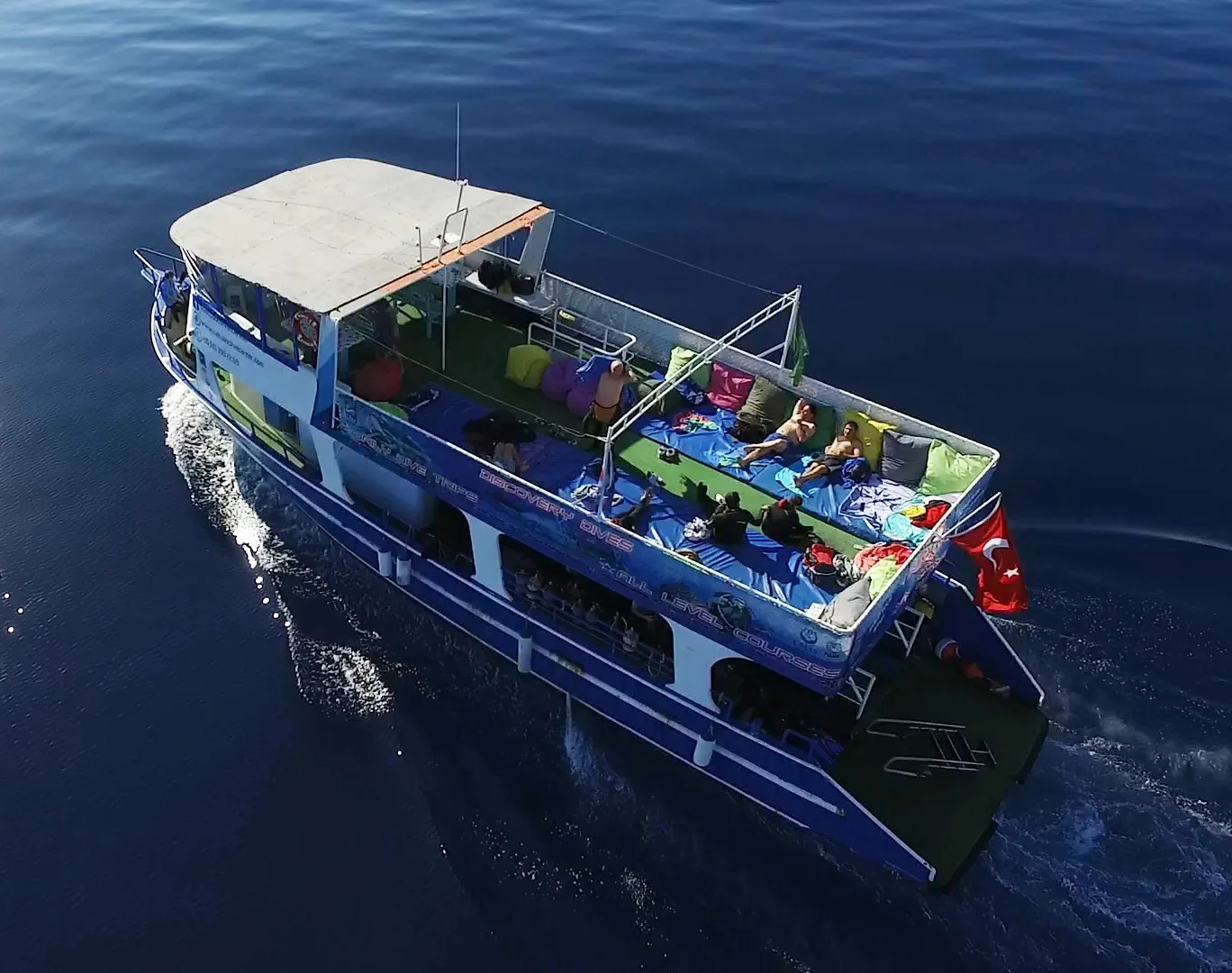
Most diving is organised from boats, linking Bodrum with Kara Ada and the peninsula’s reefs, walls, caverns and artificial wrecks. Big Reef and Small Reef are close enough to combine in one outing, and both are known for dense fish life when conditions are favourable. Depths range from easy shallow training areas to around 30 metres, with the Dakota requiring particular attention because reported profiles run from roughly 17 to 32 metres. Currents are variable rather than a defining feature, so a planned drift dive is not the assumption for every outing. July to September usually brings the clearest water, commonly around 20 to 30 metres, although site, swell, plankton and boat traffic can change the view. Ask exactly which area the boat is visiting, because a Kara Ada reef day feels very different from a wreck-focused trip.
Bodrum’s regular encounters are familiar Aegean ones, but they reward slow looking around the rocks and wreck structure. Grouper, barracuda, moray eels and octopus may appear throughout the main diving season, from April to November. Big Reef and Small Reef are the places to pay particular attention to the fish density, while the walls and cavities provide the sort of cover where morays and octopus settle. Rays and seahorses are occasional rather than dependable sightings. Loggerhead turtles are most likely between May and September, but remain an occasional pleasure, not a scheduled part of the dive. Dolphins and monk seals are possible only rarely. The practical expectation is a varied rocky habitat with regular fish life, not a guarantee of a particular large animal.
The usual diving season runs from April to November. May, June, September and October make the most balanced choices, with good access to the water and less pressure from summer visitors than July and August. July to September generally offers the best visibility, but those months also bring the busiest boats and waterfront. April, May, October and November are quieter, though early and late season call for more thermal protection and a reserve day for changing conditions. A 5 mm wetsuit is a useful all-round choice in the main season, with thicker protection sensible at its edges.
Bodrum works for newly qualified divers as well as experienced visitors, provided the day’s site matches their training. Shallow, calmer areas suit beginners and straightforward refresher dives. Advanced Open Water is useful for deeper reefs, the Dakota and other deeper wreck profiles, while a wreck speciality makes sense for anyone planning several penetration-free wreck dives. BSAC, PADI and SSI divers should check the stated depth and experience requirements before boarding, particularly for the aircraft and the deeper vessels.
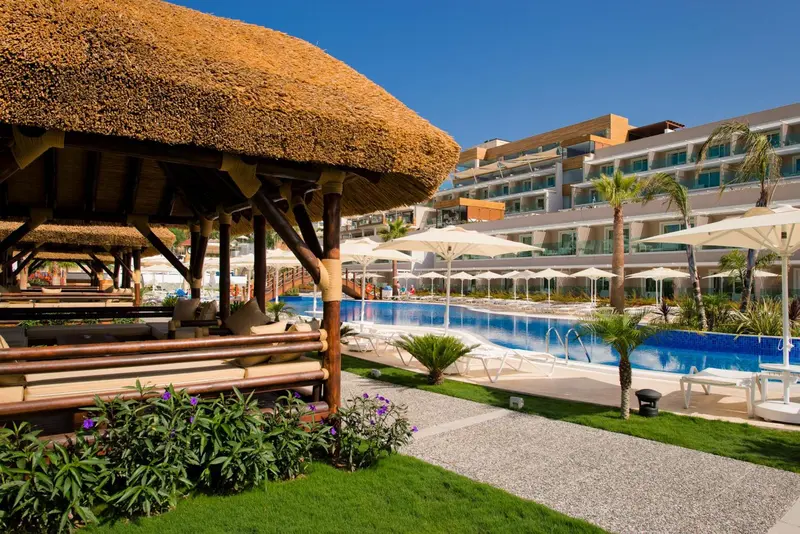
From London Heathrow, London Gatwick or Manchester, reach Bodrum by a direct seasonal flight when available, or by connecting flight outside the main travel period. The destination is served through Bodrum-Milas Airport, followed by a road transfer to Bodrum, so allow for the connection between air and road rather than treating the airport as the final stop. Ferries from Greek islands such as Kos can be an alternative if they fit the wider itinerary, but they are not structurally required. Once in Bodrum, accommodation near the harbour may put the diving boats within walking distance. Hotels elsewhere on the peninsula generally mean arranging a taxi or a local shuttle to the departure point.
Book the actual itinerary, not just a trip labelled Bodrum. Check whether the boat is heading for Kara Ada, Big Reef and Small Reef, or the wrecks, because the underwater character and required experience differ sharply. For the Dakota, confirm the planned depth against your certification and recent experience, as profiles can reach about 32 metres and are not beginner dives. Keep one day free in a five to seven-day stay as a weather reserve, especially if several boat days are important. If you want less traffic around the harbour and sites, look at April, May or October rather than July or August. Do not build the trip around claims of exceptional visibility: 20 to 30 metres is a sensible summer expectation, not a promise. Treat amphorae, wreck fittings and other archaeological objects as things to look at, never handle or collect. Pack thermal protection that can cope with repeated dives at the beginning or end of the season.
Bodrum is best organised as a land-based stay of five to seven days. That allows several boat outings, a separate look at the reefs and wrecks around Kara Ada, and a spare day if weather disrupts the programme. Staying near the harbour can simplify mornings on foot, while accommodation farther along the peninsula usually requires a taxi or shuttle. Keep a day for Bodrum Castle, the underwater archaeology museum, the old town and harbour, with beaches and coastal boat trips giving non-divers their own worthwhile alternatives.
Hello, I'm Marina, DivingDeal.com's AI assistant. I guide you through destinations, areas and countries.
Thinking about the whole trip and the flights? Talk it over with Edith →
Marina is an AI. Some links are affiliate links: DivingDeal may earn a commission, at no extra cost to you. Bookings are made with the partner.
Bodrum’s diving season generally runs from April to November. May, June, September and October offer a balance of water access and fewer summer visitors. July to September usually brings the clearest visibility, while April, May, October and November are quieter but may require more thermal protection and flexibility for changing conditions.
Bodrum suits newly qualified and experienced divers when the site matches your training. Shallow, calmer areas work for beginners and refresher dives. Advanced Open Water experience is useful for deeper reefs, the Dakota and deeper wrecks. Check depth and experience requirements before boarding, especially for the aircraft and deeper vessels.
Bodrum offers Kara Ada reefs, walls, caverns, artificial wrecks and the Dakota aircraft wreck. Big Reef and Small Reef are known for dense fish life. You may encounter grouper, barracuda, moray eels and octopus, with occasional loggerhead turtles from May to September. Rays, seahorses, dolphins and monk seals are less dependable.
Plan Bodrum as a land-based stay with several boat outings and a weather reserve day. Confirm whether your itinerary visits Kara Ada, the reefs or wrecks, since sites differ in character and experience requirements. Harbour accommodation can simplify departures, while the castle, underwater archaeology museum, old town, beaches and boat trips add topside variety.