
Kusadasi Diving Center
Google 4.9/5 (991 reviews)
Türkiye · Mediterranean
Rocky caverns, an Airbus A300 at around 30 metres, octopus and morays make Kuşadası a practical Turkish base for diving and exploring ashore.
For subtitles in English: start the video firstthen click the gearat the top right of the video, select “Subtitles/CC”, then “Auto-translate” and choose “English”.
An Airbus A300 lies at around 30 metres off Kuşadası, while Adakule offers rocky caverns and the coast provides shallower reefs for less demanding dives. That combination makes the town useful to divers who want more than one sort of underwater day, without committing to a liveaboard or a remote island. Boats leave for coastal sites and the wreck, while Ephesus, the Dilek peninsula, beaches and the town itself give non-divers plenty to do between outings.
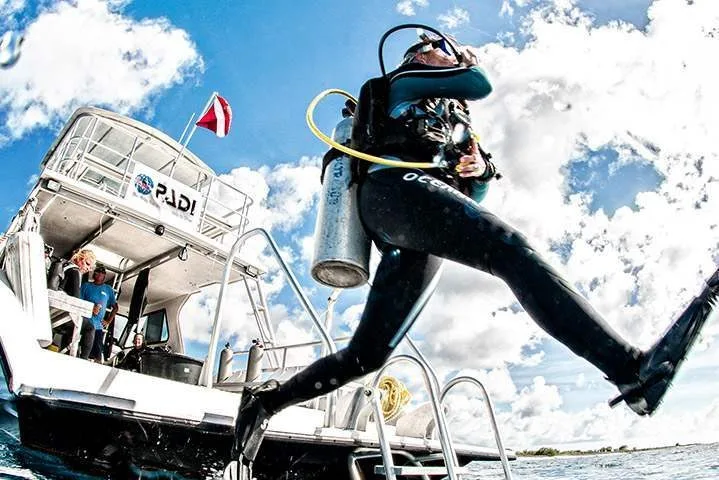
Kuşadası diving moves between rocky reefs, shallow bays, walls, cavities and artificial wreck structure. Yılancı Burnu suits a gentler introduction, while Adakule brings darker, more confined passages that need careful judgement about whether they are caverns or true caves. Currents are variable rather than a permanent feature, so a site may feel straightforward one day and require more attention the next. Visibility is commonly around 15 to 30 metres from May to October, although swell and suspended particles can reduce it, particularly around the Airbus. Most diving is organised as daily boat trips from the coast, with early departures useful for avoiding the busiest traffic. The wreck is a deeper proposition than the nearby reefs, and its conditions should be treated separately rather than assumed to match the clearer coastal water.
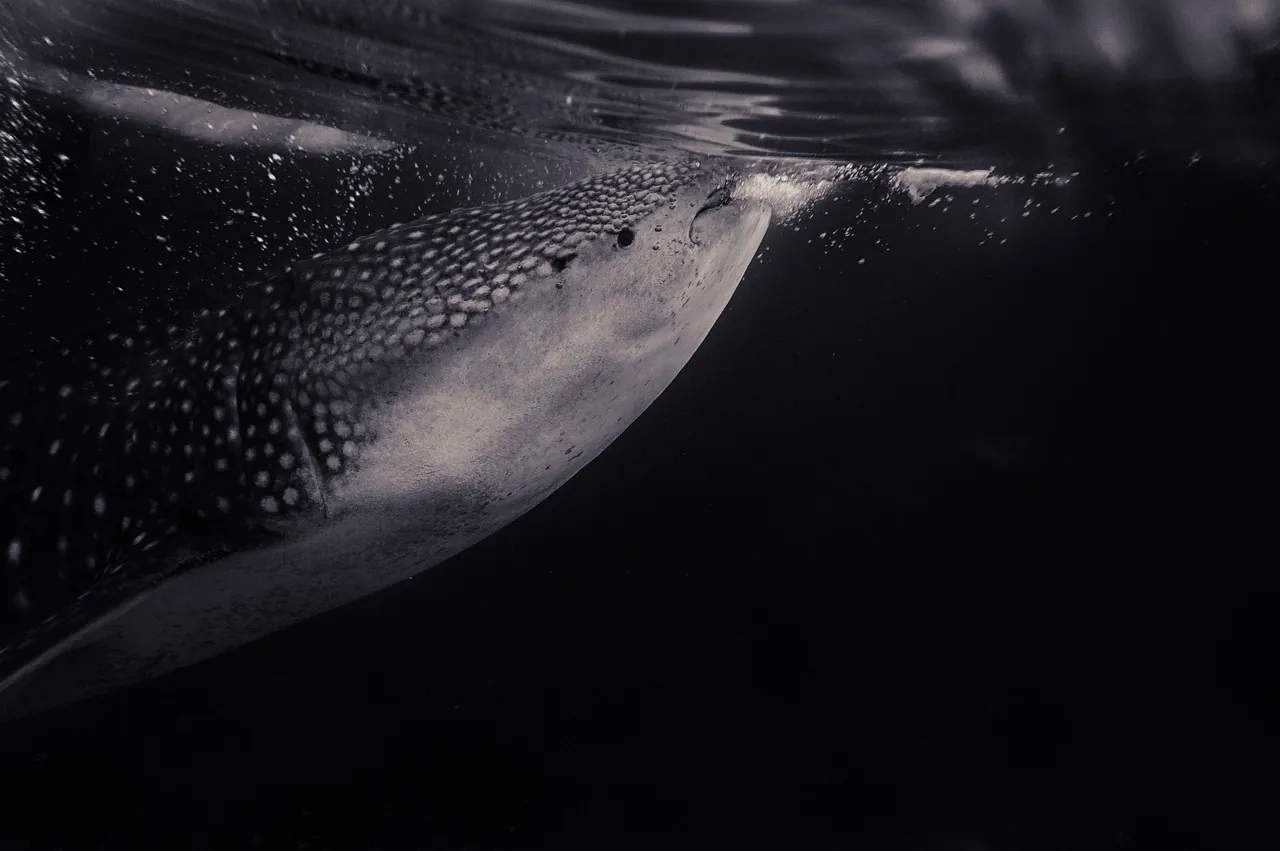
Common octopus, morays and sea hares are regular encounters from spring through autumn, especially in the cracks, holes and rocky folds where a slow, observant dive pays off. Groupers appear occasionally, as do amberjacks and shoals of fish, while rays are possible rather than dependable. The sites reward photographers looking into anemone-free rockwork and crevices for small subjects more than those expecting a procession of large animals. Mediterranean monk seals are reported at any time of year, but they remain a rare sighting and should not shape the itinerary. Spring, summer and autumn offer the most consistent period for the ordinary mix of reef fish, octopus and morays.
May, June, September and October make the most sensible months for a Kuşadası diving holiday. The local season generally runs from spring into autumn, with visibility usually strongest between May and October and a 5 mm wetsuit serving as a practical all-round choice. July and August bring regular boat operations, but also more holiday traffic, cruise excursions and crowded coastal sites. Spring and early autumn are calmer choices for divers who want less competition at the harbour and underwater. December, January and February are poor choices for a diving-led visit, while late-season water may call for more insulation than high summer.
Beginners can use the shallow reefs and bays, provided the day’s itinerary is genuinely introductory rather than a deeper boat trip presented under the same general label. Advanced Open Water is useful for the Airbus and other deeper profiles. An wreck qualification is sensible for anyone considering penetration, and cavern or cave training is essential where there is no direct view of the surface. The Airbus is not an appropriate first dive, particularly when visibility is reduced.
From London Heathrow, London Gatwick or Manchester, the usual journey is by air towards the Izmir region, followed by a road transfer to Kuşadası. Allow roughly an hour to an hour and a half for that drive, depending on the arrival point and traffic, with a total journey commonly taking much of a day once a connection is included. Seasonal direct routings may shorten the flight, but they should not be assumed. International ferries link Kuşadası with some Greek islands, though they are regional connections rather than the normal air route from Britain. In town, a central or seafront base may put you within walking distance of some meeting points; elsewhere, use a taxi or the diving operator’s arranged shuttle, after confirming the exact departure place.
Do not book a generic “Kuşadası diving” day without asking whether it is going to Yılancı Burnu, Adakule, a reef or the Airbus. Those names represent very different depths, equipment and expectations. Before accepting the wreck, confirm the planned depth, required certification, gas reserve and likely visibility, since conditions there can be poorer than on the reefs. Treat a dark cavity as a serious overhead environment, not as a picturesque swim-through: daylight, a suitable lamp and the right cavern or cave training matter, and an ordinary torch is not a substitute. Morning departures usually mean less competition from excursion boats. If the Airbus is on the plan, put it early in the holiday and leave the shallow reefs for later days. Keep a no-diving day before flying, especially after deep or repetitive profiles, and confirm the boat meeting point before choosing accommodation.
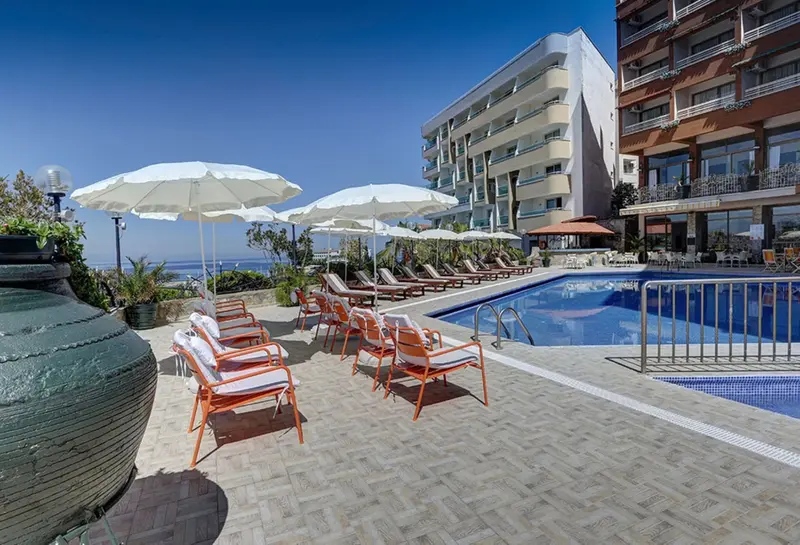
A five- to seven-day stay gives room for several boat days, a weather margin and at least one land-based day. Keep the first part of the holiday for the Airbus or other deeper outings, then use the reefs and bays when you want simpler profiles. Kuşadası works well with a non-diving companion, since Ephesus, the Dilek peninsula, beaches, markets and coastal boat trips fill a day without adding decompression concerns. Central accommodation may be walkable to some departures, but not all boats leave from the same stretch of waterfront.
Hello, I'm Marina, DivingDeal.com's AI assistant. I guide you through destinations, areas and countries.
Thinking about the whole trip and the flights? Talk it over with Edith →
Marina is an AI. Some links are affiliate links: DivingDeal may earn a commission, at no extra cost to you. Bookings are made with the partner.
Plan your Kuşadası diving holiday from spring through autumn, with May, June, September and October offering sensible conditions. Visibility is usually around fifteen to thirty metres from May to October, while a five millimetre wetsuit is a practical choice. July and August bring more boat traffic, and winter is unsuitable for a diving-led visit.
Kuşadası suits beginners on genuinely introductory shallow reefs and bays, but you should confirm the itinerary before booking. The Airbus wreck requires deeper-diving experience, and Advanced Open Water is useful. Anyone considering penetration should have wreck training, while cavern or cave training is essential for overhead environments without a direct view of the surface.
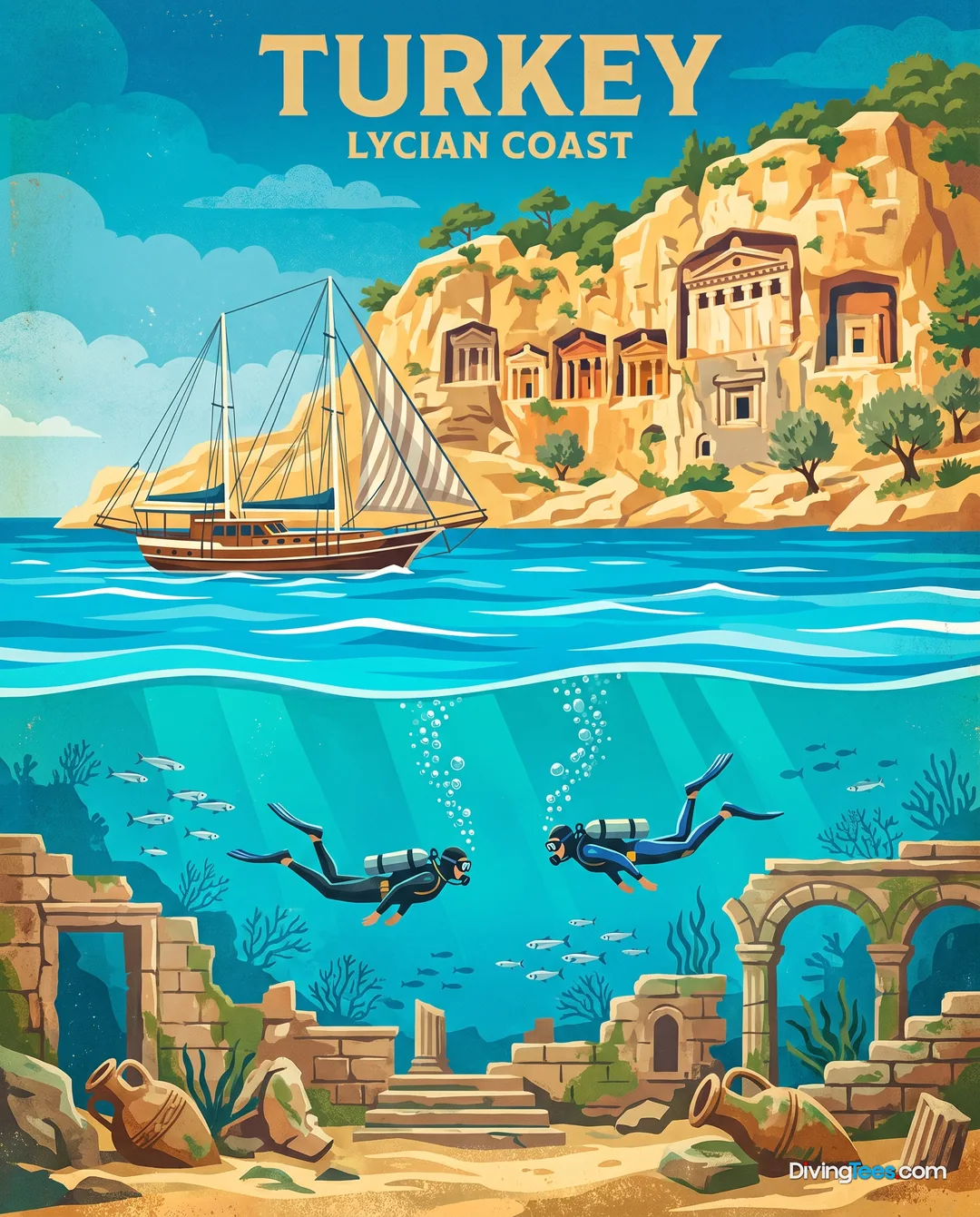
Kuşadası offers rocky reefs, shallow bays, walls, cavities and artificial wreck structure. You can explore the Airbus A300 at around thirty metres, Adakule’s naturally lit caverns and Yılancı Burnu’s gentler coastal sites. Octopus, morays and sea hares are regular encounters from spring through autumn, with groupers, amberjacks and shoaling fish appearing occasionally.
Allow several days in Kuşadası for boat diving, a weather margin and a land-based day. Ask whether each trip visits Yılancı Burnu, Adakule, a reef or the Airbus, since depths and requirements differ. Arrange your deeper outings early, confirm the boat meeting point, and leave time for Ephesus or the Dilek peninsula.