
Al Mahara Diving Center
Google 4.8/5 (417 reviews)
United Arab Emirates · Middle East
Shallow wrecks, sandy Persian Gulf reefs, seagrass beds and protected anchorages shape Abu Dhabi’s boat diving, with visibility that can change by the day.
For subtitles in English: start the video firstthen click the gearat the top right of the video, select “Subtitles/CC”, then “Auto-translate” and choose “English”.
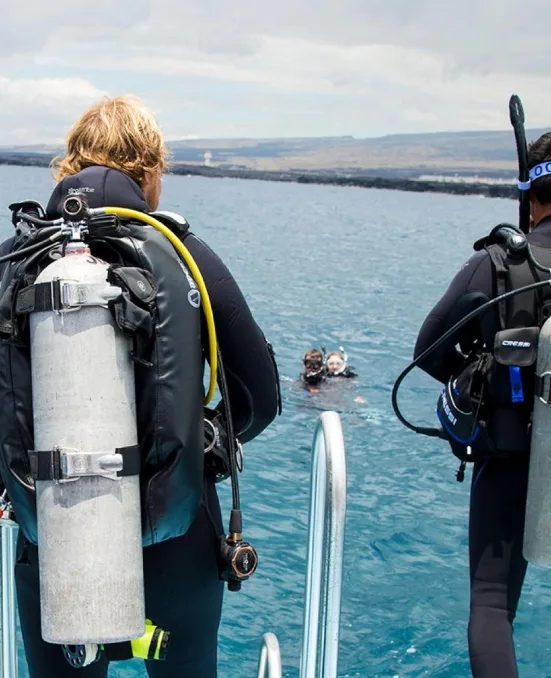
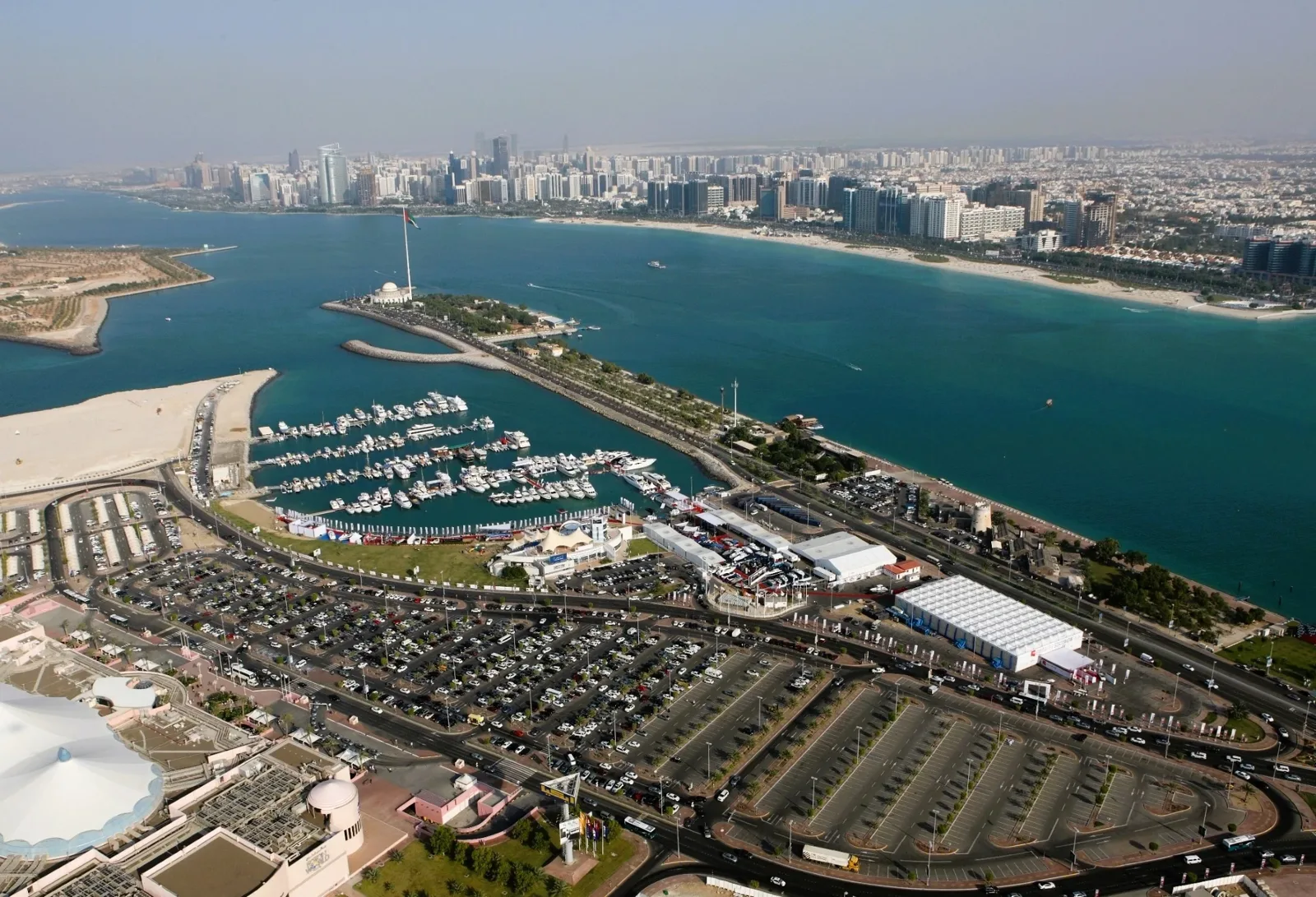
Abu Dhabi is a city-based diving destination where the underwater interest begins with shallow wrecks and continues across Persian Gulf reefs, sandy seabeds and seagrass habitats. Most outings leave by boat, often reaching local sites in under an hour, while some shore diving is possible. It suits a diver who enjoys changing the plan around the day’s visibility rather than expecting clear water every time. The city also makes a practical base for a land stay, with cultural, coastal and nature activities for non-divers.
The local mix is straightforward to understand: boat dives to wrecks and reefs, with documented depths from roughly five to twenty-seven metres. The shallow end can suit newer divers, while deeper wrecks call for suitable experience and, where appropriate, Advanced training or a wreck qualification. Currents are usually limited, but they can become more noticeable around spring tides and the full moon. Visibility is the main variable. Five to fifteen metres is a realistic working range, and sediment, stirred sand, dredging and coastal construction can reduce it sharply. That makes this a destination where the skipper’s alternative site matters. Ask before boarding whether the plan is a wreck or reef, and expect a day’s diving to involve a boat ride, a descent over a silty bottom, and a safety stop rather than a long, clear-water drift dive.
Abu Dhabi’s underwater character comes from its habitats rather than a dependable seasonal wildlife spectacle. Around the reefs, wrecks and seagrass beds, the scene changes with the balance between shelter, sand and suspended sediment. Ras Ghanadah, Saadiyat, Marawah and Al Yasat add protected coastal settings where reef and seagrass habitat are given greater physical protection. The practical point for divers is to look closely and move carefully: contact with wildlife and habitats is forbidden in protected areas, as is collecting shells, coral or other natural material. There is no reason to plan the trip around a particular seasonal species. Plan it around the clearest available water and the type of terrain you want to explore.
October to May is the most comfortable period for Abu Dhabi’s boat diving and usually offers the clearest conditions. Visibility remains changeable because sediment, wave action, dredging and coastal construction can affect the water at any time, but this is the window in which conditions are generally more favourable. There is no fixed long season that closes the destination, so summer is not automatically impossible. It is simply harder to justify building a trip around guaranteed underwater clarity. A stay between October and May gives several chances to move from a reef to a wreck, or to use a sheltered alternative when the first plan is affected by the sea.
Abu Dhabi can work for all levels, provided the site matches the diver rather than the other way round. Shallow reefs and wrecks offer sensible training ground for beginners, while sites approaching twenty-seven metres require appropriate depth experience. A PADI, SSI or BSAC diver should check the planned profile before departure. For wreck penetration or more demanding wreck work, a Wreck qualification is useful, and Advanced training is relevant where the depth exceeds initial training limits. Spring tides and the full moon deserve extra attention if current-sensitive diving is not yet familiar.
From London Heathrow, London Gatwick or Manchester, fly to Abu Dhabi and then continue by road to the dive centre or departure harbour. There is no structural need for an internal flight or ferry to reach the emirate’s local diving. Once in Abu Dhabi, allow time for the transfer rather than assuming the centre will be within walking distance of your accommodation. A taxi or arranged transfer is normally the practical way to reach the centre or port. The boat journey to local sites is generally under an hour, depending on the chosen site, sea conditions and maritime permissions. Remote areas such as Marawah and Al Yasat are not extensions of a city-centre shore dive.
Build in more than one diving day. Visibility can change quickly when sediment is stirred, or when dredging and coastal works affect a planned site, so a spare morning is worth more than a single fixed, non-refundable dive before a flight or another appointment. Ask whether the outing is for a wreck or a reef, and what depth is planned. The difference matters here, from shallow sites to profiles around twenty-seven metres. Morning departures may help when the centre recommends them, as sea conditions and suspended sediment can worsen later in the day. Treat spring tides and the full moon as periods when current may be more noticeable. In protected waters, check that the boat uses a designated mooring buoy, never an anchor. Carry a dive flag when required for a shore or boat outing, and bring thermal protection suited to the season rather than assuming one suit works year-round. Do not expect constant high-seas visibility, and do not collect shells or coral.
A four- to seven-day land stay gives room for several boat outings and for a change of site when visibility or sea conditions interfere. Accommodation and dive centres are spread around Abu Dhabi, so organise taxi or arranged transfers rather than relying on walking. Non-divers have plenty to fill the day with museums, heritage areas, beaches, waterfront walks, mangroves and nature trips. Keep the final day for land-based activities rather than diving before a flight, and use spare time to explore the city or nearby coastal areas.
Hello, I'm Marina, DivingDeal.com's AI assistant. I guide you through destinations, areas and countries.
Thinking about the whole trip and the flights? Talk it over with Edith →
Marina is an AI. Some links are affiliate links: DivingDeal may earn a commission, at no extra cost to you. Bookings are made with the partner.
Plan to visit Abu Dhabi between October and May, the period generally associated with more comfortable boat diving and clearer conditions. Visibility can still change with sediment, wave action, dredging and coastal construction, so you should remain flexible. Summer is possible, but it is harder to build a trip around dependable underwater clarity.
Abu Dhabi can suit beginners on shallow reefs and wrecks, while sites approaching twenty-seven metres require appropriate depth experience. You should check the planned profile before departure, especially for deeper wrecks. Advanced training is relevant where depth exceeds initial training limits, and a Wreck qualification is useful for penetration or more demanding wreck work.
Underwater in Abu Dhabi, you can explore shallow wrecks, Persian Gulf reefs, sandy sediment-prone seabeds and seagrass habitats. Protected coastal settings include Ras Ghanadah, Saadiyat, Marawah and Al Yasat. Expect the scene to vary with shelter, sand and suspended sediment, and look closely while avoiding contact with wildlife or habitats.
For Abu Dhabi, consider a four- to seven-day land stay with more than one diving day, allowing you to change sites when visibility or sea conditions interfere. Arrange a taxi or transfer to the dive centre or harbour, since accommodation and centres are spread around the city. Keep the final day for land activities before flying.