
Manta Ray Bay
Google 4.8/5 (134 reviews)
Micronesia · Pacific
Resident reef manta rays circle shallow cleaning stations above lagoon channels, while outer reefs drop into clear blue water and drift dives follow the tide.
For subtitles in English: start the video firstthen click the gearat the top right of the video, select “Subtitles/CC”, then “Auto-translate” and choose “English”.
Yap is for divers who want reef manta rays as the main event, but do not want every dive reduced to a single animal encounter. The resident mantas return to shallow cleaning stations throughout the year, while channels, lagoon reefs, walls and outer reefs add current, depth and open-water scale. Nearly all diving is from boats, so the island suits travellers happy to build their days around departures, tides and sea conditions rather than shore entries.
The diving ranges from shallow manta cleaning stations to channels, lagoon reefs, walls and outer reefs. Many reefs sit between 5 and 40 metres, with the outer sites offering the clearest blue-water scenery and, at times, gentler currents than the channels. Current is the variable that shapes the dive. A channel may feel calm, then accelerate with the tide, while an outer reef can become a proper drift dive. Guides who know the local counter-currents matter, especially when a downcurrent develops along a wall. Visibility is often above 30 metres and can reach 45 metres or more, although swell, current and channel conditions can reduce it. Plan on boat diving, with nearby sites only minutes from the harbour and outer reefs requiring much longer runs.
Reef manta rays are Yap's defining encounter. They are resident, so the shallow cleaning stations remain worthwhile outside the main seasonal window, with repeated visits possible throughout the year. From December to April, several animals and courtship behaviour are more often seen, giving photographers a better chance of prolonged encounters rather than a brief pass. The same dives can bring eagle rays, reef sharks and marine turtles, although these are occasional rather than the reliable headline. At the cleaning stations, the action is close and relatively shallow, making it possible to watch a manta circle, settle into position and return over the reef. Outer reefs shift the emphasis towards blue water, walls and moving current, rather than the concentrated manta encounters of the channels.
December to April is the clearest choice when mantas are the priority. It is generally drier, visibility is often at its best, and breeding activity makes multiple encounters more likely. June to October brings calmer winds, which can open the way to more exposed outer reefs and longer boat runs. May and November sit within the wetter, more unsettled part of the rainy season, when sea conditions may close off the farther sites. That does not remove the mantas from the itinerary: they use the cleaning stations year-round. The practical answer is to match the months to the dive you want, not to treat manta season as the only reason to visit.
Yap works for a range of divers, provided the boat routine and open-water setting are comfortable. Shallow cleaning stations suit less experienced divers, but channels can carry light or moderate flow and become fast with the tide. Advanced training is useful for deeper reefs and channel work, while drift-dive training is directly relevant to walls and outer reefs. Divers arriving through BSAC, PADI or SSI systems should be ready to manage current, hold a safety stop in moving water and follow a guide's positioning advice.
From London Heathrow, Gatwick or Manchester, reach Yap by air through Guam or another Micronesian hub. There is no ferry leg to organise for the dive area, but the routing depends on regional connections, so allow time for schedules to line up and check each onward sector before booking around it. Once on Yap, the diving is based near Colonia, where centres and accommodation sit close to the boats. Nearby sites may be only minutes from the harbour, whereas outer reefs can take more than an hour by boat. The transport pattern is therefore simple once landed, but the long-haul and regional connections need careful planning from Britain.
Keep the itinerary flexible. A short trip built around one boat day is a poor fit for Yap, because wind or sea state can remove the outer reefs from the programme. Book enough diving days to absorb a missed run, and leave room for the longer boat journeys rather than assuming every site is close to Colonia. For channel dives, ask about the tide and the expected counter-current before entering. Treat a calm briefing as a snapshot, not a guarantee that the exit will be calm too. Do not book Yap expecting a shore-diving holiday: the channels and outer reefs need a boat. Photographers should give priority to the shallow cleaning stations, which are used year-round and allow close encounters. Keep the final day for villages, stone money and mangroves, rather than a distant boat trip before flying.
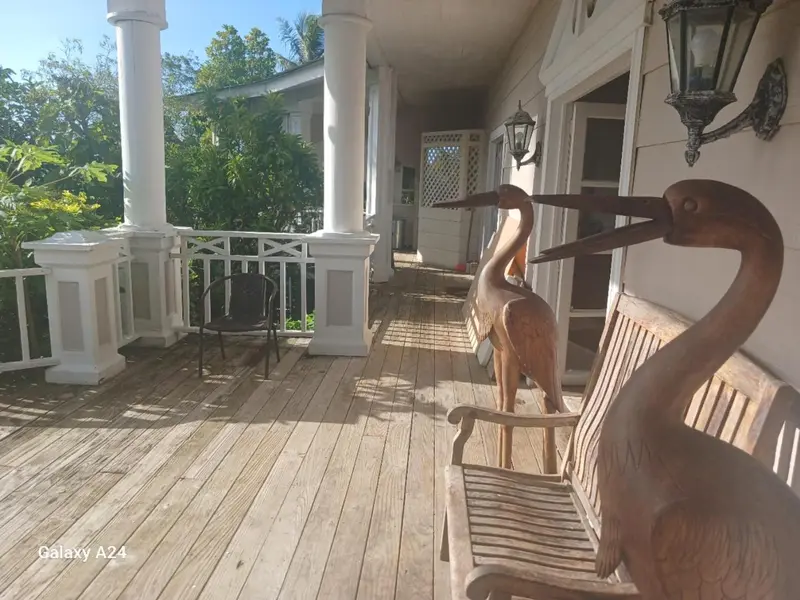
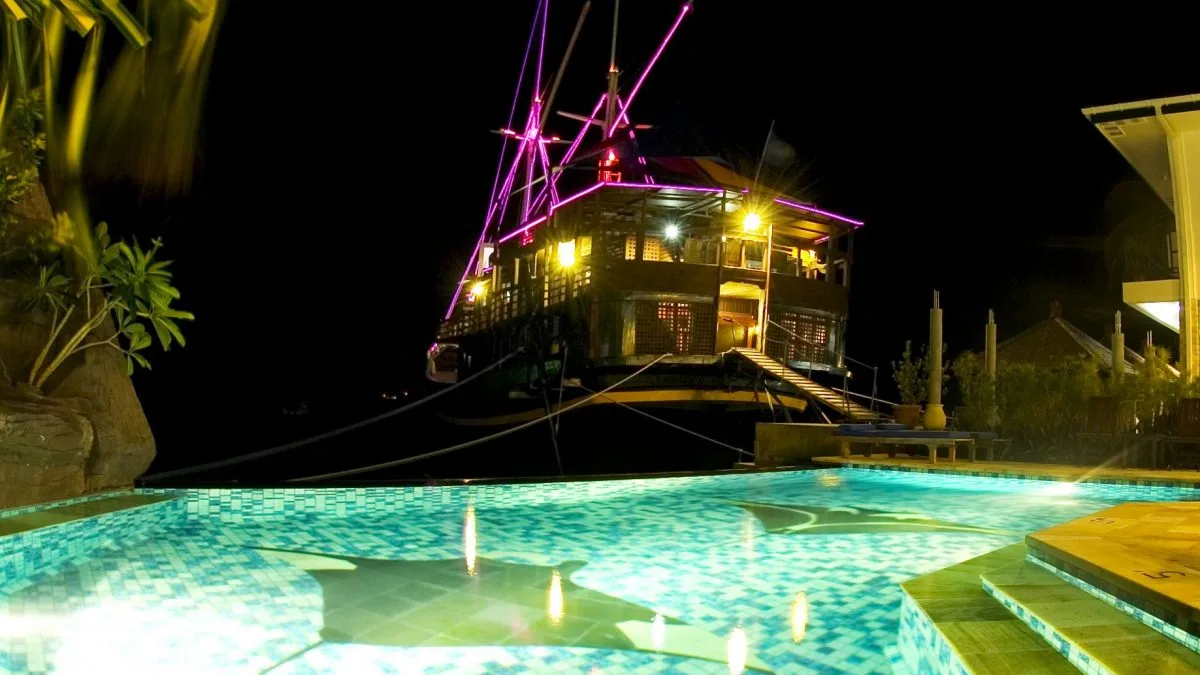
Yap is organised as a shore-based diving holiday, with daily boat trips from accommodation and centres near Colonia. Some complexes have the boats moored beside the rooms, which keeps early departures straightforward. Use the stay to alternate nearby manta stations with longer runs to channels and outer reefs, leaving spare days when weather may interrupt the programme. Non-divers can join limited cultural and lagoon activities, but Yap is not a fully developed beach resort destination.
Hello, I'm Marina, DivingDeal.com's AI assistant. I guide you through destinations, areas and countries.
Thinking about the whole trip and the flights? Talk it over with Edith →
Marina is an AI. Some links are affiliate links: DivingDeal may earn a commission, at no extra cost to you. Bookings are made with the partner.
Visit Yap from December to April if manta encounters are your priority. Several mantas and courtship behaviour are more often seen then, with generally drier conditions and frequently strong visibility. Mantas use the shallow cleaning stations throughout the year, while June to October can offer calmer winds for exposed outer reefs and longer boat runs.
Yap suits divers with different experience levels, provided you are comfortable with boat diving and open water. Shallow manta cleaning stations suit less experienced divers, while channels may carry light or moderate flow and accelerate with the tide. Drift-dive training helps on walls and outer reefs, and advanced training supports deeper reef and channel dives.
Yap is centred on resident reef manta rays circling shallow cleaning stations, where repeated close encounters are possible throughout the year. From December to April, multiple mantas and courtship behaviour are more often seen. Channels, lagoon reefs, walls and outer reefs add eagle rays, reef sharks, turtles, blue-water scenery and drift diving.
Plan a shore-based stay near Colonia and expect daily boat trips rather than shore diving. Build flexibility into your itinerary because wind, sea state and tides can affect outer reefs and channels. Allow time for regional flight connections, include spare diving days, and leave the final day for villages, stone money and mangroves.