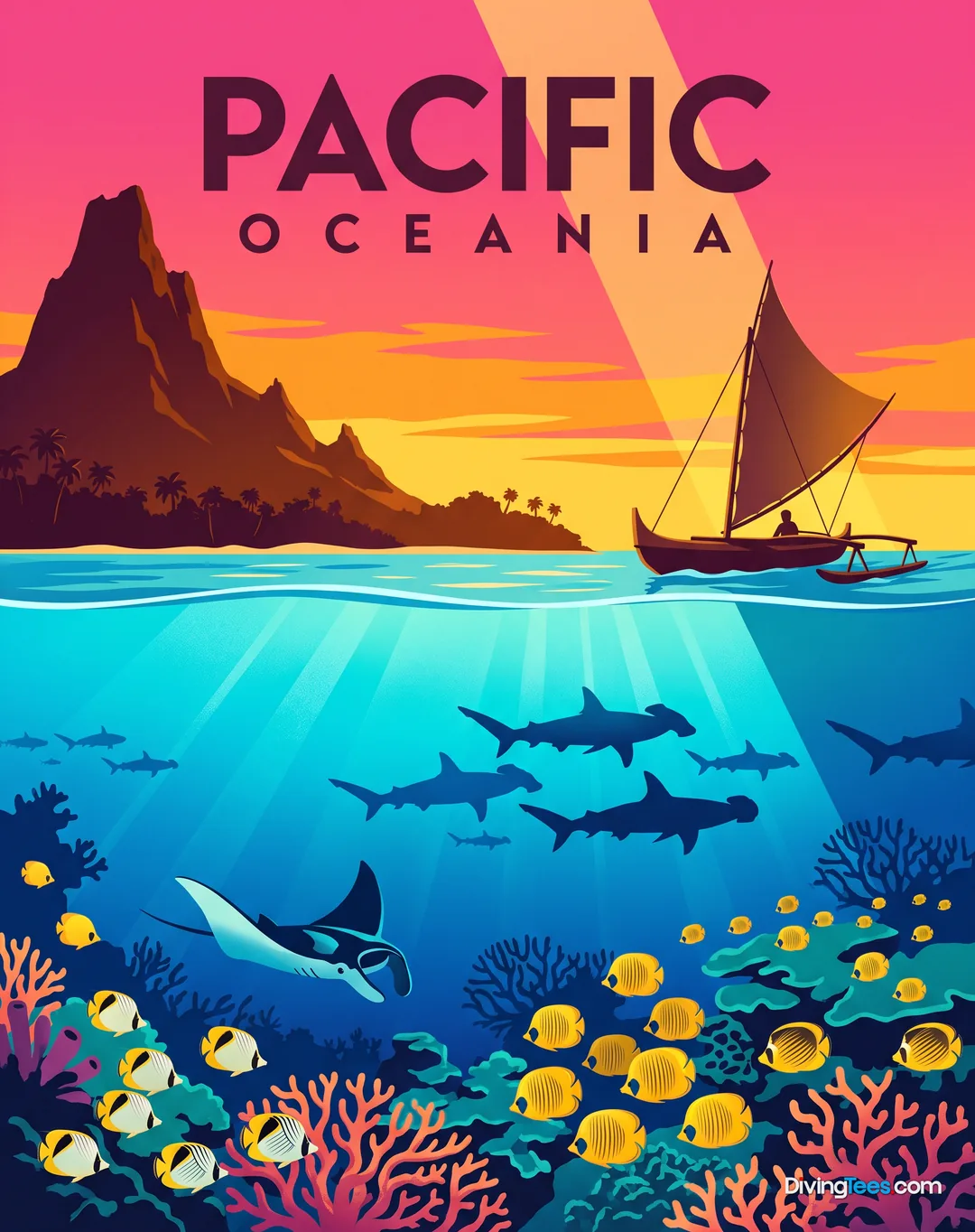
Pacific
Vanuatu: wrecks, blue holes and island traditions
From Port Vila’s reefs to Santo’s SS President Coolidge, Vanuatu joins wartime wrecks, village life and forest blue holes in one island journey.
What makes this country unique
- Efate diving beside Port Vila’s cosmopolitan waterfront
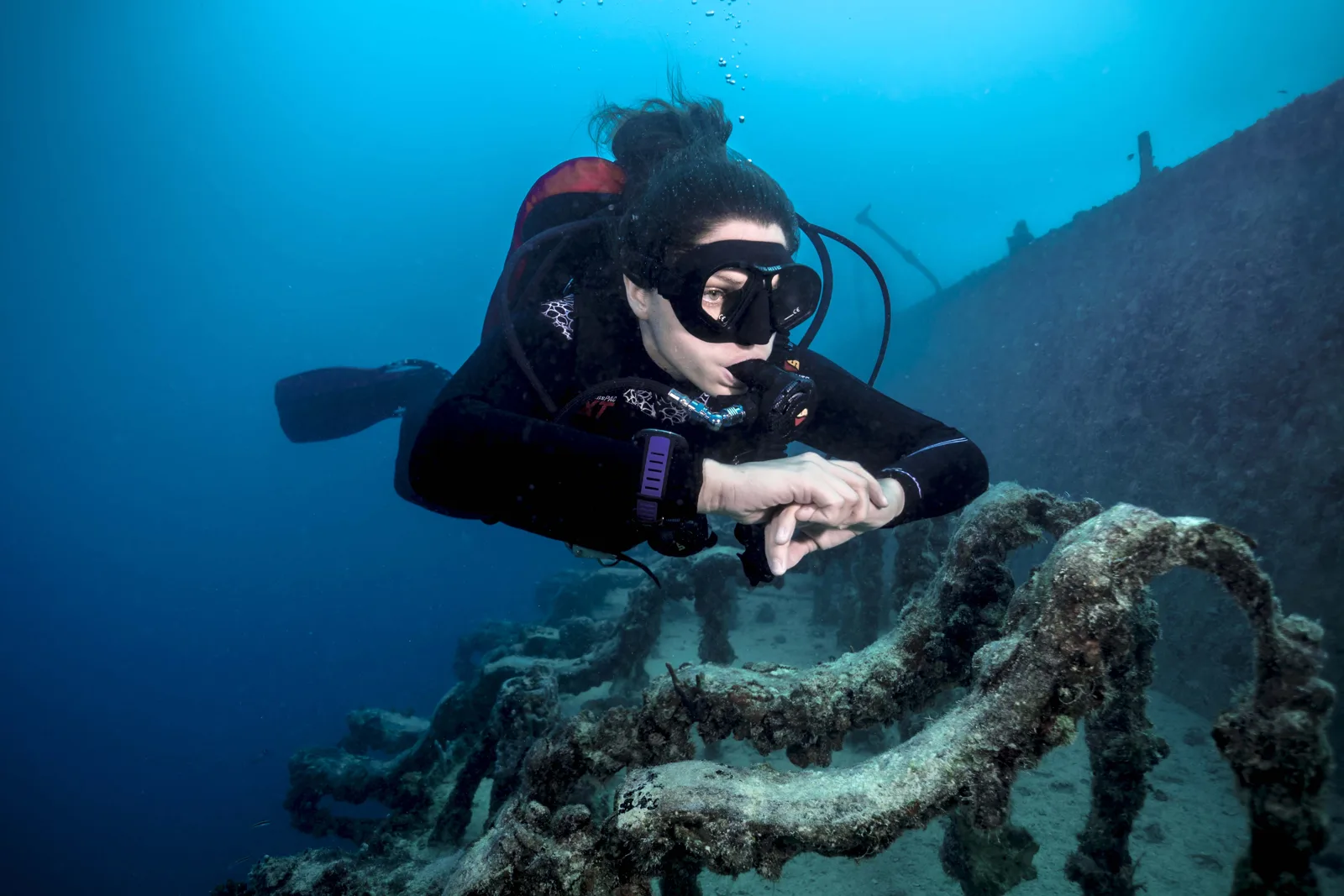
- Espiritu Santo and the SS President Coolidge
- January through April for both principal islands
- Efate’s nudibranchs, morays and reef fish
- Laplap cooked slowly in a traditional earth oven
- Luganville markets and Santo beef
- Kava quietly served in Port Vila nakamal
For subtitles in English: start the video firstthen click the gearat the top right of the video, select “Subtitles/CC”, then “Auto-translate” and choose “English”.
This country for a diver
Vanuatu gives a diver a compact meeting point between Fiji and New Caledonia, but its identity is distinctly Melanesian. Efate brings Port Vila, fringing reefs and a cosmopolitan shore life, while Espiritu Santo ties diving to Luganville, wartime history and rural island landscapes. Across the country, underwater days can sit alongside World War II heritage, customary villages and food cooked in earth ovens. The contrast is unusually tight: a luxury liner such as the SS President Coolidge belongs to the same national story as markets, kava and forest blue holes.
How the country divides
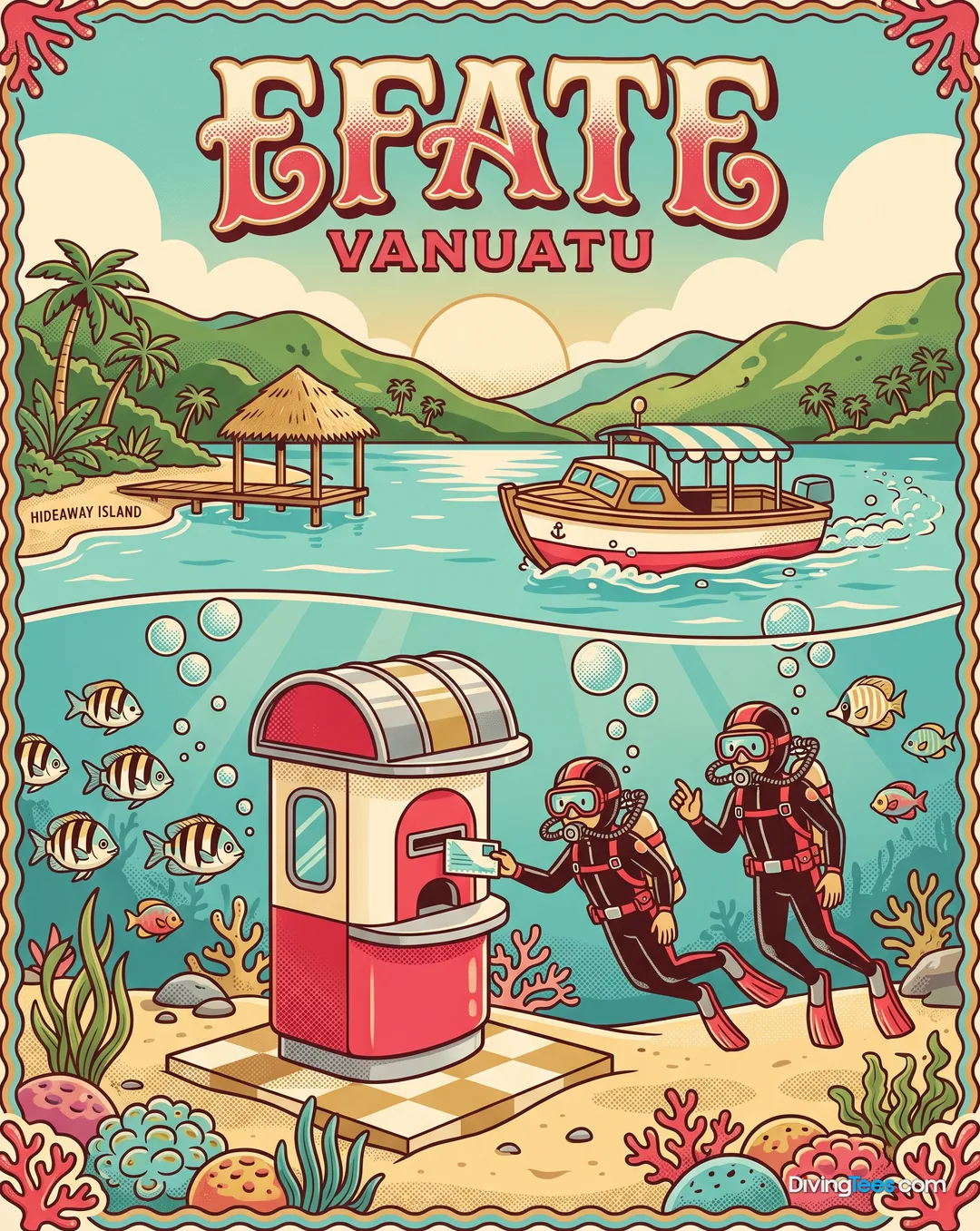
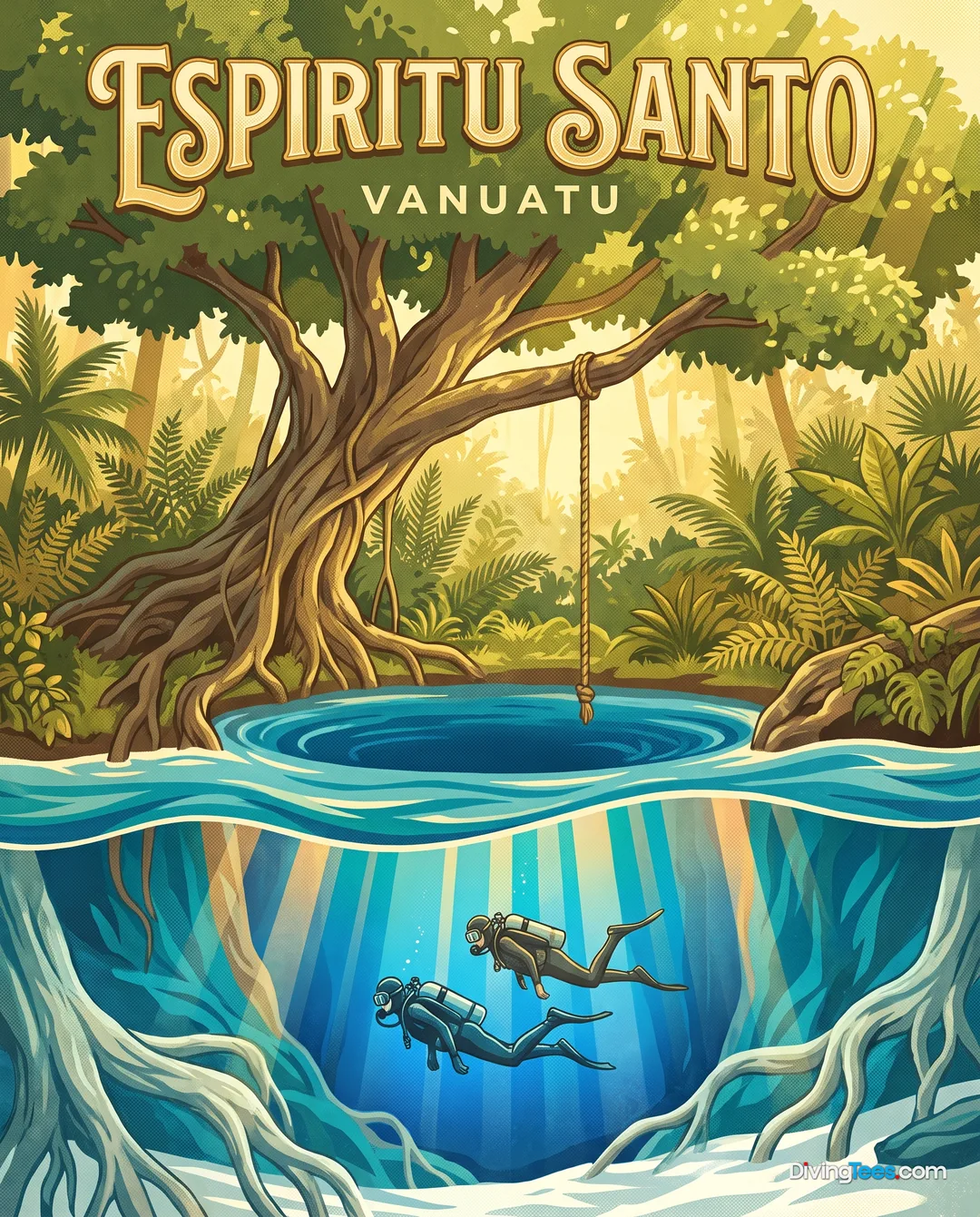
Vanuatu’s diving divides naturally between Efate and Espiritu Santo, rather than into interchangeable coastal resorts. Efate is the choice for a stay built around Port Vila: reefs such as Twin Bommies and The Cathedral sit close to the capital, with restaurants, cafés, markets and transport arranged around an urban base. It suits divers who want shore culture and practical variety alongside boat diving. Espiritu Santo is more deliberately island-based, centred on Luganville and the wartime landscape of the coast. Its defining historical draw is the SS President Coolidge, with Million Dollar Point extending that story into a field of submerged military equipment. Santo also suits travellers who want blue holes, beaches and village excursions between dives, accepting longer road journeys and a quieter evening scene. Choosing between them is therefore less about ranking reefs than deciding whether Port Vila’s mixed urban life or Santo’s history-and-landscape combination should shape the trip.
Diving destinations
Dive centres


Hotels
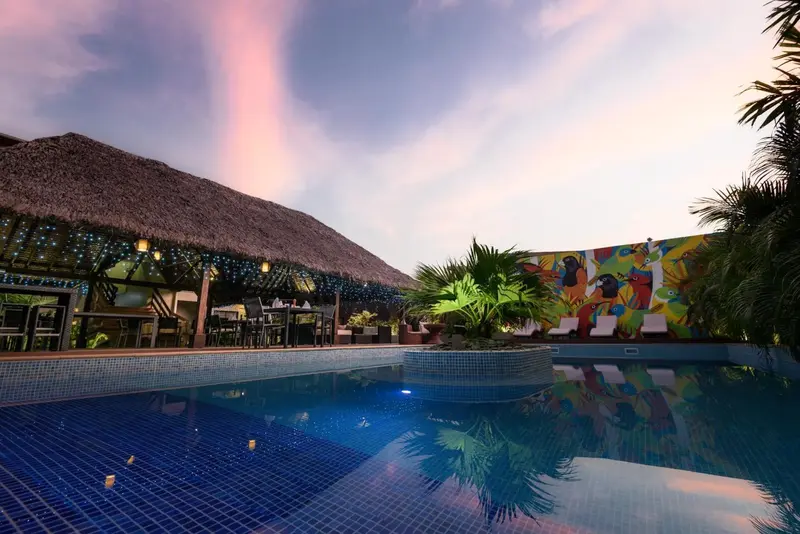
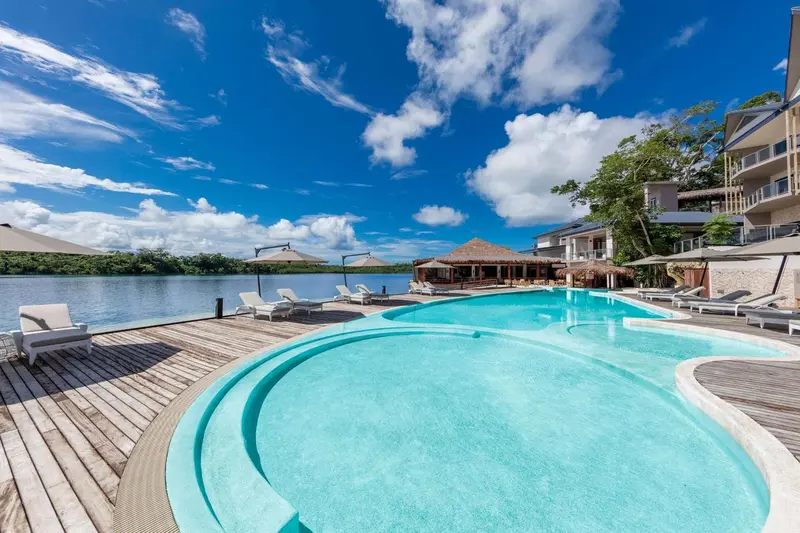
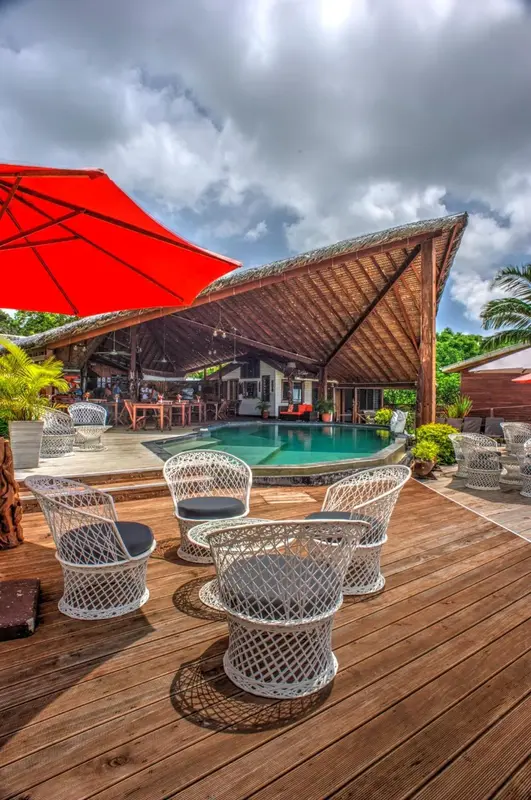
When to go, and where by month
Efate is open throughout the year, so January, February, March and April can support a country pairing with Espiritu Santo. Santo’s season runs from November through April, making those four early-year months, plus November and December, the useful overlap for a two-island itinerary. From May to October, the calendar points to Efate alone, while Santo’s diving window is closed. There is no opposite-season arrangement between the islands: Efate remains the steady option, and Santo adds a defined seasonal window. In practical terms, January to April offers the broadest choice between the two area pages; May to October favours a simpler Efate stay; November and December reopen the pairing before the year turns. The distinction matters for an expensive long-haul journey from Britain, because shifting the month changes whether a flight to Luganville adds a second diving base or merely complicates the itinerary.
Marine life, coast by coast
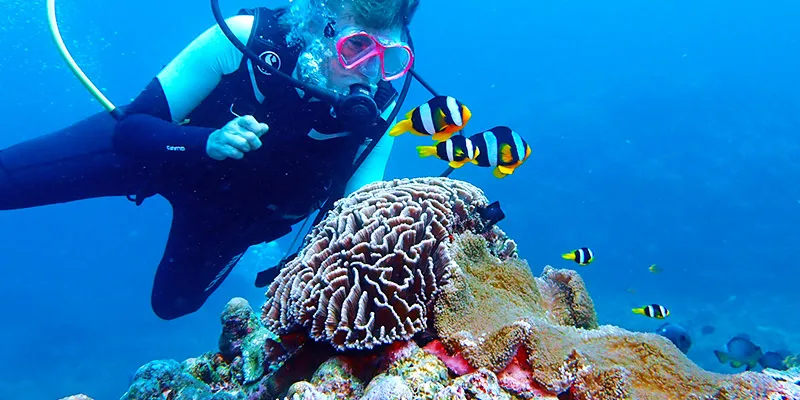
The wildlife picture is not uniform across the country’s diving areas. Efate is the area specifically associated with the marine life named here: shrimp, lobster, morays, nudibranchs, scorpionfish and reef fish. For a diver, that is a useful shift in expectation from a trip defined chiefly by large historical wrecks. Efate’s appeal lies partly in the small and well-camouflaged life that rewards a slow inspection of the reef, with nudibranchs and scorpionfish offering the sort of detail easily missed on a hurried profile. Espiritu Santo changes the emphasis of an itinerary through its wreck heritage and freshwater landscapes rather than through a comparable wildlife brief. Planning the islands separately therefore helps set the right balance between close observation around Efate and the broader historical character of Santo.
Getting between the areas
Efate and Espiritu Santo are separated by 256 kilometres, so moving between them is an air transfer rather than a practical day excursion. The flight between Port Vila and Luganville takes about an hour, but the connection still needs to be treated as part of the holiday rather than a loose change of resort. A two-week plan can sensibly give Efate several days, then Santo five or six days, with the journey built into the sequence. Adding Tanna or Pentecost is possible, but the transfers and flights take at least two full days and reduce time underwater. More remote island chains are a poor fit for a tightly packed itinerary because infrequent schedules and waiting time can take over. Within Santo, the road network and local boats create a separate layer of planning for blue holes, beaches and Malo Island.
Take off your mask
Port Vila’s waterfront and central streets give Vanuatu its most cosmopolitan face. Restaurants and cafés draw on French, Vietnamese, Chinese, Japanese, Italian, Mexican and Thai cooking, while Haos Blong Handicraft Market at Feiawa Park and Mahitahi Handicraft Market House sell pandanus work, shells and carved wood. The Vanuatu Cultural Centre offers tamtam, masks, ceremonial objects and the country’s customary history; Independence Park and the waterfront provide an easier town walk. In Luganville, the South Pacific WWII Museum places Santo’s American wartime past in context, and Luganville Market combines produce with grilled skewers, fresh coconut and taro cakes. Local food is more earthy than the restaurant menus suggest. Laplap uses grated manioc, taro or plantain with coconut milk, while tuluk wraps manioc around seasoned meat. Simboro, grilled fish and Santo beef appear in markets, guesthouses and waterfront restaurants. Kava is served quietly in nakamal in the evening; fresh coconut, Tusker and coffee from Tanna or Santo are more straightforward refreshments.
What holds true everywhere here
Vanuatu is an archipelago where transfers shape the holiday from the outset. Port Vila and Luganville are the practical hinges: domestic flights connect them with each other and with smaller islands, while a small provincial tax is collected at the main airports. On the ground, Efate relies on minibuses, taxis and hotel-arranged vehicles; Santo needs more deliberate planning for the coast, blue holes and beaches. Main roads can be serviceable while secondary tracks deteriorate after rain, and driving is on the left with limited lighting outside built-up areas. Schedules to outer islands are less flexible than the principal air route, so an itinerary crossing several islands can become dominated by waiting. Even everyday planning has a local rhythm: markets may operate on particular days, shops are limited in villages, and a greeting such as “halo gudmoning” opens conversations more naturally than a hurried request.
Frequently asked questions about Vanuatu
When should you choose Vanuatu for diving?
Choose Vanuatu between January and April if you want to include diving around both Efate and Espiritu Santo in your journey. This period is specifically highlighted for the two principal islands, making it a useful seasonal guide when planning an itinerary that combines Port Vila reefs with the SS President Coolidge.
What marine life can you look for around Vanuatu?
Around Efate, you can look for shrimp, lobster, morays, nudibranchs, scorpionfish and reef fish. The diving rewards slow inspection of the reef, since nudibranchs and scorpionfish can be well camouflaged. Efate therefore suits you if you enjoy searching for small, detailed marine life rather than focusing only on large wrecks.
What can you see while diving and exploring Vanuatu?
Vanuatu combines Efate’s reefs and marine life with Espiritu Santo’s wartime wreck heritage, including the SS President Coolidge. Away from the water, Santo offers freshwater forest blue holes, Luganville markets and Santo beef, while Port Vila adds village life, laplap and quietly served kava at a nakamal.
How should you plan a diving stay in Vanuatu?
Plan Efate and Espiritu Santo as distinct parts of your stay so each island’s character shapes your expectations. Base time around Port Vila for Efate’s reef inspection and cosmopolitan waterfront, then include Santo for the SS President Coolidge, wreck heritage and freshwater landscapes, with local food and markets adding context.