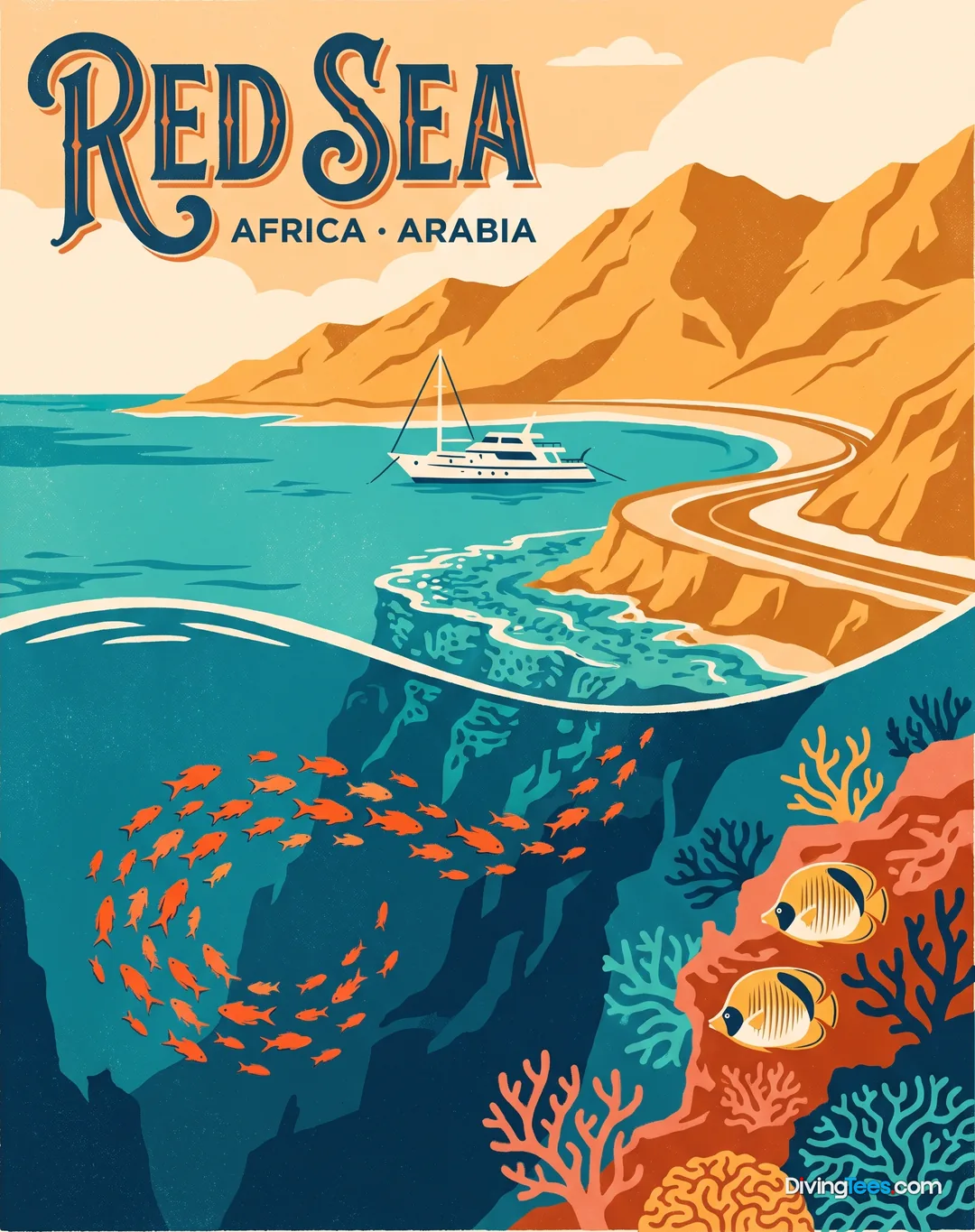
Red Sea
Egypt: a Red Sea country of contrasts
Egypt pairs Red Sea reefs with Karnak, Khan el-Khalili and the desert landscapes around Dahab and El Quseir for a markedly varied journey.
What makes this country unique
- June to November on the central and southern Red Sea
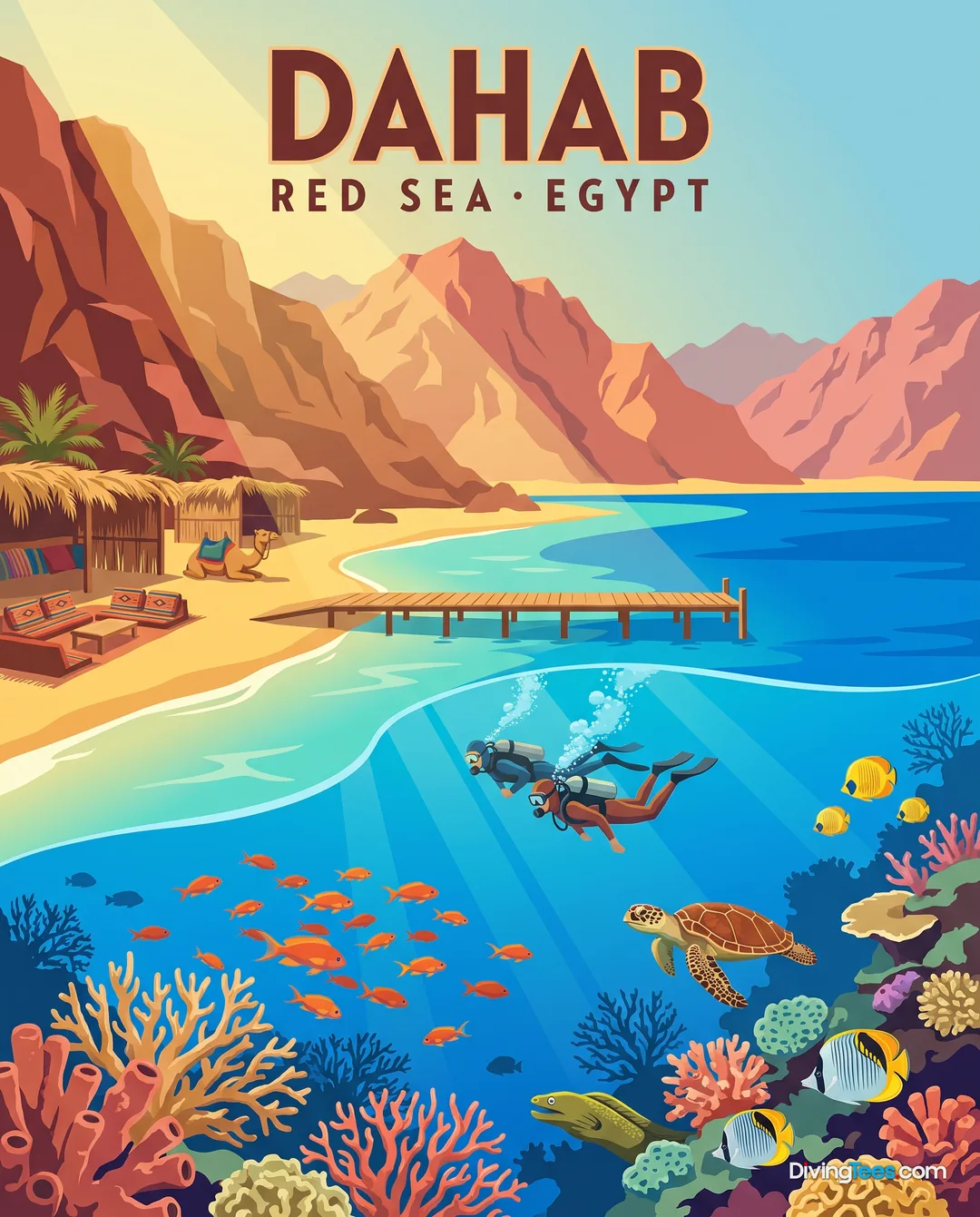
- Dahab’s Canyon and Lighthouse shore entries
- Sharks around Brothers Islands and Daedalus Reef
- Turtles and dugongs at Abu Dabbab
- Koshari, ful medames and sayadiya
- Karnak and the Valley of the Kings
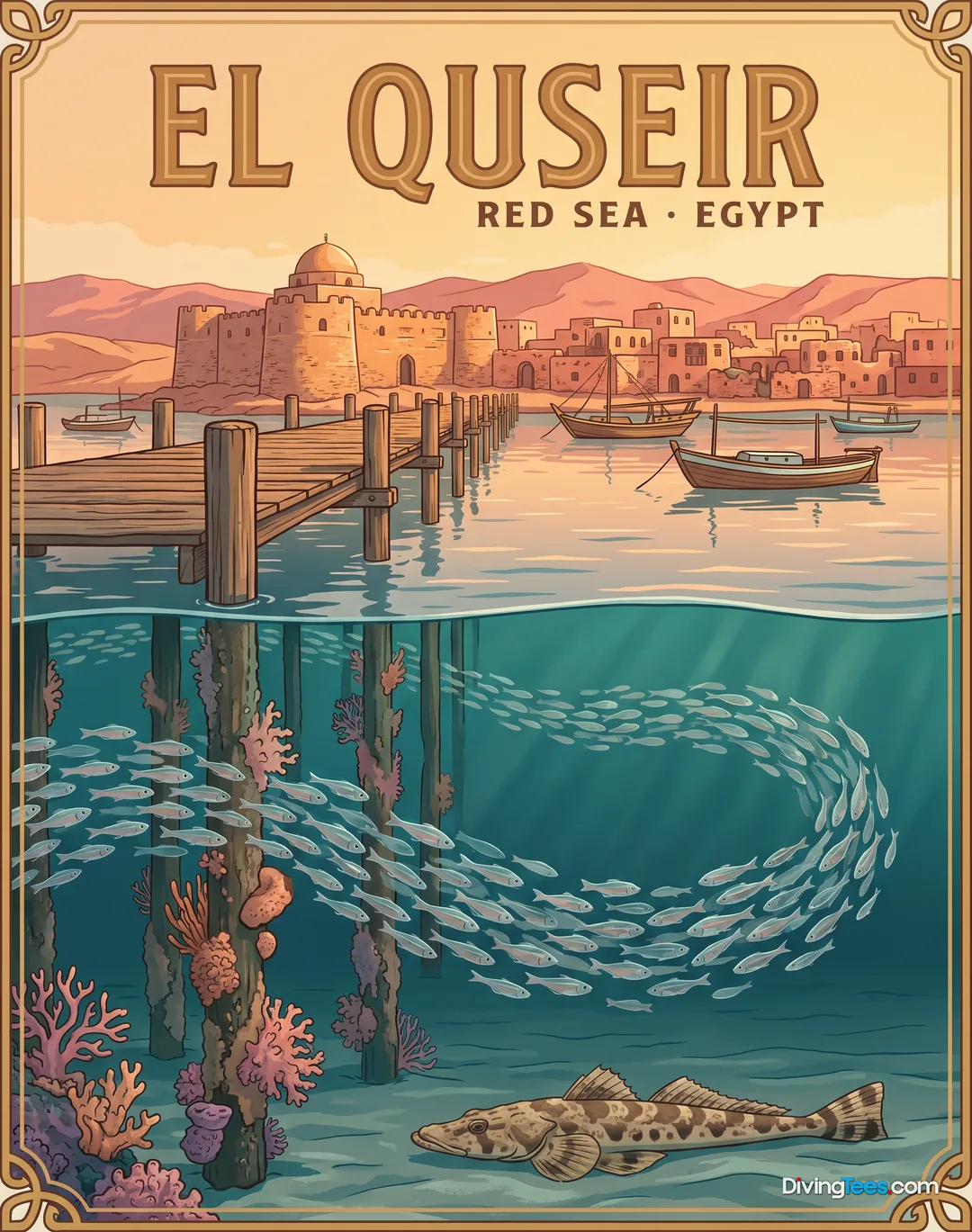
- El Quseir’s Ottoman fort and waterfront
For subtitles in English: start the video firstthen click the gearat the top right of the video, select “Subtitles/CC”, then “Auto-translate” and choose “English”.
This country for a diver
Egypt gives a diver far more than a resort-lined Red Sea coast. Its bases run from the Sinai atmosphere of Dahab and Sharm El Sheikh to the southern seaboard around Marsa Alam and Hamata, while liveaboards reach isolated offshore reefs such as Brothers Islands and Daedalus Reef. Unlike the neighbouring Arabian Peninsula, Egypt puts Karnak, the Valley of the Kings and Abu Simbel within the same national journey. The common thread is established diving infrastructure, a mixture of shore and boat programmes, and logistics that reward choosing one coastal sector carefully.
How the country divides
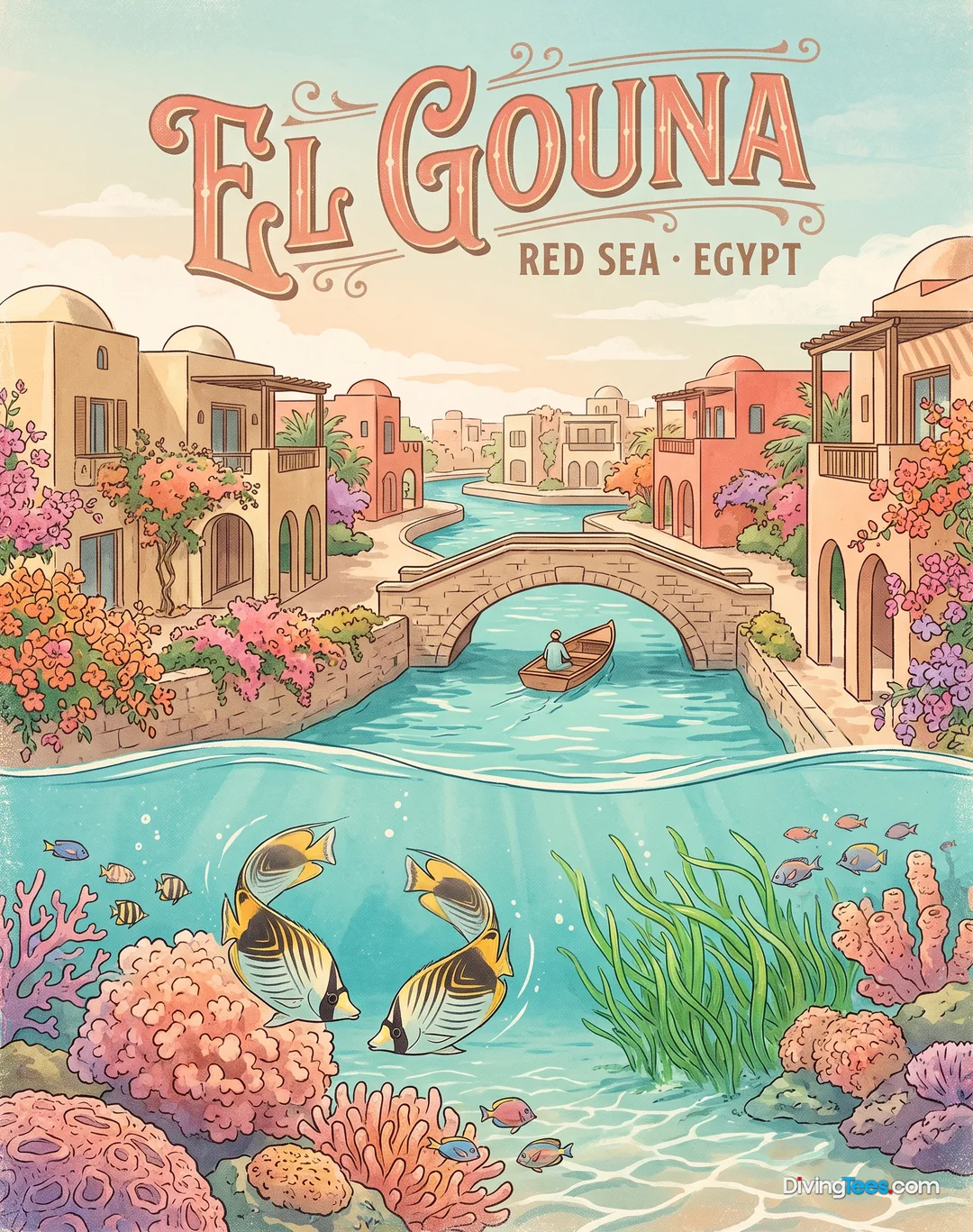
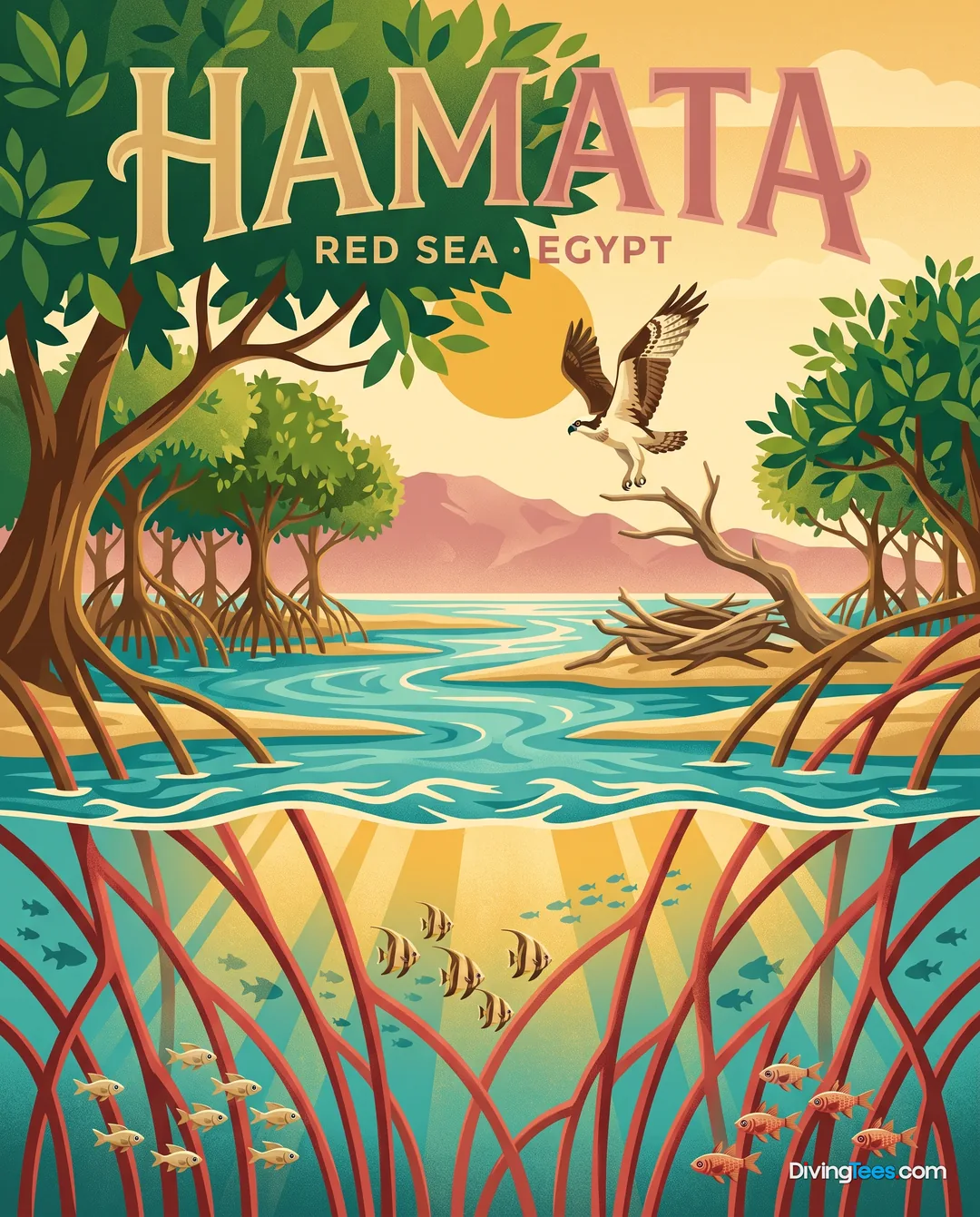
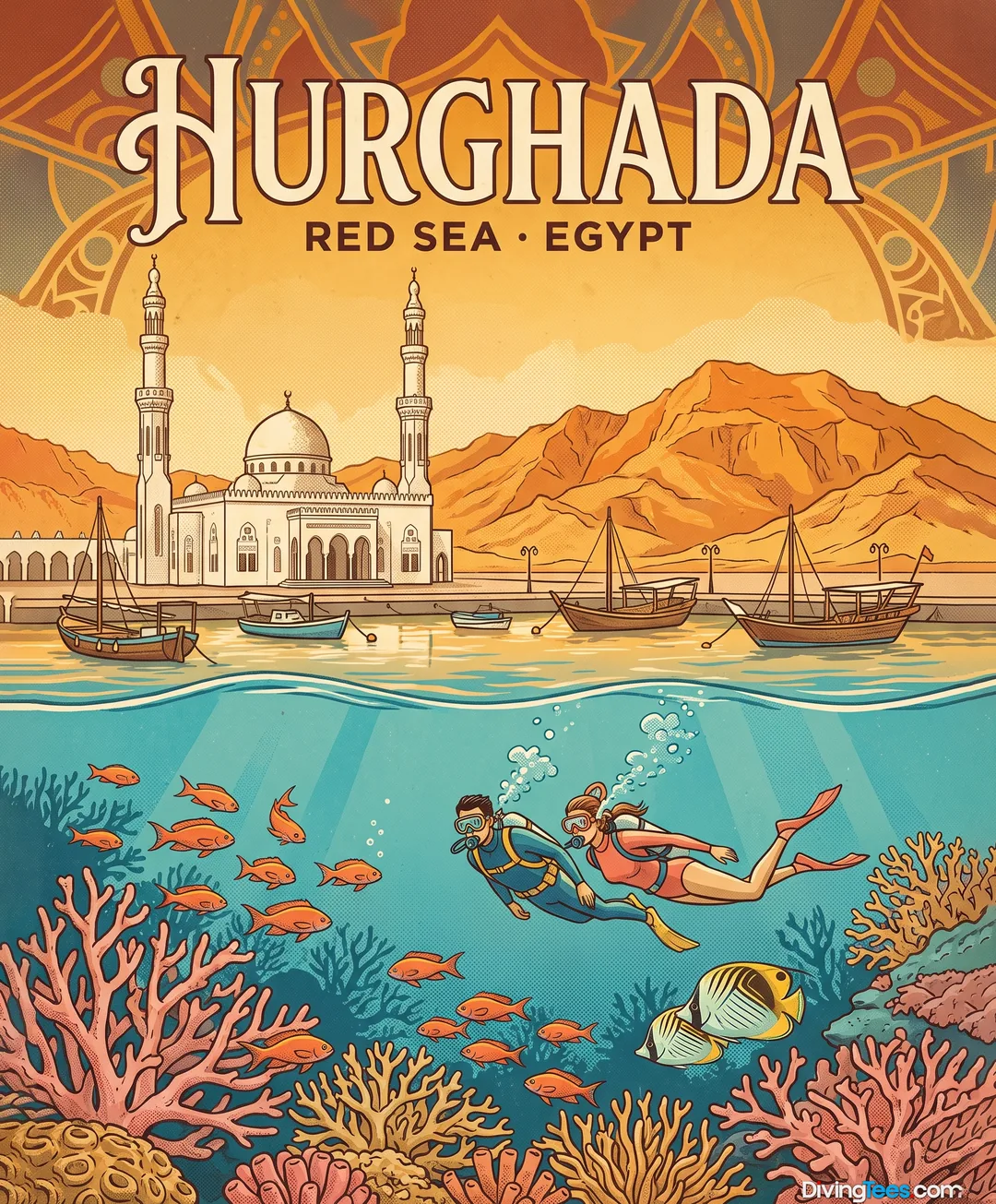
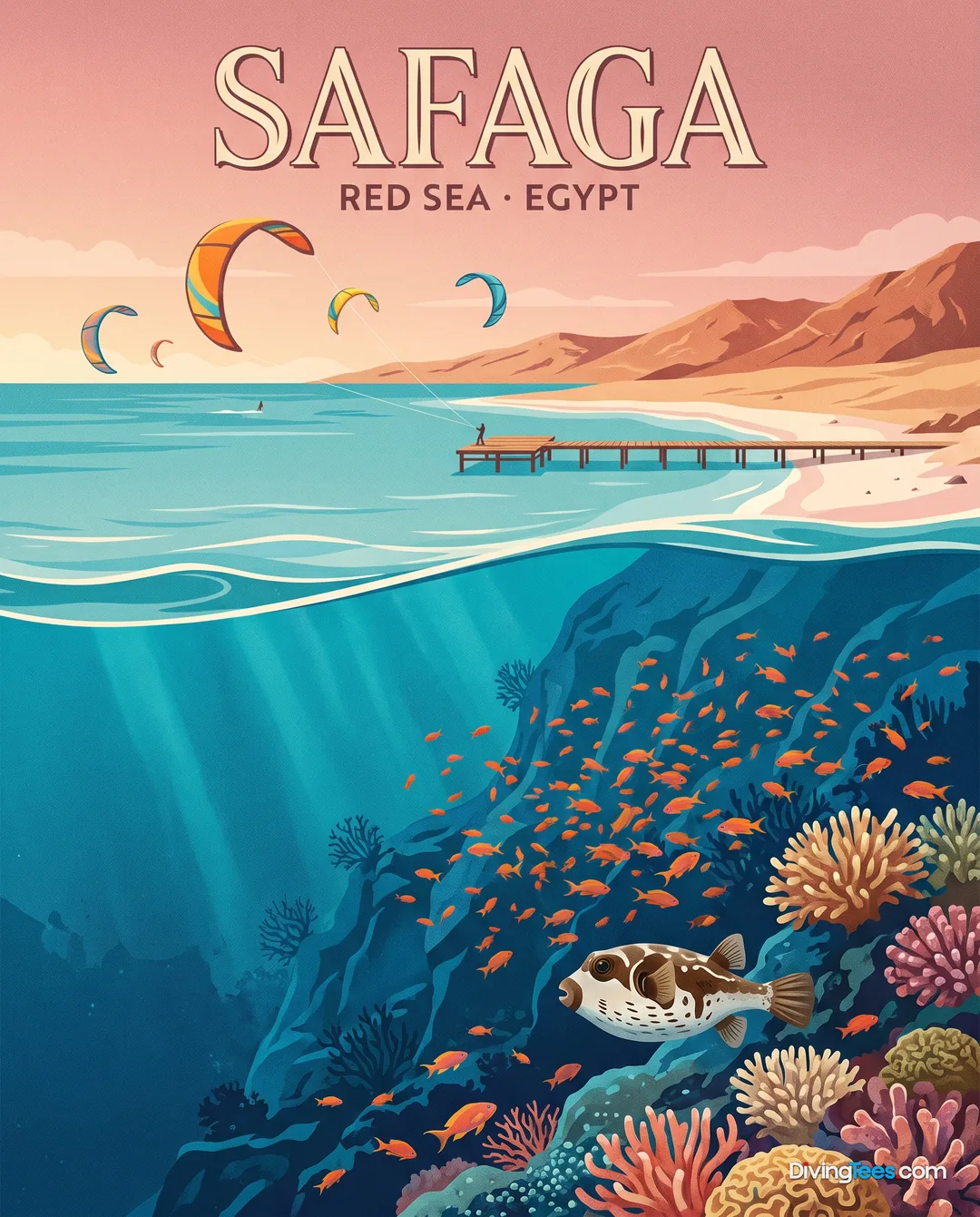
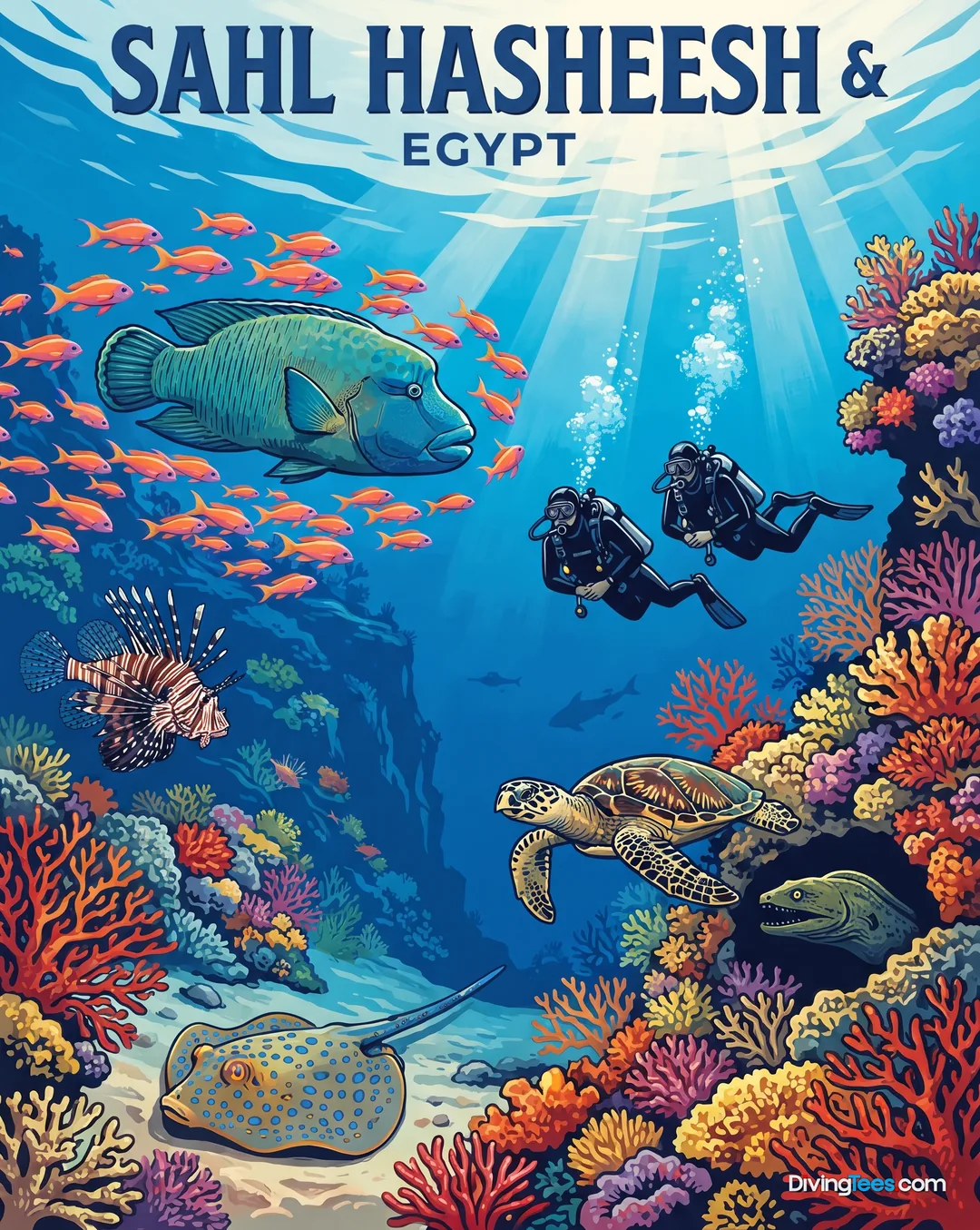
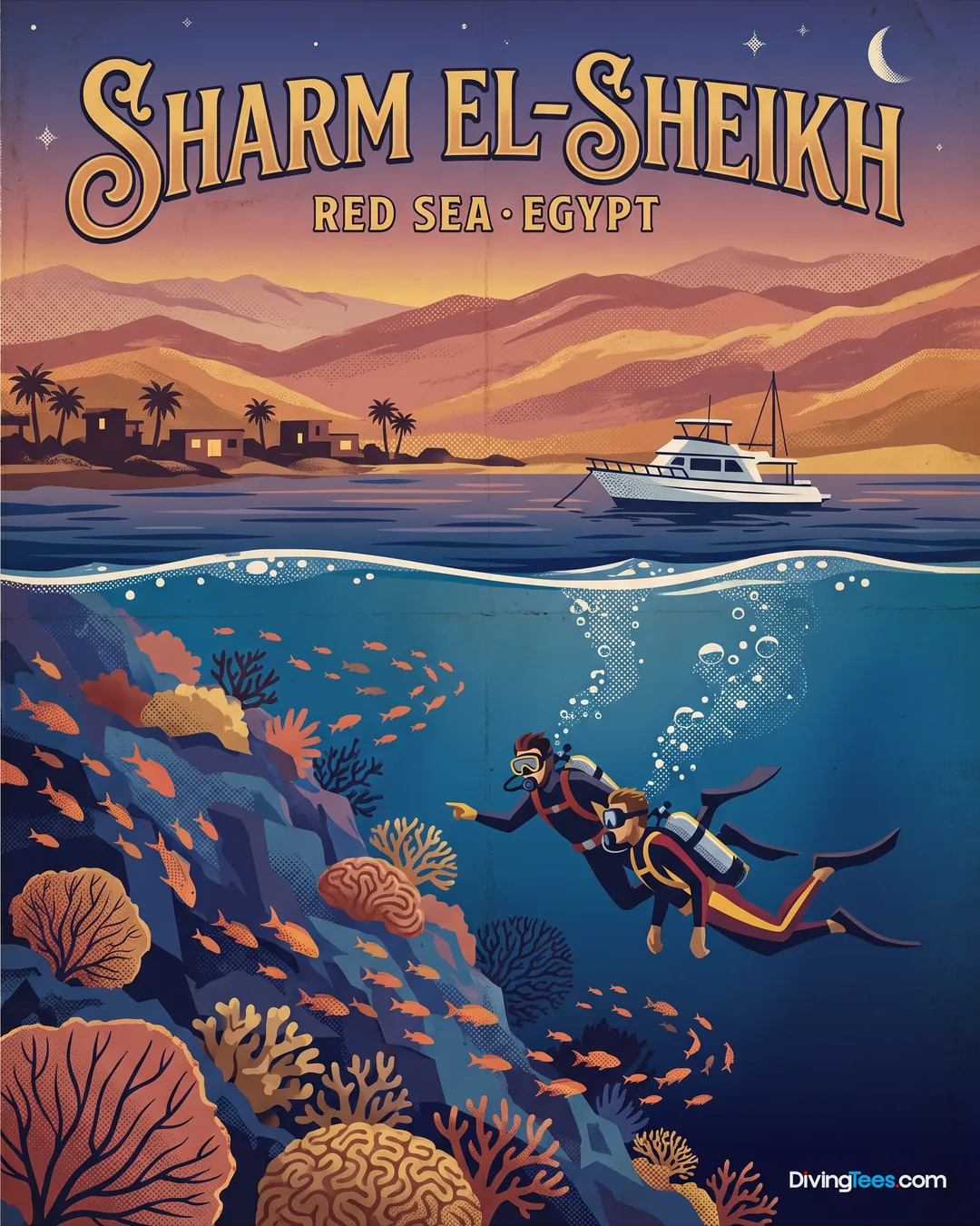
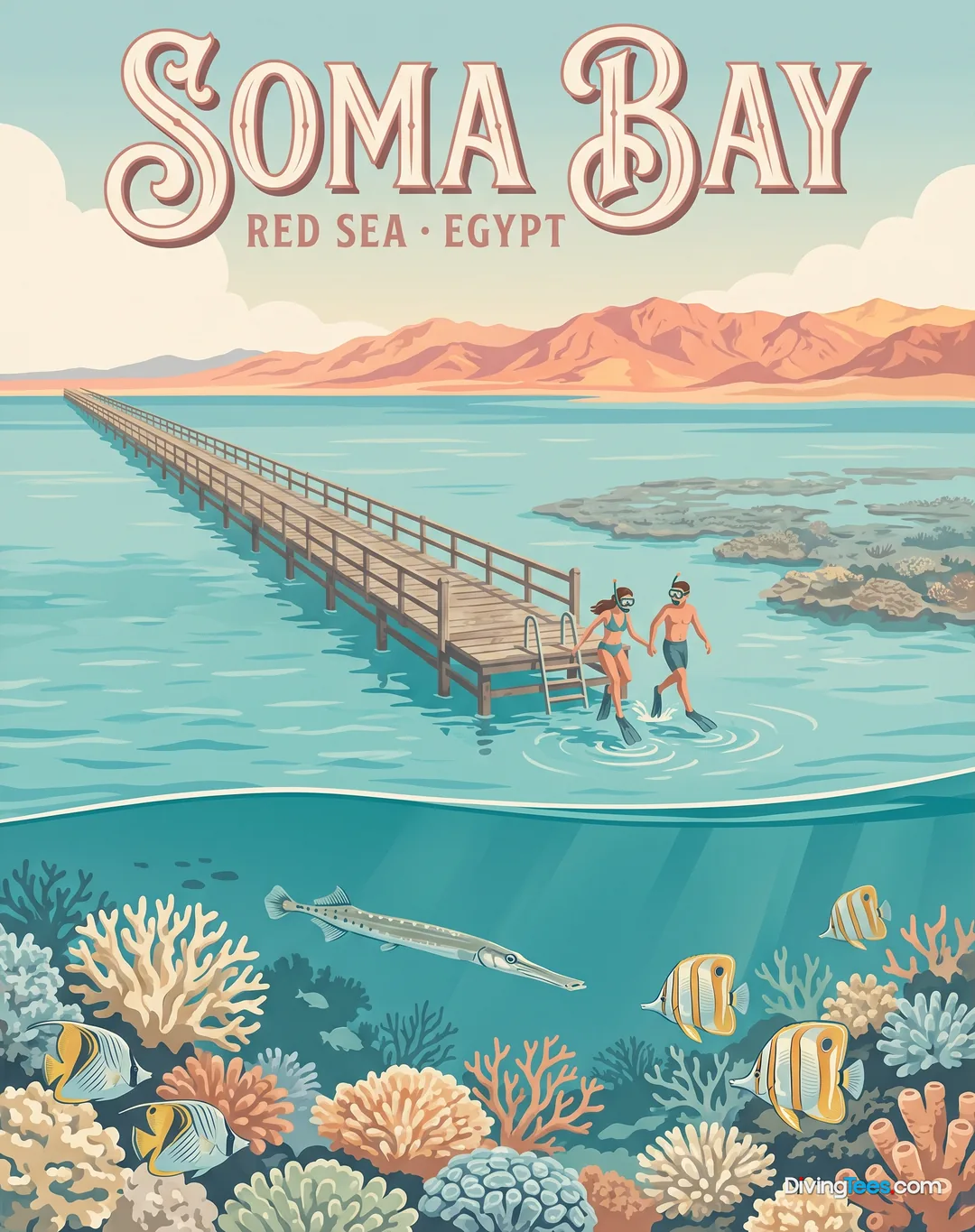
Egypt divides naturally into three travelling ideas. The northern Red Sea belt, from El Gouna through Hurghada towards Soma Bay and Safaga, suits divers wanting established resorts, marinas and the easiest combinations between bases. Its coastal towns also make the most sense for a non-diving companion, particularly El Gouna, although its spread-out layout means internal taxis or shuttles. Further south, El Quseir, Marsa Alam and Hamata form a quieter, more remote seaboard, with longer boat days and access towards Wadi El Gemal; this is the choice for a holiday built around the water rather than nightlife. The Sinai is a separate proposition: Sharm El Sheikh offers a developed resort base, while Dahab has a smaller, more independent rhythm and light current conditions. Offshore Brothers Islands belongs to the experienced liveaboard category, not a casual extension of a beach stay. These divisions matter more than the national label: they determine transfers, boat dependence, atmosphere and the amount of land-based time available.
Diving destinations
Dive centres

Hotels
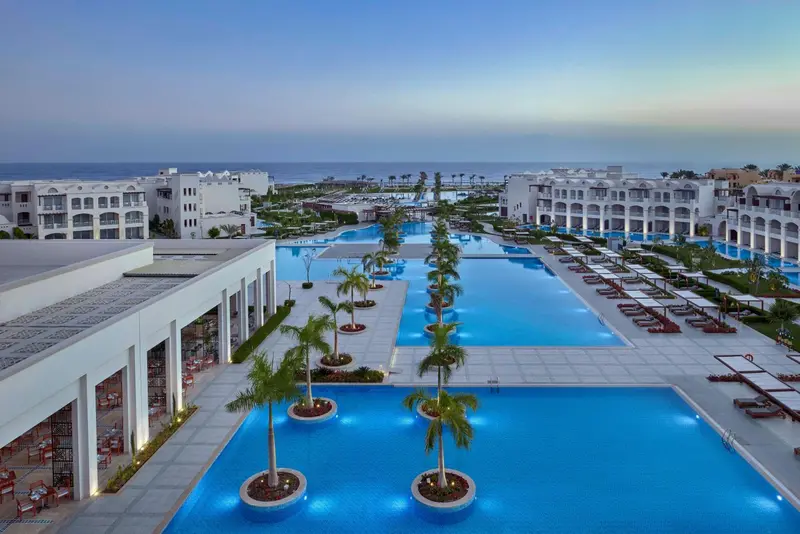
Steigenberger Resort Alaya Marsa Alam - Red Sea - Adults Friendly 16 Years Plus
Marsa Alam
★★★★★
Google 5/5 (5,591 reviews)
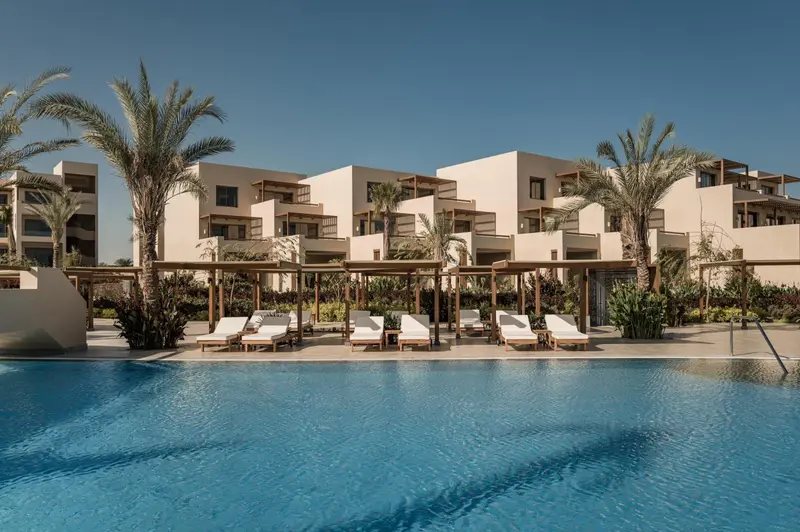
JAZ Elite Riviera
Marsa Alam
★★★★★
Google 5/5 (3,143 reviews)
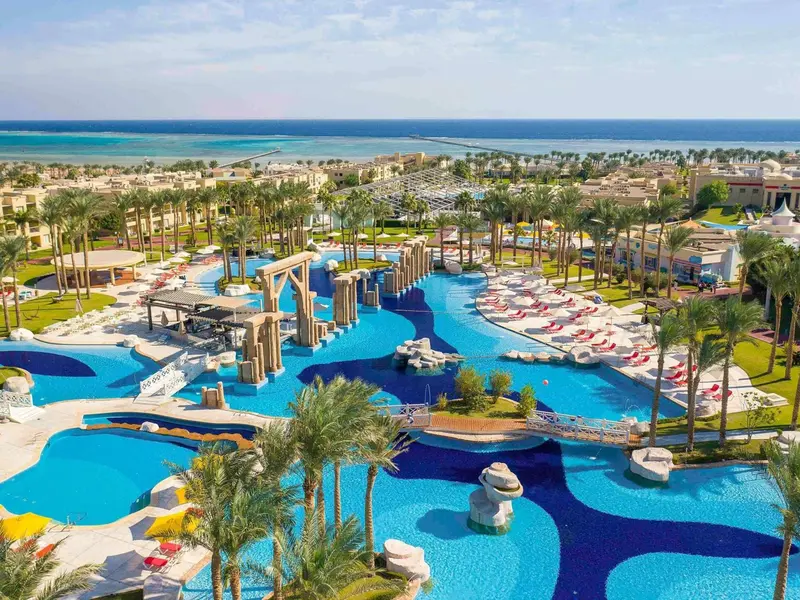
Rixos Premium Seagate
Sharm El Sheikh
★★★★★
Google 4.9/5 (60,655 reviews)
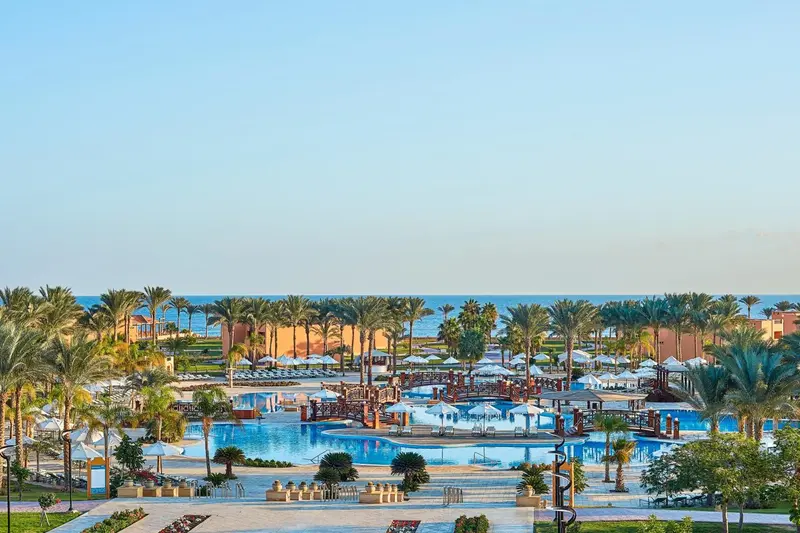
JAZ Grand Marsa
Marsa Alam
★★★★★
Google 4.9/5 (16,780 reviews)
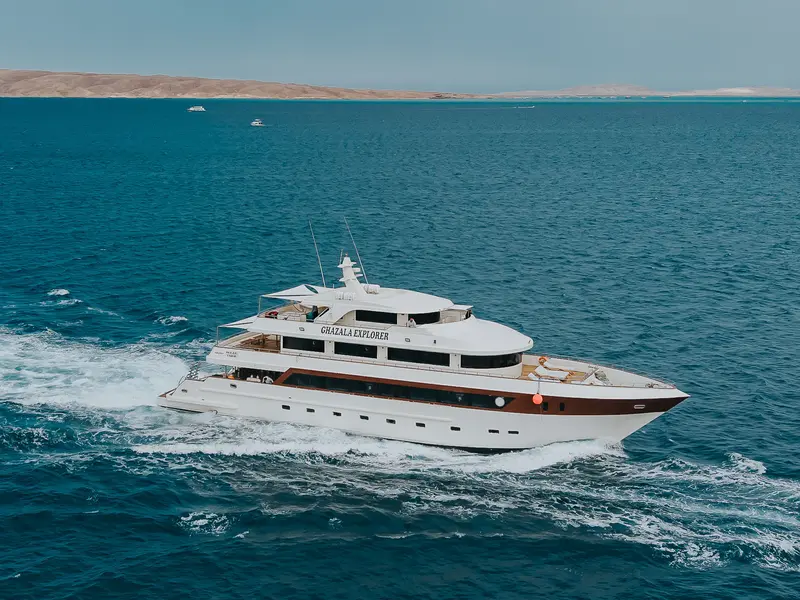
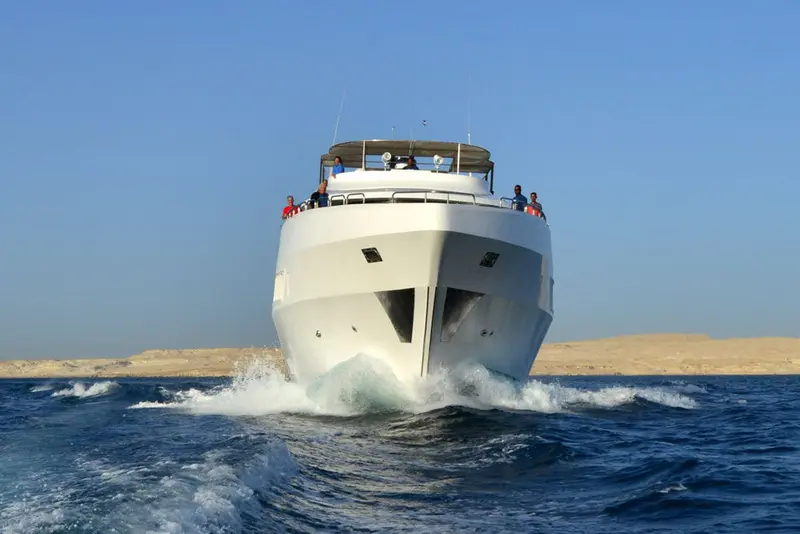
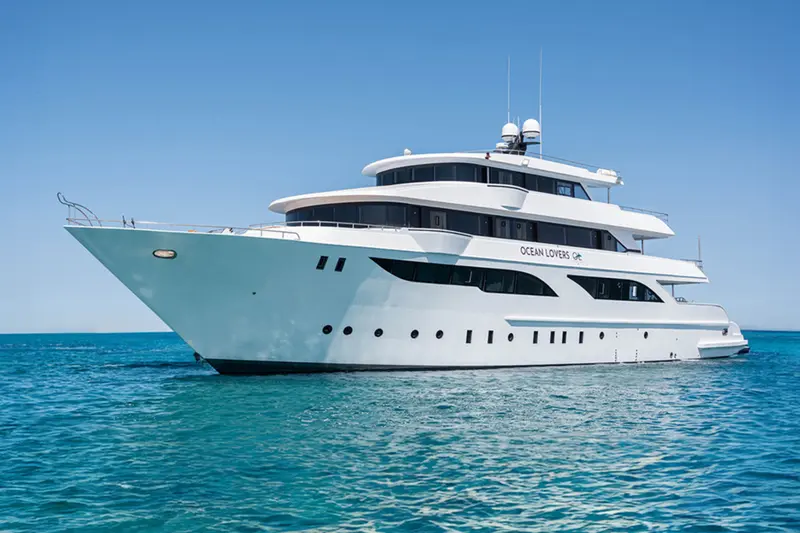
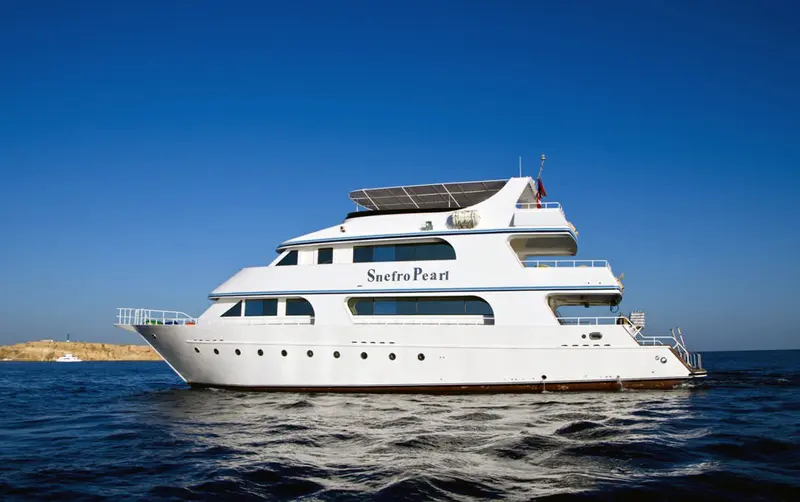
Liveaboards
When to go, and where by month
Egypt’s calendar is split rather than uniformly year-round. January belongs to Dahab, and the same northern Sinai window returns in December; February, March and April offer no coastal sector in the calendar used here. El Gouna opens in May, then June brings the broadest choice, with the central and southern Red Sea sectors joined by Sharm El Sheikh. July and August keep that wide summer pattern, although Hamata finishes with August. September and October retain El Gouna, El Quseir, Marsa Alam, Safaga, Sahl Hasheesh, Sharm El Sheikh and Soma Bay, while November is the hinge month: Dahab returns as those sectors remain open. The clearest opposition is Dahab from November to January against Hamata from June to August, with only November linking Dahab to most of the Red Sea bases. In practical terms, the Sinai’s winter window sits apart from the southern coast’s summer-to-autumn operating season, so an itinerary crossing both needs deliberate timing rather than assumed continuity.
Marine life, coast by coast
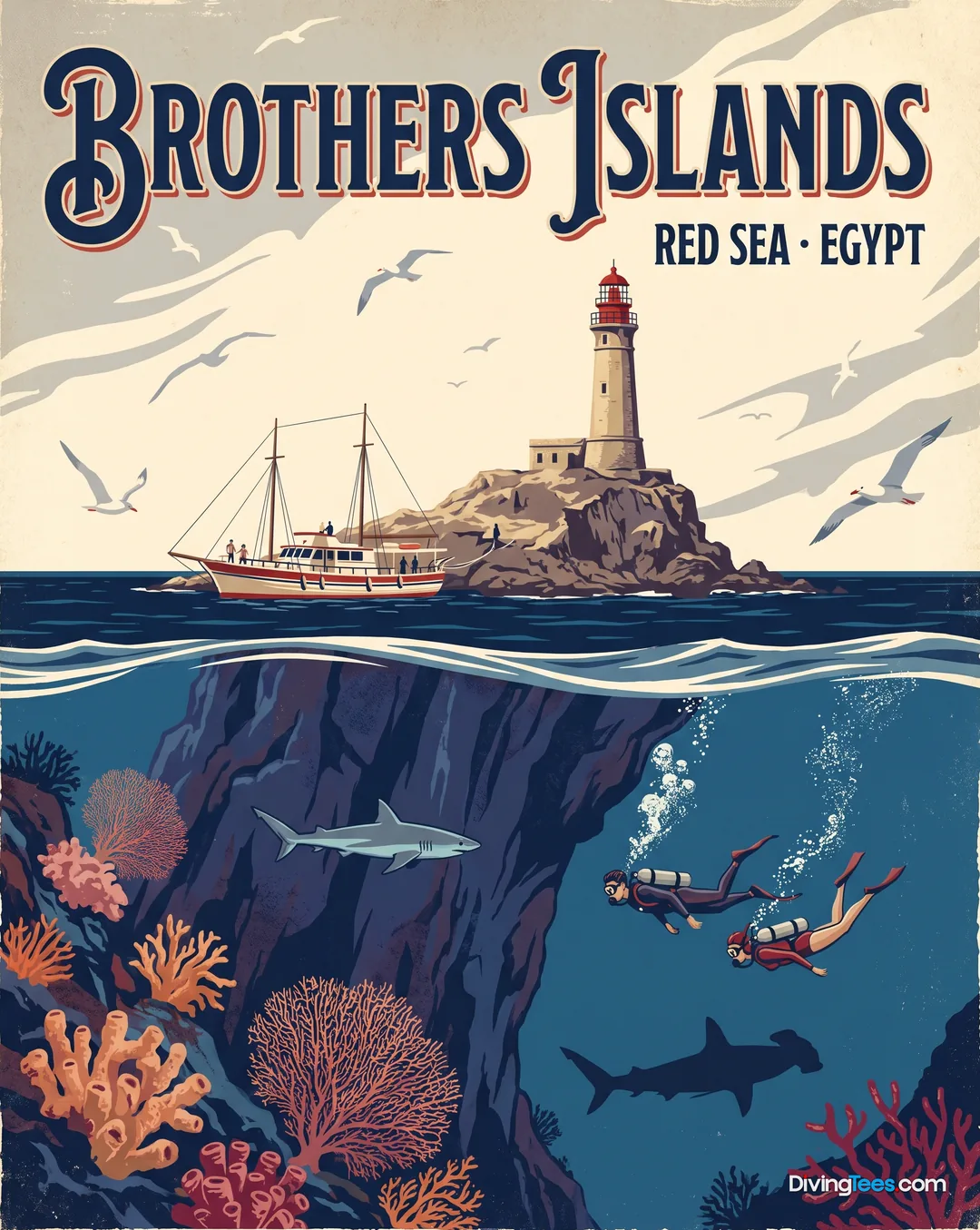
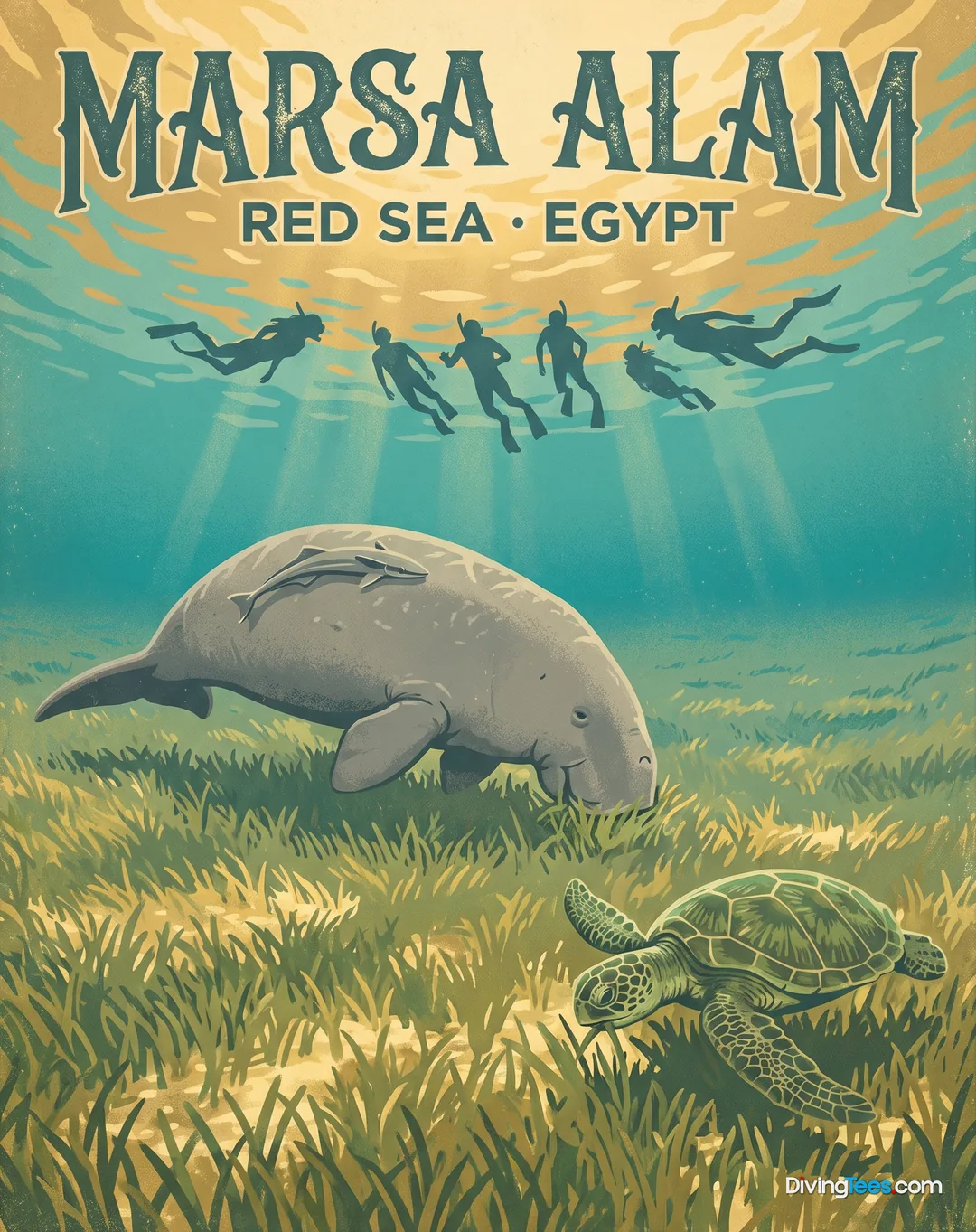
Egypt’s wildlife highlights are tied to particular routes rather than spread evenly across the country. The offshore circuit around Brothers Islands is known for pelagic sharks, while Daedalus Reef is associated with hammerheads; Elphinstone is another named stop where oceanic whitetips are encountered. These sites turn the choice of coast into a choice of wildlife itinerary. Around Marsa Alam, Abu Dabbab is the place linked with turtles and regular dugong sightings in the seagrass. Sha’ab Samadai, also called Dolphin House, is associated with spinner dolphins using its inner lagoon. The distinction is practical: a northern resort stay, a southern day-boat programme and an offshore liveaboard do not offer the same animal focus. A diver choosing between them should decide whether the priority is pelagic encounters, turtles and dugongs, or dolphins before selecting the base.
Getting between the areas
The easiest Egyptian link-ups sit along the northern Red Sea coast, where neighbouring bases can be joined by road rather than by changing flights. Safaga and Soma Bay are only eleven kilometres apart, while Hurghada and Sahl Hasheesh are separated by twenty kilometres; El Gouna is twenty-three kilometres from Hurghada. That compact geography makes a single hotel base with selected departures realistic, though Sahl Hasheesh still depends on transfers towards Hurghada’s marinas. South of Safaga, the journey becomes a proper overland move: reaching El Quseir or Marsa Alam takes time, and Hamata functions as a remote base rather than a convenient add-on. Dahab and Sharm El Sheikh belong to the Sinai and should not be treated as a simple coastal continuation from Hurghada. Add Luxor or Cairo and the itinerary becomes a flight or long road transfer, with a buffer worthwhile when a boat departure matters.
Take off your mask
Egypt’s landward identity is unusually concentrated around the Nile and its ancient cities. In Luxor, Karnak and the Valley of the Kings provide a paired visit between monumental temples and painted royal tombs; farther south, Abu Simbel stands above Lake Nasser, while Assouan brings Nubian villages and a slower river-town atmosphere. In Cairo, Khan el-Khalili is the place for copperwork, silver, perfumes and traditional cafés such as El Fishawy. El Quseir offers a different historical register: its Ottoman fort, port and waterfront show the older maritime life of the Red Sea. Eating follows the same regional divide. Koshari, ful medames and ta‘meyya belong to the everyday food of Cairo and the Nile Valley; sayadiya suits the coastal towns, including Hurghada, Safaga and El Quseir. Mahshi and molokhia are home-style staples, while hawawshi is a spiced meat-filled baladi bread. Ramadan changes daytime rhythms and makes evenings busier, and Sham el-Nessim brings family outings, coloured eggs and salted fish in spring.
What holds true everywhere here
Across Egypt, the practical details of diving are shaped by repetitive boat schedules, exposed reefs and protected marine areas. Nitrox and sensible profiles matter when several dives are made over consecutive days, particularly on liveaboards reaching Brothers Islands or Daedalus Reef. Current briefings deserve attention: a variable current may turn a planned descent into a drift dive or create a downcurrent, so the guide’s entry and exit procedure should be understood before leaving the boat. A proper safety stop and controlled buoyancy are especially important around fragile shallow coral. Operators should explain marine-park rules and use moorings or disciplined anchoring procedures. On land, selecting accommodation close to a marina or on a shuttle route can remove surprisingly tiring early transfers, especially around El Gouna and Sahl Hasheesh.
Frequently asked questions about Egypt
When should you choose Egypt for Red Sea diving?
Choose Egypt’s central or southern Red Sea when you want the period from June to November, when those areas are highlighted for diving. Timing also depends on your route: offshore sites, southern day-boat programmes and northern resort stays create different wildlife-focused journeys.
What kind of diving itinerary can you plan in Egypt?
Egypt lets you choose between Dahab shore entries, a northern resort stay, a southern day-boat programme and an offshore liveaboard. Your choice should match the experience you want, whether that means accessible shore diving, a route around Marsa Alam, or offshore wildlife sites.
What can you see while diving in Egypt?
Egypt offers different wildlife according to your route. Brothers Islands is linked with pelagic sharks, Daedalus Reef with hammerheads and Elphinstone with oceanic whitetips. Around Marsa Alam, Abu Dabbab is associated with turtles and dugongs, while Sha’ab Samadai is known for spinner dolphins in its inner lagoon.
How should you plan a stay in Egypt beyond diving?
Plan your Egypt stay around both the coast and its inland attractions. You can combine Red Sea diving with Karnak, the Valley of the Kings, Khan el-Khalili, or El Quseir’s Ottoman fort and waterfront, while local meals may include koshari, ful medames and sayadiya.