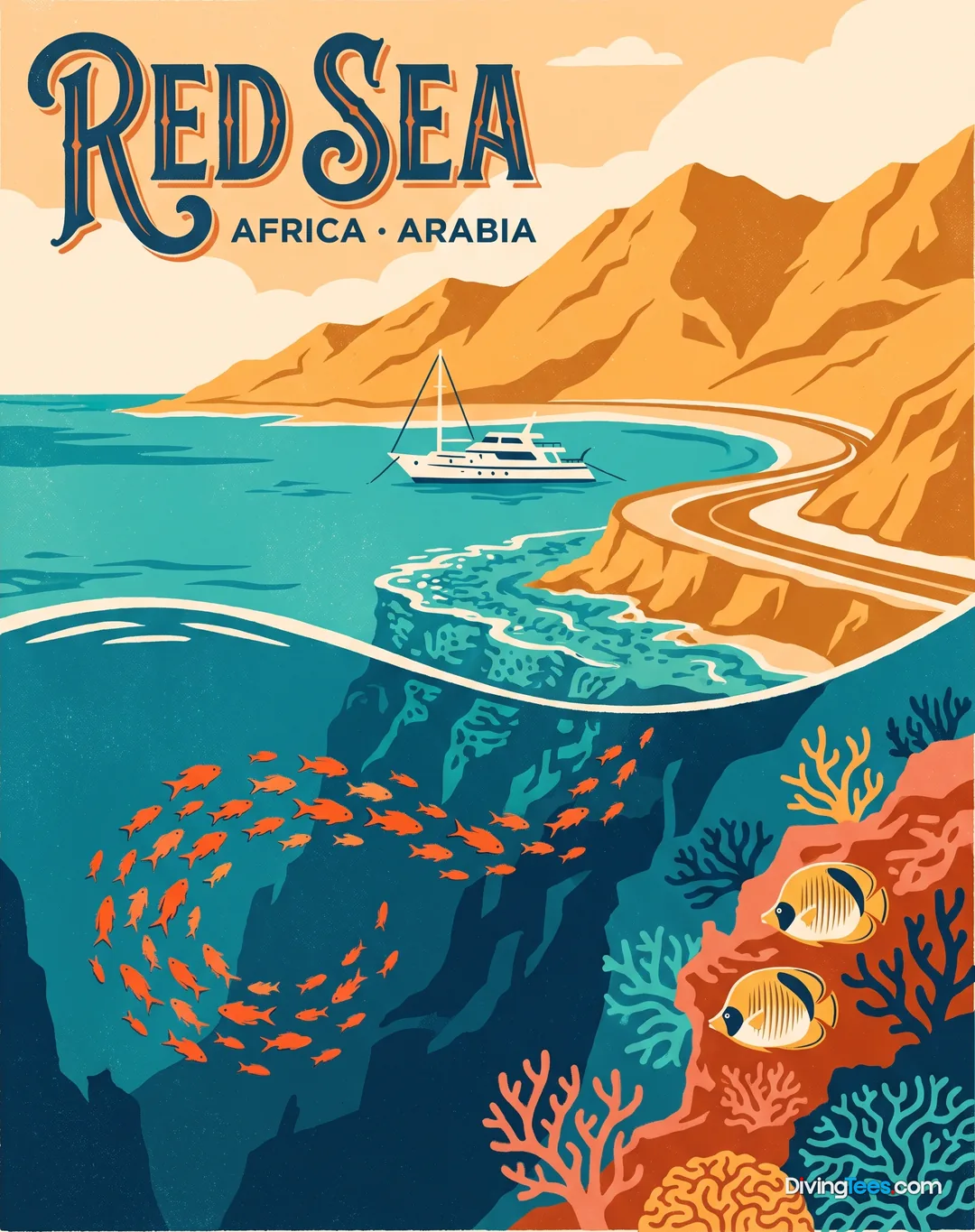
Red Sea
Jordan: Red Sea diving and desert heritage
Jordan pairs Red Sea diving in Aqaba with Petra, Wadi Rum and a southern food culture shaped by port life and Bedouin hospitality.
What makes this country unique
- Aqaba, Jordan’s sole Red Sea gateway
- November to January: Aqaba’s diving season
- Japanese Garden and Rainbow Reef in Aqaba
- Cedar Pride beside Aqaba’s port city
- Wadi Rum’s red sandstone and Bedouin camps
- Mansaf, zarb and sayadiyah on Jordanian tables
For subtitles in English: start the video firstthen click the gearat the top right of the video, select “Subtitles/CC”, then “Auto-translate” and choose “English”.
This country for a diver
Jordan is a compact Levantine country where the diving story is concentrated on Aqaba, rather than spread along a long, competing coastline. Its Red Sea access sits beside a working port, an airport and a city with its own souk, fort and early Christian history. That gives the country a different character from Israel/Palestine, Egypt or Saudi Arabia across the region. The common thread is straightforward: Aqaba supplies the diving, while Petra, Wadi Rum and Amman provide the wider journey. Japanese Garden, Rainbow Reef and Cedar Pride are names to place within that Aqaba setting, not reasons to redraw the country’s geography.
How the country divides
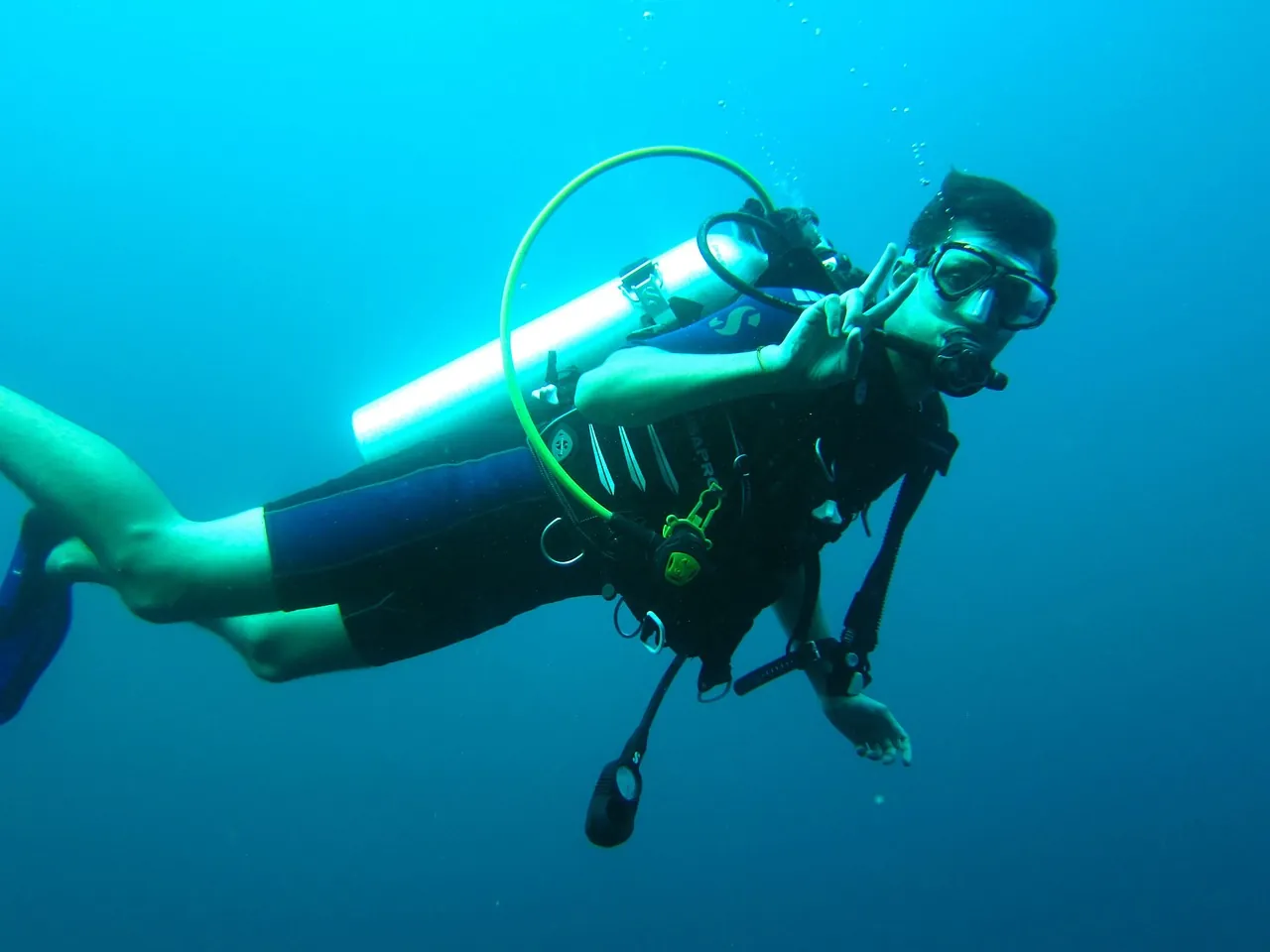
For diving purposes, Jordan divides cleanly around Aqaba. This is the country’s only outlet on the Red Sea and the sole area directing a trip towards named underwater sites such as Japanese Garden, Rainbow Reef and Cedar Pride. Aqaba suits divers who want a settled base, short transfers to the sea and a trip that can be extended by road into the southern desert. It also works for travellers who prefer to add culture without changing hotel every night. The rest of Jordan forms the inland part of the itinerary rather than a second dive area: Amman and Jerash bring museums and Roman archaeology, while Petra and Wadi Rum shift the emphasis towards sandstone landscapes, heritage and Bedouin hospitality. The distinction matters when choosing an area page. Aqaba is the diving decision; the inland regions are the architectural, desert and walking companions that shape the days around it.
Diving destinations
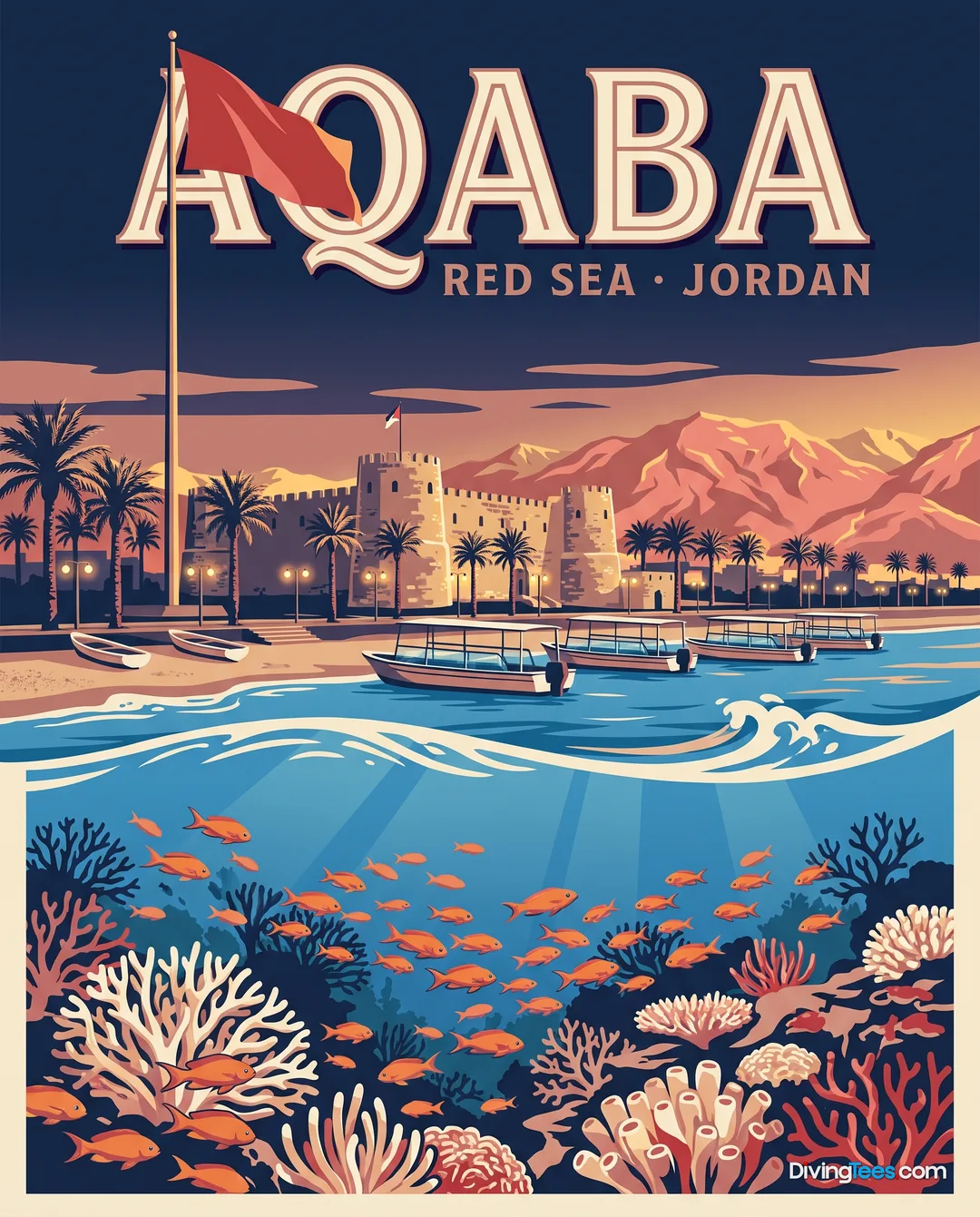
Dive centres
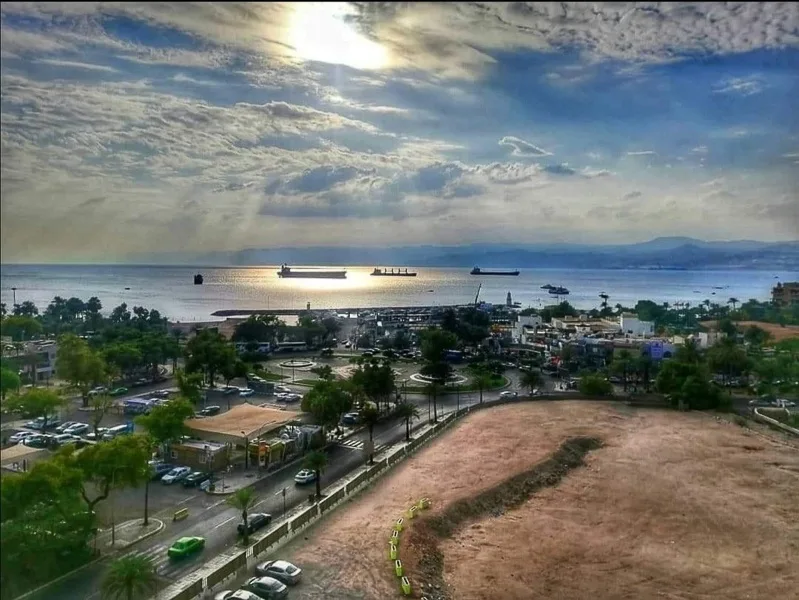

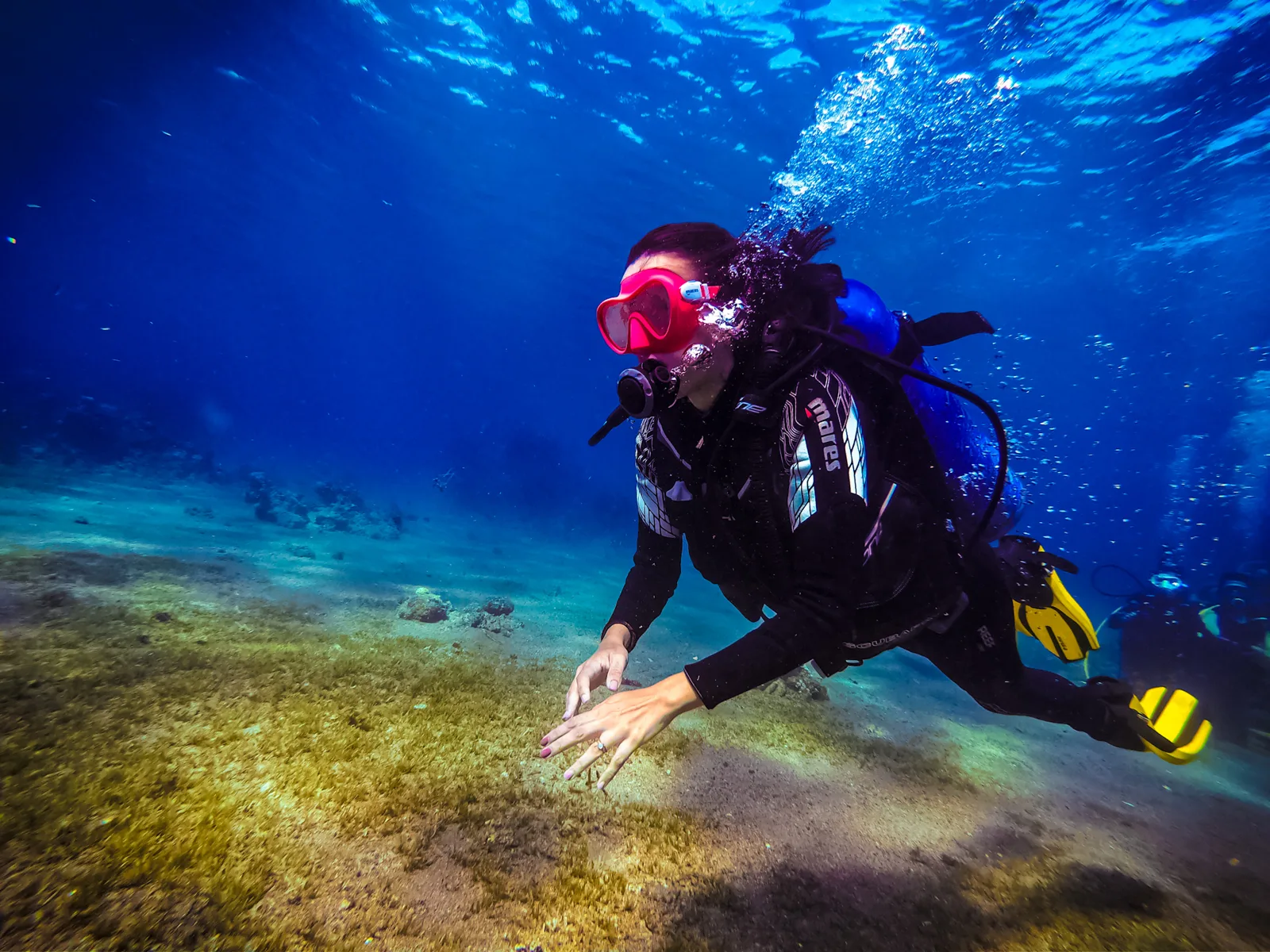
Hotels

When to go, and where by month
Aqaba’s diving season falls from November through January. In January, Aqaba is the country’s diving choice; the same is true in November and December. From February to October, the calendar does not open a second Jordanian coast as an alternative. There is therefore no opposite-season arrangement in which one area takes over when another closes, and no reason to build a Jordan trip around chasing a changing coastline. The practical reading is seasonal concentration: choose Aqaba for a late-autumn or winter diving stay, then decide how much inland Jordan to attach to it. Petra, Wadi Rum, Amman and Jerash can form the cultural spine of a longer journey, but they do not create a parallel diving season. For a traveller planning from Europe, the value lies in accepting that simple pattern rather than trying to manufacture a multi-coast itinerary where the country itself offers one.
Marine life, coast by coast
Jordan’s wildlife story is local rather than a country-wide theme. The marine setting belongs to Aqaba, where the diving landscape is tied to the Red Sea and to sites including Eel Garden and First Bay. Inland, the animal most clearly woven into the travel experience is the dromedary, encountered on excursions through Wadi Rum rather than underwater. That difference changes the shape of an itinerary: wildlife expectations stay with the Aqaba days, while the journey beyond the coast is about desert scenery, camps and human history. The country’s strongest contrast is therefore not a national checklist of creatures, but the movement from Red Sea sites to Wadi Rum’s protected sandstone desert and the Bedouin culture of the south.
Getting between the areas
There is no inter-area dive transfer to plan in Jordan: Aqaba is the country’s diving base. The useful combination is between Aqaba and the inland circuit. A road journey can link Amman, the Dead Sea, Petra and Wadi Rum before reaching Aqaba, although every leg takes several hours and heavy sightseeing on the same day quickly becomes tiring. JETT buses connect Amman and Aqaba in roughly four to five hours, with VIP services available; buses also serve Petra and Wadi Rum, though direct connections may require a change. A hire car is practical on the main circuit, where a standard vehicle is enough on paved roads. Domestic flights between Amman and Aqaba offer a shortcut for shorter itineraries. Long northern additions such as Um Qais, Ajloun and Jordan Trail walking need more room than a tightly packed fortnight.
Take off your mask
Jordan’s inland journey is anchored by places rather than resort entertainment. In Aqaba, the Sharif Hussein bin Ali Mosque, Aqaba Castle and Aqaba Heritage Museum sit close enough to make a compact town visit, while the old souk shows the commercial life of the southern port. The Aqaba Church adds an unexpectedly early Christian layer to a city better known for its mosque and Red Sea frontage. Wadi Rum brings red sand, sandstone arches, four-wheel-drive excursions and Bedouin camps, with zarb cooked beneath the desert sand. Petra and Wadi Musa shift the mood to Nabataean stone and mountain hospitality; Dana adds walking across cooler southern plateaux. Jerash supplies a different historical register, with its Roman forum, paved cardo and hippodrome. Food follows the geography. Mansaf and makloubeh appear across Jordan, zarb belongs especially to Wadi Rum, while Aqaba’s restaurants serve sayadiyah and maqluba with fish. In Amman, falafel, hummus and knafeh fit naturally into souks, cafés and formal restaurants.
What holds true everywhere here
Across Jordan, hospitality is expressed through shared food and repeated offers of tea or cardamom coffee. Lunch may come later than a European visitor expects, while dinner often begins after eight; mansaf, makloubeh and zarb are social dishes rather than hurried individual plates. Bottled mineral water is the usual traveller’s choice, and a small cash tip is appreciated where service is provided. Dress is best kept covering in traditional neighbourhoods, mosques and smaller towns, with shoulders and knees covered as a prudent baseline. In Aqaba, swimwear is more accepted at hotel beaches than on family beaches. Ask before photographing people, particularly women in souks, villages or Bedouin camps, and begin encounters with “salaam aleikum”.
Frequently asked questions about Jordan
When should you plan your Jordan diving trip?
If you are choosing Jordan for diving, plan the Aqaba portion between November and January, identified as Aqaba’s diving season. This is the period to focus on Red Sea sites such as Japanese Garden, Rainbow Reef, Eel Garden and First Bay before continuing inland for desert scenery and cultural experiences.
What can you see while diving in Jordan?
Jordan’s underwater experiences are centered on Aqaba, where the Red Sea setting includes sites such as Japanese Garden, Rainbow Reef, Eel Garden and First Bay. You can also visit Cedar Pride beside Aqaba’s port. Beyond the water, the journey shifts toward Wadi Rum’s red sandstone, camps and Bedouin culture.
How should you plan your Jordan stay around diving and sightseeing?
Build your Jordan itinerary around Aqaba’s diving days, then travel south to Wadi Rum for protected sandstone desert landscapes, excursions and Bedouin camps. The contrast between Red Sea sites and inland desert scenery gives the trip a clear change of pace, while Petra adds a further historic destination to the journey.
What food and cultural experiences can you include in Jordan?
A Jordan trip can pair Aqaba’s port-city setting with the southern food culture shaped by port life and Bedouin hospitality. On Jordanian tables, you may encounter mansaf, zarb and sayadiyah. In Wadi Rum, Bedouin camps and dromedary excursions extend the cultural experience beyond the underwater days.