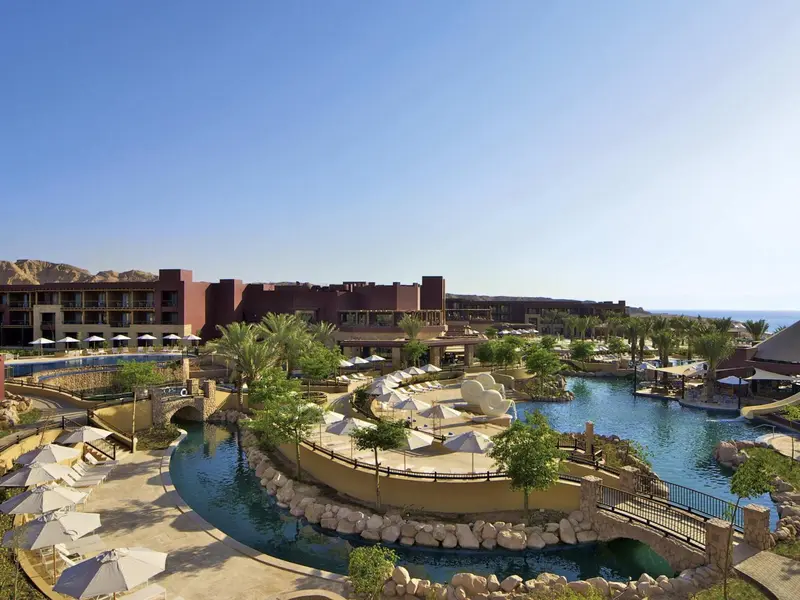
 Dive centre in the hotel
Mövenpick Resort & Spa Tala Bay Aqaba
★★★★★
Google 4.6/5 (10,426 reviews)
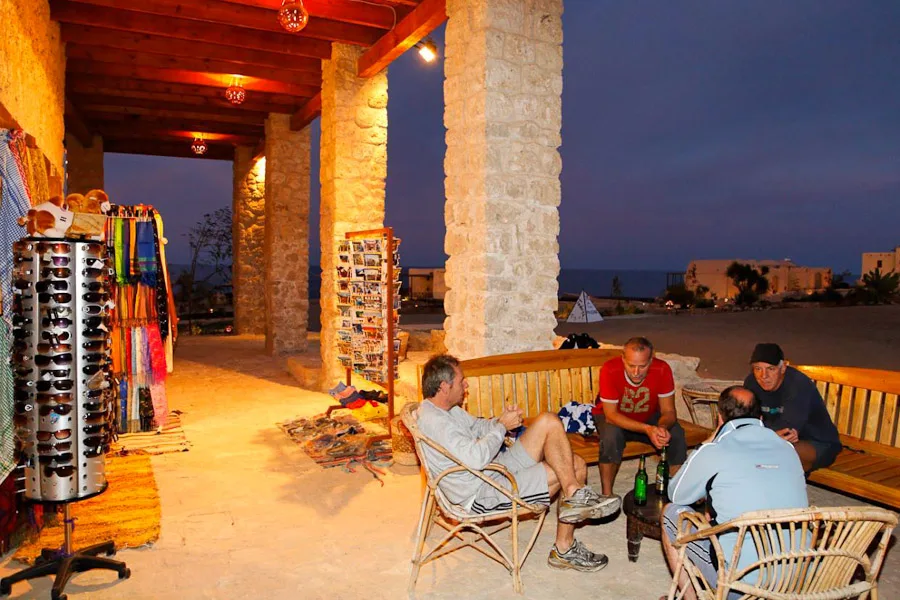
The dive centre
Sinai Divers Aqaba
PADI
Google 4.7/5 (73 reviews)
Dives: Bannerfish Bay, Eel Garden, Lighthouse
Jordan · Red Sea
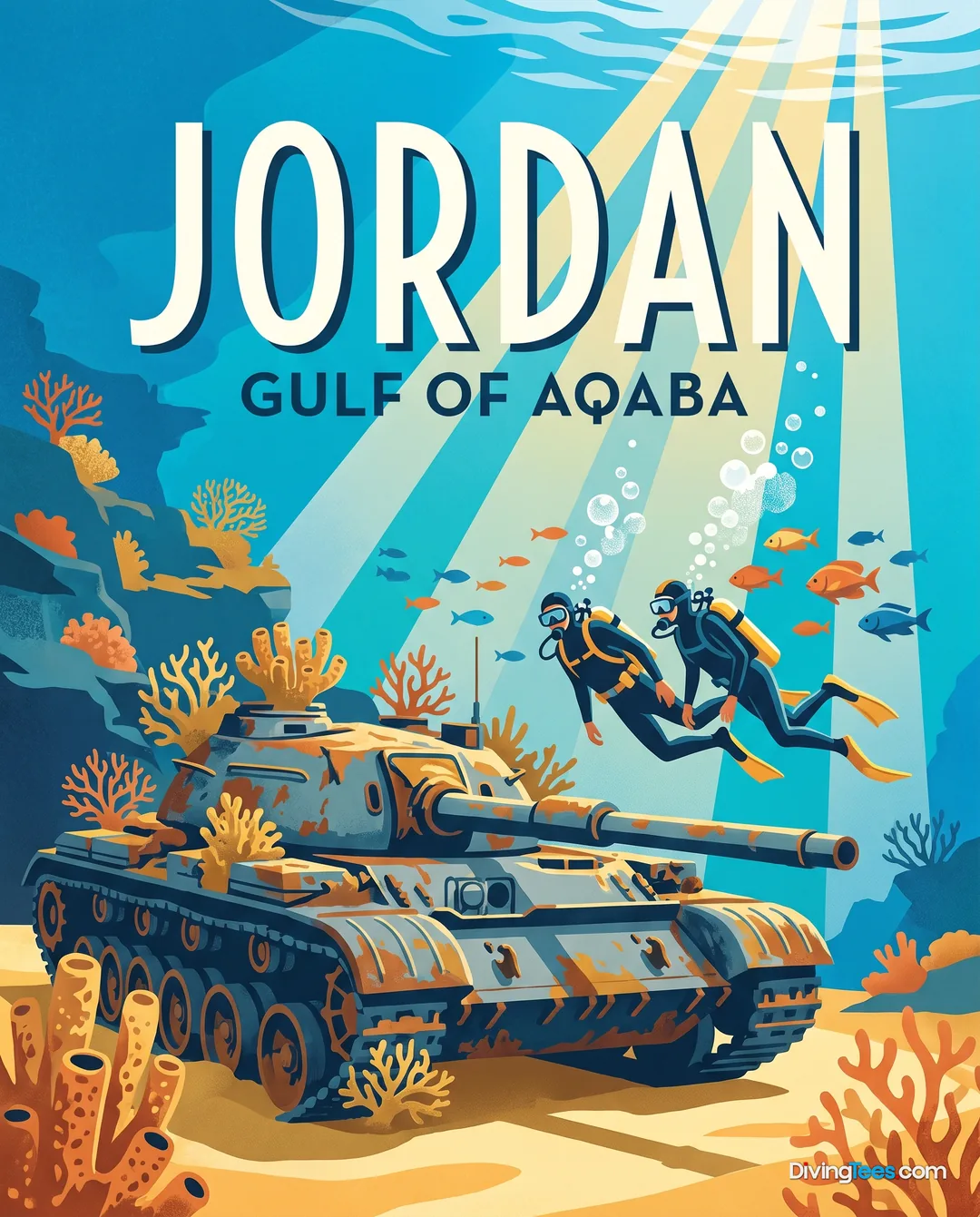
Coral slopes, a freighter at 26 metres, submerged military hardware and green sea turtles make Aqaba easy to read underwater.
For subtitles in English: start the video firstthen click the gearat the top right of the video, select “Subtitles/CC”, then “Auto-translate” and choose “English”.
Aqaba is a shore-and-boat diving base built around coral reefs, artificial wrecks and a few more demanding walls. A diver can spend one day moving slowly over Japanese Garden's coral slope, another examining the Cedar Pride at 26 metres, then use The Tank or Seven Sisters for a shallow, unhurried dive. The setting suits mixed groups well: beginners have calm, shallow reefs, while experienced divers can work towards the deeper sections of Power Station Wall or Taiyong Wreck.
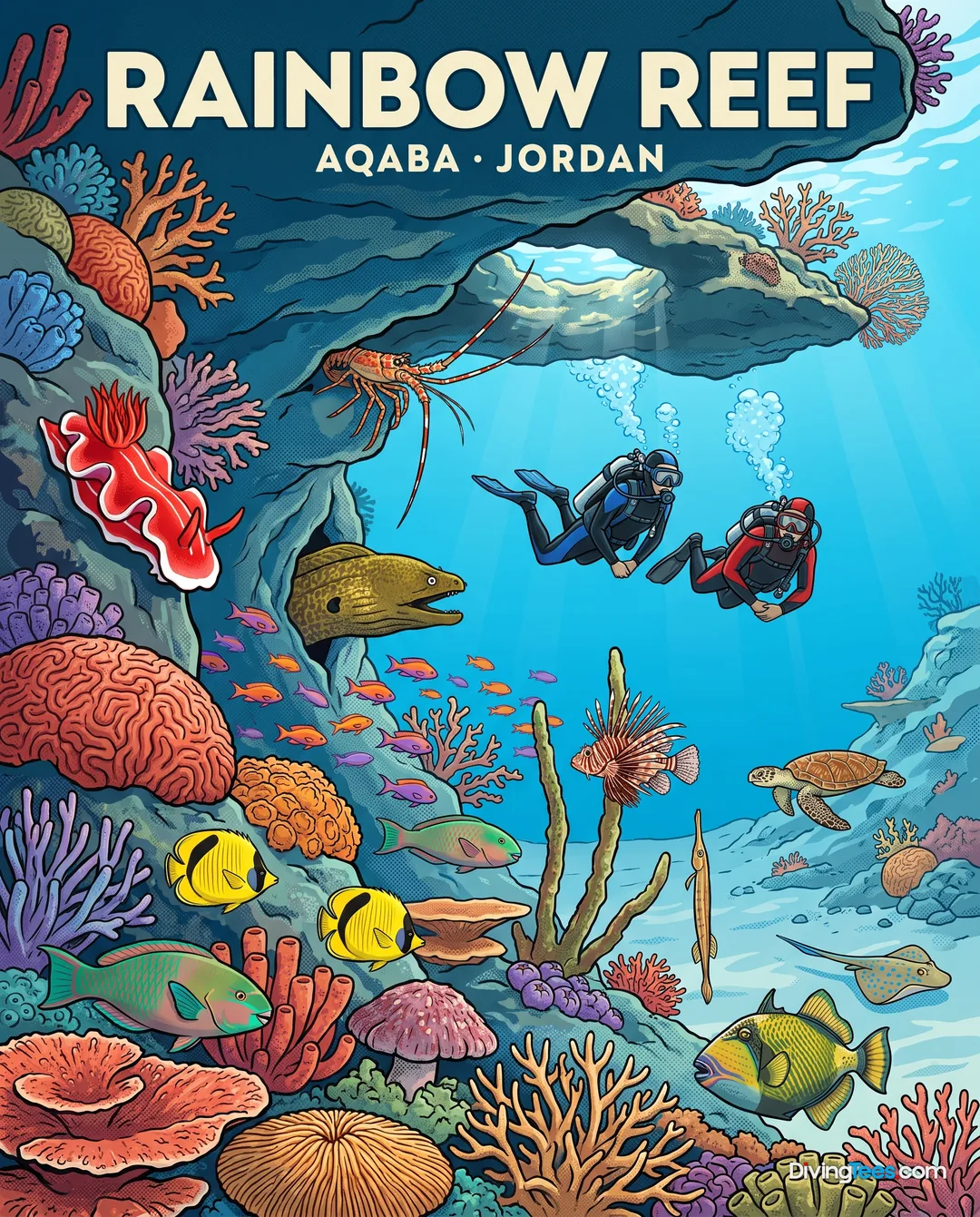
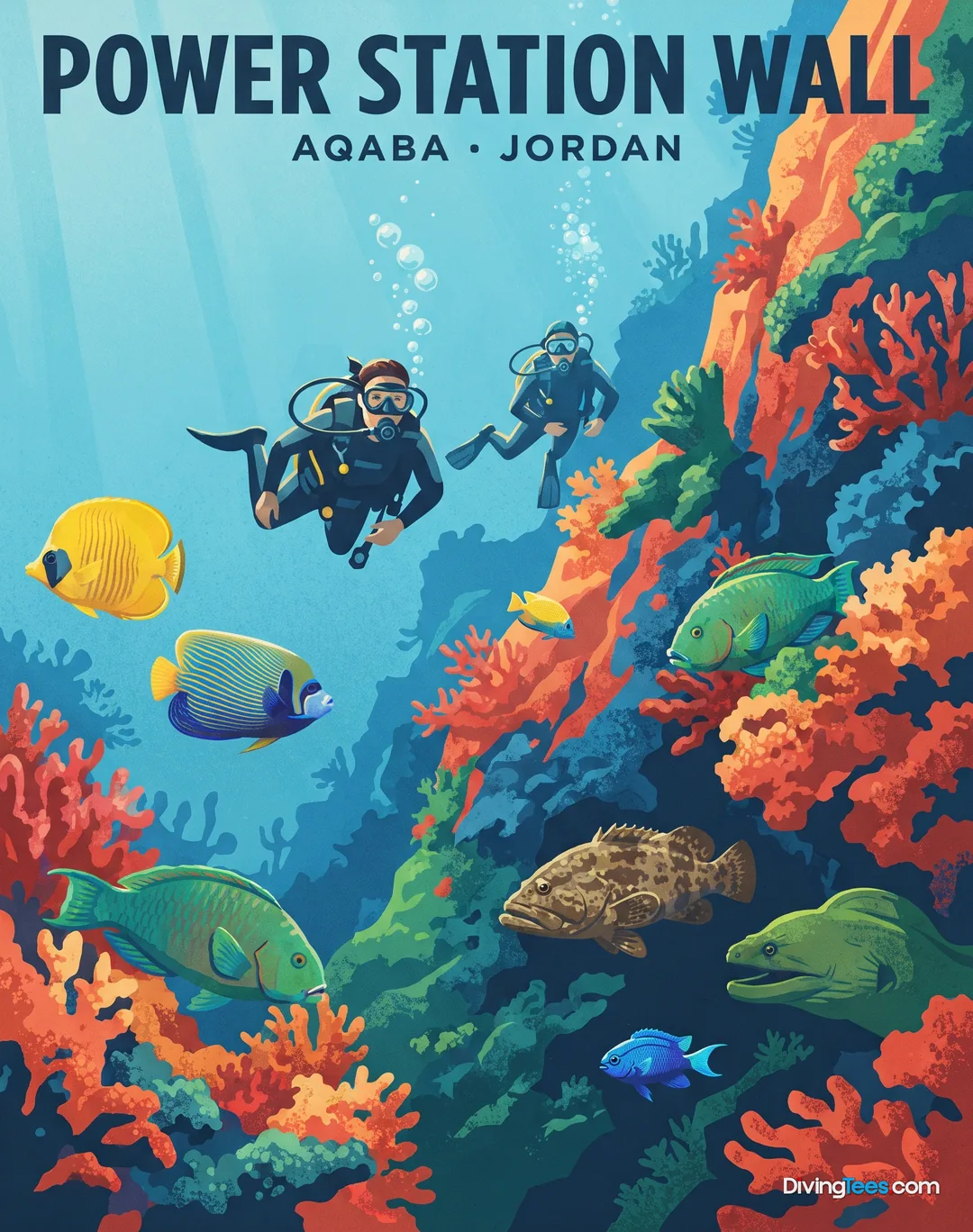
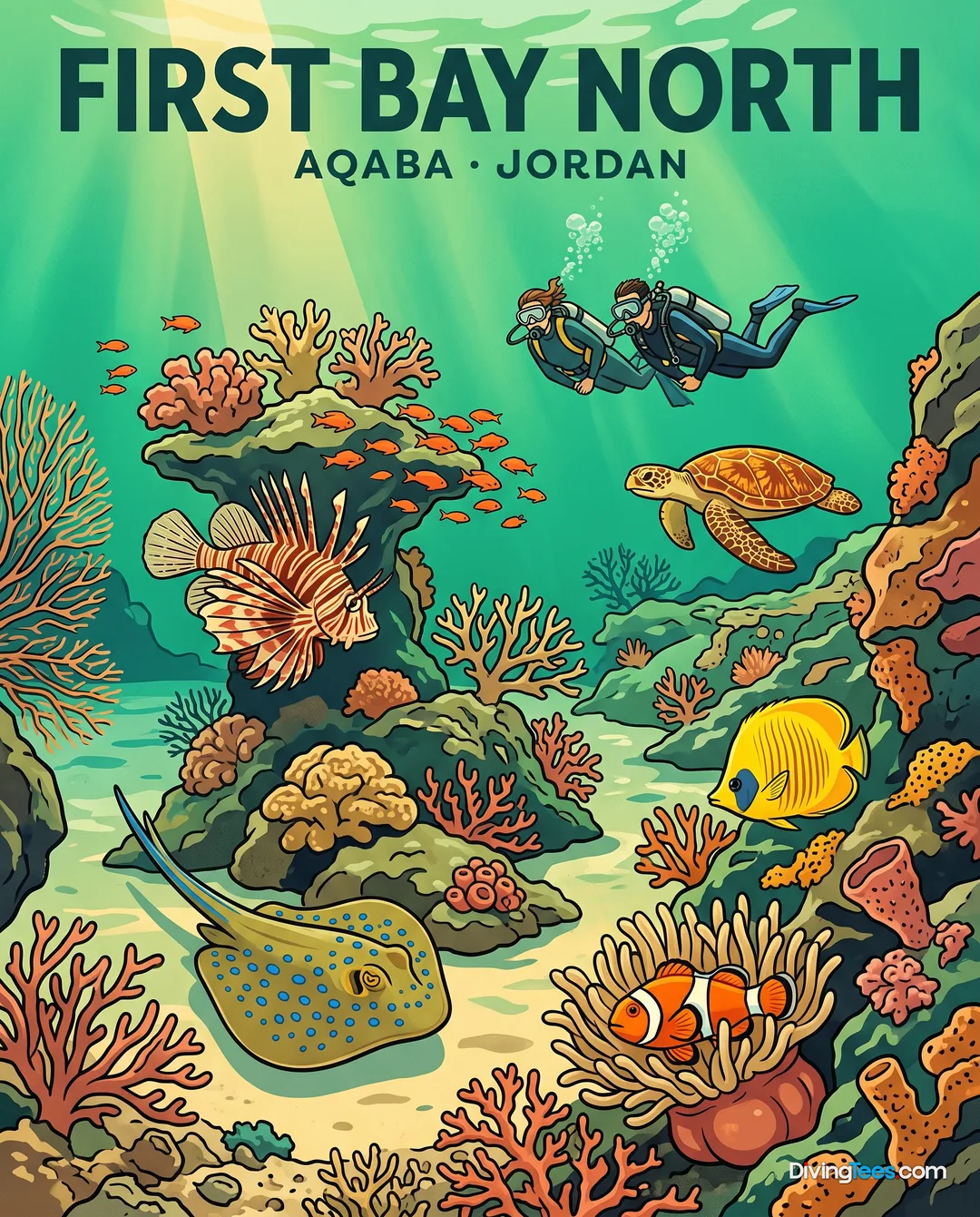
Most of Aqaba's recreational diving is about straightforward reef profiles rather than drift diving. Japanese Garden slopes from five to 40 metres, Rainbow Reef from shallow water to 30 metres, and First Bay combines easy access with depths reaching 30 metres. Cazar Reef is similarly accommodating in its central areas, but its sandy-valley edges can develop strong downward currents, so they are not simply an extension of the beginner's route. Currents are generally calm or light, with occasional surge at Eel Garden and intermittent increases at Japanese Garden. Visibility is consistently good: the recorded site ranges run from about 10 to 35 metres, depending on the reef. Shore access matters here, particularly at Eel Garden and First Bay, while a boat opens up Power Station Wall and Taiyong Wreck. The latter descends from 35 to 58 metres and belongs to technical diving rather than ordinary sightseeing.
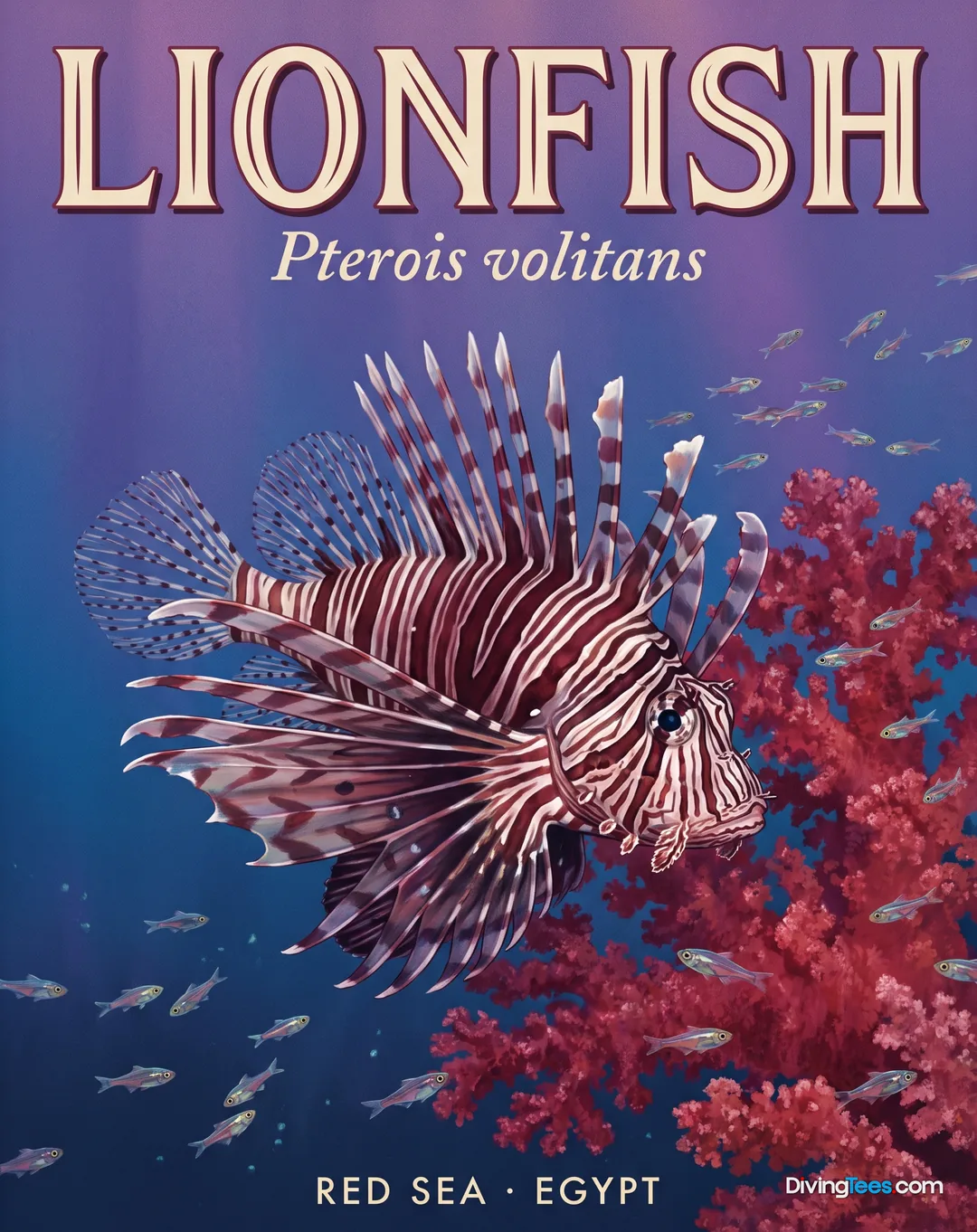
The reefs carry the familiar Red Sea cast without requiring a particular depth to make a worthwhile dive. Moray eel, Lionfish, Parrotfish, Fusilier, Butterflyfish, Damselfish, Pufferfish and Anthias are all part of the expected reef life, with reef fish filling the coral gardens and wreck structures. Soft coral adds colour around the hard-coral formations at places such as Cazar Reef, while Lobster and Great barracuda give deeper or more open-water encounters extra interest. Japanese Garden is noted for regular Sea turtle sightings, including Green sea turtle. The artificial reefs add another angle: Cedar Pride, The Tank, Hercules C130 and the Underwater military museum give fish and divers a framework to explore. There is no need to make every dive deep; the shallow wrecks and Seven Sisters allow long, quiet observation.
November to January is the clearest choice when calm water matters most: this is the measured period with the calmest sea. That suits relaxed shore entries, photography around the wrecks and divers who would rather not build a holiday around weather margins. Rainfall is lowest from April to November, so those months may appeal to travellers putting dry land and predictable conditions ahead of the calmest sea. Aqaba remains a year-round diving destination, with site information describing comfortable conditions across the year. The practical compromise is simple: choose November to January for the gentlest surface conditions, or April to November when lower rainfall is the stronger reason to travel.
Aqaba works from first dives upwards. Japanese Garden, Rainbow Reef, First Bay, Seven Sisters and The Tank are described as suitable for beginners, try dives or snorkelling, while Cedar Pride is within Open Water depth limits. Advanced Open Water or equivalent experience is sensible for the deeper Power Station Wall. Taiyong Wreck requires technical qualifications for full exploration, including advanced deep and decompression or trimix training. BSAC, PADI and SSI divers should match the site to their actual depth and current experience, not just the maximum listed on a card.
For readers departing from London Heathrow, London Gatwick or Manchester, Aqaba needs to be planned as an air journey whose connections deserve attention before the diving is booked. The practical advantage begins once the diver is in the town: Eel Garden and First Bay are house reefs, so diving can start without a boat transfer, while Power Station Wall and Taiyong Wreck require boat access. Japanese Garden, Rainbow Reef, Cazar Reef, The Tank and the Underwater military museum provide further shore-based or locally arranged outings. Keeping the accommodation close to the diving base reduces unnecessary daily transfers, particularly for anyone intending to mix early shore entries with boat days.
Treat Cazar Reef's central coral garden and its sandy-valley edges as different propositions. The edges can pull down strongly, and the deeper sections beyond recreational limits are for experienced or technical divers. At Power Station Wall, the wall continues well below 30 metres; an Advanced Open Water qualification helps, but depth discipline matters more than the label on the card. Leave Taiyong Wreck to divers with the relevant deep, decompression or trimix training rather than treating it as another cargo-ship sightseeing dive. For a gentle day, use The Tank, Seven Sisters or the shallower parts of First Bay; The Tank also suits snorkellers and freedivers. First Bay and Rainbow Reef are useful choices when a night dive is wanted, while Eel Garden offers a convenient house-reef option with moray eel and occasional surge. Japanese Garden is the sensible place to allow extra time for turtle watching, rather than rushing the profile.
Aqaba is best arranged as a flexible stay combining house-reef dives with boat outings. Start with First Bay or Eel Garden to settle into local conditions, then use Japanese Garden, Cazar Reef or Rainbow Reef for coral and reef fish. Keep a separate day for Cedar Pride, Power Station Wall or the deeper Taiyong Wreck, according to certification. Non-divers can share the shallower appeal of The Tank or Japanese Garden through snorkelling.
Hello, I'm Marina, DivingDeal.com's AI assistant. I guide you through destinations, areas and countries.
Thinking about the whole trip and the flights? Talk it over with Edith →
Marina is an AI. Some links are affiliate links: DivingDeal may earn a commission, at no extra cost to you. Bookings are made with the partner.
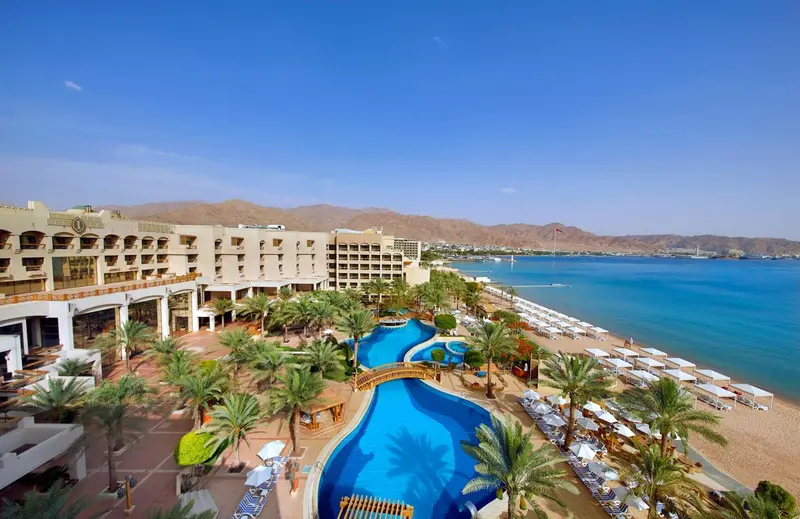
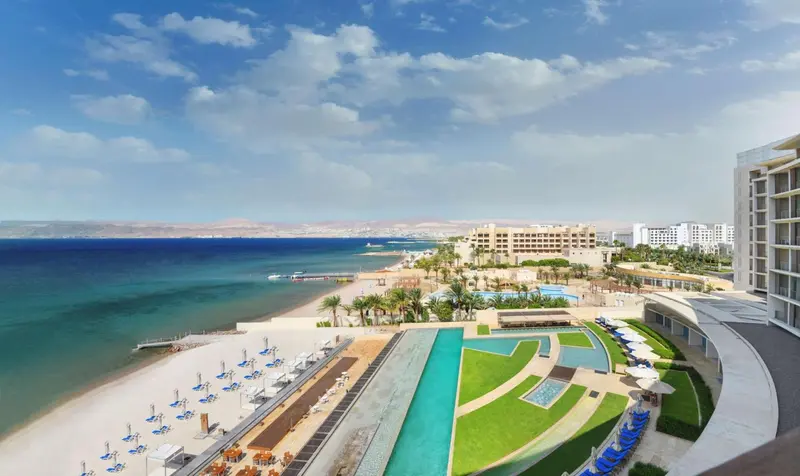
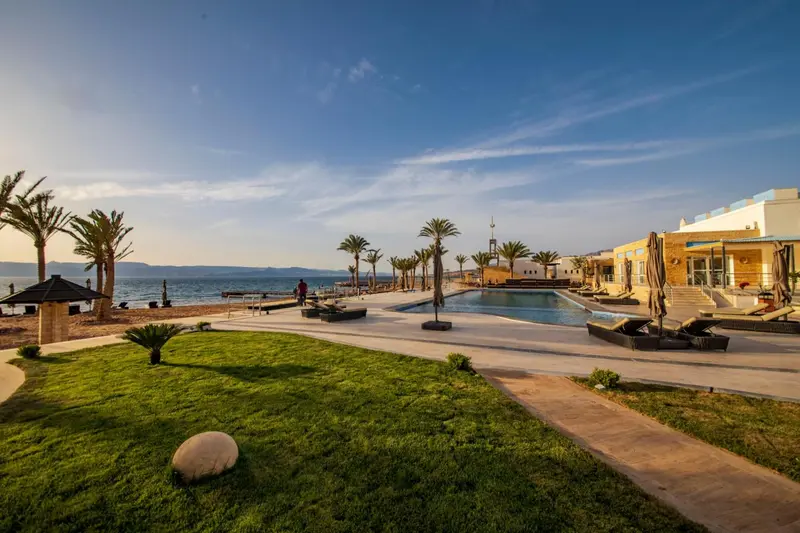
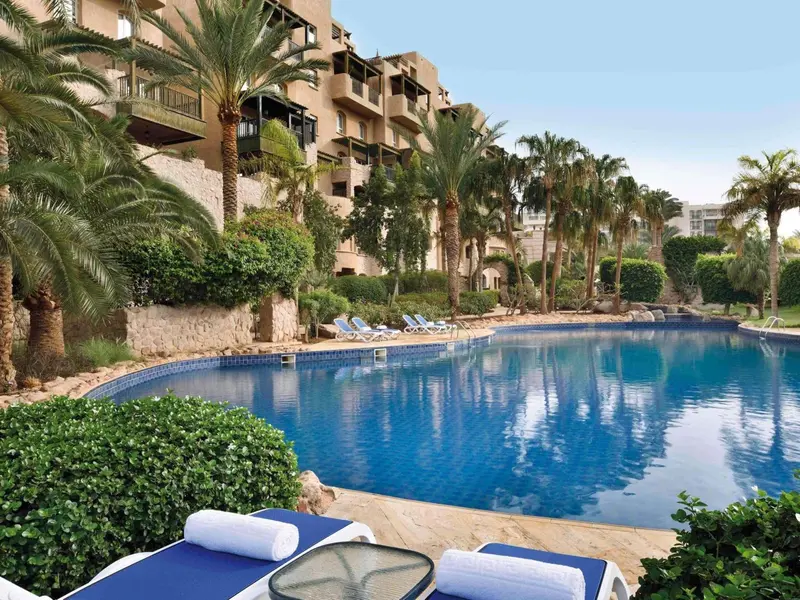
In each one, the dive centre is inside the hotel: step out of your room and go diving.
Dive centre in the hotel★★★★★
Google 4.6/5 (10,426 reviews)
The dive centre
Sinai Divers Aqaba
PADI
Google 4.7/5 (73 reviews)
Dives: Bannerfish Bay, Eel Garden, Lighthouse
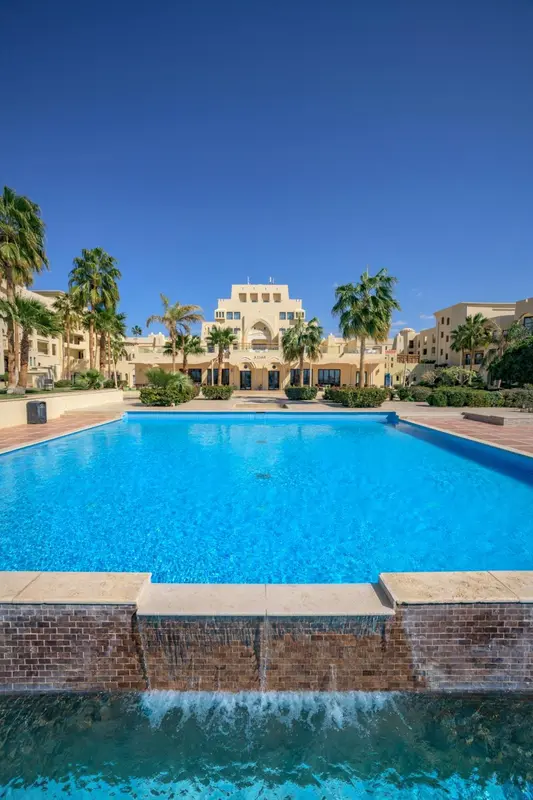 Dive centre in the hotel
★★★★★
Google 4/5 (5,841 reviews)
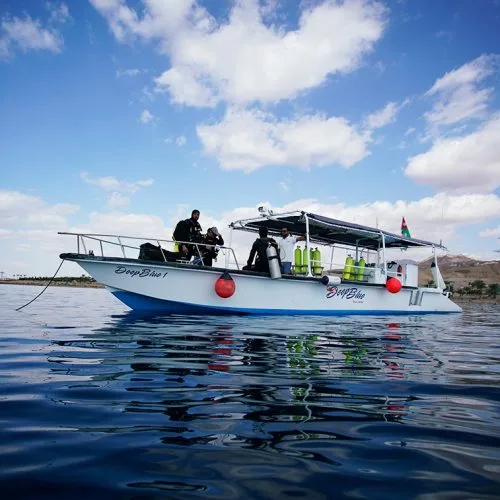
The dive centre
plongee avec deep blue dive center
PADI
Google 4.9/5 (362 reviews)
Dives: Cedar Pride, Yellowstone Reef, Blue Coral
Your last day stays dry: no diving in the 18-24 hours before a flight, the perfect window to see the destination from another angle.
 Culture
⏱ 8 h · ★ 5.0 (28 reviews)
from £190$254€227
see on Viator ↗
 Culture
⏱ 2 h · ★ 5.0 (16 reviews)
from £23$31€27
see on Viator ↗
 Desert
⏱ 3 h · ★ 5.0 (11 reviews)
from £95$127€114
see on Viator ↗
 Nature
⏱ 8 h · ★ 4.0 (1 reviews)
from £141$188€168
see on Viator ↗
Ratings and reviews collected by Viator and Tripadvisor.
November to January brings Aqaba’s calmest sea, making it suitable for relaxed shore entries and photography around wrecks. If lower rainfall matters more, April to November may suit your travel plans. Aqaba is described as a year-round diving destination, with comfortable conditions across the year.
Aqaba works for beginners through experienced and technical divers. Japanese Garden, Rainbow Reef, First Bay, Seven Sisters and The Tank suit beginners, try dives or snorkelling, while Cedar Pride is within Open Water limits. Advanced experience helps at Power Station Wall, and Taiyong Wreck requires deep, decompression or trimix training.
You can explore coral slopes, artificial reefs and wrecks including Cedar Pride, The Tank, Hercules C130 and the Underwater military museum. Reef life includes moray eels, lionfish, parrotfish, fusiliers, butterflyfish, pufferfish and anthias. Japanese Garden is noted for regular green sea turtle sightings.
Plan a flexible stay that combines house-reef dives with boat outings. Begin at First Bay or Eel Garden, then visit Japanese Garden, Cazar Reef or Rainbow Reef. Keep separate time for Cedar Pride, Power Station Wall or Taiyong Wreck according to certification, and stay close to the diving base to reduce transfers.