
Afro Divers
Google 4.9/5 (170 reviews)
Tanzania · Africa
Coral gardens at Misali, vertical walls at Kigomasha, barracuda in the passes, and clear water set Pemba apart from Zanzibar.
For subtitles in English: start the video firstthen click the gearat the top right of the video, select “Subtitles/CC”, then “Auto-translate” and choose “English”.
Pemba is for divers who would rather spend the day on a dive boat than in a busy resort. The west coast brings together Misali’s coral gardens, the walls around Kigomasha, and the more exposed passes of Fundu Gap and Njao Gap. It is a quiet island with little urban distraction, where seven to ten days makes sense: enough time for several boat days, and for the sea to cancel one without ruining the trip.
Diving is predominantly by boat, with day trips running from the west-coast stays towards Misali, Kigomasha, Fundu Gap and Njao Gap. The underwater scenery shifts from coral gardens to steep walls, pinnacles and exposed high ground, with some sections dropping beyond recreational limits. Currents are variable rather than constant, but the passes can turn a straightforward descent into a drift dive, with a downcurrent a real possibility on exposed profiles. Visibility commonly sits around 20 to 40 metres, although rain, swell and nutrient-rich water can reduce it. Ask whether the plan is a wall, a pass or a mooring ascent before getting in, because the same calm surface conditions can conceal very different dives. Some outings are best treated as deep, moving dives, with the safety stop planned rather than improvised.
Barracuda and giant trevally are regular possibilities around the exposed reliefs and passes, where moving water brings food across the reef. Napoleon wrasse are also encountered throughout the year. Manta rays can appear in any season, although they remain occasional rather than guaranteed, while marine turtles are occasional year-round visitors. Whitetip reef sharks are possible at any time, and hammerhead sharks are rare enough not to shape an itinerary. The clearest water is generally found from September to November, but the nutrient-rich periods that lower visibility can also attract larger plankton-feeding animals. Pemba therefore rewards looking beyond the visibility figure: a slightly green or unsettled day may still produce the most interesting pelagic encounter.
July to March is the more dependable period for diving, with September to November usually offering the clearest visibility. December to March often combines good clarity with calmer seas, which helps when reaching the outer passes by boat. April and May are the rainy season and the least sensible choice for a short trip built around exposed sites: monsoon rain can bring swell, runoff, reduced visibility and fewer departures. The shoulder between weather and water quality is worth accepting if the priority is marine life, but anyone focused on walls and long boat runs should keep extra days in reserve.
Pemba suits experienced recreational divers, particularly those comfortable with boat diving, walls and changing current. Advanced Open Water is useful for the deeper and more exposed profiles, while a current speciality is sensible for the passes. Some coral gardens and sheltered sites can suit less experienced divers, but the island’s signature terrain is not uniformly gentle. A diver should be able to descend, hold position and manage a moving ascent without treating every site as a beginner dive simply because the boat is in calm water.
From London Heathrow, London Gatwick or Manchester, allow roughly 15 to 25 hours, depending on connections. Pemba is reached by a domestic flight from Zanzibar or Dar es Salaam, or by ferry from either of those points. The ferry crossing from Zanzibar usually takes several hours, while the Dar es Salaam service is around four hours when scheduled, and road travel alone from mainland Tanzania is not possible. Connections need slack: a late ferry, regional flight or island transfer is harder to absorb than a missed train at home. Once on Pemba, accommodation and diving are commonly linked, with transfers arranged through the place where you stay rather than a simple, island-wide walk-up taxi system.
Do not book Pemba assuming every dive is sheltered from current. Before each departure, ask which sector is planned and whether it involves a wall, a pass, a deep profile or a mooring ascent. Treat a quiet-looking wall as potentially deep and drifting. For Njao Gap and Fundu Gap, keep several days available, since longer boat runs are more exposed to swell and a morning departure can become impractical later in the day. Early starts also reduce the chance of a deteriorating sea and avoid the busiest periods. Bring a computer suited to deep, repetitive profiles. Do not build the trip around a promised 30 to 40 metres of visibility, because rain, swell and nutrient-rich water can change that quickly. Finally, avoid arriving by ferry and planning an immediate dive. The crossing and onward transfer need breathing space, especially when a missed connection has consequences on an island.
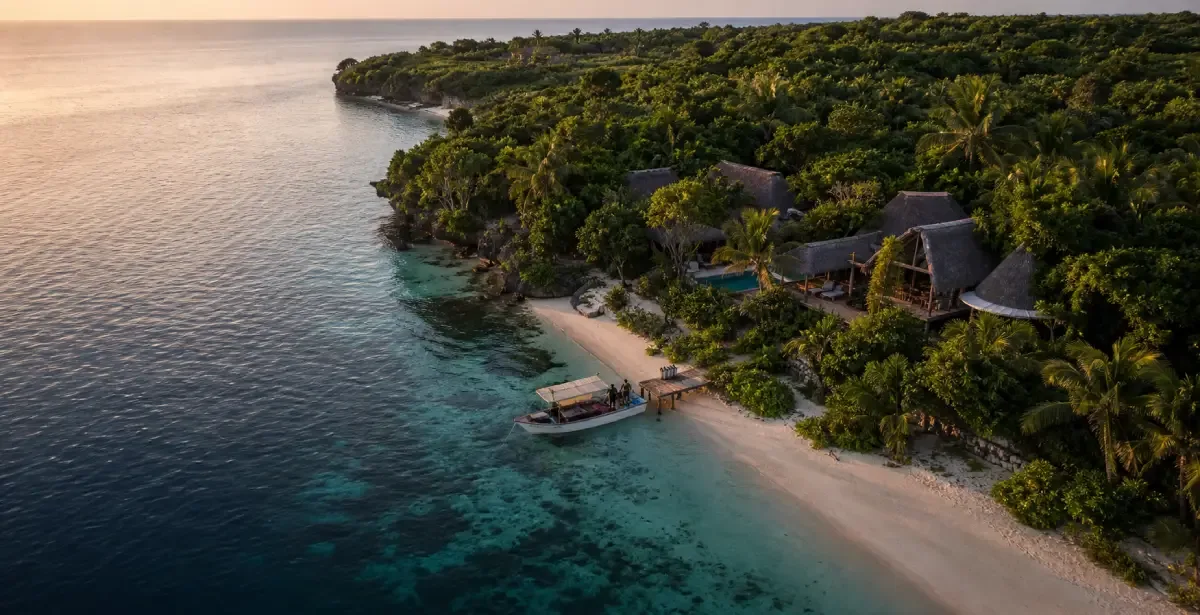
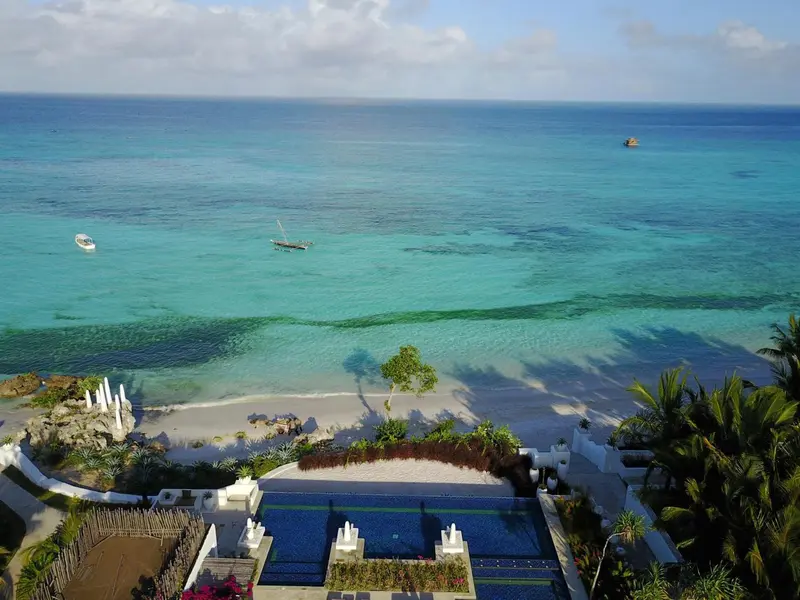
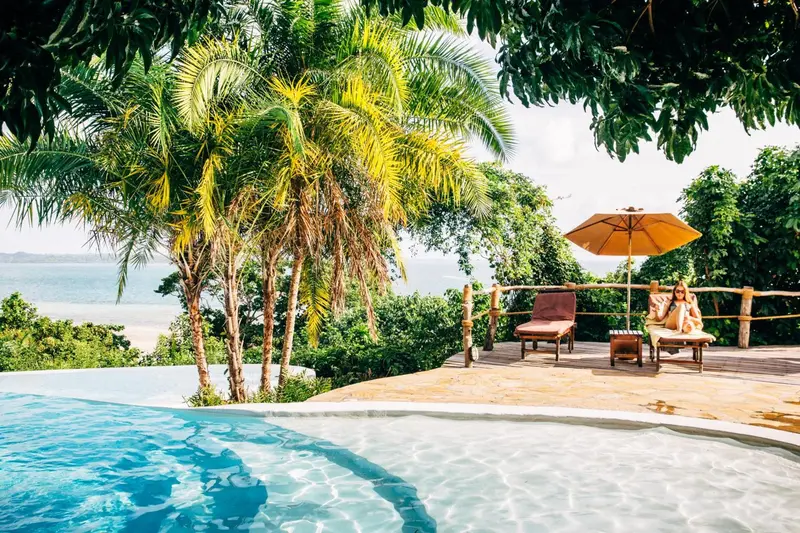
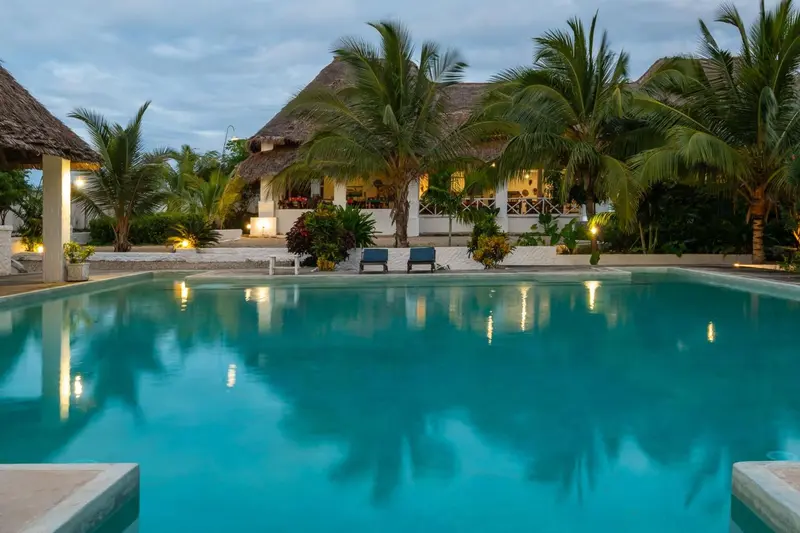
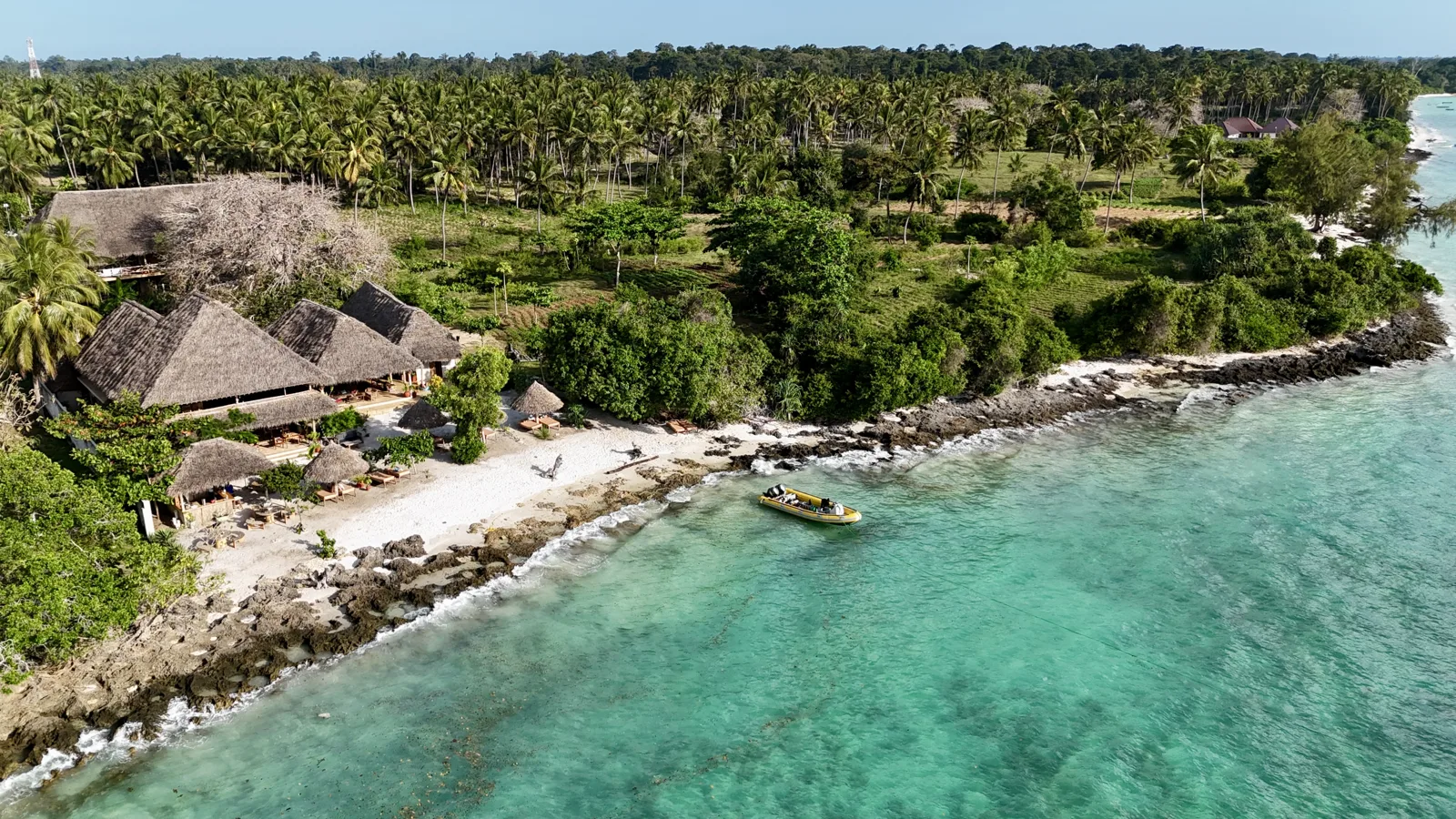
The practical arrangement is a land-based stay attached to a diving operation, with the west-coast sites reached by boat during the day. Misali and nearer coastal areas can form the easier part of the programme, while Fundu Gap and Njao Gap need suitable sea conditions and longer outings. Surface intervals are spent quietly at the accommodation or on the coast. Non-divers have beaches, reefs for mask, snorkel and fins, mangroves, villages and clove plantations, but less organised entertainment than Zanzibar.
Hello, I'm Marina, DivingDeal.com's AI assistant. I guide you through destinations, areas and countries.
Thinking about the whole trip and the flights? Talk it over with Edith →
Marina is an AI. Some links are affiliate links: DivingDeal may earn a commission, at no extra cost to you. Bookings are made with the partner.
July to March is the more dependable period for diving in Pemba. September to November generally brings the clearest water, while December to March can combine good clarity with calmer seas for boat trips. April and May are rainy, with swell, runoff, reduced visibility and fewer departures, so keep extra days for weather.
Pemba suits experienced recreational divers who are comfortable with boat diving, walls and changing current. Advanced Open Water is useful for deeper, exposed profiles, and a current speciality is sensible for the passes. Sheltered coral gardens may suit less experienced divers, but you should be able to descend, hold position and manage a moving ascent.
Pemba offers Misali’s coral gardens, steep walls around Kigomasha, pinnacles and exposed reliefs at Fundu Gap and Njao Gap. Barracuda and giant trevally are regular possibilities, while Napoleon wrasse occur throughout the year. Manta rays, marine turtles and whitetip reef sharks can appear in any season, though these encounters remain occasional.
Plan a land-based stay connected with a diving operation on the west coast, using day boats for Misali, Kigomasha, Fundu Gap and Njao Gap. Allow several days for sea conditions and cancellations, especially for longer runs. Arrange transfers through your accommodation, leave breathing space after arriving by ferry, and ask about each dive’s profile before departure.