
Dolphin Dive
Google 4.9/5 (109 reviews)
Brazil · Americas
Rocky reefs, wrecks, tunnels and sheltered island bays sit within a Brazilian stay that runs from Rio’s city life to Ilha Grande and Arraial do Cabo.
For subtitles in English: start the video firstthen click the gearat the top right of the video, select “Subtitles/CC”, then “Auto-translate” and choose “English”.
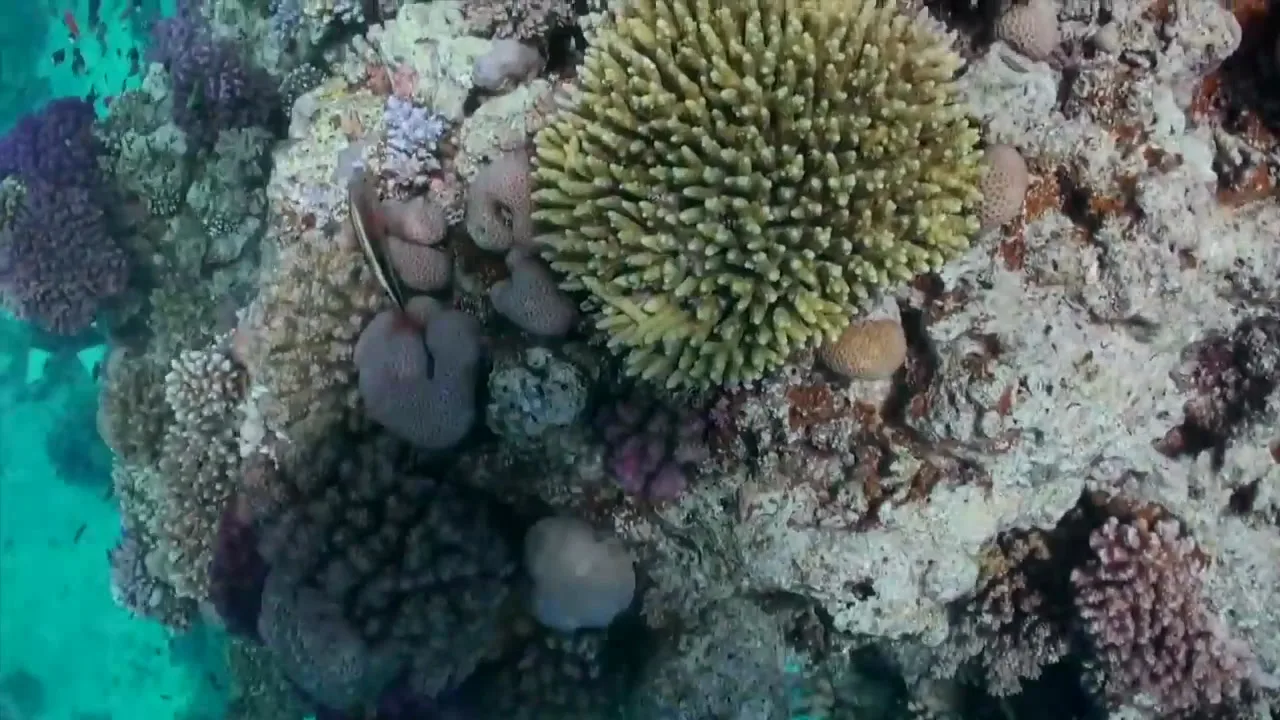
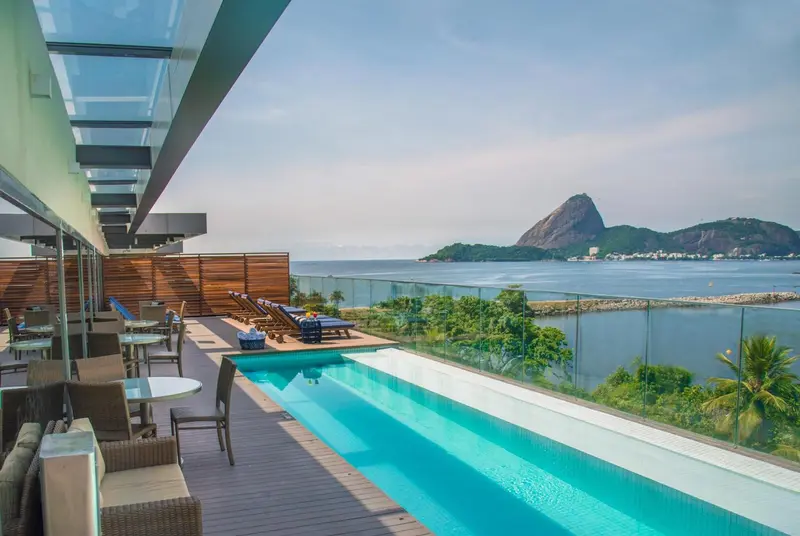
Rio de Janeiro is a city break with diving attached, not a single compact resort coast. The city provides beaches, viewpoints, museums and historic neighbourhoods, while the wider state opens towards Ilha Grande, Angra dos Reis and Arraial do Cabo. Underwater, expect rocky reefs, wrecks, tunnels, walls and sheltered bays rather than one defining signature site. It suits a traveller happy to divide time between urban Brazil and boat-based diving, with the best underwater bases lying beyond the city itself.
The diving shifts noticeably from one sector to another. Ilha Grande and Angra dos Reis favour island sites and protected bays, where boat trips can continue when more exposed water is unsettled. Arraial do Cabo brings a stronger concentration of rocky formations, tunnels and wrecks, with sites selected according to the day’s wind and swell. Currents are variable, so a calm-looking bay and an exposed island site may offer very different dives on the same day. Most organised outings leave by boat, rather than from the beach, and visibility can fall after rain or when swell, wind and plankton move through. Sheltered sites are the sensible fallback, not a consolation prize. More experienced divers can look towards deeper sites and certain wrecks, while the overall character remains accessible to divers who are prepared to adapt the plan.
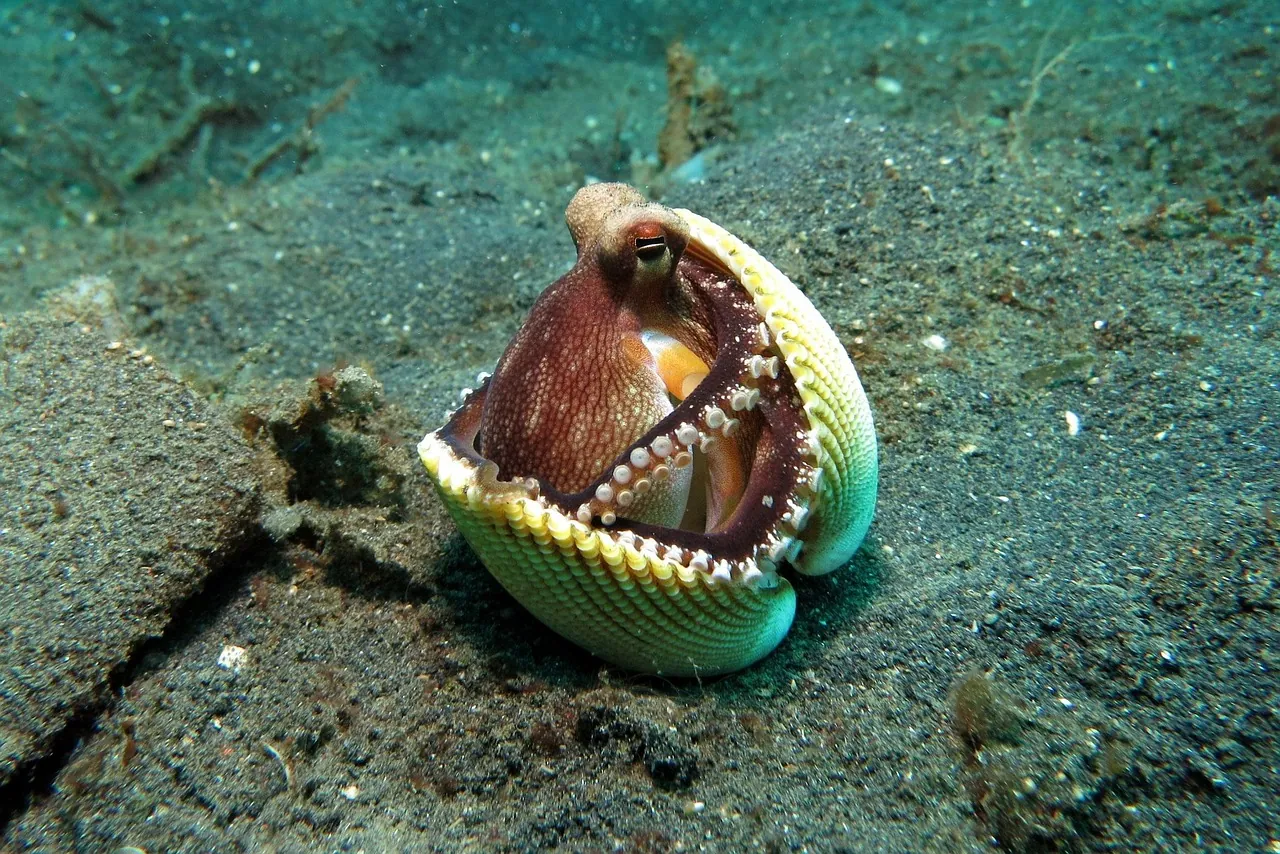
Sea turtles, tropical reef fish and octopuses are regular encounters across the region’s rocky reefs, island bays and boat sites. The setting changes the character of the wildlife: protected water around Ilha Grande and Angra dos Reis encourages slow-looking dives around rock, while Arraial do Cabo adds tunnels, wreck structure and exposed formations to explore. This is not a destination where a particular animal should dictate the calendar. Wildlife sightings are supported throughout the diving season, but visibility can be affected by rain runoff, swell, wind and plankton. Allow time to look into cracks and along the reef rather than expecting every dive to deliver large passing animals.
April, May, June, October and November offer the most useful compromise. These in-between months generally bring calmer seas, fewer visitors and more consistent visibility than the busy austral summer. Summer water is warmer, but wind, swell, plankton and holiday traffic can all increase, with knock-on effects for boat departures and site choice. Winter brings cooler water and may make some exposed sites harder to reach. Visibility is often more favourable from April to September, particularly when recent rain has not sent runoff into coastal water. The practical choice is therefore a shoulder-season trip, with enough flexibility to use sheltered bays when conditions turn.
Sheltered bays and shallower rocky sites make the region workable for beginners, provided the day’s conditions are matched sensibly to their experience. More demanding wrecks and deeper sites call for stronger skills, and Advanced Open Water is useful for those plans. Divers qualified through PADI, SSI or BSAC can find suitable outings, but certification alone does not remove the need to discuss current, depth and exposure with the local team. Comfortable boat diving and the ability to alter a plan matter more here than chasing a particular site name.
From London Heathrow, London Gatwick or Manchester, fly to Rio de Janeiro, then continue by road towards the chosen diving base. Arraial do Cabo is roughly two and a half hours from Rio in suitable traffic conditions, while Angra dos Reis and the departure points for Ilha Grande require several hours on the road followed by a ferry or boat crossing. Settle in Vila do Abraão for Ilha Grande, where accommodation, dive departures and village services are close enough to reach on foot. In Arraial do Cabo and Angra dos Reis, central areas are generally walkable, with taxis useful when accommodation or embarkation points sit farther out. Treat each sector as a separate transfer, not as a quick urban excursion.
Do not book every night in Rio and assume Ilha Grande or Arraial do Cabo can be added between city activities. Group the dives by area, cross to Ilha Grande before the diving programme begins, and build the stay around Vila do Abraão rather than trying to commute from the mainland. Arraial do Cabo deserves a proper travel day, not a rushed add-on from Rio. Ask about sheltered sites on the morning of departure when wind or swell threatens the exposed options, and check which suit is appropriate for the sector and season. Midweek departures in the shoulder months usually reduce pressure on the busiest boats. Keep a spare day before flying home, especially after an island stay, and never plan a final dive or ferry connection around the flight itself. Conditions can change the boat plan, while road delays can turn a comfortable connection into a missed one.
Allow seven to ten days if the plan includes Rio, an island base such as Ilha Grande or Angra dos Reis, and diving at Arraial do Cabo. A shorter trip is better organised around one sector. Rio gives non-divers museums, beaches, neighbourhoods and viewpoints; Ilha Grande adds trails and beaches, while Angra dos Reis and Arraial do Cabo provide boat trips, swimming and snorkelling. Keep strenuous walks and major viewpoints away from the diving days rather than trying to fit everything into one afternoon.
Hello, I'm Marina, DivingDeal.com's AI assistant. I guide you through destinations, areas and countries.
Thinking about the whole trip and the flights? Talk it over with Edith →
Marina is an AI. Some links are affiliate links: DivingDeal may earn a commission, at no extra cost to you. Bookings are made with the partner.
April through June and October through November offer a useful balance of calmer seas, fewer visitors and steadier visibility. Summer brings warmer water but can also bring more wind, swell, plankton and holiday traffic. Winter has cooler water and may make some exposed sites harder to reach.
Sheltered bays and shallower rocky sites can suit beginners when conditions match their experience. More demanding wrecks and deeper sites require stronger skills, while Advanced Open Water is useful for those plans. Comfortable boat diving and flexibility to change the itinerary are important because currents, wind and swell vary.
You can explore rocky reefs, tunnels, walls, wrecks and sheltered island bays. Sea turtles, tropical reef fish and octopuses occur across the region. Ilha Grande and Angra dos Reis favour protected rock and island sites, while Arraial do Cabo adds exposed formations, tunnels and wreck structure to the underwater scenery.
Treat Rio, Ilha Grande, Angra dos Reis and Arraial do Cabo as separate areas rather than quick add-ons. Group dives by base, stay in Vila do Abraão for Ilha Grande, and allow time for road travel, ferries or boats. Keep flexibility for sheltered sites, and leave a spare day before flying home.