Americas
Costa Rica: offshore diving with a sharp edge
From Playa Flamingo to Cocos Island, Costa Rica shifts from accessible boat diving to an expensive offshore expedition shaped by current.
What makes this country unique
- Playa Flamingo across every month of the year
- Cocos Island for experienced current divers
- Cano Island for moderate-cost boat diving
- Dirty Rock and Bajo Manuelita at Cocos Island
- Devil Pinnacle at Cano Island boat dives
- Catalina Islands from Playa Flamingo boat trips
- January through December at Playa Flamingo
For subtitles in English: start the video firstthen click the gearat the top right of the video, select “Subtitles/CC”, then “Auto-translate” and choose “English”.
This country for a diver
Costa Rica is a Pacific diving country divided between accessible coastal boat trips and a remote offshore expedition. Playa Flamingo and Cano Island sit in the moderate-priced, all-levels bracket, with variable current and no cruise format. Cocos Island is the outlier: expensive, cruise-based and intended for experienced divers facing strong current. The common thread is movement by boat rather than sheltered shore diving. This is not a destination to choose casually by reef scenery alone; the real decision is whether you want a manageable coastal base or a demanding island voyage.
How the country divides
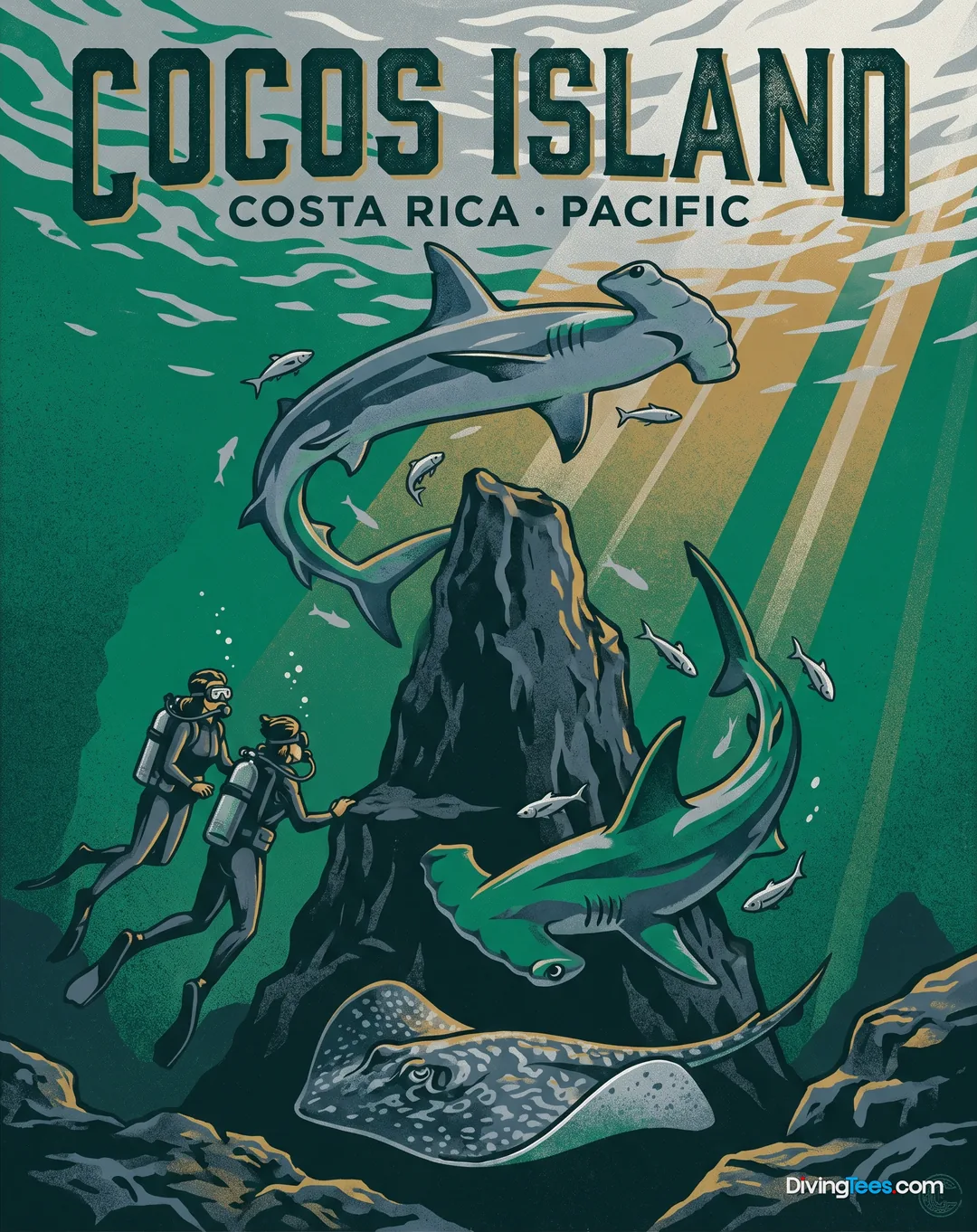
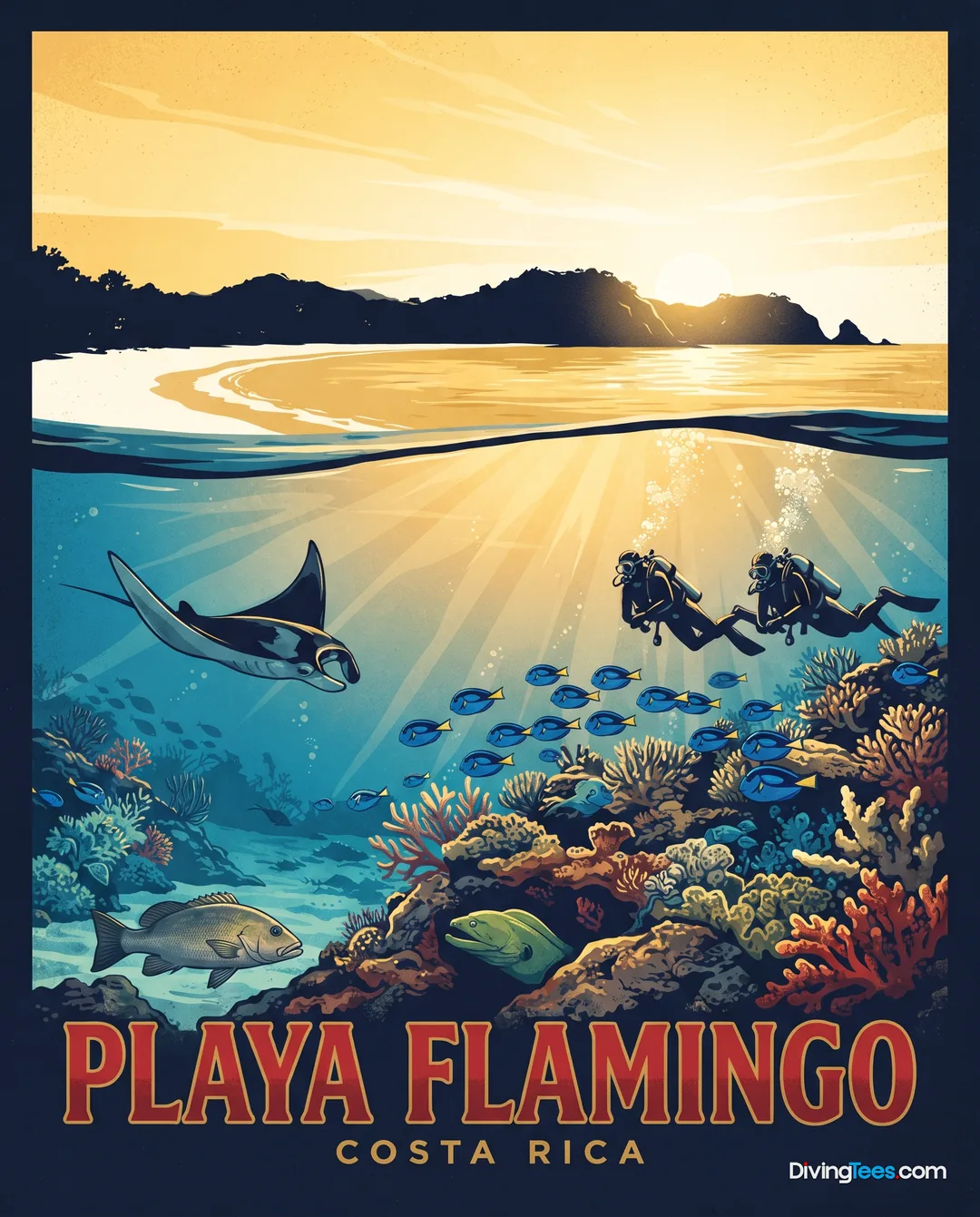
Costa Rica divides into three distinctly different choices rather than one continuous diving circuit. Playa Flamingo represents the coastal option: moderate in price, suitable for all levels, and centred on boat trips to the Catalina Islands. Cano Island occupies a similar practical space, also moderate-priced and open to all levels, but with variable current and its own island setting. Cocos Island belongs in a different category altogether. It is expensive, reached by cruise, and aimed at experienced divers comfortable with strong current and offshore exposure. That distinction matters more than simply choosing between named sites. Playa Flamingo is the straightforward choice for a coast-based holiday; Cano Island suits divers wanting an island focus without the Cocos commitment; Cocos Island is for those prepared to make the voyage the central feature of the trip. The areas should therefore be read as separate travel propositions, not interchangeable stops.
Diving destinations
Dive centres



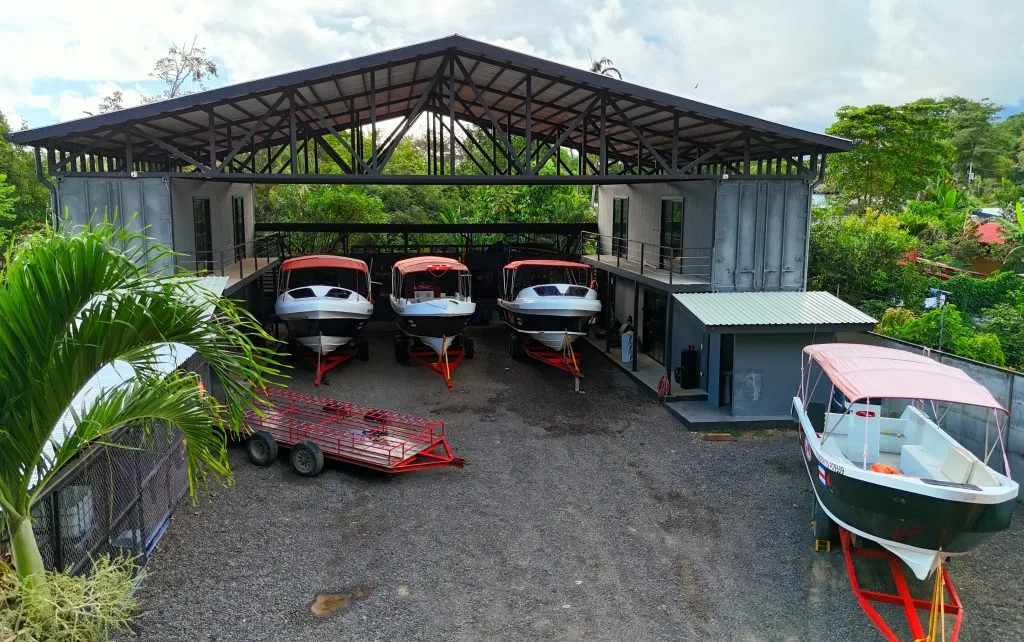

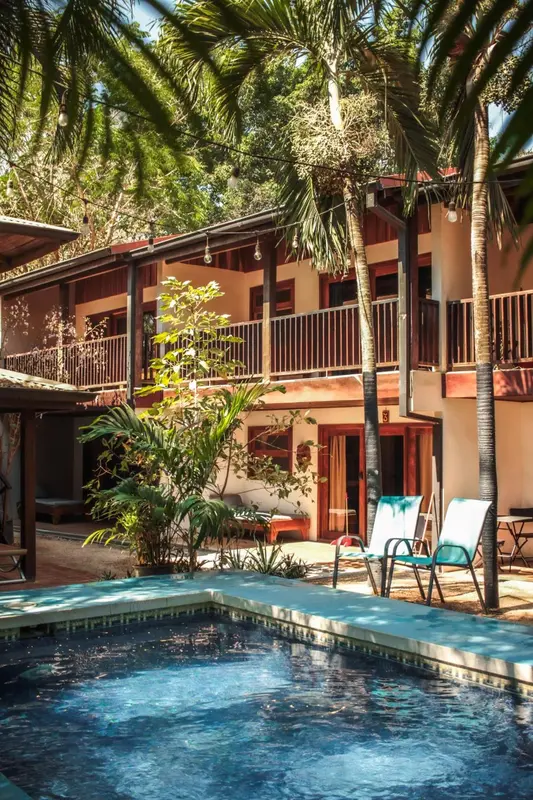
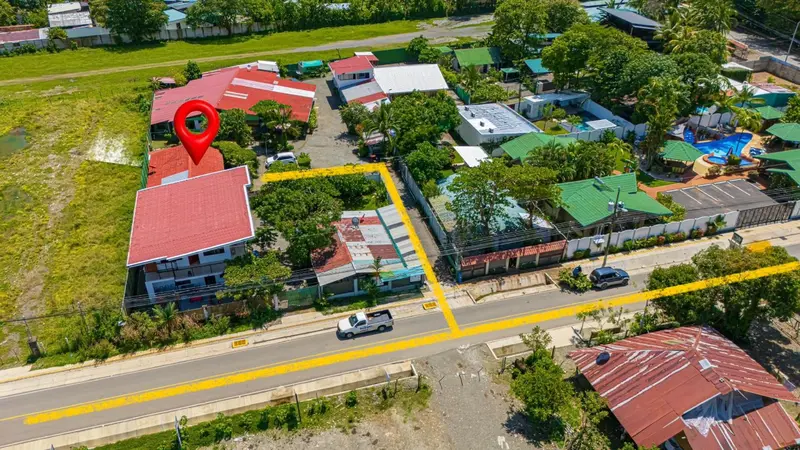
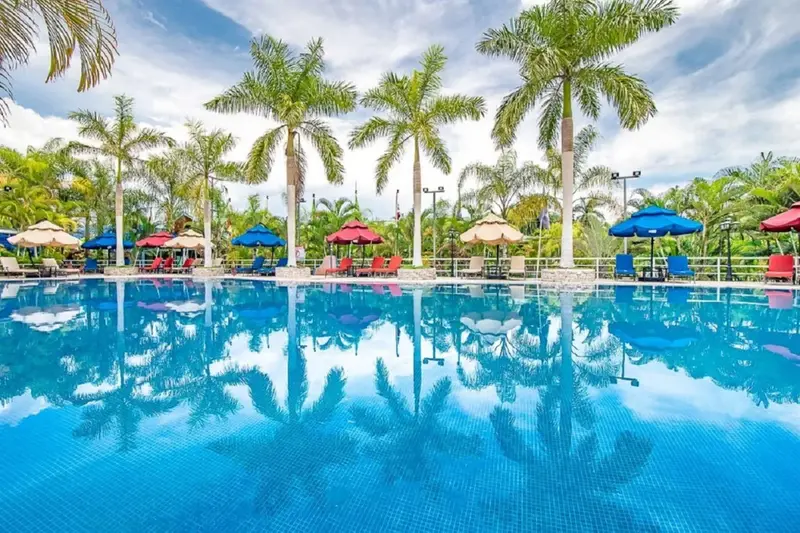
Hotels
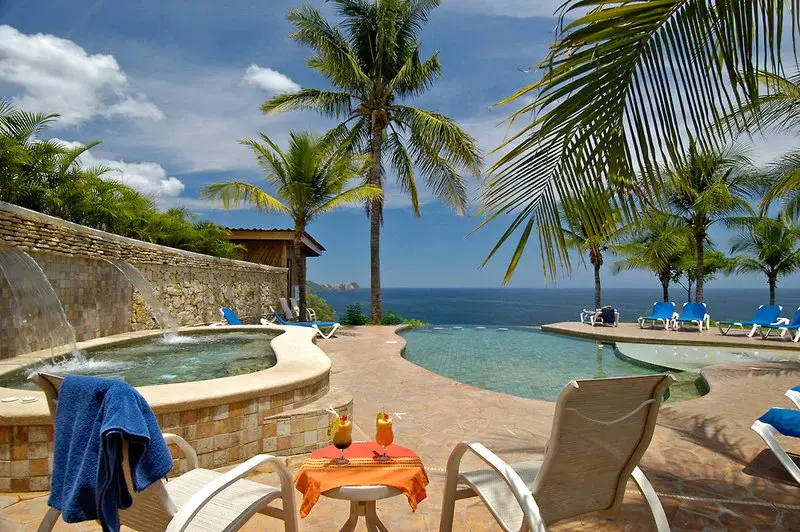
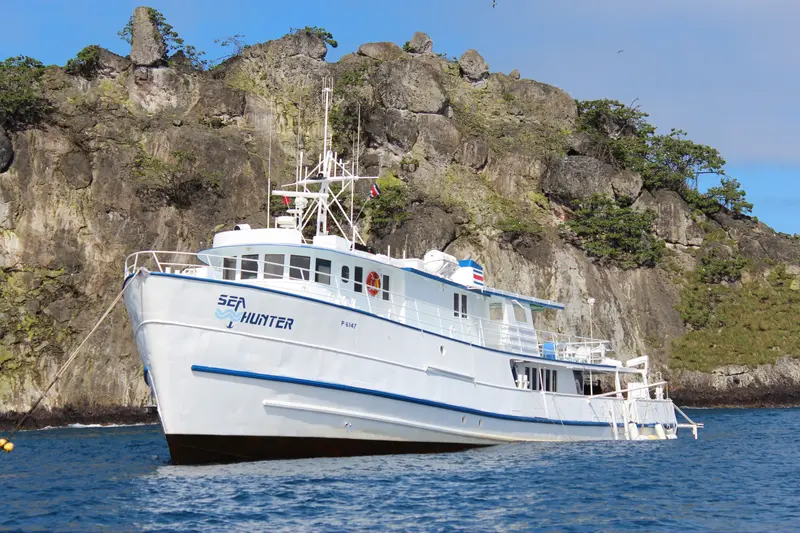
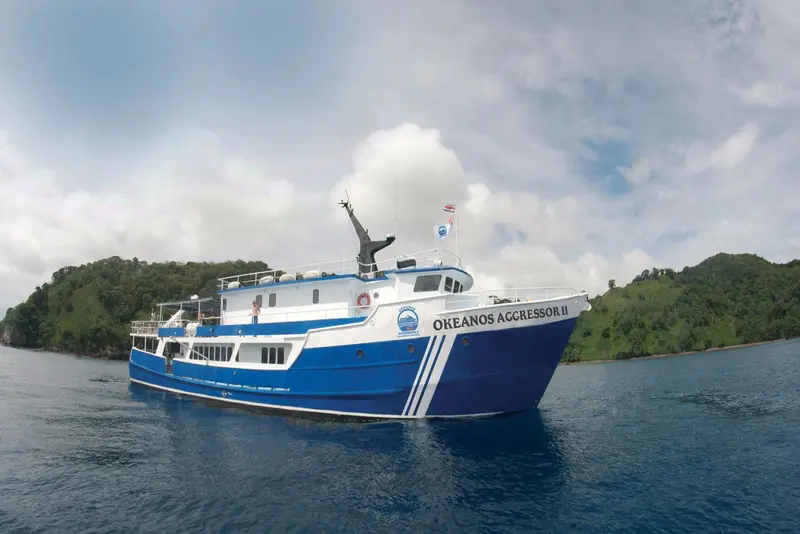
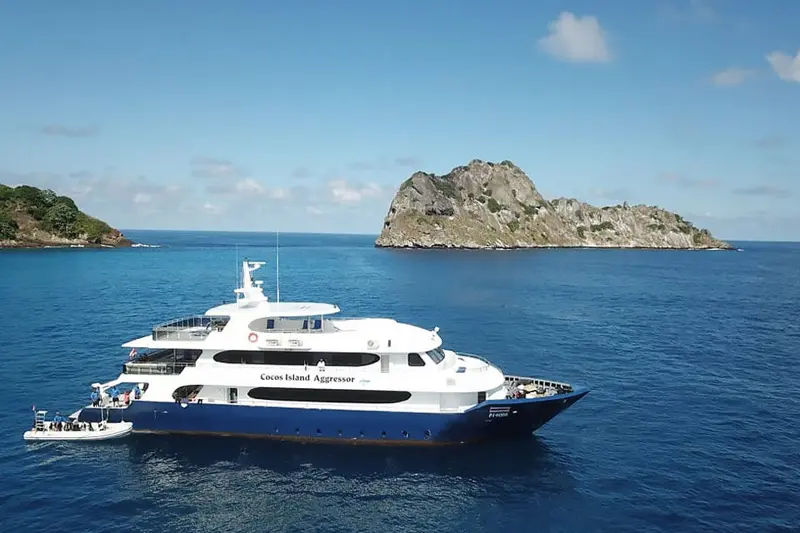
Liveaboards
When to go, and where by month
Playa Flamingo is in season from January through December, so every month offers the same broad planning window for that area. January, February and March all point to Playa Flamingo; so do April, May and June. The pattern continues through July, August and September, then October, November and December. Costa Rica therefore does not present an opposite-season choice in which one coast opens as another closes. Instead, the practical seasonal question is whether the sea conditions suit the intended journey, particularly when an itinerary depends on offshore water. The Pacific north is the key constraint: checking the marine-weather window before booking consecutive days is more useful than trying to build a calendar around tides or a monsoon pattern. A buffer day remains sensible where a boat schedule matters, especially for a costly Cocos Island voyage. Playa Flamingo gives the clearest year-round anchor; the other areas should be assessed around their operating conditions rather than assumed to share that calendar.
Marine life, coast by coast
Costa Rica's wildlife does not provide a stated country-wide checklist around which to build an itinerary. That makes the geographical choice more important than chasing a particular animal between areas. Cocos Island, Cano Island and Playa Flamingo should be treated as different diving environments first, with marine life encountered within the chosen setting rather than used as a promise of continuity from one coast to another. For a diver planning only one annual trip, this is a useful discipline: select the island or coast whose travel pattern, current and price fit the holiday, then regard wildlife as part of that experience. The named sites help identify the setting (Dirty Rock at Cocos Island, or Devil Pinnacle at Cano Island) but they should not be turned into unsupported species claims.
Getting between the areas
Costa Rica is not laid out as an easy area-hopping itinerary. The practical choices sit apart: Playa Flamingo and Cano Island are separate coastal propositions, while Cocos Island is an offshore cruise journey in its own right. A link between them is therefore not a simple extension of the same boat holiday; it demands a different departure pattern and more travel planning. For Playa Flamingo, staying on the same coast as the morning departure keeps land transfers under control. The same principle applies to Cano Island. Consecutive diving days are useful because they can absorb a weather cancellation, but they do not turn the areas into a single circuit. Nitrox is worth considering when several dives create short surface intervals, particularly on a concentrated island schedule.
Take off your mask
Away from the water, Costa Rica is best approached through the shape of the chosen diving trip rather than a forced grand tour. Playa Flamingo gives the holiday a coastal base, with the Catalina Islands defining the offshore part of the day and the surrounding coast remaining the natural frame for time ashore. Cano Island creates a different rhythm: its island setting keeps the sea journey central, while the land-based element should remain organised around the departure coast. Cocos Island is more all-consuming still. Because it is the country’s expensive cruise option, the voyage itself becomes part of the travel experience rather than a short excursion added to a mainland stay. This suits travellers who value a single, focused expedition over a loose collection of stops. The sensible contrast is therefore between a coast-led break at Playa Flamingo, an island-led trip to Cano Island, and a dedicated Cocos Island passage.
What holds true everywhere here
Several practical points shape diving across Costa Rica. Boat departures make the accommodation choice significant: staying on the same coast as the launch avoids needless morning transfers. Current briefings deserve proper attention, because Cocos Island brings strong current while Cano Island and Playa Flamingo are variable. Choose Nitrox if repetitive profiles and short surface intervals are part of the plan. A careful safety stop and good buoyancy matter on mixed rock-and-sand bottoms, where excess weight and disturbed particles quickly reduce comfort. Build consecutive days into the schedule so a marine-weather cancellation does not consume the whole trip. For Cocos Island especially, repeat descents in current-exposed offshore water should be a normal part of the decision, not an afterthought.
Frequently asked questions about Costa Rica
When can you go diving in Costa Rica, and which area fits your timing?
Playa Flamingo offers diving across every month of the year, from January through December, with boat trips to the Catalina Islands. Cocos Island and Cano Island are alternative settings, but the information emphasizes choosing among these areas based on their travel pattern, current and price rather than a country-wide seasonal wildlife calendar.
What diving level suits Costa Rica’s different destinations?
Cocos Island is intended for experienced current divers, while Playa Flamingo provides more accessible boat diving. Cano Island offers boat diving at a moderate cost, but the information does not define a specific certification level for it. Choose the setting that matches your current experience and comfort with the planned diving environment.
What can you expect to see while diving in Costa Rica?
Costa Rica has no stated country-wide wildlife checklist, so marine life should be treated as part of the setting you choose rather than a guaranteed itinerary. At Cocos Island, Dirty Rock and Bajo Manuelita identify the diving environment; at Cano Island, Devil Pinnacle does the same, without specific species claims.
How should you plan your Costa Rica diving stay?
Choose between Playa Flamingo’s accessible boat trips, Cano Island’s moderate-cost boat diving and Cocos Island’s expensive offshore expedition. Playa Flamingo also provides trips to the Catalina Islands. Treat Cocos Island, Cano Island and Playa Flamingo as distinct diving environments, then select the one whose travel pattern, current and price fit your holiday.