Costa Rica · Americas
Diving Cano Island: pinnacles, walls and pelagic encounters
Rocky pinnacles, coral gardens, white-tip reef sharks and manta rays define boat diving around this protected island off Costa Rica’s Osa Peninsula.
What makes this destination special
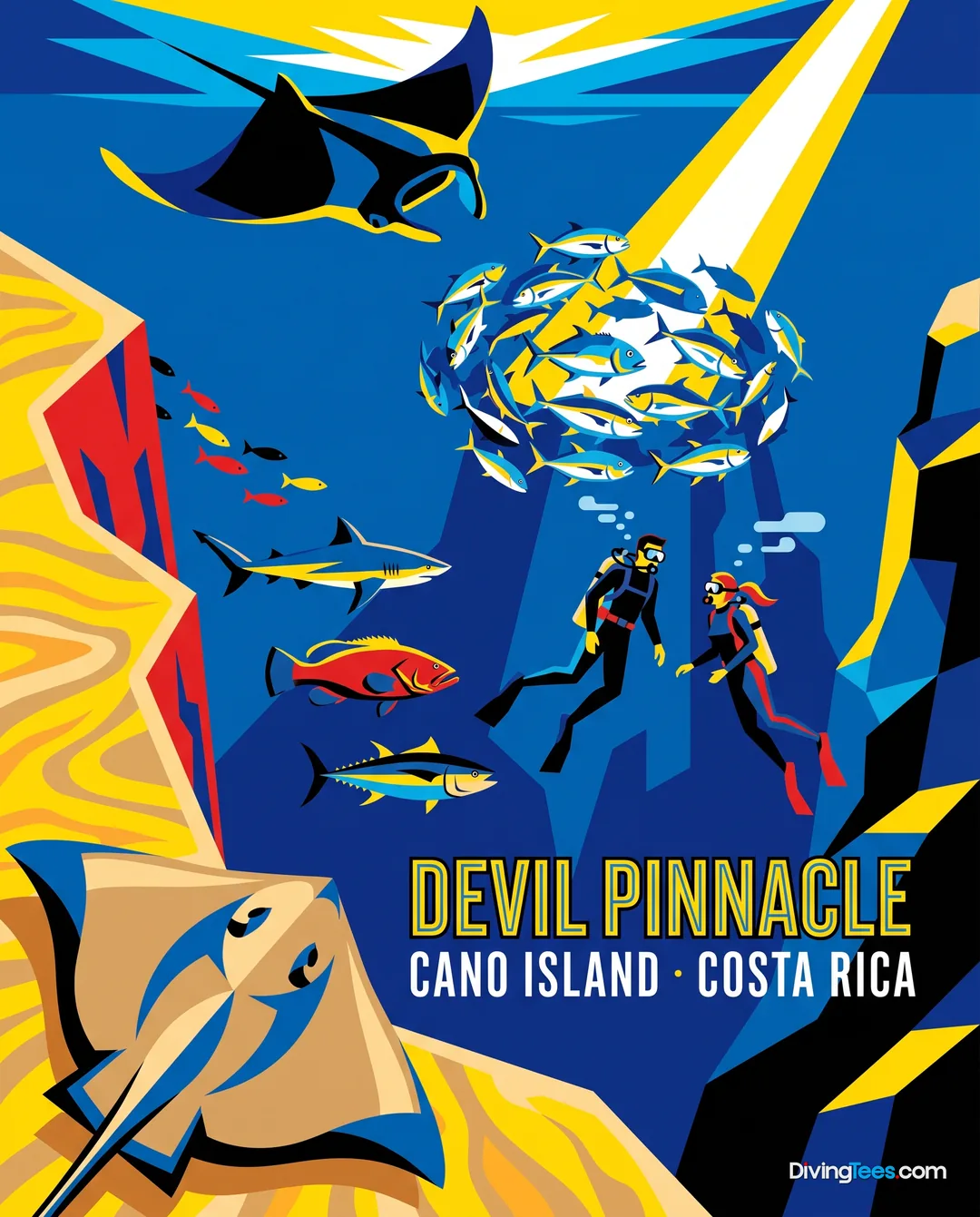
- Devil Pinnacle rising from deep water into strong current
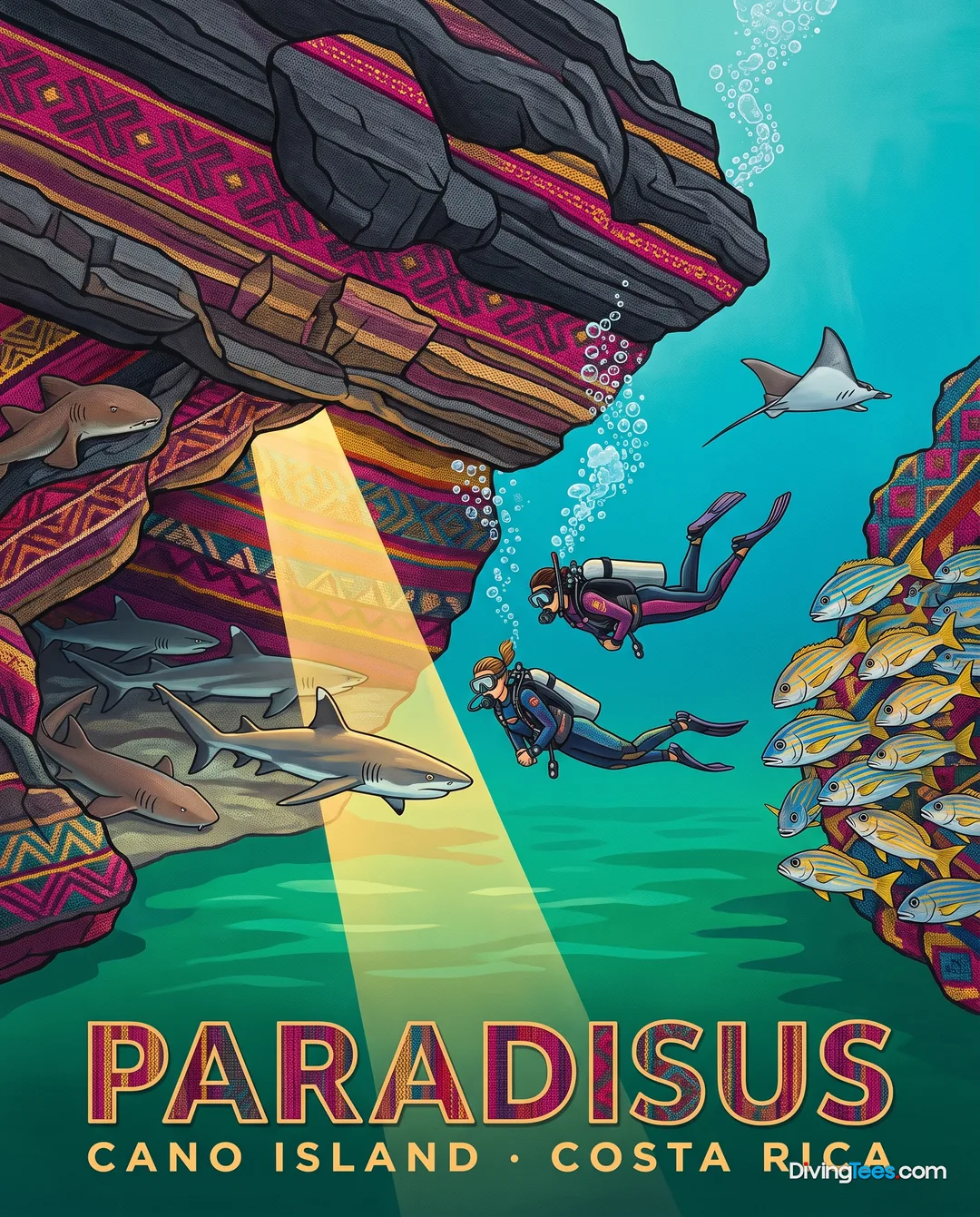
- Paradisus lava pinnacle with resident white-tip reef sharks
- Coral Garden’s hard corals in five to twelve metres
- Diablo Deep walls, canyons and sandy channels
- Manta rays and mobula rays around exposed pinnacles
- Three Rocks with gentle volcanic terrain and reef fish
- Protected waters with no-take park regulations
For subtitles in English: start the video firstthen click the gearat the top right of the video, select “Subtitles/CC”, then “Auto-translate” and choose “English”.
Overview
Cano Island is a boat-diving destination off Costa Rica’s Osa Peninsula, built around an island rather than a conventional shore-based reef. The underwater scenery is volcanic: pinnacles, steep walls, coral gardens and sandy patches drop from shallow water towards forty metres. The attraction is the possibility of a large-animal encounter at a cleaning station or exposed pinnacle, balanced by calmer dives such as Coral Garden and Three Rocks. It suits divers happy to spend the day at sea.
Diving here
Most diving is organised as guided boat trips from the coast, with the island’s exposed position shaping the day. Rocky pinnacles and walls dominate the deeper sites. Devil Pinnacle, also known as Bajo del Diablo, has a shallow top and steep sides reaching forty metres, while Diablo Deep combines vertical walls, canyons and sandy channels to thirty-five metres. Currents are variable, and can be consistently strong at the more exposed pinnacles, where a reef hook may be useful. Paradisus reaches thirty-three metres and demands careful buoyancy and awareness of depth. By contrast, Coral Garden stays between five and twelve metres, with lighter current, and Three Rocks offers a similarly approachable profile down to twenty-four metres. Visibility is site- and condition-dependent, with recorded descriptions ranging from about six to thirty-five metres. These are not shore dives: surface intervals, transfers and sea conditions are part of every outing.
Three dives not to miss
The underwater wildlife
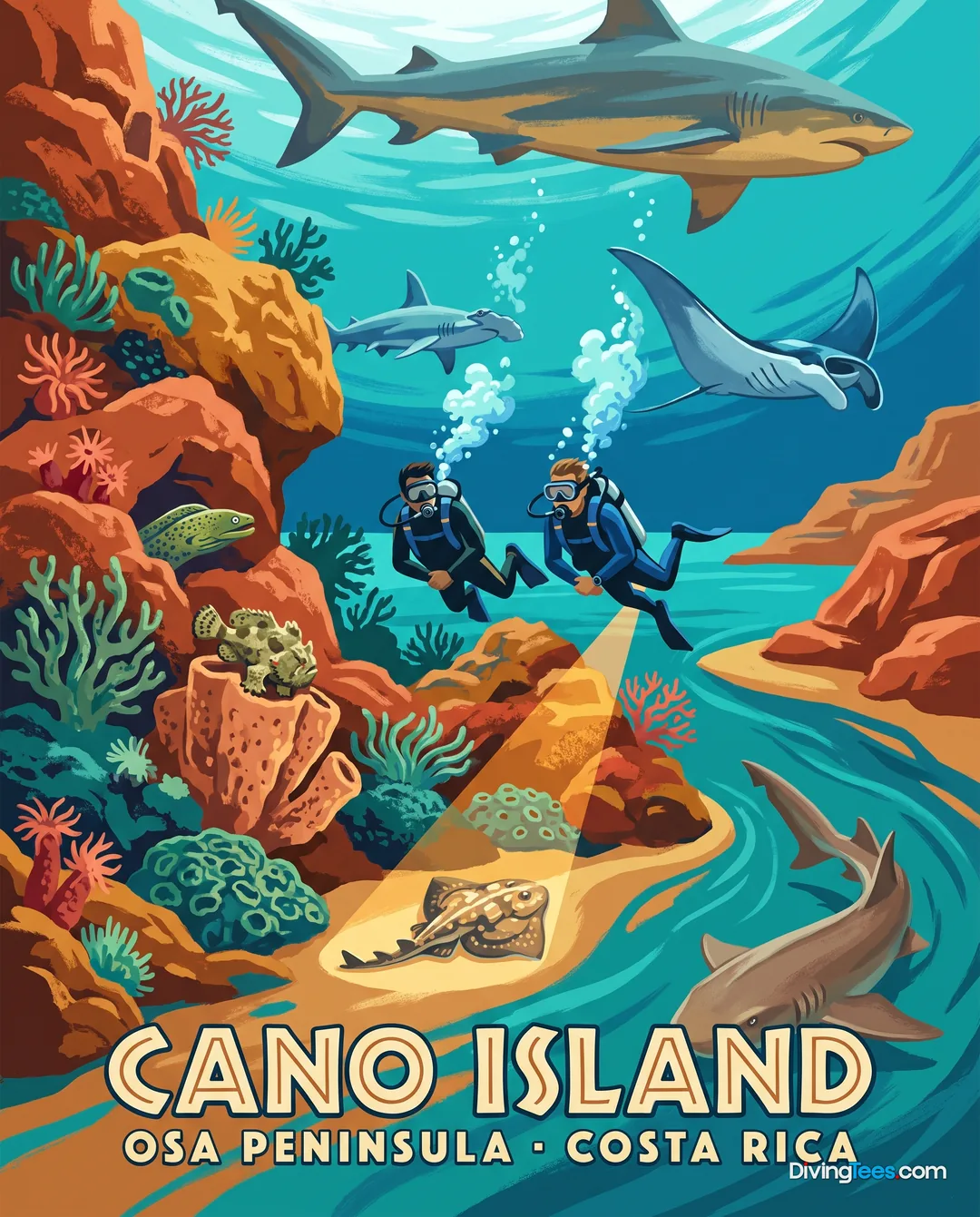
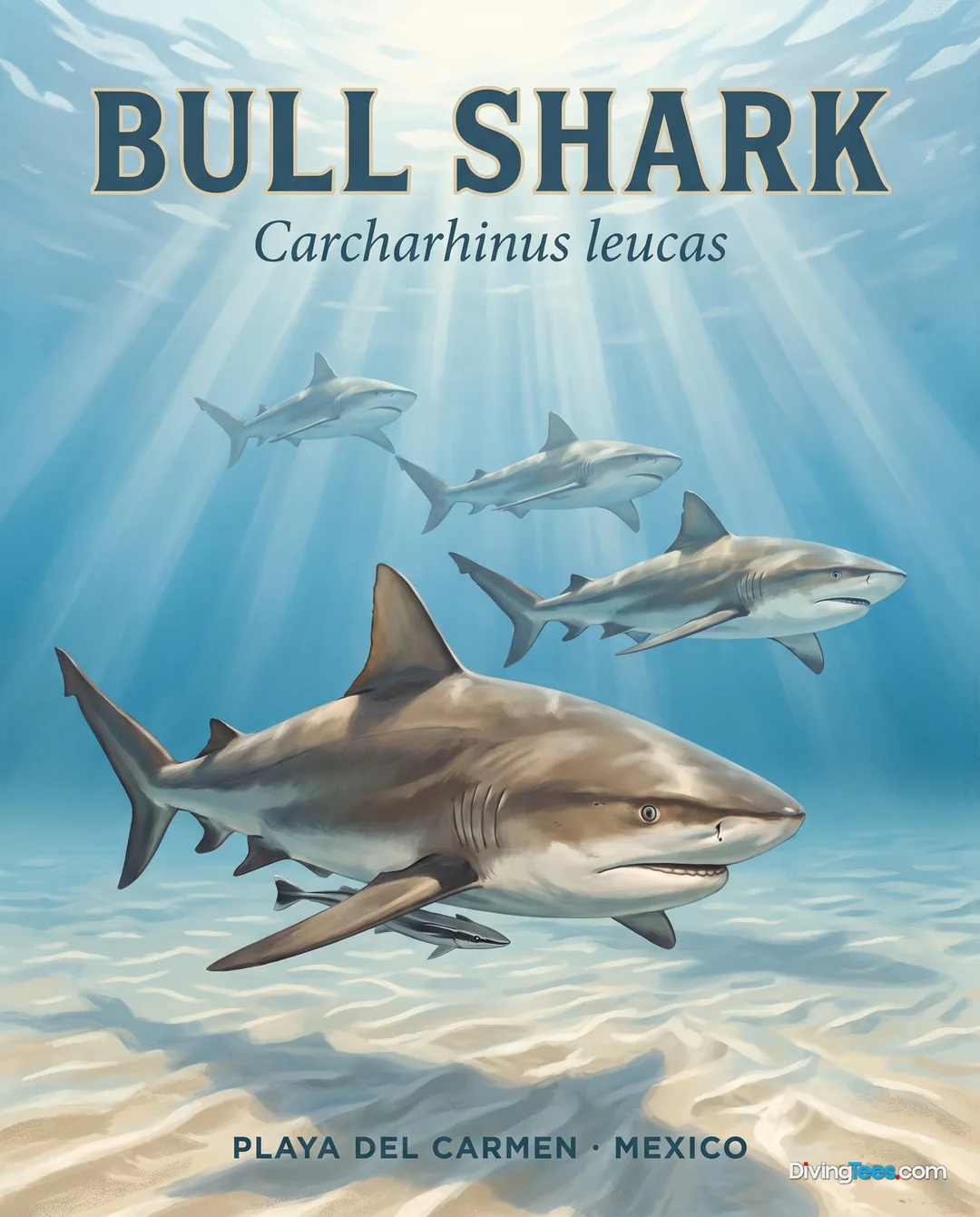
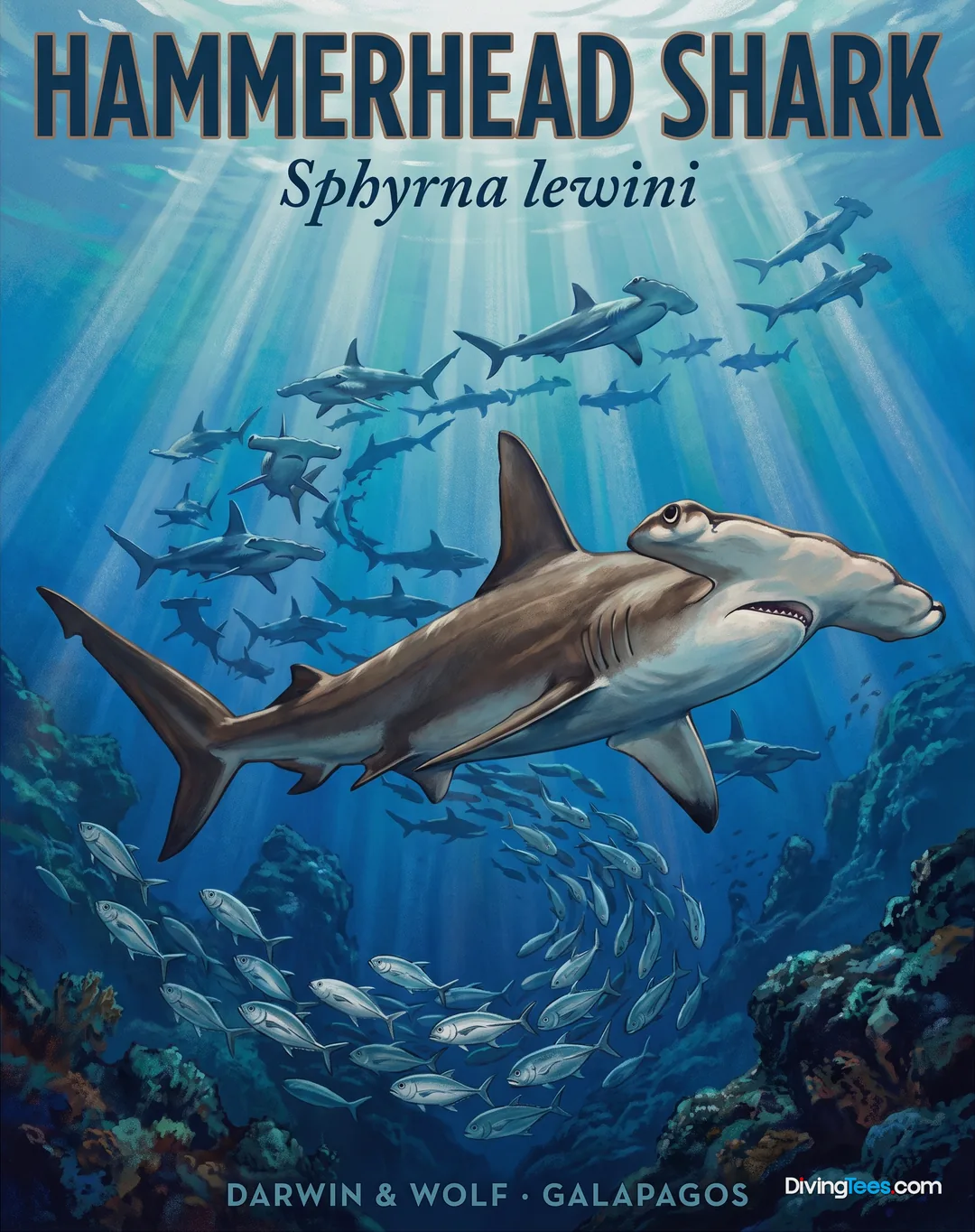
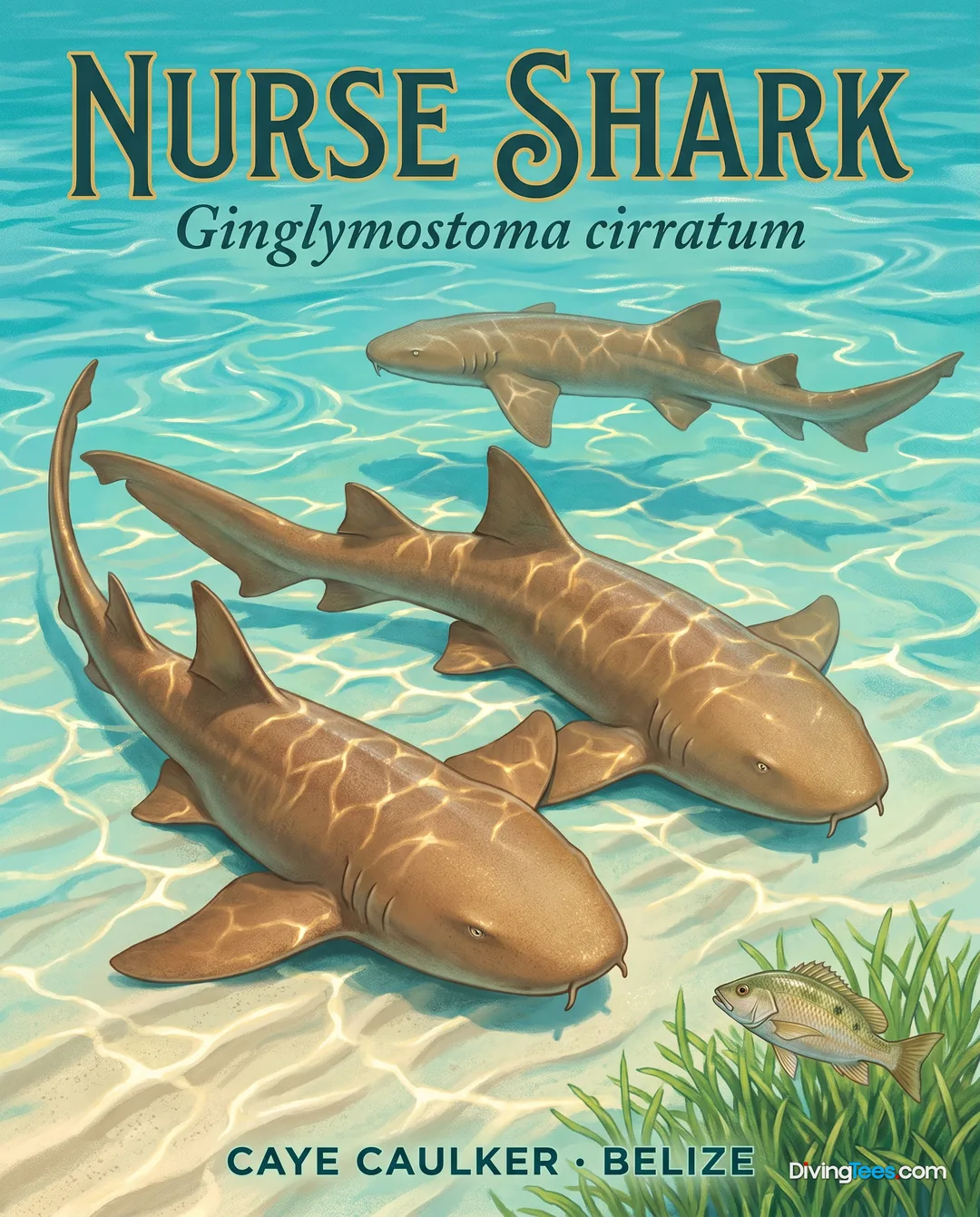
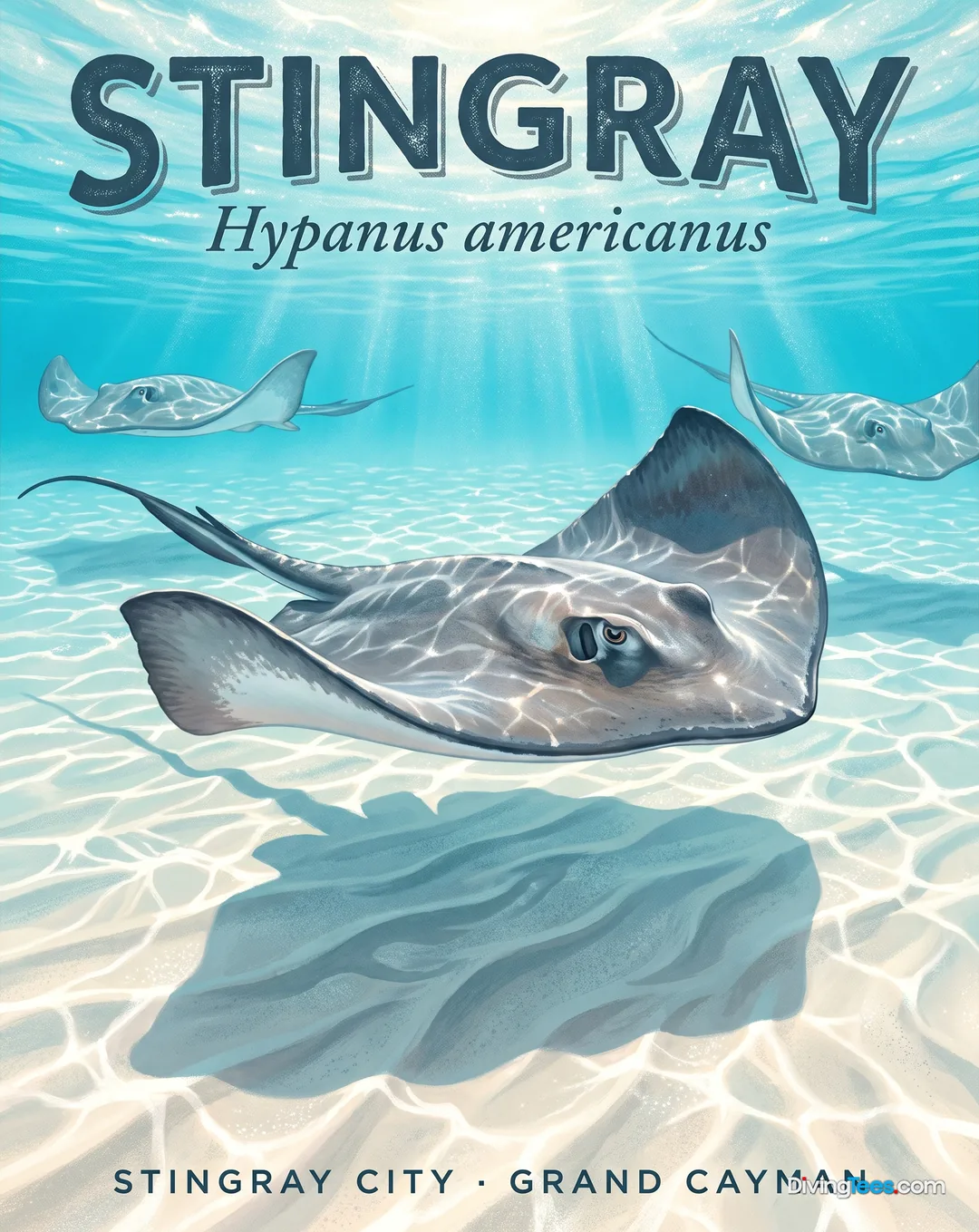
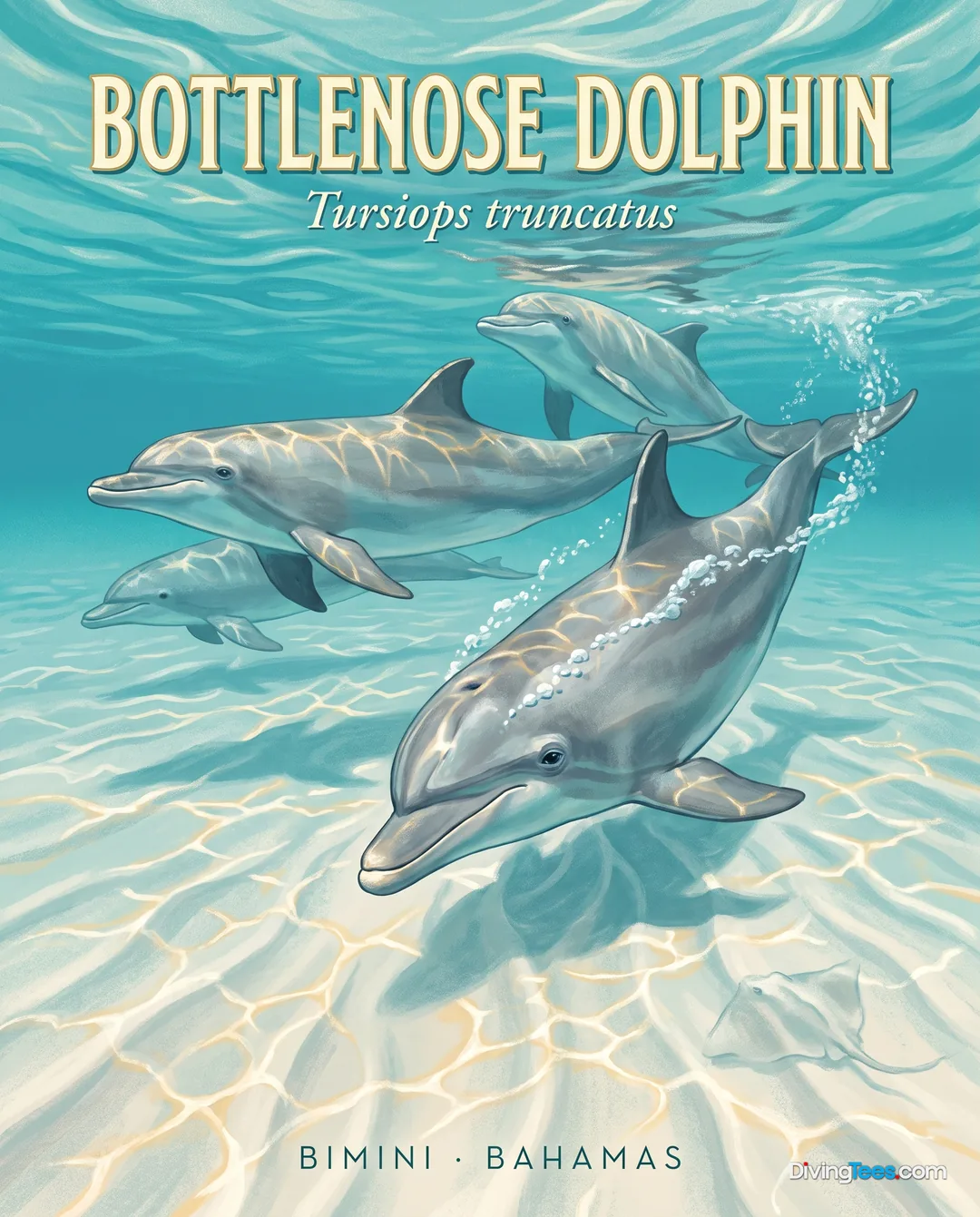
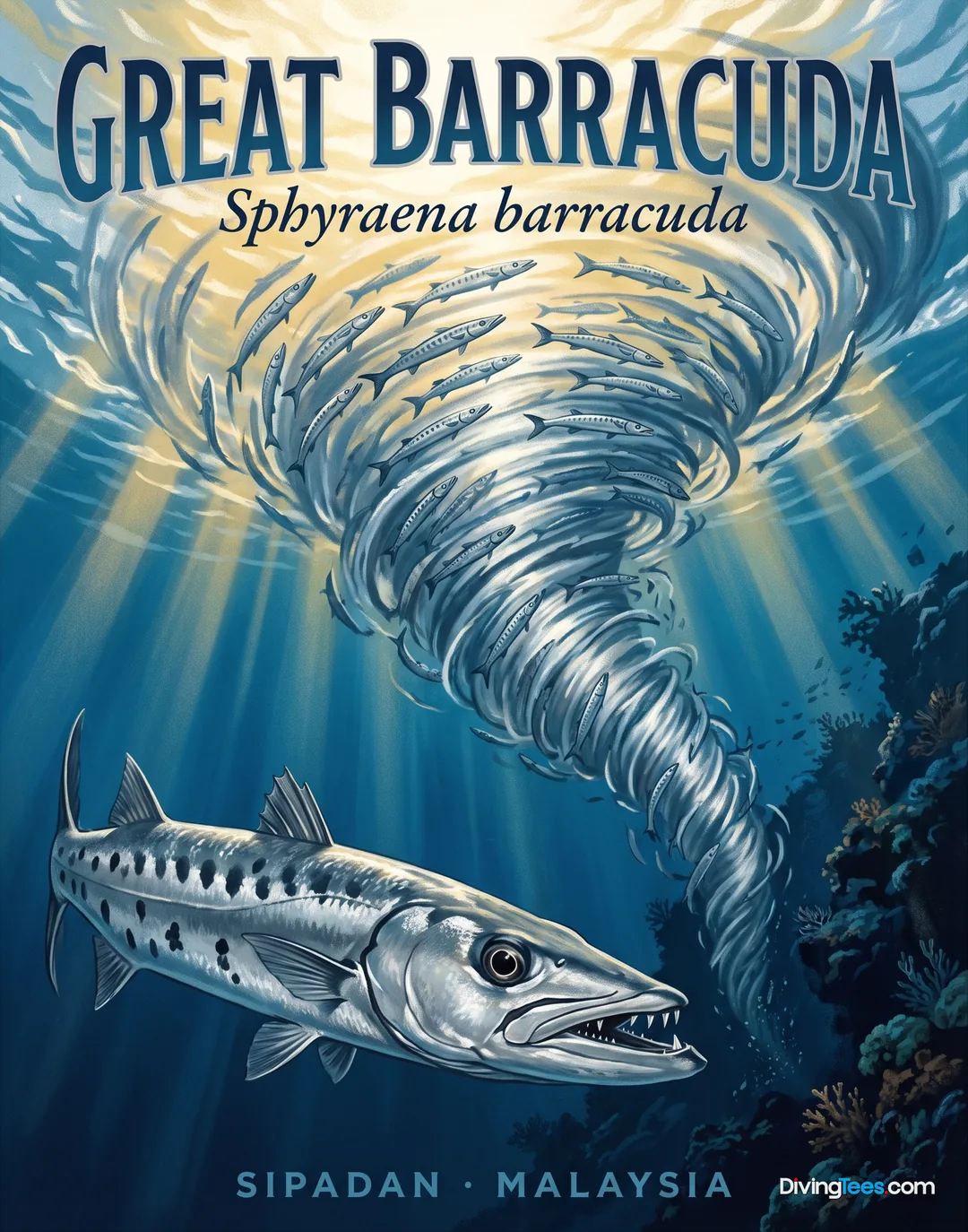
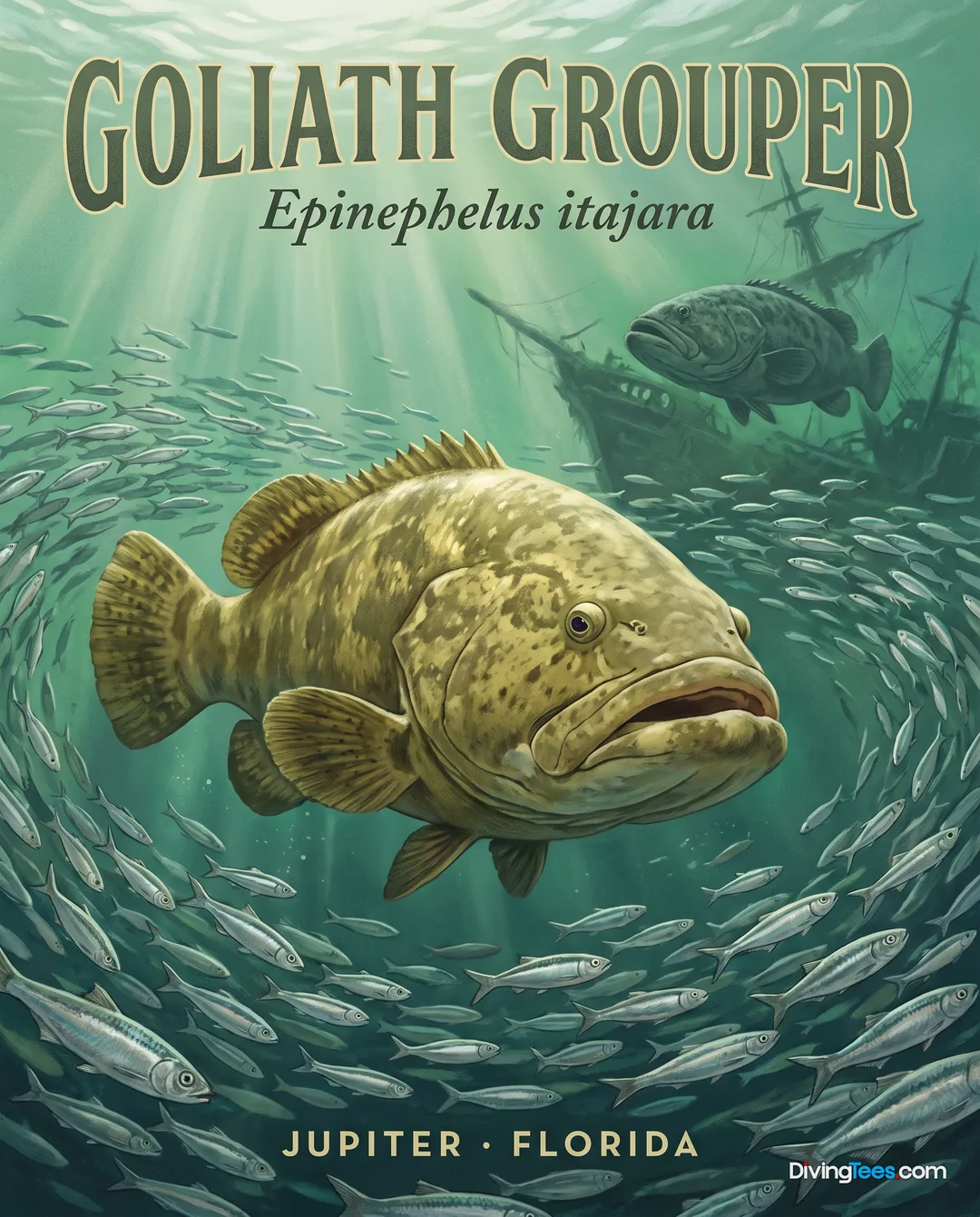
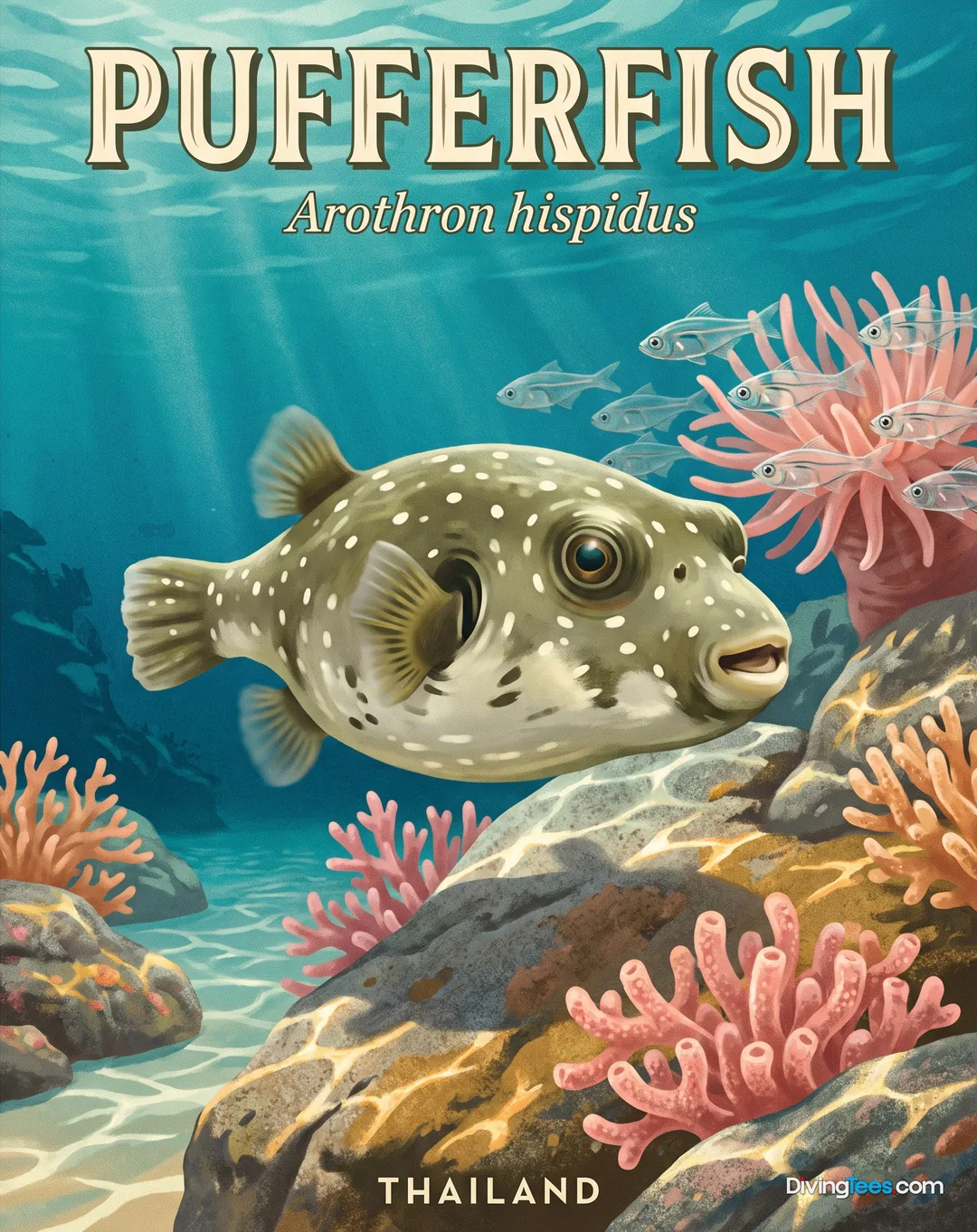
The animal life is the reason to accept the boat logistics. White-tip reef sharks are associated with Paradisus and the deeper volcanic formations, while manta rays and mobula rays are among the larger encounters sought around the exposed sites. Great barracuda, snapper and grunts move through the open water, with parrotfish and pufferfish closer to the reef. Sea turtles, moray eels and the occasional frogfish add interest when the larger animals are not in view; nurse sharks are also listed for the area. Diablo Deep is linked with manta ray encounters and increased hammerhead activity from December to March. Encounters remain wildlife encounters rather than a schedule, so several days and repeated dives give the best chance of seeing the island at its most pelagic.
Possible underwater encounters

When to go
December to March is the clearest seasonal choice for divers specifically interested in manta rays and increased hammerhead activity at Diablo Deep. It is also the period associated with the more demanding, exposed sites in the available site descriptions. Cano Island remains a weather-dependent boat destination, however, so no month removes the need for flexibility. A stay that leaves room for more than one day of diving is more sensible than planning around a single headline encounter. The quieter shallow sites can provide useful alternatives when the open-water pinnacles are unsuitable.
Level required
Open Water divers with some logged experience can use the shallower sites, particularly Coral Garden and Three Rocks. Advanced certification is recommended for Devil Pinnacle, Diablo Deep and Paradisus because of depth, exposure and current. Divers should be comfortable descending from a boat, holding position in moving water and managing buoyancy around walls and pinnacles. An Advanced qualification, whether through PADI, SSI or BSAC, is useful; Nitrox is worthwhile for repeated boat dives, but it does not replace current and depth experience.
On the ground
From London Heathrow, Gatwick or Manchester, the journey first has to reach Costa Rica’s southern Pacific coast; Cano Island itself has no direct land access for divers. The practical approach is to arrange the onward road journey to Drake Bay, or a nearby coastal departure point, and then join the boat transfer to the island. That final sea leg is compulsory, so a tightly timed chain of connections leaves little room for delay. Accommodation is normally on the access coast, with the morning departure reached on foot, by local shuttle or by taxi, depending on where the diver stays. The simplest planning keeps accommodation and boat departures on the same side of the coast, rather than adding an unnecessary land transfer before an early sailing.
Local tips
Treat the trip as a marine expedition on a modest scale, not as a beach resort with diving added on. Keep a spare day in the itinerary: one rough morning can otherwise remove a significant part of a short stay. Book the accommodation and boat diving as one local plan, and stay close to the departure coast so a taxi or shuttle delay does not cost the morning’s run. Ask before travelling which profiles are likely to be used; personal familiarity with a reef hook and a complete set of equipment are useful at exposed pinnacles, where standard rental provision may be the norm. Nitrox makes repeated diving more comfortable, particularly when surface intervals are short. Do not build the trip around a single manta or shark sighting. Cano Island rewards several outings, while Coral Garden and Three Rocks offer sensible fall-backs when the open-water sites are less forgiving. The island is protected: no touching, collecting or free anchoring, and park access is regulated.
Planning your stay
Three to five days works well for a coastal stay, allowing several boat outings without making one sea state decisive. Days usually revolve around an early departure, diving around the island, and a return to the Osa coast rather than time ashore on Cano Island. Non-divers have more choice on the mainland, including nature walks, gentle hiking, boat trips and kayaking around Drake Bay. A final rest day on the coast is preferable to combining diving with a long onward road journey.
Hello, I'm Marina, DivingDeal.com's AI assistant. I guide you through destinations, areas and countries.
Thinking about the whole trip and the flights? Talk it over with Edith →
Marina is an AI. Some links are affiliate links: DivingDeal may earn a commission, at no extra cost to you. Bookings are made with the partner.
Map of dive sites and dive centres in Cano Island
Frequently asked questions about Cano Island
When should you visit Cano Island for the best chance of seeing manta rays?
December to March is the clearest seasonal choice if manta rays and increased hammerhead activity at Diablo Deep are priorities. Cano Island remains a weather-dependent boat destination, so flexibility is still necessary. Allow more than one diving day, and keep calmer sites such as Coral Garden and Three Rocks available when exposed pinnacles are unsuitable.
What diving experience do you need for Cano Island?
Open Water divers with some logged experience can enjoy Coral Garden and Three Rocks. Advanced certification is recommended for Devil Pinnacle, Diablo Deep and Paradisus because of depth, exposure and current. You should be comfortable descending from a boat, holding position in moving water and managing buoyancy around walls and volcanic pinnacles.
What marine life and underwater scenery can you see around Cano Island?
Cano Island combines volcanic pinnacles, steep walls, canyons, sandy channels and coral gardens. You may encounter white-tip reef sharks, manta rays, mobula rays, barracuda, snapper, grunts, parrotfish and pufferfish. Sea turtles, moray eels, frogfish and nurse sharks also add interest, although wildlife encounters are never scheduled.
How should you plan your stay at Cano Island?
Plan Cano Island as a boat-diving trip based on the Osa coast, with accommodation near the departure point and flexibility for sea conditions. Keep a spare day, arrange lodging and diving as one local plan, and avoid tight connections. Several outings give wildlife more opportunity, while Coral Garden and Three Rocks provide alternatives.