Uvita Paradise
★ 9.2/10 (225 reviews)
less than 1 km away as the crow flies
Dive centre · Uvita · Costa Rica
4.91,237 Google reviewsExplore the biodiversity of Caño Island Biological Reserve aboard one of three well-maintained boats from this PADI 5 Star centre.
For subtitles in English: start the video firstthen click the gearat the top right of the video, select “Subtitles/CC”, then “Auto-translate” and choose “English”.
Situated in Uvita, only 200 metres north of the Marino Ballena National Park main entrance, Costa Rica Dive and Surf serves as a gateway to some of the most biodiverse waters in the Pacific. The centre's location allows for easy access to the local marine reserves, providing a base for both daily diving and seasonal whale watching.
For nearly two decades, the centre has operated with a focus on marine conservation and high-quality instruction. Whether you are looking to complete your first certification or are an experienced diver seeking pelagic encounters, the operation is built around the local ecosystem of the Osa region.
The centre is led by Roberto Vargas, a PADI Master Scuba Diver Trainer with thousands of dives logged specifically around Caño Island. His extensive local knowledge is backed by over 15 years of experience as a certified guide with the Costa Rican Institute of Tourism.
As a PADI 5 Star centre, the team manages everything from introductory Bubblemaker sessions to professional-level Divemaster training. Their commitment extends beyond the water, supporting regional marine conservation projects in the Osa area.
The training programme is comprehensive, covering the full PADI progression. Beginners can start with Discover Scuba Diving or Bubblemaker sessions, moving through to Open Water and Advanced Open Water certifications.
For those looking to progress professionally, the centre offers Rescue Diver and Divemaster courses. They also provide specialised training, including the Enriched Air Nitrox course and Underwater Photography courses to enhance your skills in the field.
The centre operates three spacious, well-maintained boats for their daily excursions. These vessels facilitate trips to the Caño Island Biological Reserve and Marino Ballena National Park, ensuring divers can reach the most productive sites efficiently.
Enriched Air Nitrox is available on board, allowing divers to extend their no-decompression limits during multi-dive days. The boats are equipped to handle daily diving and snorkelling trips, providing a reliable platform for exploring the local reefs and rock formations.
The facility is conveniently located near the national park with private parking available for guests. While the centre focuses on dive excursions, they maintain a fleet of high-quality, well-serviced equipment to support their operations.
Nitrox is available for divers looking to optimise their bottom time. The centre's long-standing presence in Uvita ensures that the kit provided is suited to the specific requirements of the local Pacific conditions.
Caño Island Biological Reserve is a premier destination located 45 minutes from Uvita. This site is renowned for its high biodiversity and offers frequent encounters with large pelagics like manta rays and various shark species.
Marino Ballena National Park features striking rock formations and tropical fish. It is a key area for observing sea turtles and is world-famous for humpback whale sightings.
Bajo del Diablo, located within the Caño Island area, is a site for more experienced divers. An Advanced Open Water certification is required here, where you may occasionally encounter bull sharks.
Murcielago Islands is a northern site that requires at least an Advanced Open Water certification. It is one of the primary locations in the country to observe bull sharks in their natural habitat.
And some of the dive sites the centre runs.
The marine life here is defined by massive pelagic visitors. Depending on the season, you can encounter whale sharks during the rainy season, and humpback whales from January to March, June, July to November, and December to March. Manta rays, eagle rays, and dolphins are also frequent visitors, with manta rays and eagle rays often seen during the rainy season.
Shark enthusiasts can find a variety of species, including whitetip sharks, bull sharks, and nurse sharks. During the months of May to October, shark sightings are particularly common. Hammerhead sharks also frequent these waters, adding to the excitement of the dives.
On the reef, the scenery is composed of diverse hard corals and soft corals. You will find a wealth of tropical fish and sea turtles navigating the structures. The presence of various reef species makes for a highly visual experience across the different dive sites.
Macro life and smaller inhabitants include various species of turtles and smaller reef dwellers that inhabit the coral ecosystems.
The best time to dive for pelagic life is during the rainy season from May to November, when the water is warmer and visibility is improved. During this period, plankton blooms are common in the Pacific, which attracts larger animals.
The dry season from December to April offers different conditions, though it is a more crowded and expensive period for visitors. For those looking for calmer seas, the south coast of the Caribbean is a viable option between August and December.
Hello, I'm Marina, DivingDeal.com's AI assistant. I answer in detail about hotels, dive centres and liveaboards.

Thinking about the whole trip and the flights? Talk it over with Edith →
Marina is an AI. Some links are affiliate links: DivingDeal may earn a commission, at no extra cost to you. Bookings are made with the partner.
★ 9.2/10 (225 reviews)
less than 1 km away as the crow flies
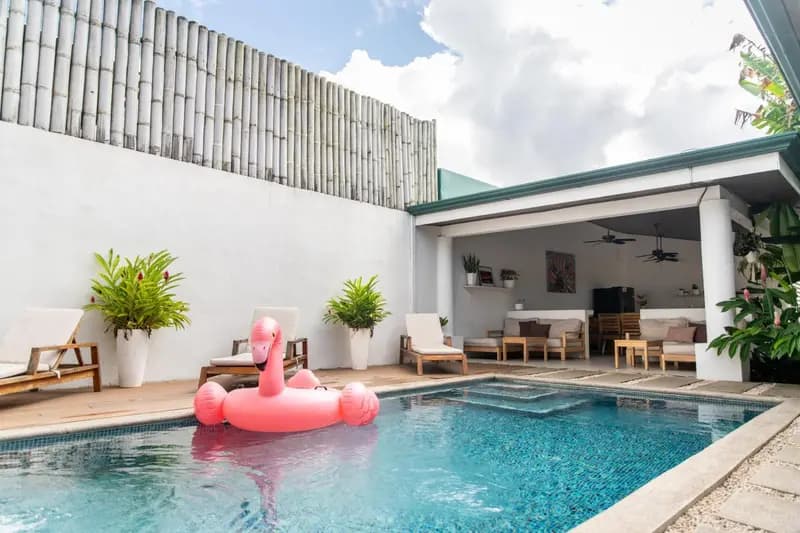
★ 9.4/10 (134 reviews)
less than 1 km away as the crow flies
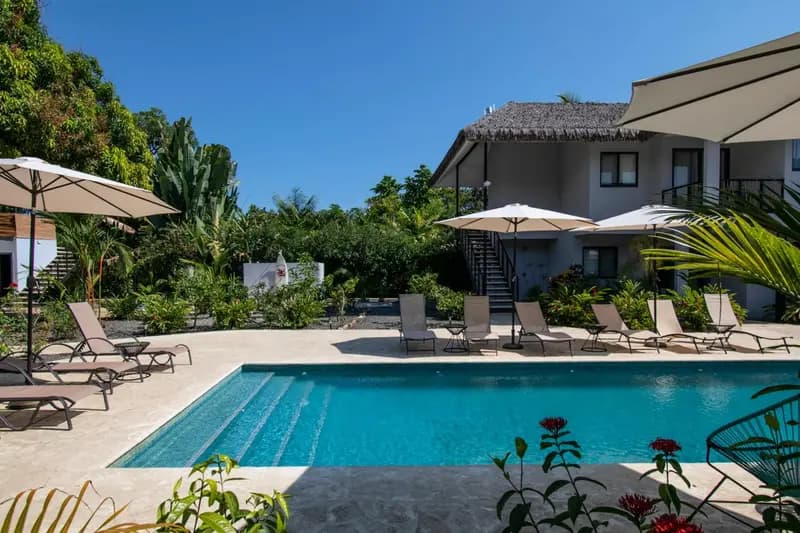
★ 8.6/10 (1,415 reviews)
less than 1 km away as the crow flies
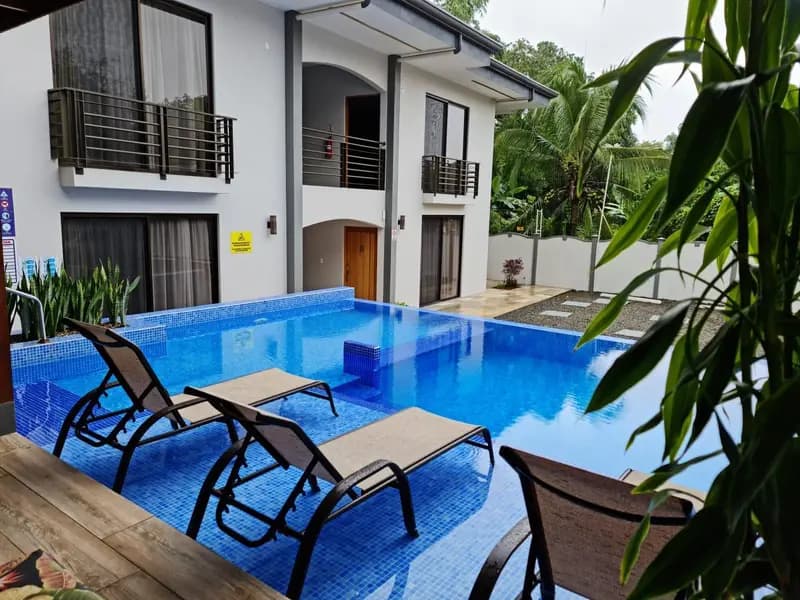
★ 9.2/10 (152 reviews)
less than 1 km away as the crow flies