
Costa Rica Dive and Surf
Google 4.9/5 (1,257 reviews)
Costa Rica · Americas
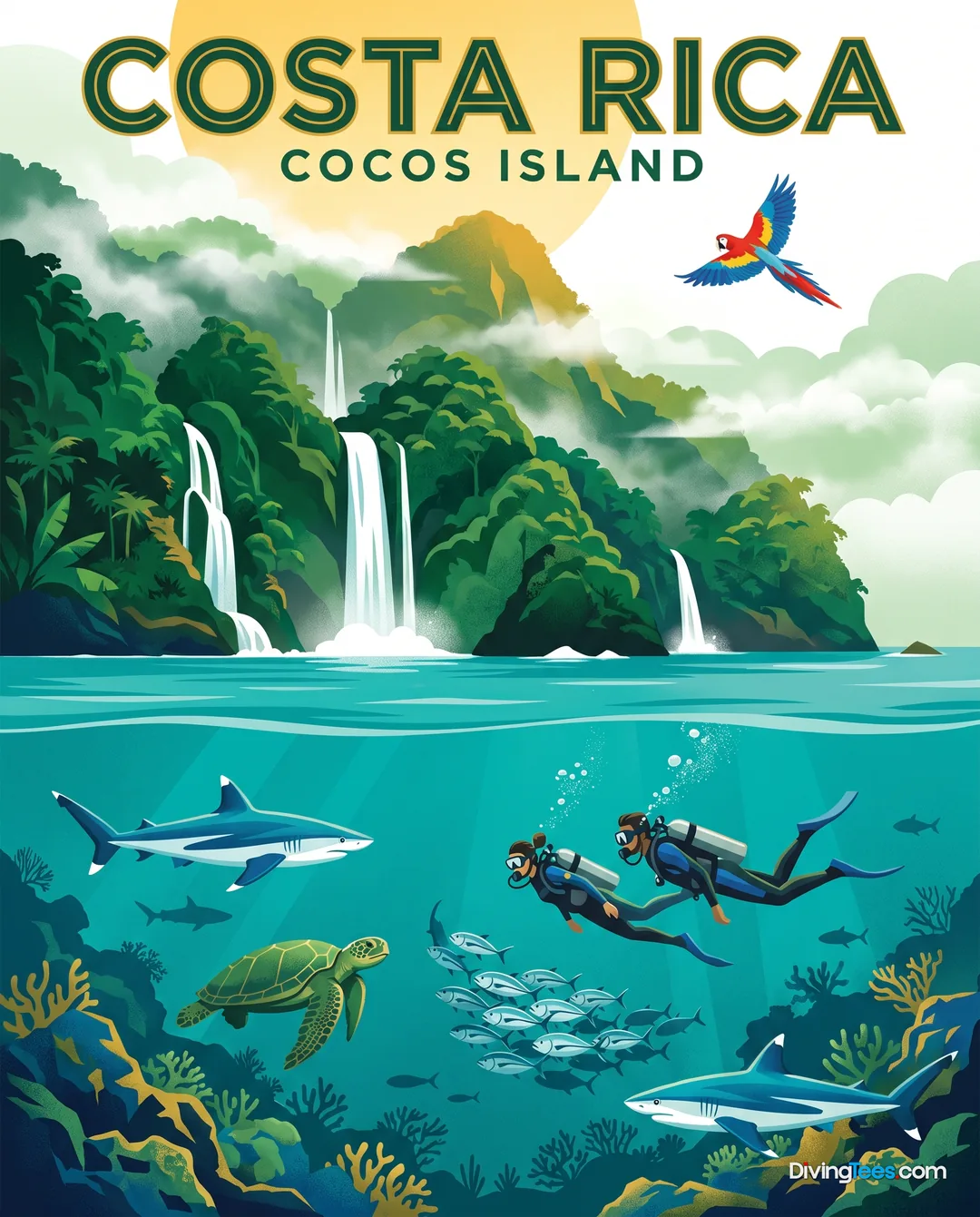
Caño Island’s fish schools, Marino Ballena’s coastal waters, turtles and migrating humpback whales shape a shore-based Costa Rican dive holiday.
For subtitles in English: start the video firstthen click the gearat the top right of the video, select “Subtitles/CC”, then “Auto-translate” and choose “English”.
Humpback whales pass through the waters around Uvita, while fish schools, turtles and rays belong to the regular underwater cast. The town works as a land-based base for coastal dives in Parque Nacional Marino Ballena and for full-day boat trips to the protected Isla del Caño. That combination is the point: local diving when you want a shorter outing, Caño when you are prepared to spend much of the day travelling by boat, and Costa Ballena activities for non-divers between dives.
The diving alternates between coastal sites in Marino Ballena and the offshore waters of the Caño Biological Reserve, about 52 kilometres from Uvita. There is no guarantee of a uniform tropical-blue view: visibility can range from roughly six to thirty metres, with rain, coastal run-off, swell and current changing the picture quickly. Caño is normally a two-dive, full-day boat outing, and the one to one-and-a-half-hour crossing is part of the experience rather than a minor transfer. Currents are variable, so the local plan may change with the sea state and the group’s experience. The coastal dives make a sensible introduction before committing to the longer run offshore.
Fish schools are a recurring feature around both Marino Ballena and Isla del Caño, alongside turtles and rays. Dolphins occur in the region throughout the year, and may be encountered during the boat journey as well as around the diving area. Humpback whales are the seasonal draw above water and sometimes add a memorable surface interval, with migrations generally occurring from July to November and again from December to March. Manta rays are an occasional possibility from February to May. Whale sharks are rare, particularly around September to November, so they should not shape the itinerary. Marine life is protected within the national park and biological reserve, which makes non-contact diving especially important.
December to April is the practical choice when visibility and a more manageable sea are the priority. The dry season usually brings better conditions for the long crossing to Caño, while the rainy season can add run-off, swell and reduced visibility along the coast. July to November is attractive for humpback whale activity, and whales may also be present from December to March, but marine conditions are less consistently clear. September and October are poor choices if a clear view is the main objective. Whales and visibility do not reliably peak together, so decide which matters more before fixing the dates.
Uvita can suit newly qualified divers on the more sheltered coastal outings, provided the centre is happy with the day’s conditions. The offshore trip needs comfort in open water, sensible boat habits and enough experience to manage changing current and visibility. Advanced Open Water is useful for deeper sites and variable conditions, though it is not presented as a universal entry requirement. BSAC, PADI and SSI divers should discuss their recent experience rather than rely on the card alone, particularly if Caño will be the main reason for travelling.
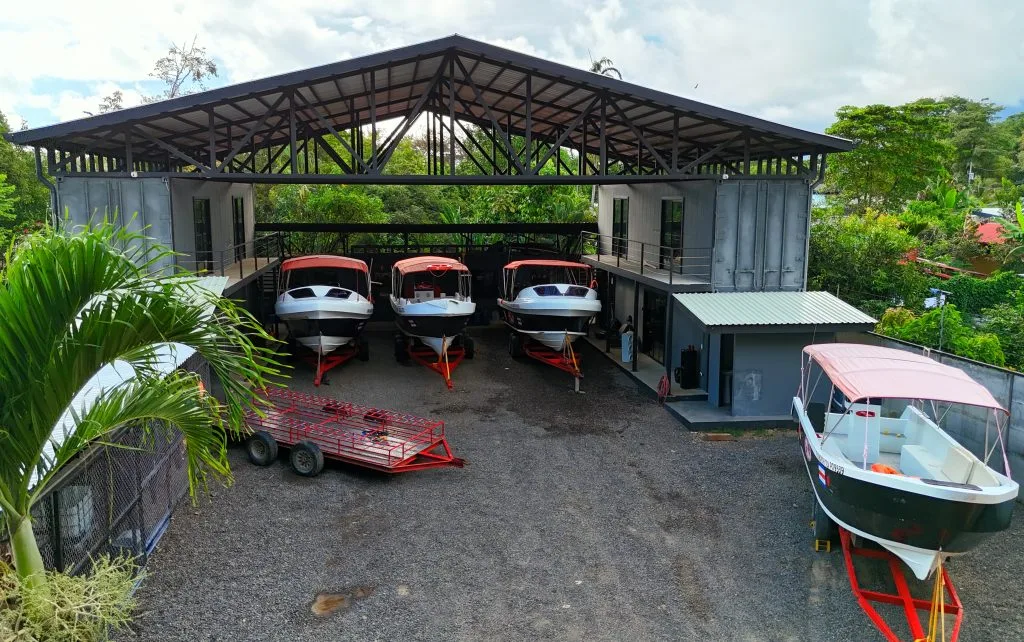
From London Heathrow, London Gatwick or Manchester, the journey continues by road to Uvita, since no direct European service reaches the town. Uvita lies on the Inter-American Highway and is served by intercity buses from San José, with road connections also running towards the southern coast and Sierpe. Allow time for the onward road leg and avoid building the diving around a tight connection. Caño has no road access and no regular ferry: the island is reached only on an organised boat excursion from the Uvita coast, with roughly one to one-and-a-half hours on the water each way. Once in Uvita, accommodation is spread around the area, so a taxi or centre shuttle may be needed.
Keep a spare day for Caño. A long crossing, two dives and a changing sea state make it the outing most likely to move, and booking it as the only available diving day leaves little room to recover. Treat it as a full-day excursion, not as a local dive with a slightly longer transfer. Start with Marino Ballena if you are unfamiliar with the local conditions, then let the day’s current and sea state decide whether the offshore sites are sensible. Pack protection from sun and spray for the crossing, and ask whether boarding involves walking through shallow water from the beach, as tide and beach conditions can alter the launch. Do not schedule a flight immediately afterwards. If whales are the priority, accept less dependable visibility in the rainy season; if clear water matters more, favour December to April. At the whale-tail formation, follow the park’s local rules, including restrictions on diving fins.
Plan on five to seven days on land, with Caño, local diving and at least one weather reserve day in the programme. Accommodation is scattered around Uvita rather than concentrated beside one departure point, so transfers may be part of each diving morning. Non-divers have plenty to do between outings, including whale watching, beaches, surfing, waterfalls, forest and mangrove excursions around Costa Ballena and Sierpe. The result is a flexible stay built around boat conditions rather than a tightly packed run of dives.
Hello, I'm Marina, DivingDeal.com's AI assistant. I guide you through destinations, areas and countries.
Thinking about the whole trip and the flights? Talk it over with Edith →
Marina is an AI. Some links are affiliate links: DivingDeal may earn a commission, at no extra cost to you. Bookings are made with the partner.
Choose December through April if visibility and a more manageable sea are your priorities. Humpback whales generally migrate through the area from July to November and again from December to March, while manta rays are an occasional possibility from February to May. Rainy-season conditions can bring run-off, swell and reduced visibility.
Uvita can suit newly qualified divers on sheltered coastal outings when conditions are suitable. The Isla del Caño trip requires comfort in open water, sensible boat habits and experience with changing current and visibility. Advanced Open Water training is useful for deeper, variable sites, but discuss your recent experience with the dive centre.
Uvita offers coastal dives in Marino Ballena and full-day boat trips to the protected Isla del Caño reserve. Fish schools, turtles and rays occur around both areas, while dolphins may appear year-round. Humpback whales pass during seasonal migrations, and manta rays are an occasional possibility from February to May.
Build your stay around local coastal diving and a flexible day for Isla del Caño, since the crossing, sea state and currents can alter plans. Allow time for road travel, scattered accommodation and transfers to departure points. Keep a weather reserve day, avoid an immediate post-dive flight, and pack sun and spray protection.