 Dive centre in the hotel
Hotel Guanaja
★★★
Google 4.4/5 (116 reviews)
The dive centre
Hotel Guanaja & Guanaja Dive Center
PADI
Google 4.4/5 (116 reviews)
Honduras · Americas
Guanaja puts coral walls, reef passages, the Jado Trader and possible nurse sharks within a calm, boat-led island stay planned around the weather
For subtitles in English: start the video firstthen click the gearat the top right of the video, select “Subtitles/CC”, then “Auto-translate” and choose “English”.
The Jado Trader lies among Guanaja’s reefs, while walls, drop-offs and passages provide the everyday shape of a dive holiday here. This is an island for divers who enjoy variety without a busy resort atmosphere: reef fish and sponges on one outing, a wreck or deeper wall on the next. Most diving is organised from boats, with the island’s limited tourist infrastructure making a planned, land-based stay more sensible than an improvised stopover.
Guanaja’s diving is built around walls, drop-offs, reef passages and the occasional change of pace offered by the Jado Trader. Some sites suit relaxed reef observation, while others ask for better control and comfort near a wall or at greater depth. Currents are variable rather than constant, so a dive may be still and exploratory or develop into a drift dive, with the boat following the group. Visibility is commonly around 24 to 30 metres, although rain, coastal run-off and rougher seas can cloud the water. The boat-led format lets local crews use the more sheltered side of the island when conditions turn, rather than forcing every outing onto the same exposed coastline. Photographers should alternate broad walls with crevices and passages, where small invertebrates and sponges offer more patient subjects.
Sponges and reef fish provide the dependable background to Guanaja’s dives, filling the reef with movement even when the larger encounters do not appear. Nurse sharks, eagle rays and sea turtles are all possible throughout the year, but none should be treated as a scheduled appointment. The same applies to dolphins seen from a boat rather than promised underwater. Groupers may gather around the full moon in January and February, although this is an occasional seasonal event rather than a reason to expect every dive to change character. Lionfish are also part of the local picture, alongside conservation efforts that include control programmes and no-take areas. Walls and open reef give the wide-angle scenes; passages, cracks and sheltered relief are better places to slow down for small life.
February through September is generally the most dependable period for Guanaja, when seas are calmer and visibility is more often at its clearest. That window makes it easier to use the island’s exposed walls as well as its sheltered reefs, and gives boat schedules more room to absorb ordinary changes in weather. October through January brings the wetter part of the year, when rain, run-off and rougher seas can reduce visibility or interrupt outings. January and February have the added possibility of grouper gatherings around the full moon, but the calmer diving window matters more than trying to build a whole trip around one encounter.
Guanaja can work for beginners on suitable reefs and calmer coastal sites, provided the day’s conditions and route are matched to experience. Advanced Open Water is useful for deeper walls and the Jado Trader, while current awareness helps when a site becomes a drift dive or develops a downcurrent. Divers should be comfortable managing a safety stop from a boat and accepting that the skipper may change the plan when the sea state changes.
From London Heathrow, London Gatwick or Manchester, reach Honduras and continue towards La Ceiba or Roatán. From La Ceiba, Guanaja is reached either by domestic flight or by boat. The sea route via Roatán can take about three hours and 45 minutes, while direct boat crossings may take roughly two to three hours depending on the sea. From Roatán, the flight to Guanaja takes around 15 to 20 minutes. Arrange the island connection with the accommodation and diving schedule before travelling, and leave proper margin for weather or a missed connection. Once on Guanaja, diving is normally arranged by boat through the accommodation or local diving operation rather than through a simple walk-up system.
Treat the transfer to Guanaja as part of the dive plan, not as a connection to squeeze between flights. Book the island crossing in advance, avoid an international flight immediately after the boat or island flight, and keep a spare day after the final dives before leaving. Ask which coast is sheltered for the day, particularly after heavy rain, because run-off and a rough sea can make one side noticeably less attractive than another. Bring a well-fitting mask, computer and essential spares: replacing awkward personal equipment on a small island may not be straightforward. Do not leave the Jado Trader or deeper wall for the final possible day, when weather could remove the chance to repeat it. Ask for a programme mixing named sites with quieter reefs and passages. Expect nurse sharks, turtles and eagle rays as possibilities, not guarantees, and do not assume Guanaja offers Roatán’s range of services.
Plan on a land-based stay of roughly seven to ten days, with daily boat dives reaching reefs and walls around the island. Diving is closely tied to local accommodation, so confirm how the boat pick-up works before arrival rather than assuming every lodging has the same arrangement. Non-divers have beaches, villages, hills, kayaking, snorkelling and quiet coastal days to fill the surface interval. Keep the final day free of demanding water activities before a flight.
Hello, I'm Marina, DivingDeal.com's AI assistant. I guide you through destinations, areas and countries.
Thinking about the whole trip and the flights? Talk it over with Edith →
Marina is an AI. Some links are affiliate links: DivingDeal may earn a commission, at no extra cost to you. Bookings are made with the partner.
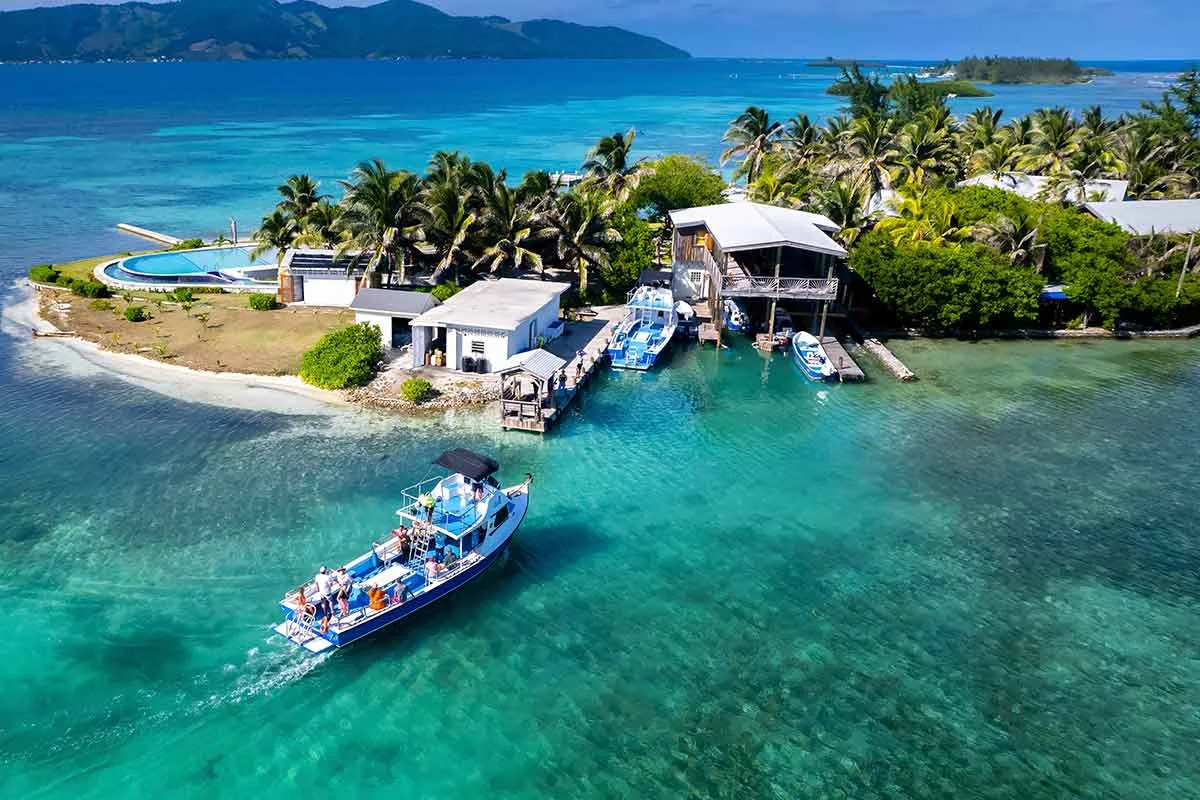
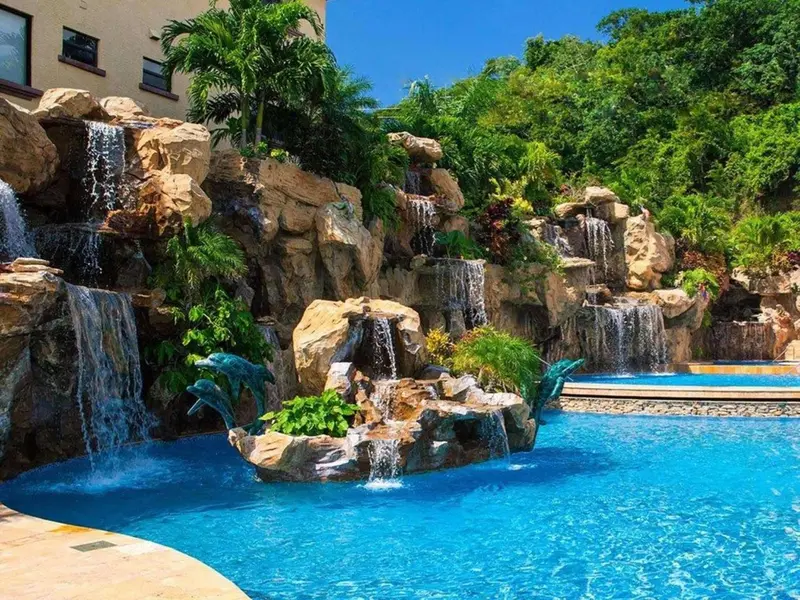
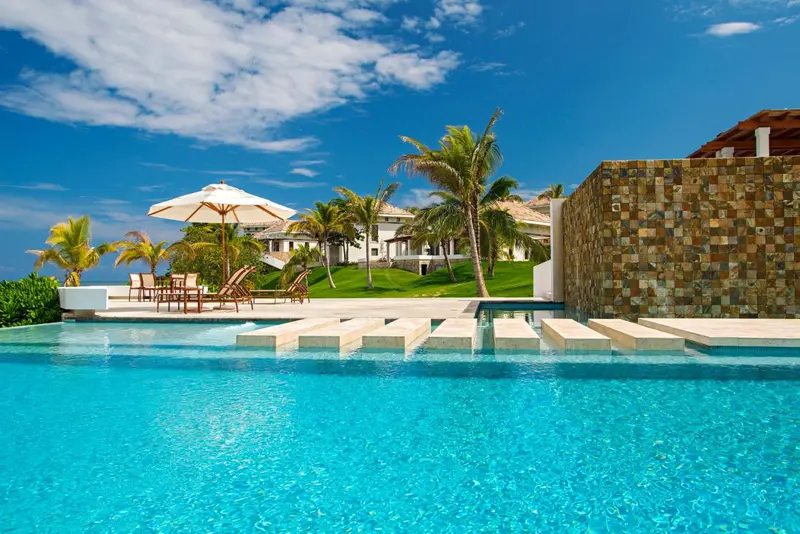
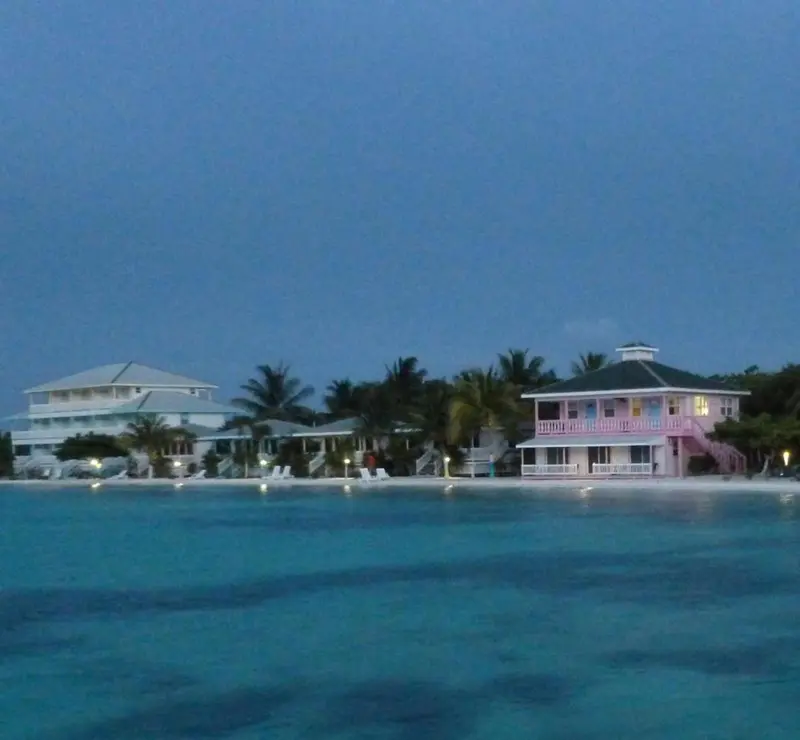
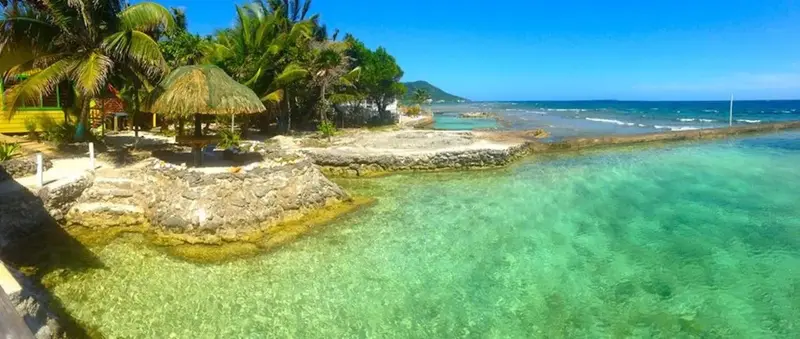
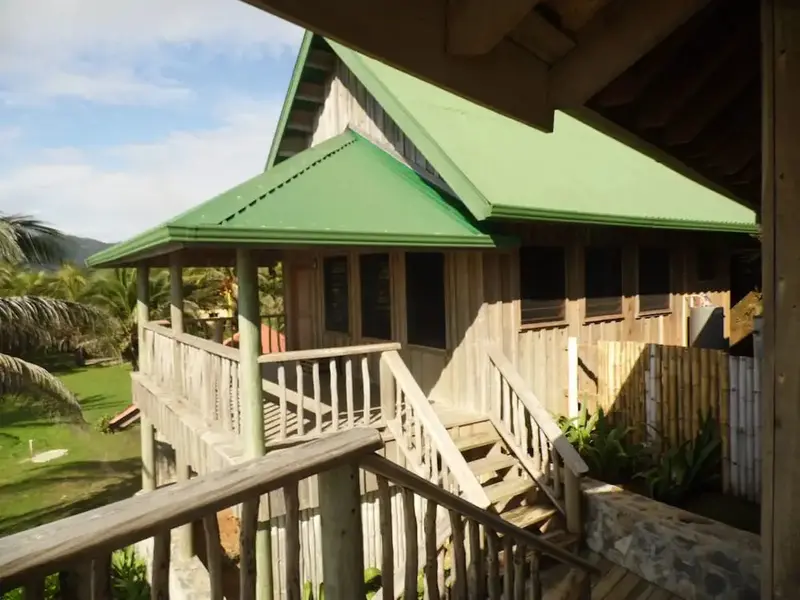
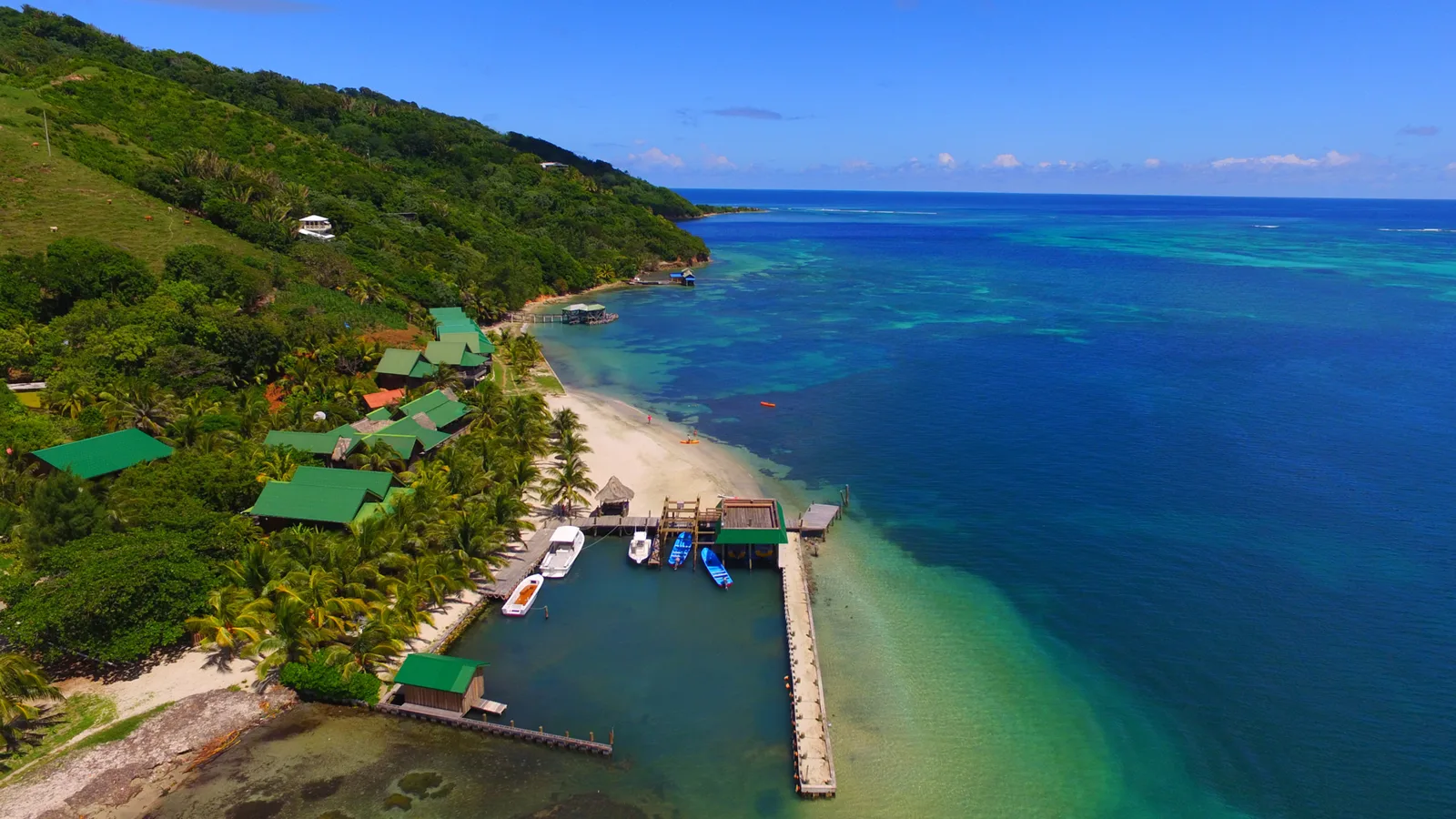
In each one, the dive centre is inside the hotel: step out of your room and go diving.
Dive centre in the hotel★★★
Google 4.4/5 (116 reviews)
The dive centre
Hotel Guanaja & Guanaja Dive Center
PADI
Google 4.4/5 (116 reviews)
Choose February through September for generally calmer seas and clearer visibility, making it easier to reach exposed walls as well as sheltered reefs. October through January is wetter, so rain, runoff and rougher seas may reduce visibility or interrupt boat outings. Groupers may gather around full moons in January and February.
You can dive Guanaja as a beginner on suitable reefs and calmer coastal sites when conditions and routes match your experience. Advanced Open Water is useful for deeper walls and the Jado Trader. You should also be comfortable with variable currents, possible drift diving, boat safety stops and changes to the plan.
You will find coral walls, drop-offs, reef passages and sheltered reefs filled with sponges and reef fish. The Jado Trader offers a wreck alternative, while nurse sharks, eagle rays and sea turtles are possible encounters. Groupers may gather around full moons in January and February, but wildlife appearances remain unpredictable.
Arrange your accommodation, island connection and boat diving before travelling, because Guanaja has limited tourist infrastructure and diving is normally organised through lodging or a local operation. Plan a land-based stay with daily boat dives, leave weather margin for transfers, and keep a spare day after your final dives before departure.