 Dive centre in the hotel
Anthony's Key Resort
Google 4.7/5 (1,858 reviews)
The dive centre
Anthony's Key Resort
PADI
Google 4.7/5 (1,888 reviews)
Honduras · Americas
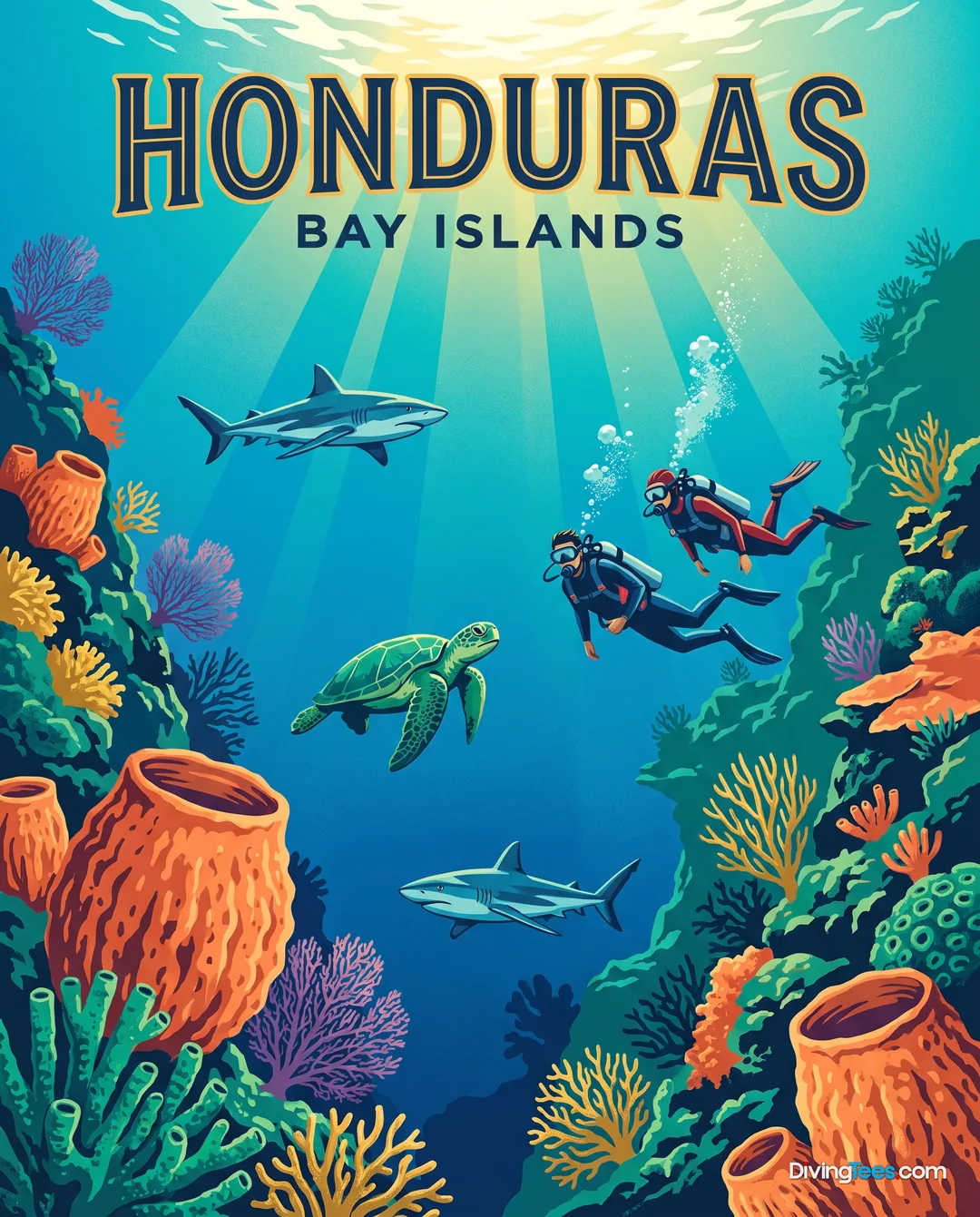
Roatan brings barrel sponges, volcanic canyons, shallow wrecks and walls dropping beyond recreational depth, with generally gentle currents and warm-water diving.
For subtitles in English: start the video firstthen click the gearat the top right of the video, select “Subtitles/CC”, then “Auto-translate” and choose “English”.
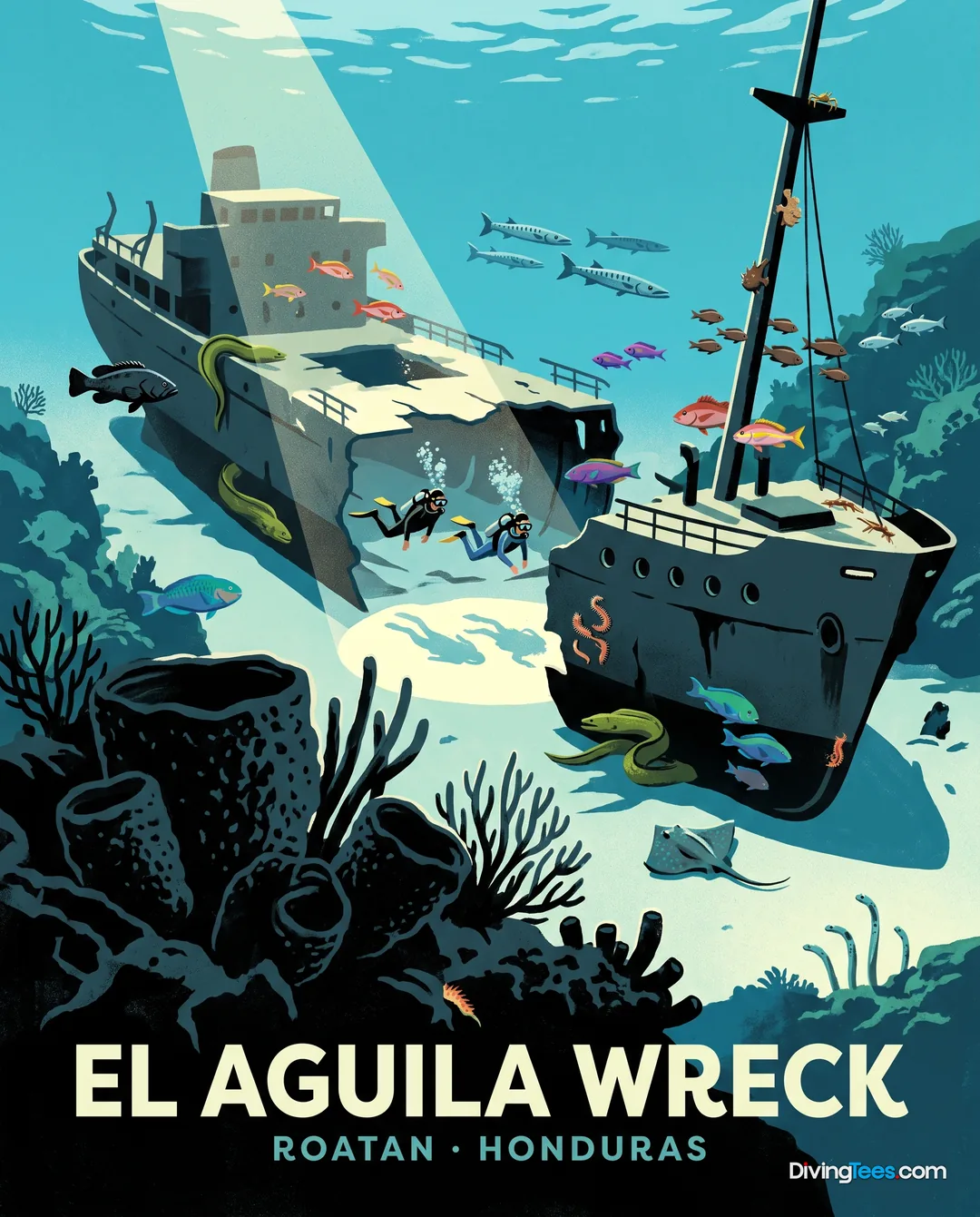
Roatan is a practical base on the Mesoamerican Reef, where the barrier reef lies close to the island’s villages. Boats reach walls, reef canyons and wrecks quickly from the coast, while the Bay Islands National Marine Park provides the framework for diving and mooring. Underwater, the island offers everything from the shallow sand and resident garden eels of Mandy’s Eel Garden to the volcanic passages of Mary’s Place and the open holds of Prince Albert.
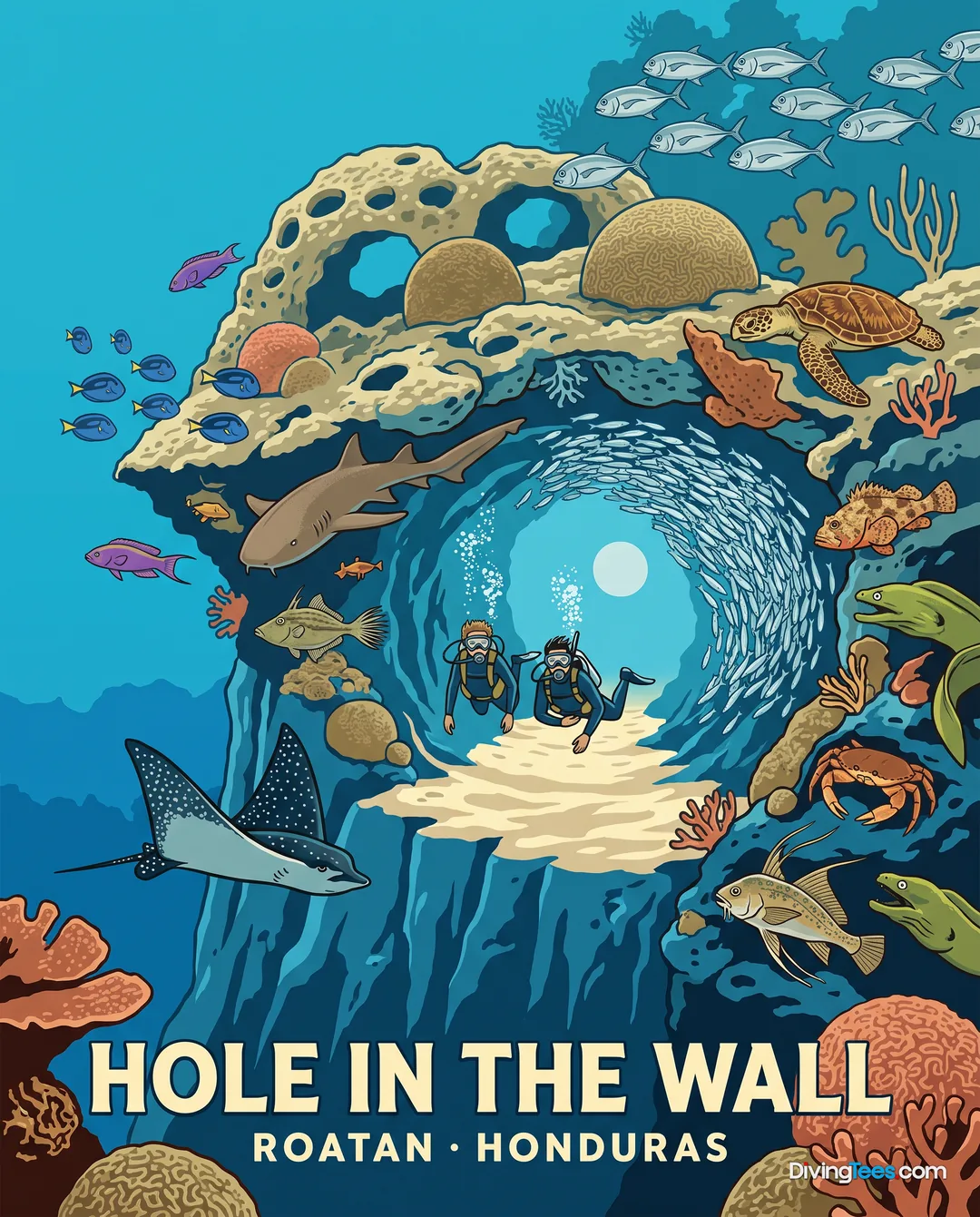
The main character is steep reef topography: walls begin only a few metres down, then fall far beyond normal recreational limits. West End Wall combines a shallow reef top with a long drop-off, while Hole in the Wall and Spooky Channel add tunnels, chambers and overhead sections that demand more careful positioning. Mary’s Place is the more involved version, with narrow volcanic fissures, delicate coral and a deep wall. Currents are usually light, although some walls can run as comfortable drift dives and winter conditions may be livelier. Visibility commonly sits between eighteen and thirty metres, but rain, runoff and swell can add particles. Most diving is from small boats operating out of coastal villages, with short runs to sites and sheltered alternatives when the exposed coast is uncomfortable.
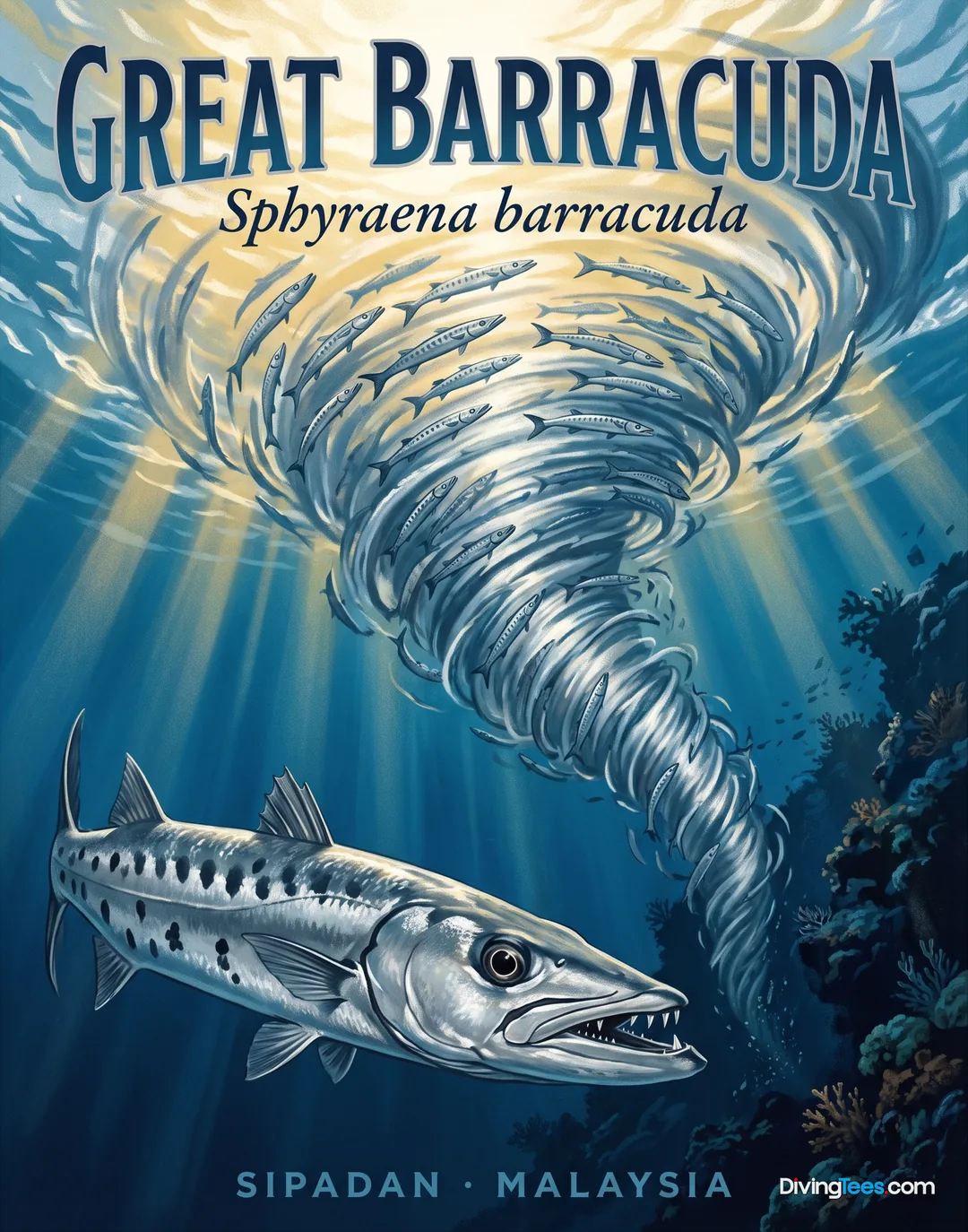
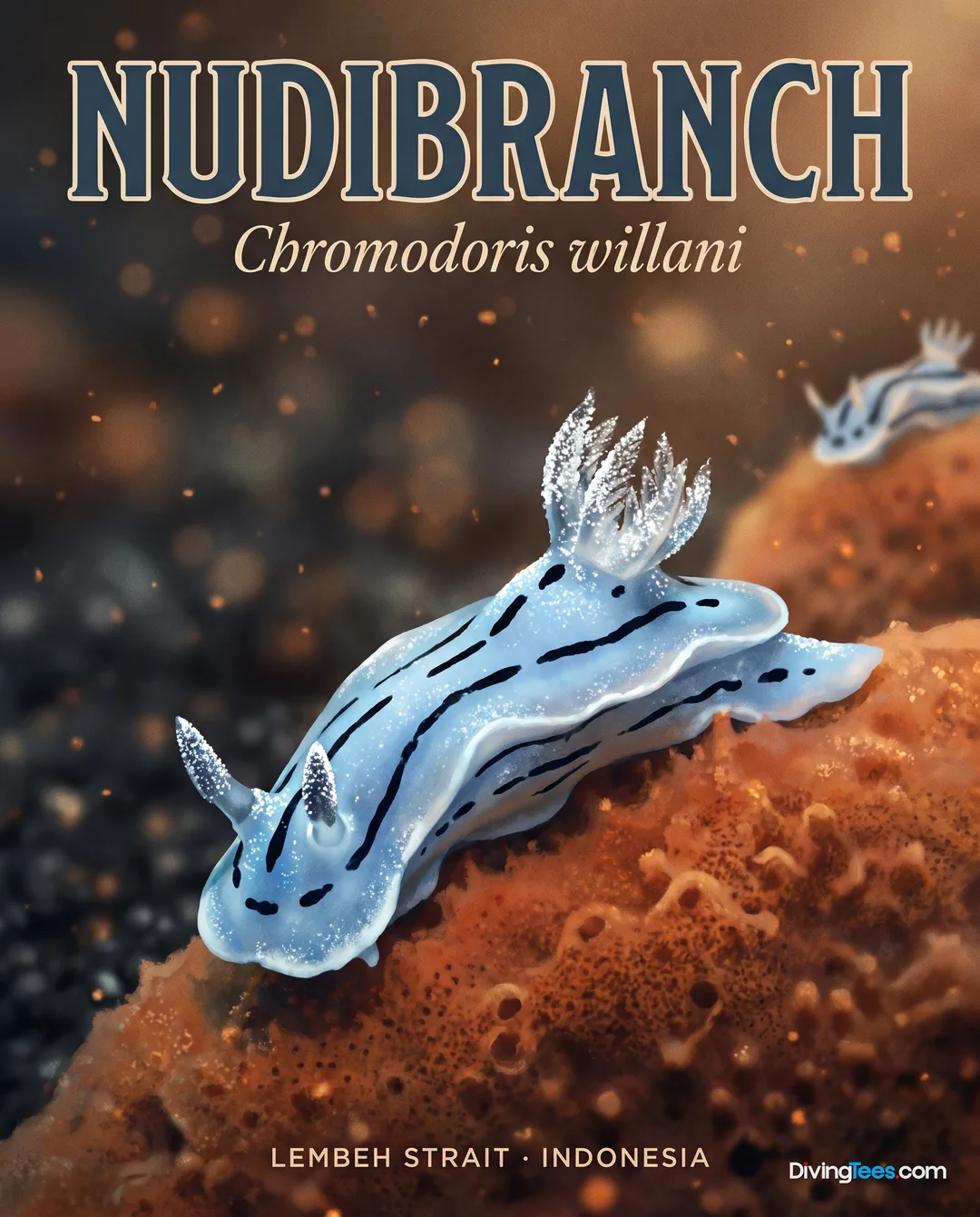
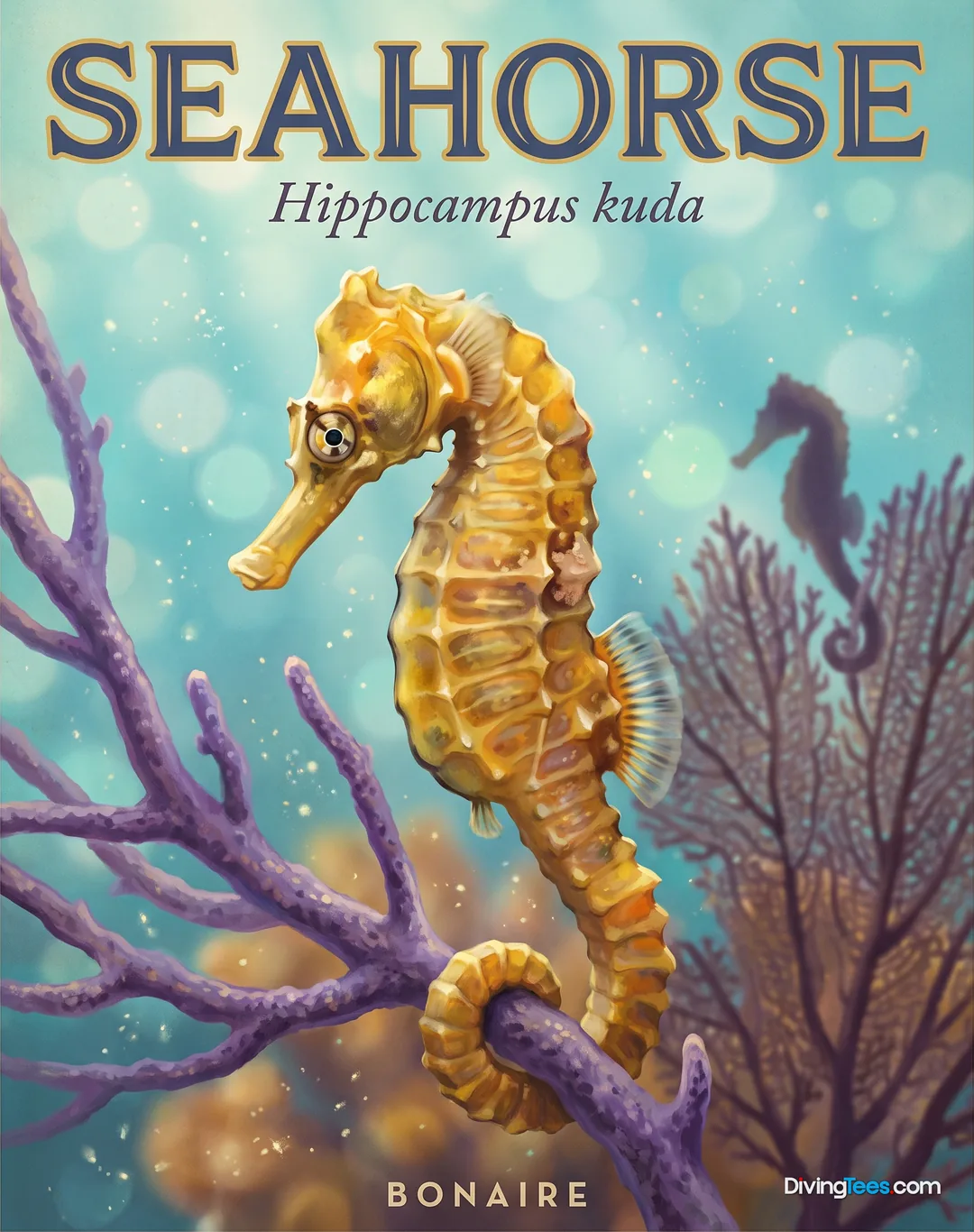
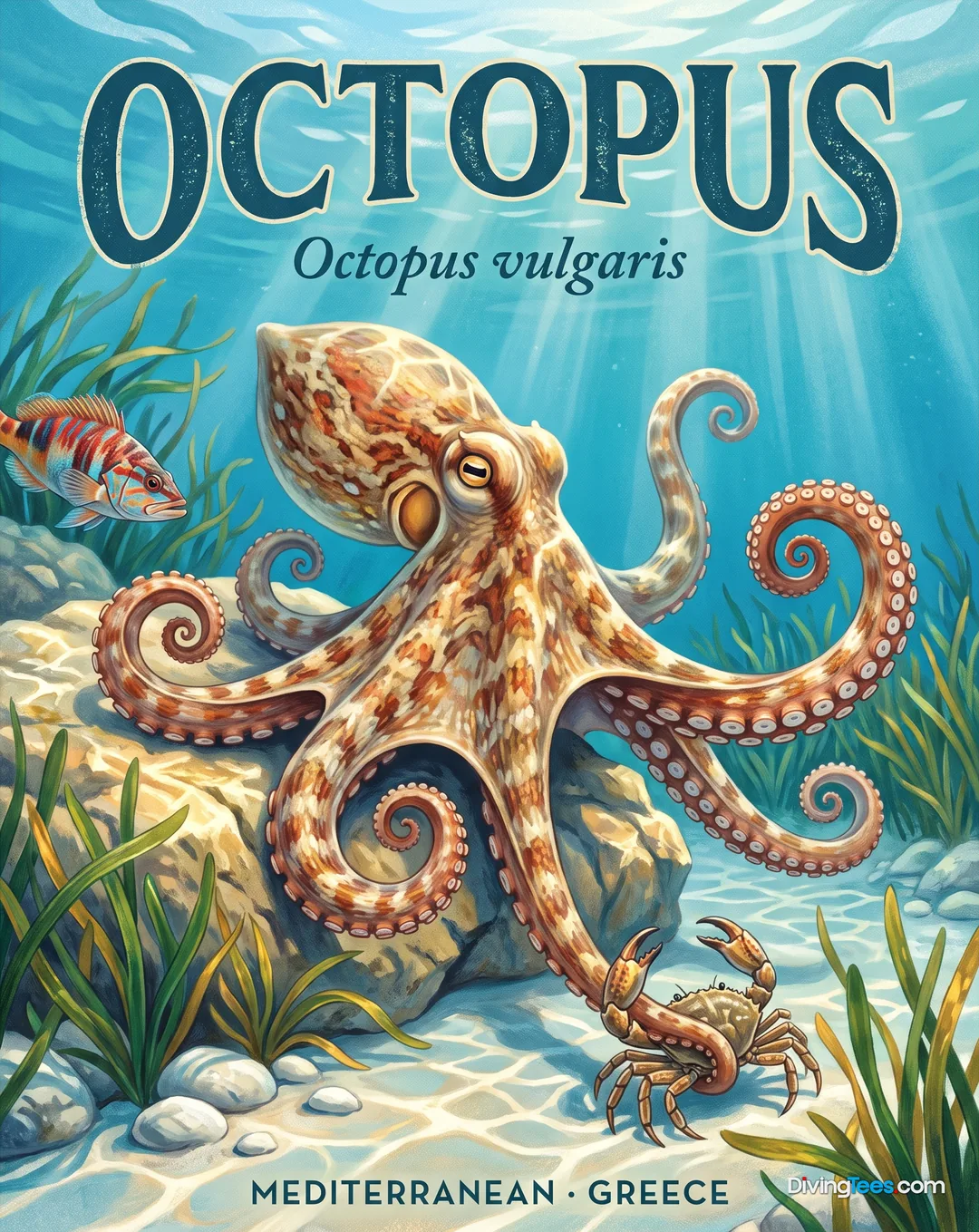
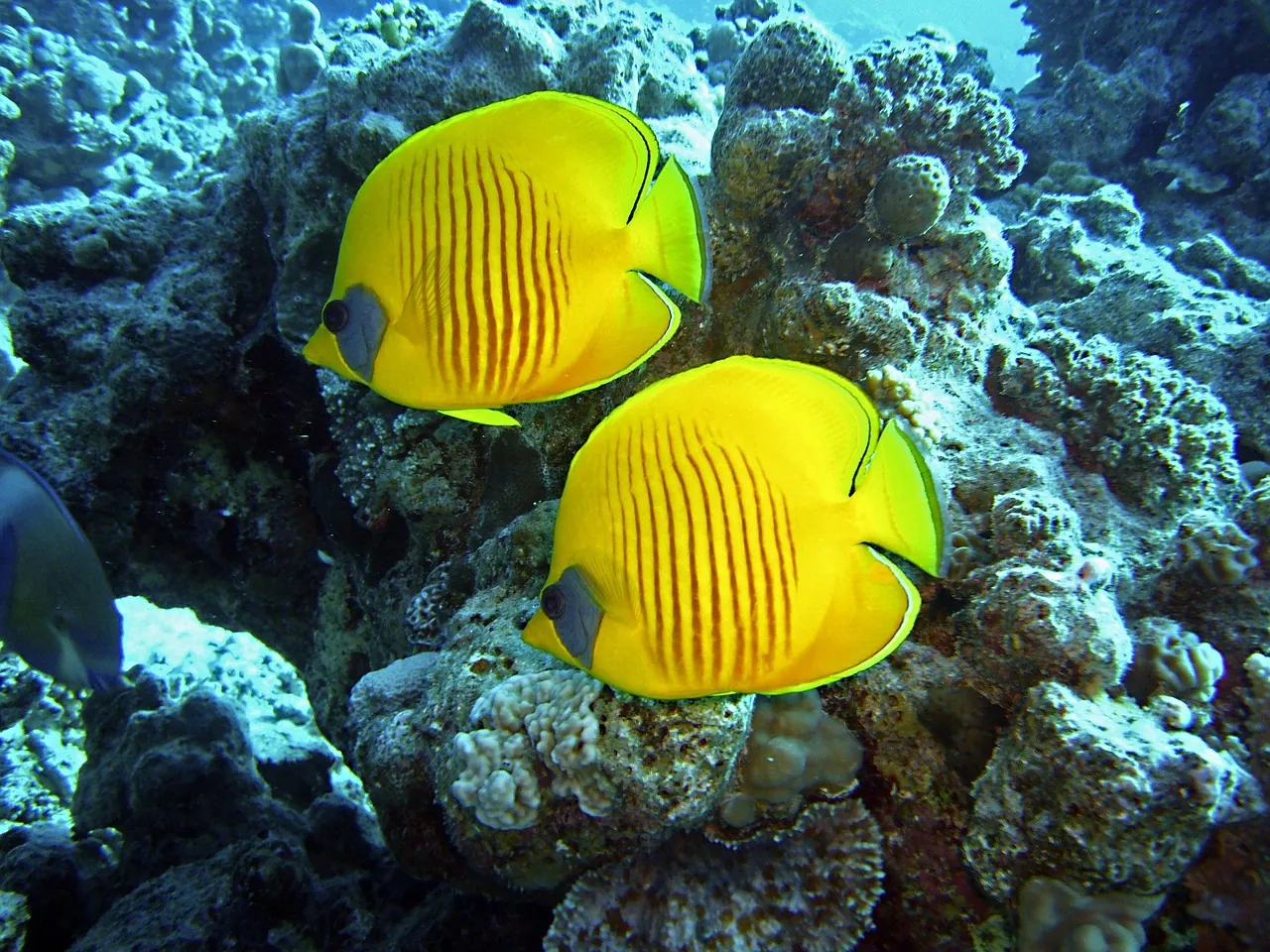
Roatan’s reef life is best read slowly rather than treated as a guaranteed big-animal destination. Garden eels rise from the sand at Mandy’s Eel Garden, while sea turtles, grouper, green moray, lobster and octopus turn up around walls, canyons and wreck structure. Eagle rays are a recurring possibility at sites such as West End Wall and Mandy’s Eel Garden; great barracuda may patrol the blue water. Photographers can look for seahorse, nudibranch and blenny habitat around quieter reef sections and shallow wrecks, alongside trumpetfish, sea fan, black coral and large sponge growth. Whale sharks are rare around Roatan itself. In the wider Bay Islands, February to April and October to November offer the more relevant seasonal windows, particularly around Utila, so a sighting near Roatan should remain a bonus.
March to June is the most reliable choice for a comfortable Roatan week: seas are generally calmer, weather is drier and visibility is often at its best. The south, being more sheltered, can retain better water when the northern and western sides are affected by wind or swell. January and February can still produce good diving, but a 5 mm suit may suit colder divers. October and November are less attractive because heavy rain, tropical disturbances and northerly winds can roughen the coast and reduce visibility through runoff. Christmas, New Year, Semana Santa and American spring holidays bring more boat traffic around West Bay and West End.
This coast is exposed to sargassum strandings, whose intensity varies greatly from year to year. To find out more, see the “Sargassum alert” panel on this page.
Most of Roatan suits Open Water divers, including those building confidence on shallow reef crests, sandy plains and Prince Albert at around twenty metres. Advanced Open Water is useful for the deeper sections of walls, El Aguila Wreck and the more committed profiles at Mary’s Place or Hole in the Wall. Good buoyancy matters more than a particular agency badge: BSAC, PADI and SSI divers will find clear reasons to stay within their experience, especially around fissures, tunnels and deep drop-offs. Nitrox is useful for repeated wall dives.
From London or Manchester, Roatan can be reached by international flight to the island, or through Honduras with a domestic flight from Tegucigalpa or San Pedro Sula. The other structural option is the ferry from La Ceiba, which takes a little over an hour. That route first requires reaching La Ceiba by road or domestic flight, then travelling to the Muelle de Cabotaje for the crossing to Dixon Cove or Brick Bay. Rough weather can make the ferry ride uncomfortable, so it is not a connection to leave without slack in the plan. Once on Roatan, West End, West Bay, French Harbour and Coxen Hole are arranged around the waterfront. Many lodgings are walkable from dive jetties; otherwise taxis or centre shuttles cover the short local transfers.
Keep the itinerary flexible. If a northerly wind makes the north coast unpleasant, the southern operators can often use more sheltered water, including the shallow wrecks Prince Albert and Mr Bud. Put Mary’s Place and West End Wall early in the week, leaving room to move them if weather or boat traffic interferes; Mary’s Place is less enjoyable when narrow passages are busy. Ask about the current condition of the hard coral rather than assuming every historic reef view remains intact: some areas have suffered bleaching and coral disease, while walls may still offer better sponge, structure and fish life. Macro divers should state that aim at the briefing, particularly if seahorse and blenny habitat is a priority. A day towards Utila is worth keeping possible in February–April or October–November for whale-shark prospects, but not at the expense of Roatan’s reef diving. Avoid filling every day with deep profiles, and leave a proper no-fly interval after a heavy run of dives.
A seven- to ten-day land-based stay works well, allowing diving on the west, north and south sides with rest days for beaches, forest walks, mangroves or a trip towards Utila. The island also suits a non-diving partner, with boat excursions, wildlife watching and zip-lines alongside the beaches. A liveaboard is an alternative when the aim is to reach wider Bay Islands areas and offshore banks rather than settle into one village routine.
Hello, I'm Marina, DivingDeal.com's AI assistant. I guide you through destinations, areas and countries.
Thinking about the whole trip and the flights? Talk it over with Edith →
Marina is an AI. Some links are affiliate links: DivingDeal may earn a commission, at no extra cost to you. Bookings are made with the partner.
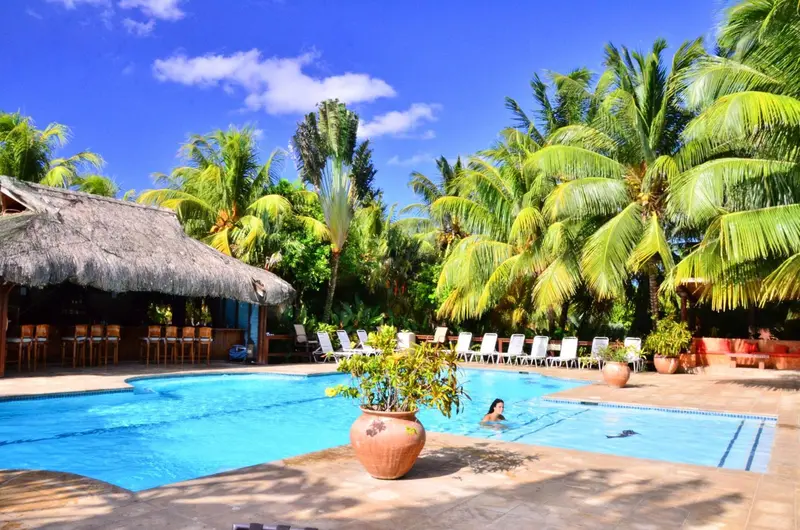
In each one, the dive centre is inside the hotel: step out of your room and go diving.
Dive centre in the hotelGoogle 4.7/5 (1,858 reviews)
The dive centre
Anthony's Key Resort
PADI
Google 4.7/5 (1,888 reviews)
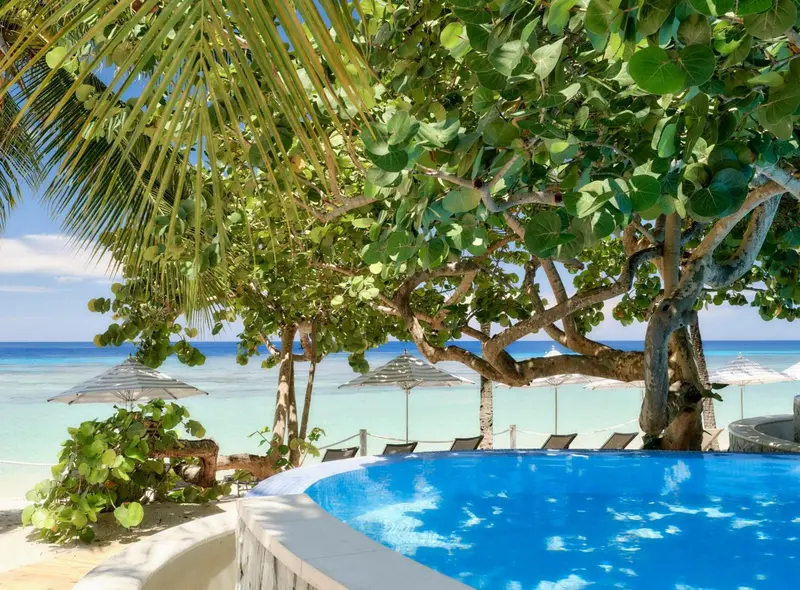 Dive centre in the hotel
★★★★★
Google 4.6/5 (1,595 reviews)
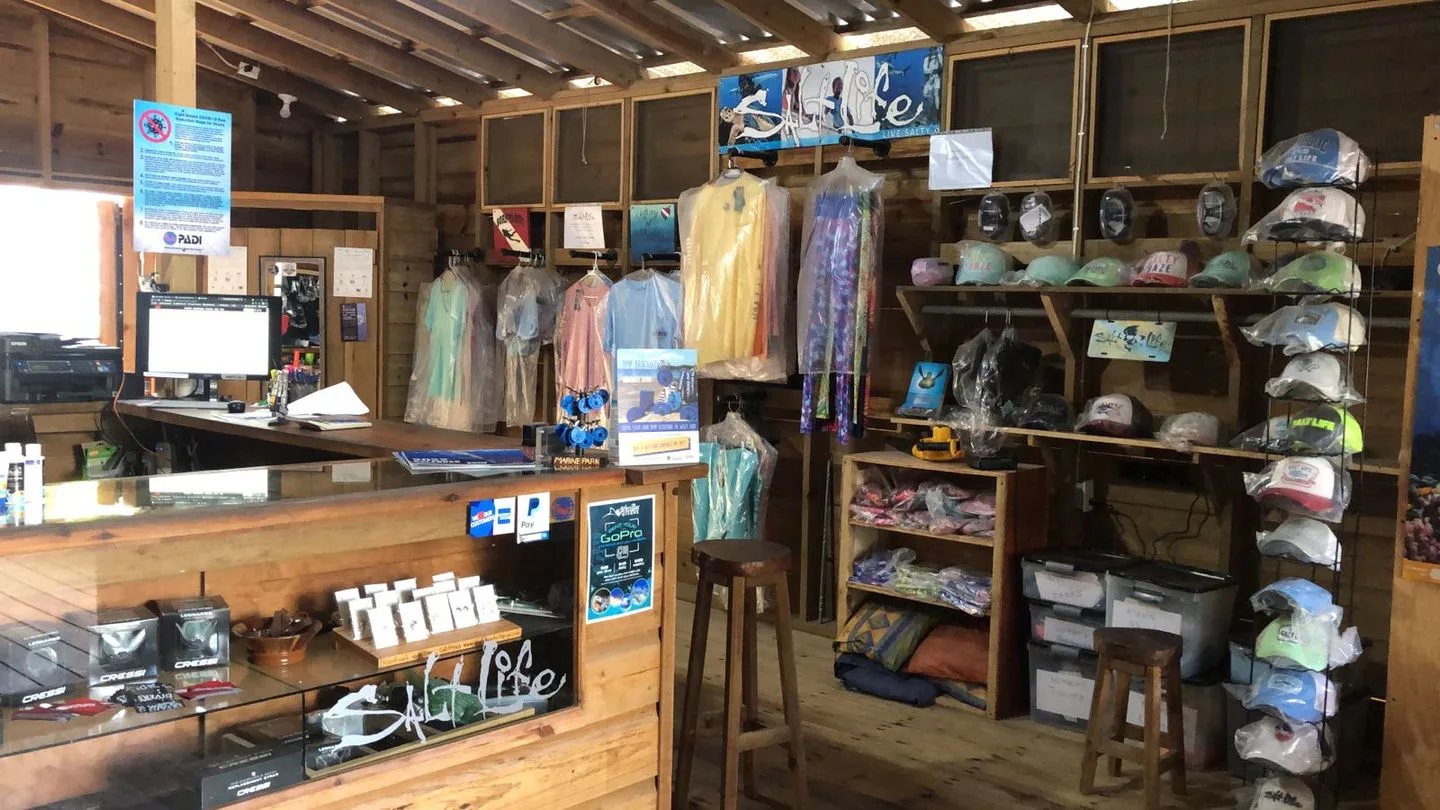
The dive centre
West Bay Divers
PADI
Google 5/5 (186 reviews)
Dives: El Aguila, The Odyssey, Mr Bud
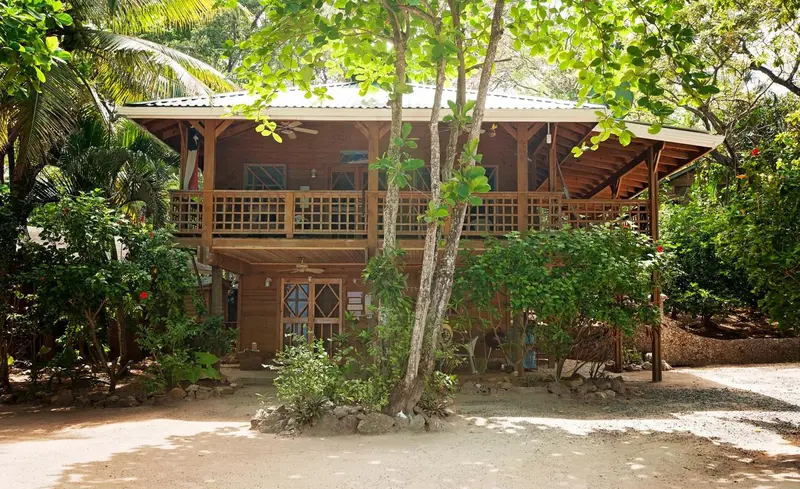 Dive centre in the hotel
Google 5/5 (208 reviews)
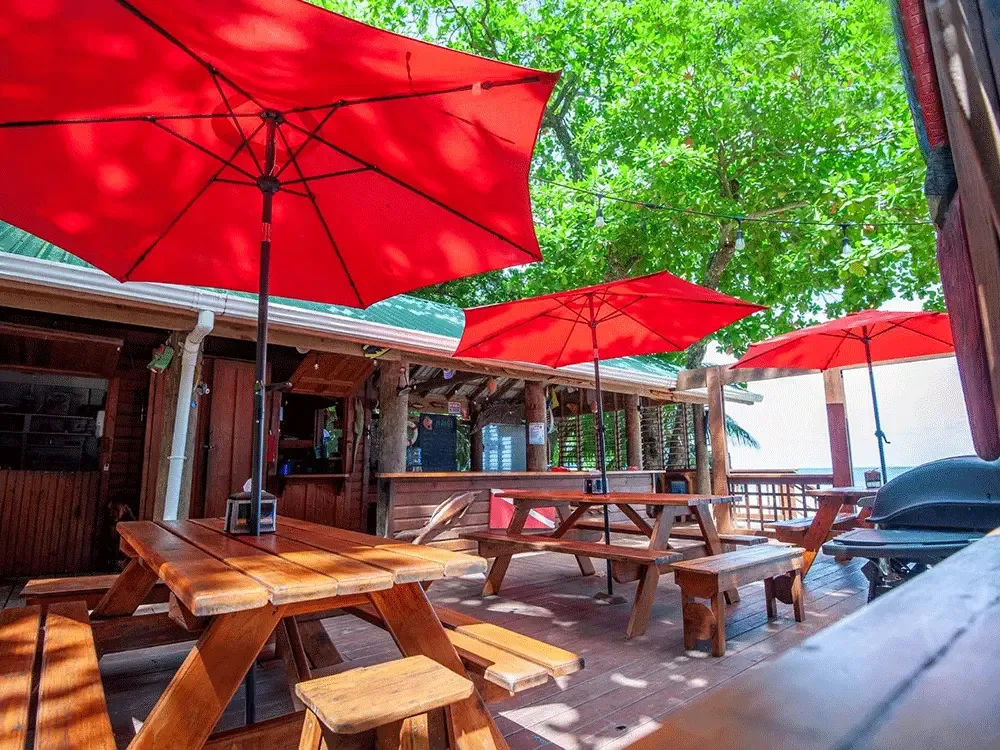
The dive centre
Blue Island Divers
PADI · SSI
Google 5/5 (210 reviews)
Dives: Mora Channel/Mora Wall, "The Odyssey" Shipwreck, Bear's Den
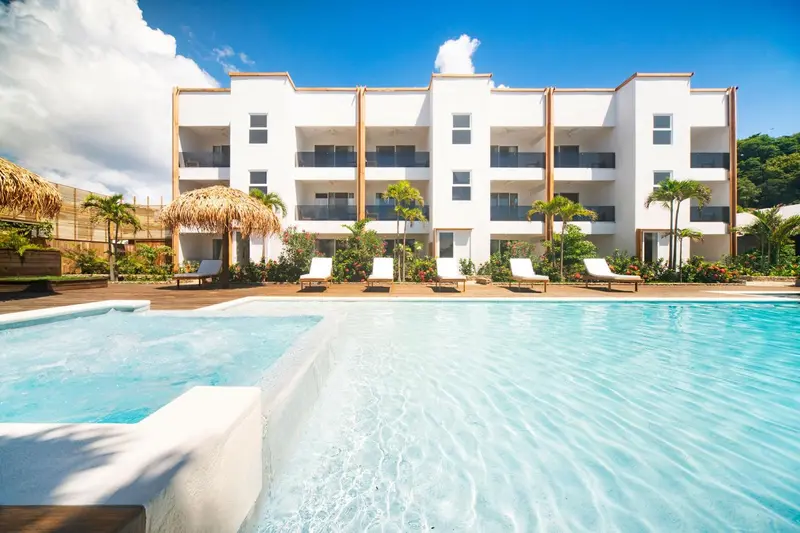 Dive centre in the hotel
★★★★
Google 4.8/5 (232 reviews)
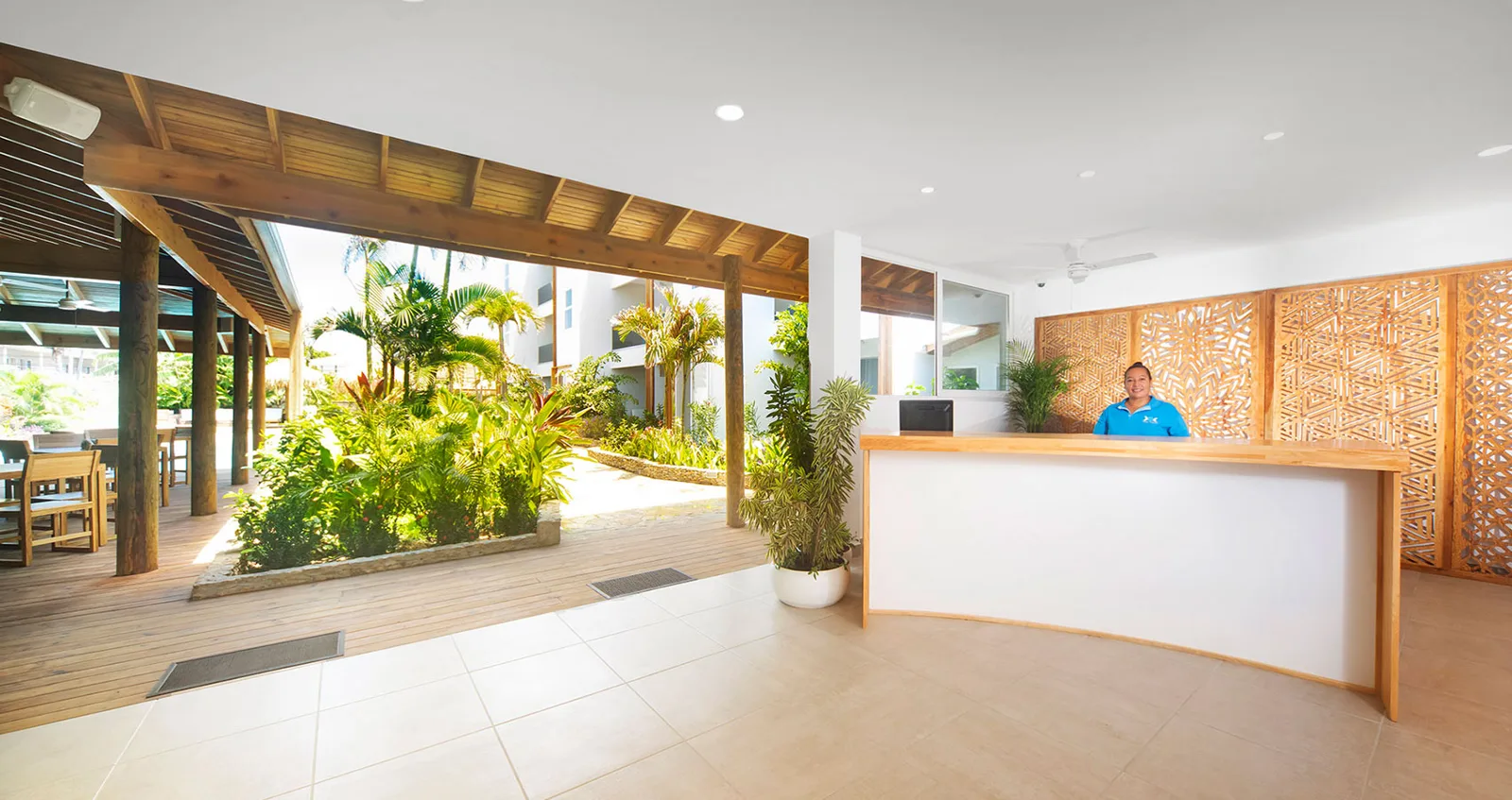
The dive centre
Naboo Dive Center
PADI
Google 4.8/5 (241 reviews)
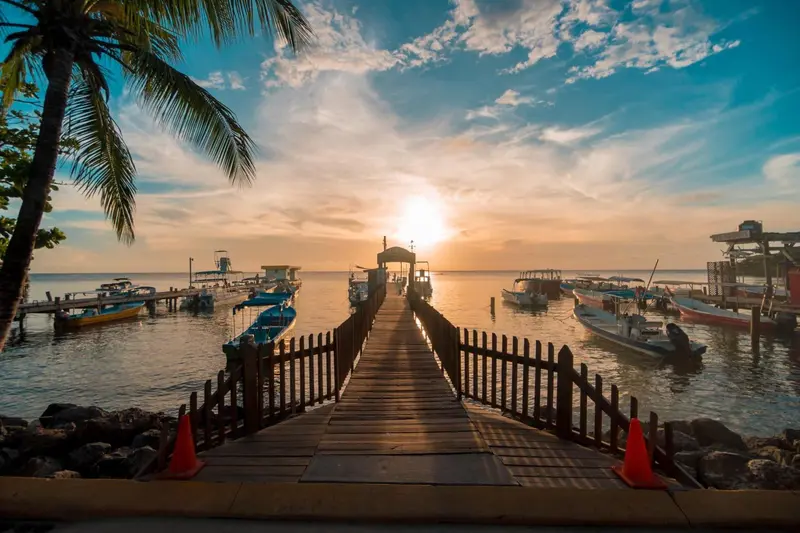 Dive centre in the hotel
★★★
Google 4.5/5 (722 reviews)
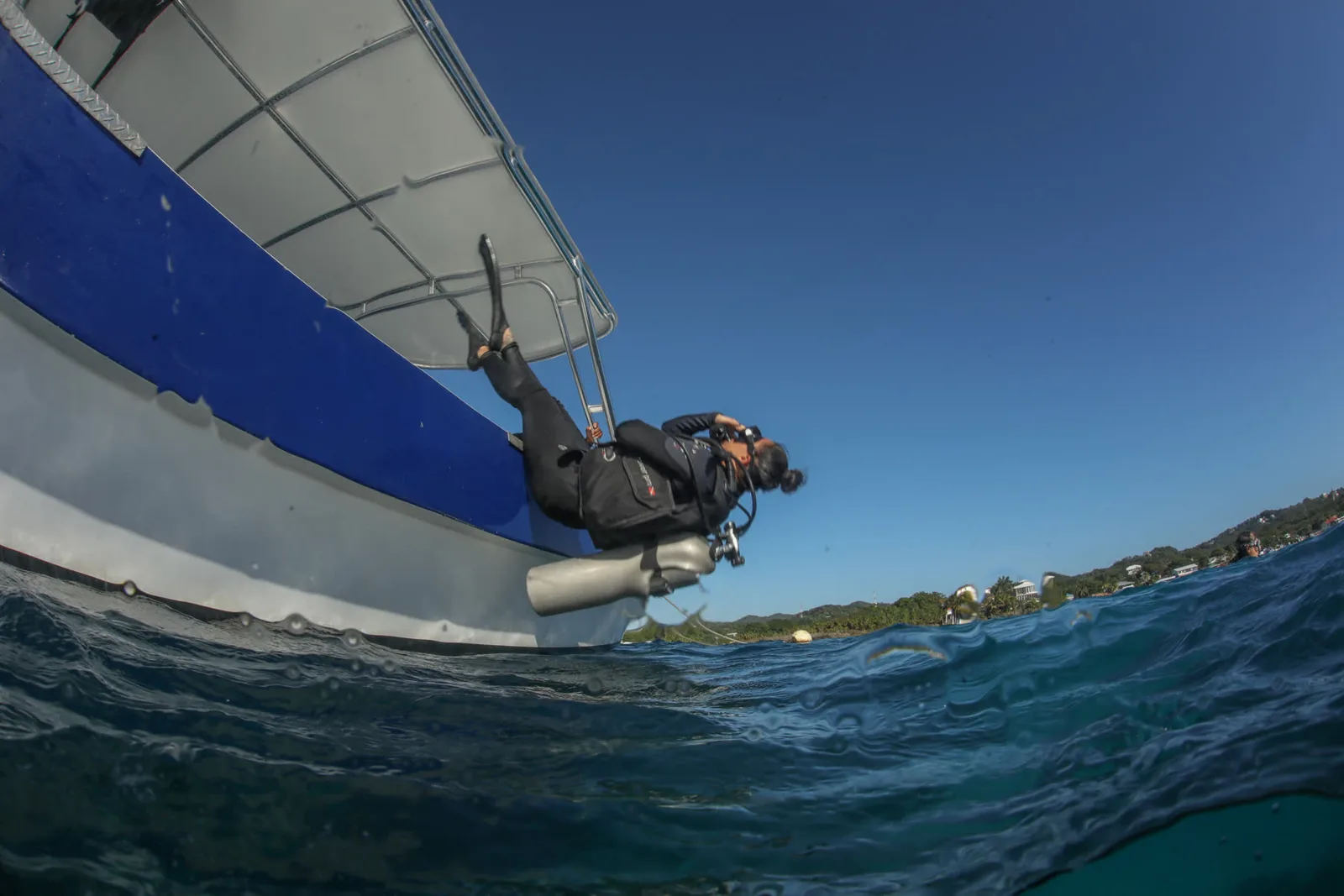
The dive centre
Splash Inn
PADI
Google 4.6/5 (724 reviews)
Dives: Cara Cara (Shark Dive), The Prince Albert wreck, Odyssey wreck
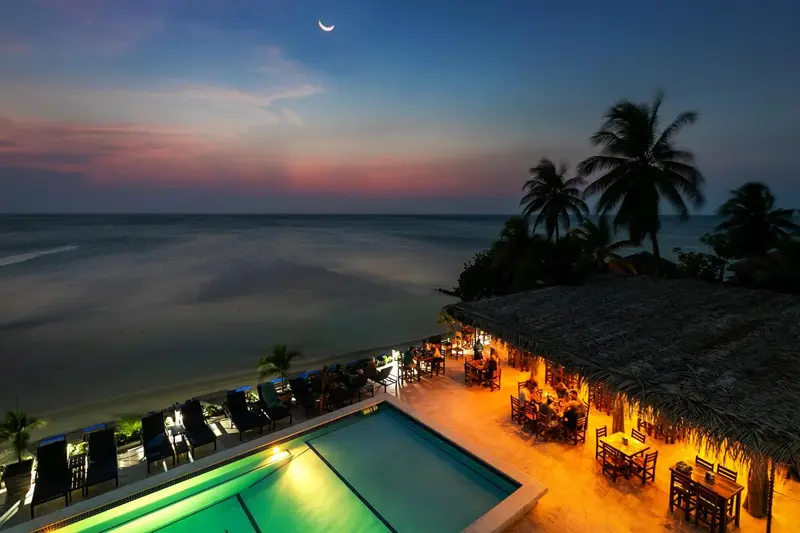 Dive centre in the hotel
★★★
Google 4.6/5 (233 reviews)
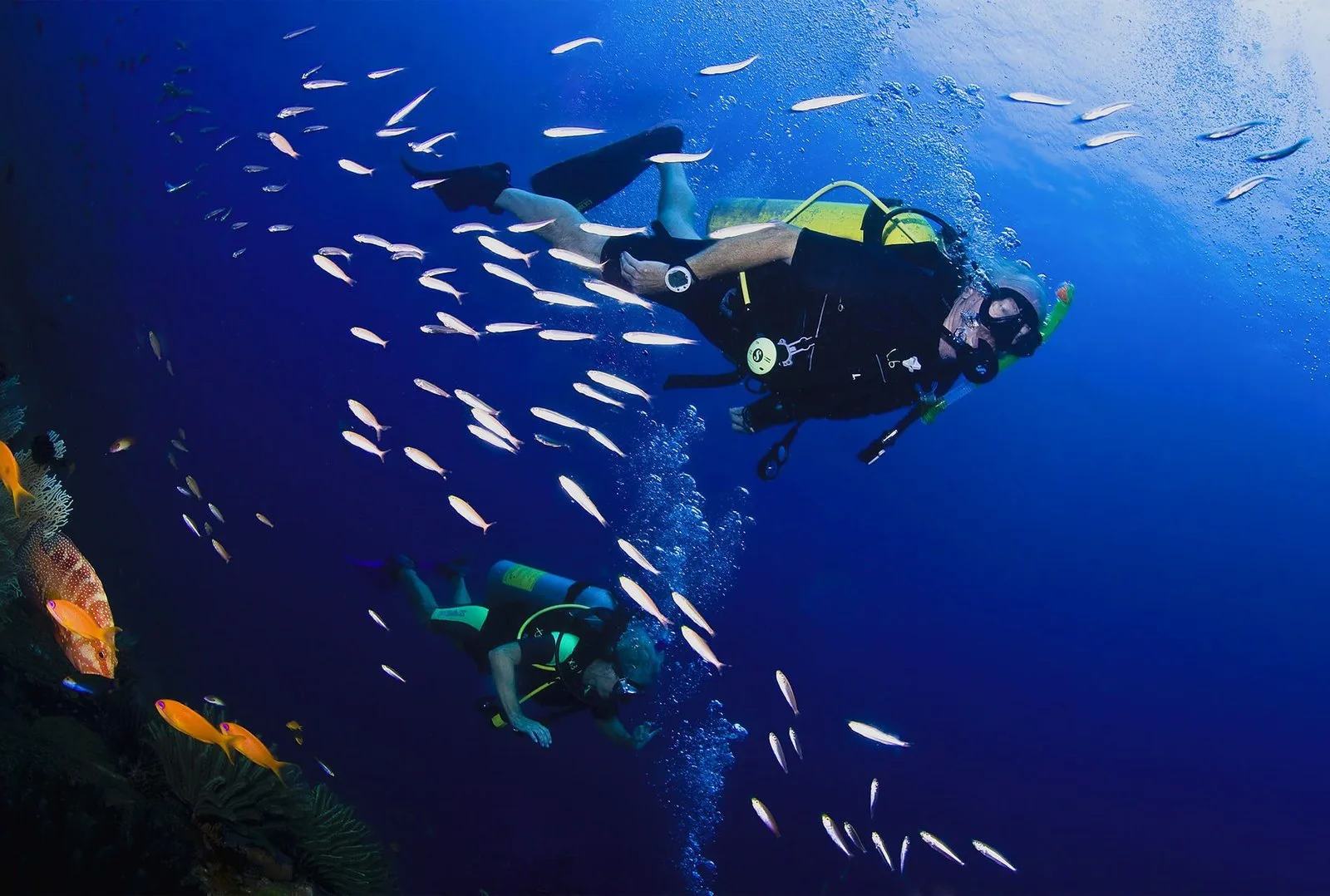
The dive centre
Island Diving Center
PADI
Google 4.9/5 (167 reviews)
Dives: West End Wall, Mary’s Place, Texas & Pablos
1 liveaboard departs from Roatan another way to explore the region, over several days at sea.
Your last day stays dry: no diving in the 18-24 hours before a flight, the perfect window to see the destination from another angle.
 Culture
⏱ 5 h · ★ 5.0 (72 reviews)
from £38$51€45
see on Viator ↗
 Culture
⏱ 2 h · ★ 5.0 (61 reviews)
from £80$107€95
see on Viator ↗
 City
City⏱ 3 h · ★ 5.0 (43 reviews)
from £68$92€82
see on Viator ↗
 City
City⏱ 4 h · ★ 5.0 (16 reviews)
from £46$61€54
see on Viator ↗
Ratings and reviews collected by Viator and Tripadvisor.
March to June generally brings calmer seas, drier weather and visibility that is often at its clearest. The south can retain better water when wind or swell affects the northern and western sides. October and November may bring rain, disturbances, northerly winds and runoff, while holiday periods can mean more boat traffic.
Most of Roatan suits Open Water divers, with shallow reef crests, sandy plains and Prince Albert at around twenty metres. Advanced Open Water experience helps with deeper walls, El Aguila Wreck, Mary’s Place and Hole in the Wall. Good buoyancy is important around fissures, tunnels and deep drop-offs, and Nitrox helps with repeated wall dives.
Roatan offers garden eels over sandy plains, barrel sponges, sea turtles, grouper, morays, lobster, octopus and eagle rays. You can explore volcanic fissures at Mary’s Place, walls such as West End Wall, and shallow wrecks including Prince Albert. Look also for seahorses, nudibranchs, blennies, trumpetfish, sea fans and black coral.
Use a flexible land-based itinerary around coastal villages, where small boats make short runs to walls, canyons and wrecks. Put Mary’s Place and West End Wall early, but leave room to move them for weather or boat traffic. Southern operators offer sheltered alternatives, and a seven- to ten-day stay allows diving, rest days and island activities.