Cocomo Osezaki
Google 4.7/5 (69 reviews)
1.8 km away as the crow flies
Numazu · Japan · Asia
Osezaki offers a protected bay for training and an exposed outer reef with pelagic encounters, including regular manta rays.
For subtitles in English: start the video firstthen click the gearat the top right of the video, select “Subtitles/CC”, then “Auto-translate” and choose “English”.
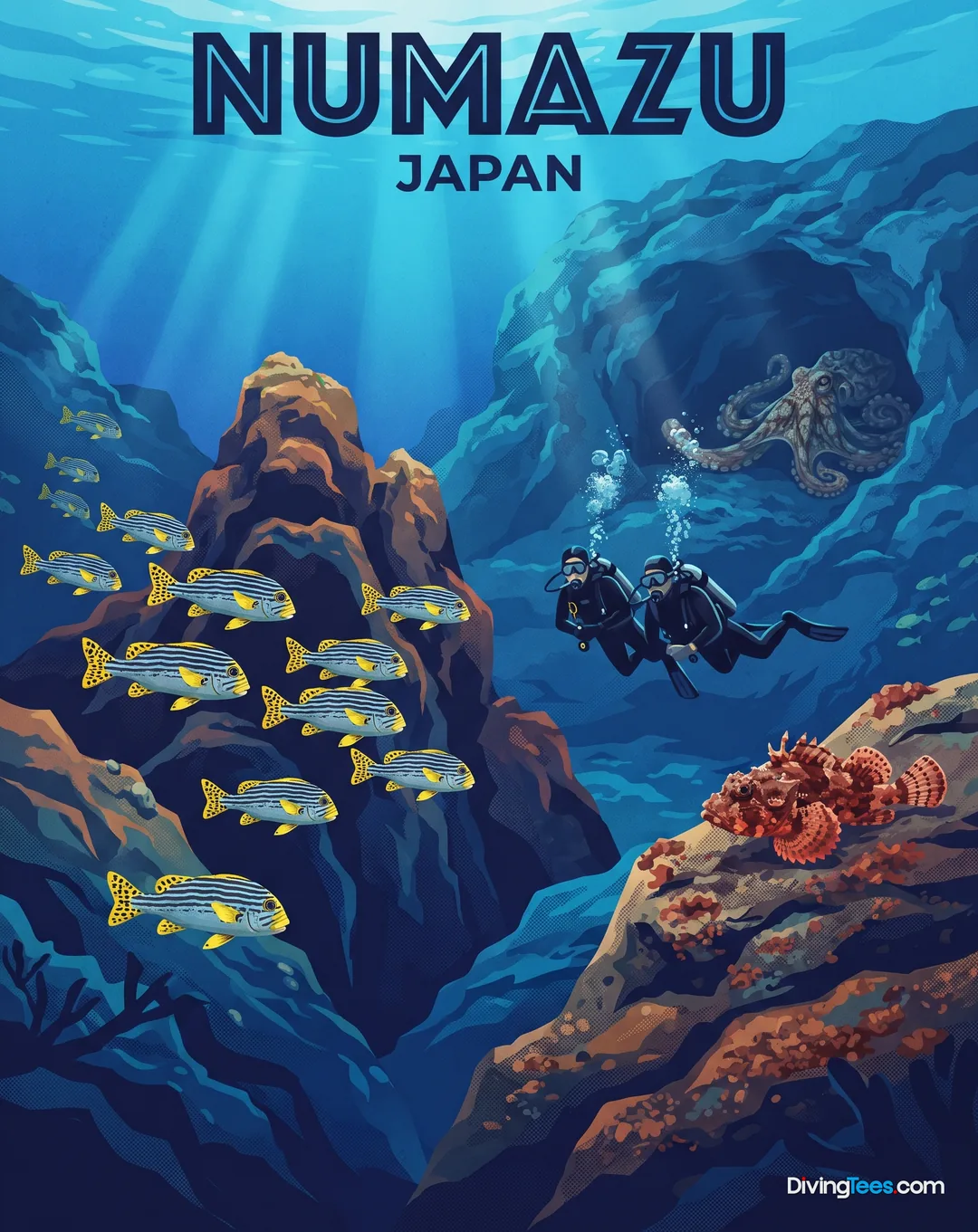
Osezaki presents a dual-faceted diving experience, centered around a unique peninsula that creates distinctly different conditions. The inner bay, locally known as 'Wan-nai', acts as a natural sanctuary. It's a spot where you can comfortably refine your buoyancy and skills without concern for strong currents or significant wave action, making it a primary location for entry-level training and certification dives. You'll find a mostly sandy bottom contrasting with small reef sections, offering diverse habitats ideal for spotting smaller creatures and practising navigation.
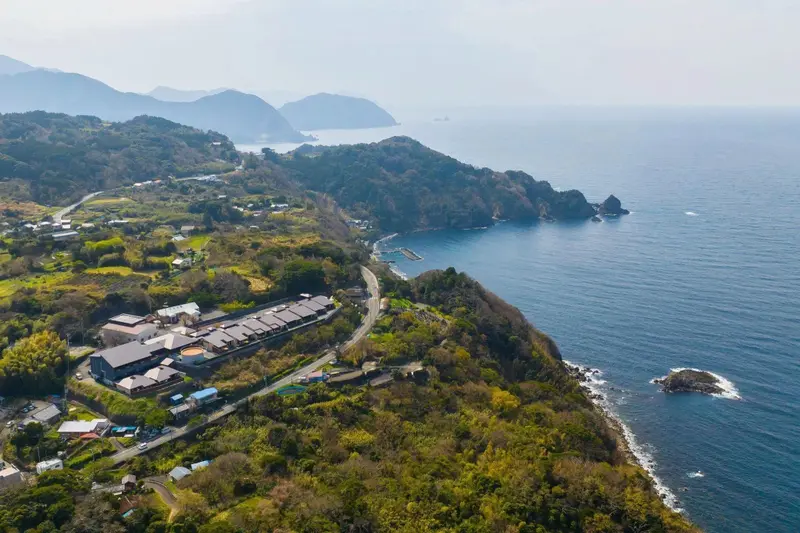
Beyond the shelter of 'Wan-nai', the peninsula extends into the open ocean, offering at least five additional dive points on the seaward side. The transition from the calm bay to these sites is immediate; you'll notice the change in topography as the seafloor becomes more rugged and exposed. One of these outer sites, 'Saki', is located near a shrine and requires a nominal entry fee, indicating its distinct access point and specific dive profile compared to the more readily accessible bay area. These outer sites are where Osezaki's unique pelagic potential truly unfolds.
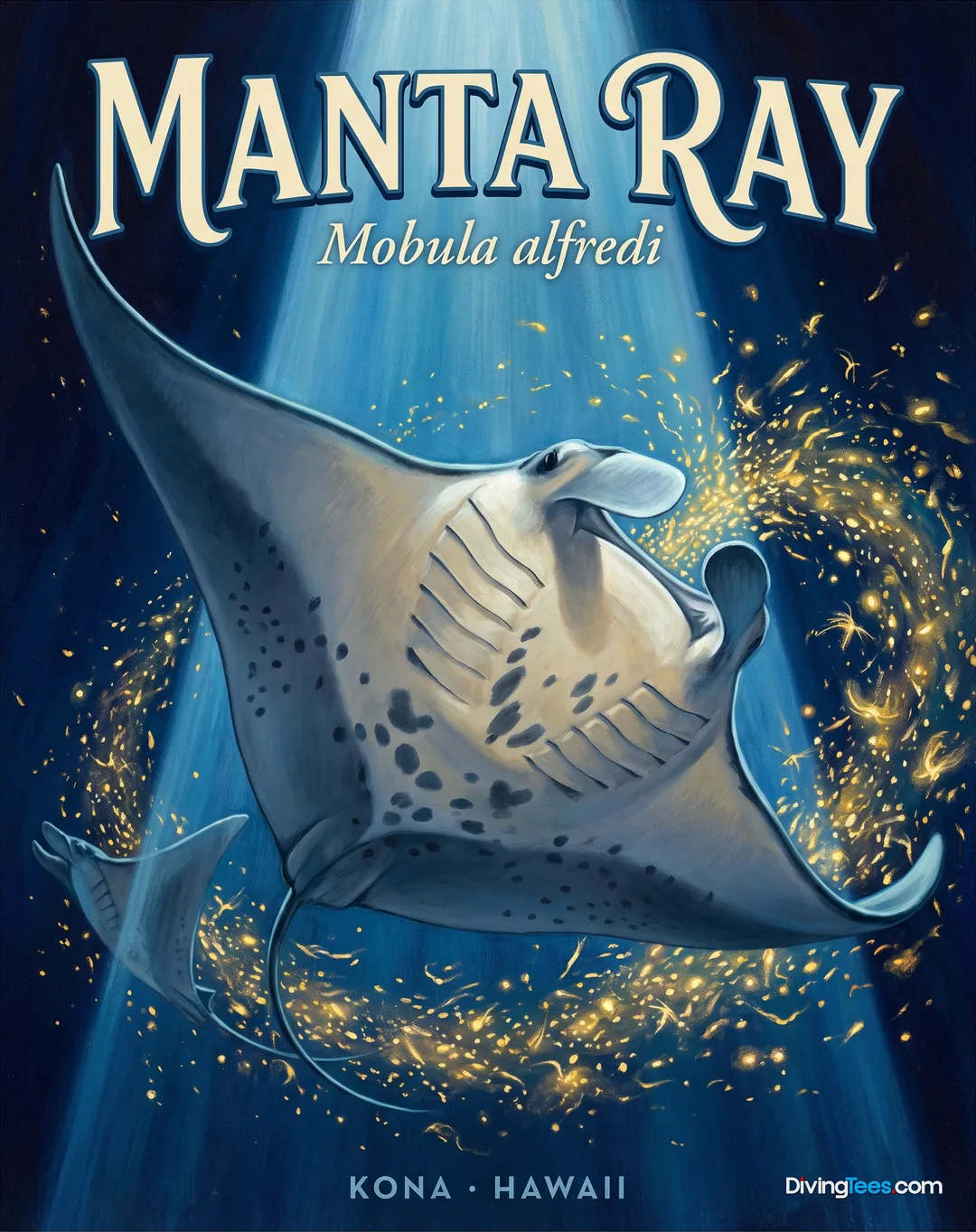
A notable feature of Osezaki's outer sites is the regular presence of manta rays. These encounters are a significant draw, occurring frequently enough to make them a point of attraction. While specific depths or conditions for these encounters aren't always predictable, the fact that they are consistently observed here speaks to the site's oceanic exposure and the currents that bring these pelagic giants close to shore. You should maintain awareness of your surroundings and be ready for a chance encounter, particularly when diving deeper and closer to the open water.
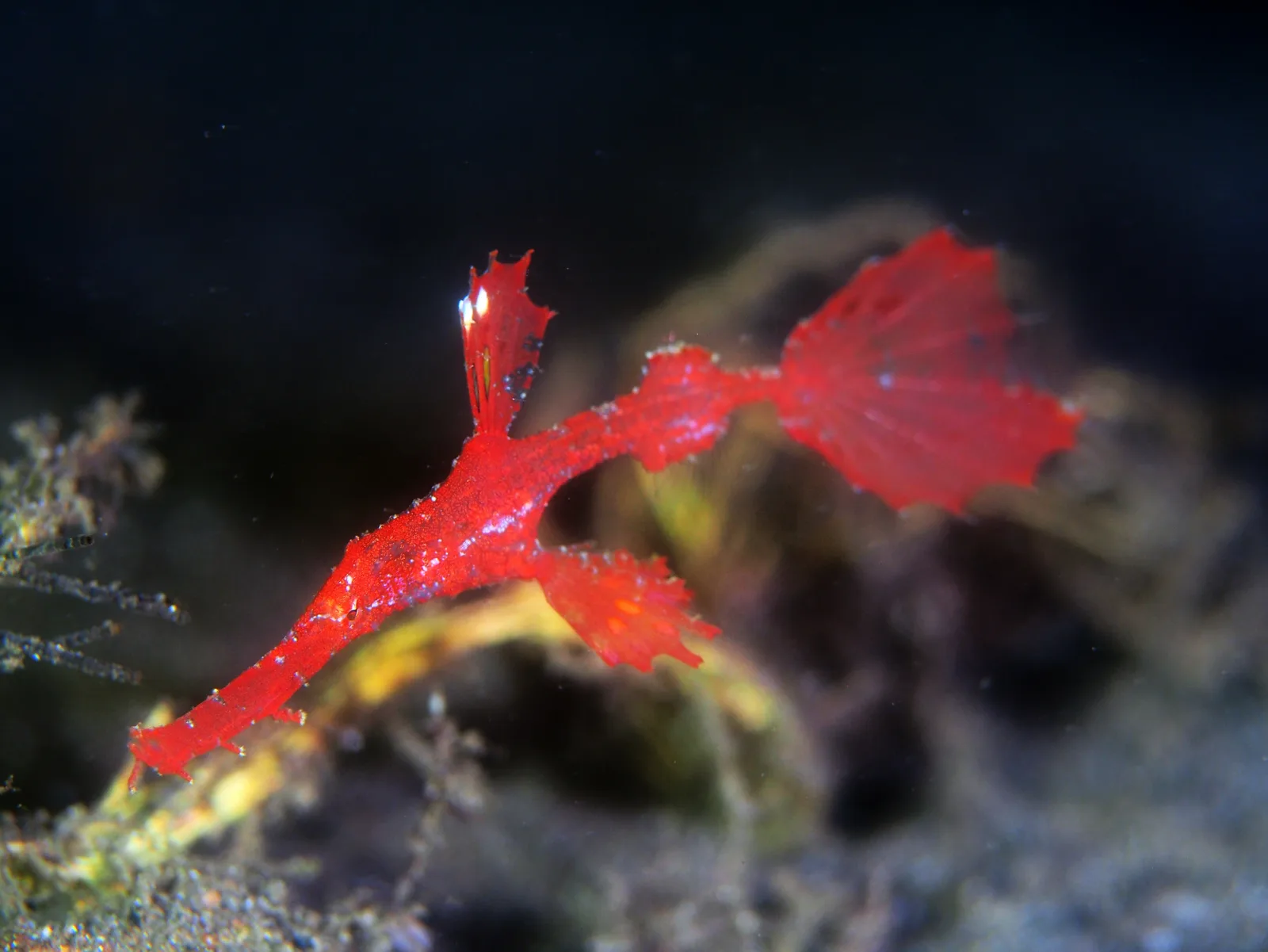
The marine life at Osezaki extends beyond the larger pelagics. Deliberate night dives have revealed exceptional observations, such as ribbonfish (Ryugu no Tsukai), which are rarely seen in these waters and often found at significant depths. This indicates the biological richness of the site's deeper areas and the potential for unique encounters, especially during specialized dives. You might also find glass gobies perched on blue gorgonian corals, a reminder that macro life thrives here alongside the larger inhabitants, requiring a slower pace and keen eye.
Osezaki is generally accessible from Open Water Diver certification. The inner 'Wan-nai' bay is suitable for all levels, including open water training, offering shelter from wind and waves. The outer reef sites on the open water side are more exposed and may require more experience, particularly if currents are present. Night diving is also possible on specific organized days, targeting unique nocturnal marine life.
Osezaki supports night diving on specific organized days, when you can look for nocturnal marine life such as ribbonfish. The sheltered Wan-nai bay can also serve as an alternative site during adverse weather, offering protection from wind and waves when conditions make more exposed diving less suitable.
Osezaki is generally accessible to you from Open Water Diver certification. Wan-nai bay suits all levels, including open water training, because it is sheltered and has limited wave action and currents. The outer reef sites are more exposed, so you may need additional experience, especially when currents are present.
In Osezaki’s inner Wan-nai bay, you can practise without concern for strong currents, making it suitable for training and skill development. The outer reef sites are more exposed to ocean conditions, and currents may be present there. Stay aware of your surroundings, particularly near open water where pelagic encounters occur.
At Osezaki, you can look for frequent manta ray encounters around the outer sites, plus smaller creatures in the sandy bay and reef sections. Glass gobies may perch on blue gorgonian corals, while organized night dives can reveal ribbonfish, also called Ryugu no Tsukai, in deeper areas.