Malaysia · Asia
Diving Layang-Layang: offshore walls and schooling hammerheads
An isolated Sabah atoll of sheer walls, blue-water descents, hard coral and schooling hammerheads, reached through an organised boat-based diving programme.
What makes this destination special
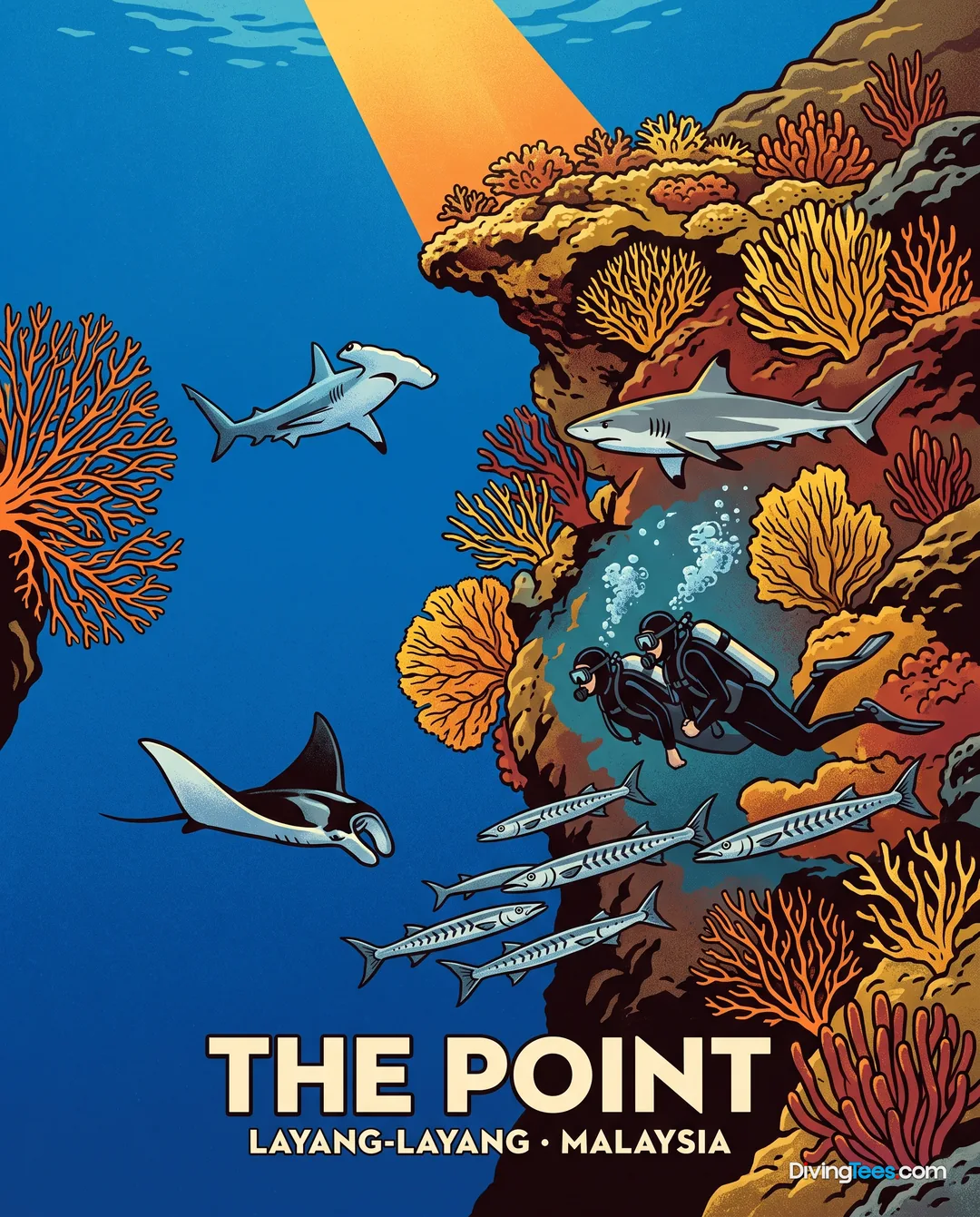
- The Point wall dropping to 35 metres
- Schooling hammerheads in the blue at The Point
- Twenty to forty metre visibility at The Point
- Hard coral formations covering a vertical wall
- Variable current on open-water wall dives
- The eastern tip of the Layang-Layang atoll
Overview
Layang-Layang is an offshore atoll where the diving day is shaped by the sea, not by a coastal town. The main attraction is the chance to leave the reef top and look into blue water for passing pelagics, with The Point offering a dramatic wall down to 35 metres. Hard coral covers parts of the vertical face, while schooling hammerheads are the encounter that brings experienced divers here. It is an expensive, tightly organised trip, with little reason to come unless diving is the central purpose.
Diving here
The diving is predominantly by boat, over open water and alongside steep walls rather than sheltered fringing reef. At The Point, the reef top gives way to a vertical drop, and an Advanced Open Water diver may descend into the blue to between 30 and 35 metres before settling onto the wall or drifting with the current. Conditions can change from light to strong current, with tides and local weather influencing the dive. Divers need to stay alert during descents, maintain a reliable position on the wall and be comfortable with drift techniques. Visibility at The Point is typically between 20 and 40 metres, giving the blue-water lookouts their purpose. This is not a destination for casual, shallow reef hopping; the appeal lies in controlled deep-water profiles, current awareness and the possibility of pelagic movement beyond the wall.
One dive not to miss
The underwater wildlife
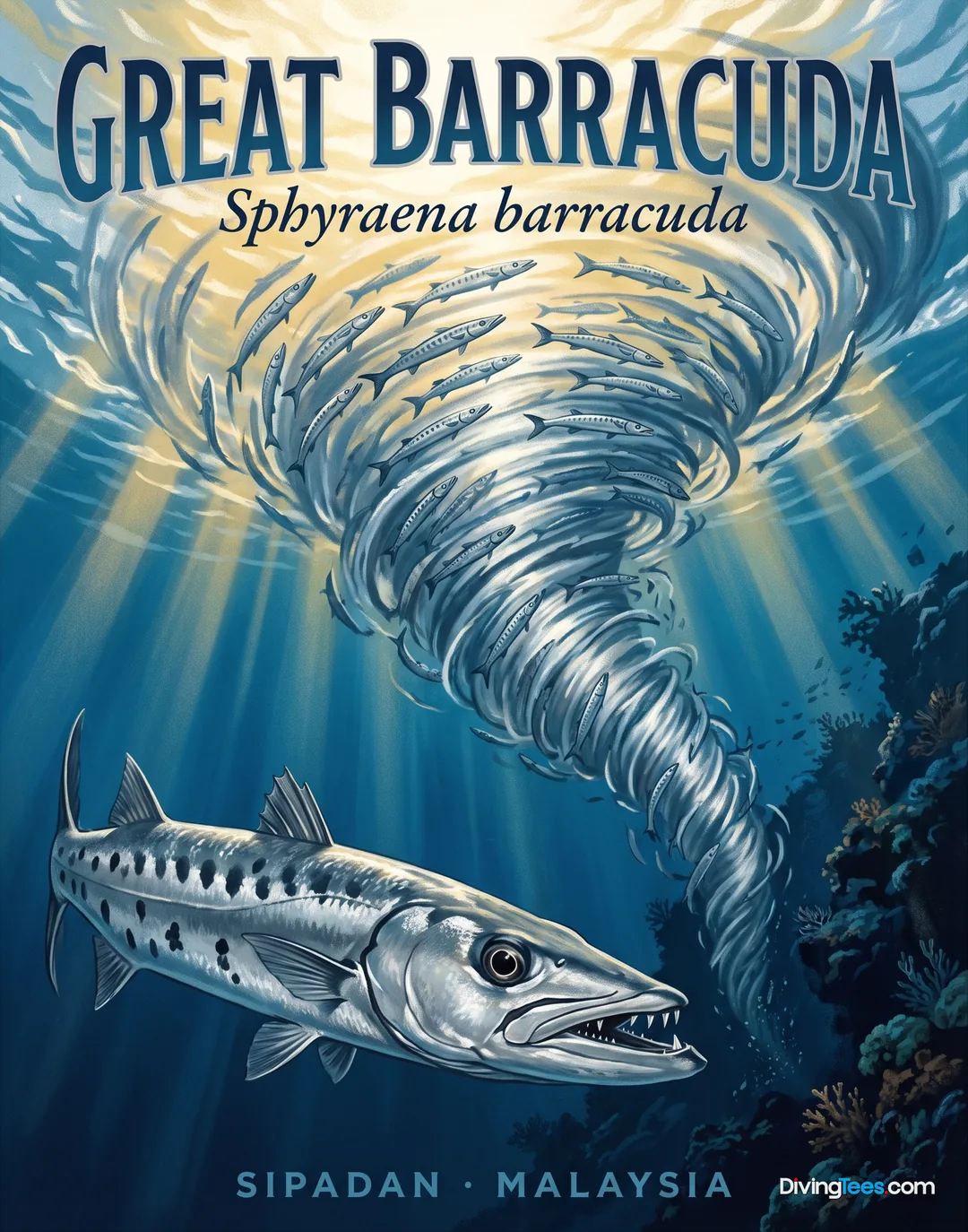
Schooling hammerhead sharks are the signature encounter, particularly on blue-water sections such as The Point. They are not a guaranteed appointment, so the dive still needs to work when the sharks remain out of view: the wall carries hard coral formations and diverse reef life, while banks of fish add movement above the drop. The shape of the site encourages divers to watch both the reef face and the open blue, rather than searching only beneath overhangs. Layang-Layang is therefore better suited to people who enjoy patient observation and changing water conditions than to those seeking a list of small, fixed subjects. Encounters should be treated as a major possibility within the seasonal diving programme, not as a scheduled event.
Possible underwater encounters

When to go
The sensible time to visit is during the established seasonal operating window for Layang-Layang, when organised boat programmes are running. The reason is logistical as much as biological: reaching the atoll depends on a sea crossing, and local weather and tides can alter current strength and the feel of open-water dives. A trip outside the working season is not a flexible alternative to the main season, because the destination has no ordinary independent arrival pattern. Check the operator’s actual operating dates before arranging flights, and allow spare time around the maritime journey rather than building a tightly connected itinerary.
Level required
Layang-Layang is aimed at experienced divers who are already comfortable in open water, on walls and in variable current. Advanced Open Water is useful for the 30–35 metre profile at The Point; BSAC, PADI or SSI divers should bring equivalent depth and experience rather than relying on the card alone. Drift training is particularly relevant. Good buoyancy, calm blue-water descents and the ability to remain with a buddy and guide matter more here than having simply completed an advanced course.
On the ground
From London Heathrow, Gatwick or Manchester, the journey must be arranged around reaching Sabah first; Layang-Layang is not a place with a public road arrival or a normal individual island transfer. Once in Sabah, a coordinated boat journey from the coast is compulsory, with the operator organising the onward movement and embarkation. This makes the final leg dependent on the sailing programme and on workable operating conditions. The practical approach is to book the Sabah flights, transfers and sea passage as one connected plan, leaving margin for the maritime section. On arrival, accommodation is normally linked to the diving operation or provided on a dedicated structure, so the transfer to the dive boat is built into the stay rather than handled through local taxis or independent island transport.
Local tips
Treat Layang-Layang as a dedicated offshore diving trip, not as a short add-on to a Sabah holiday. The boat crossing is the part most likely to punish a tightly timed itinerary, so leave a buffer around both the outbound and return journeys and keep a spare day before the international flight. A fully coordinated package is more practical than trying to assemble separate transfers on the ground. Do not arrive expecting a day trip, flexible island hopping or a useful programme for a non-diving companion. The diving rewards divers who are already relaxed in current and blue water; anyone still working on buoyancy or drift control may find The Point frustrating rather than enjoyable. Those particular about fit or configuration should bring essential comfort items and any difficult-to-replace equipment, since an isolated atoll is unlikely to offer the range of rental and replacement options found at a mainland hub.
Planning your stay
A stay is built around an organised diving schedule, usually as a liveaboard-style programme or through accommodation linked to a specialist operation. Boat departures, meals and the return from diving are arranged as part of the same structure, rather than managed independently each day. Rest periods are well suited to sea watching and quiet time on the island or accommodation platform. Non-divers can come along, but the limited land-based programme means the arrangement works best when everyone accepts that the water is the main event.
Hello, I'm Marina, DivingDeal.com's AI assistant. I guide you through destinations, areas and countries.

Thinking about the whole trip and the flights? Talk it over with Edith →
Marina is an AI. Some links are affiliate links: DivingDeal may earn a commission, at no extra cost to you. Bookings are made with the partner.