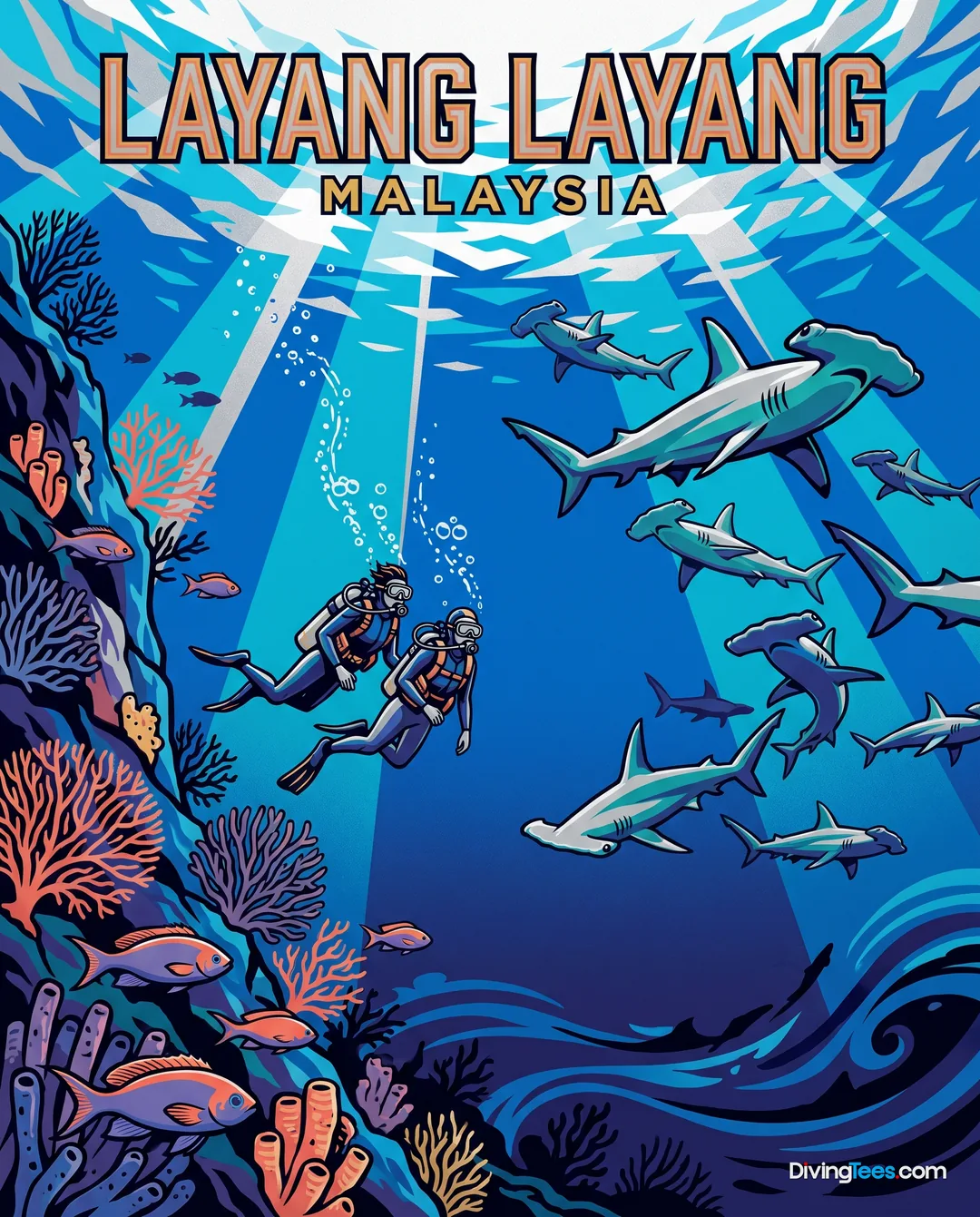
Layang-Layang · Malaysia · Asia
Max. depth · 35 mThe Point, Layang-Layang: Wall diving with schooling hammerheads
Descend the vertical face of The Point at Layang-Layang, where the chance of encountering schooling scalloped hammerhead sharks (Sphyrna lewini) at 30 to 35 metres draws divers from across the region.
What makes this site special
- Regular encounters with schooling scalloped hammerhead sharks (Sphyrna lewini) at depth.
- Dramatic wall dive profile from 3 metres to 35 metres.
- Presence of grey reef sharks (Carcharhinus amblyrhynchos) and leopard sharks (Stegostoma tigrinum).
- Rich hard and soft coral formations along the wall.
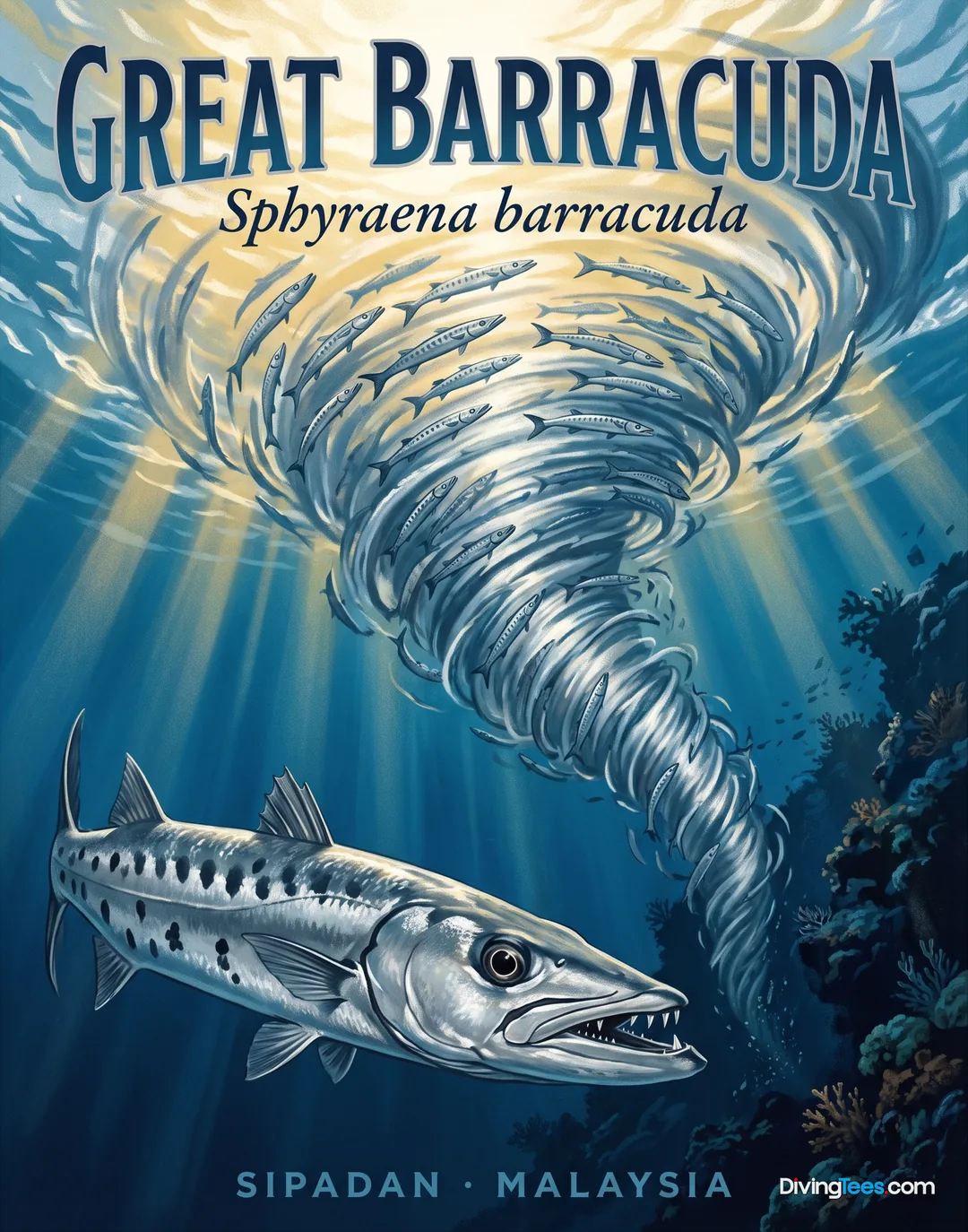
- Abundant smaller reef fish, including barracuda and dogtooth tuna (Gymnosarda unicolor).
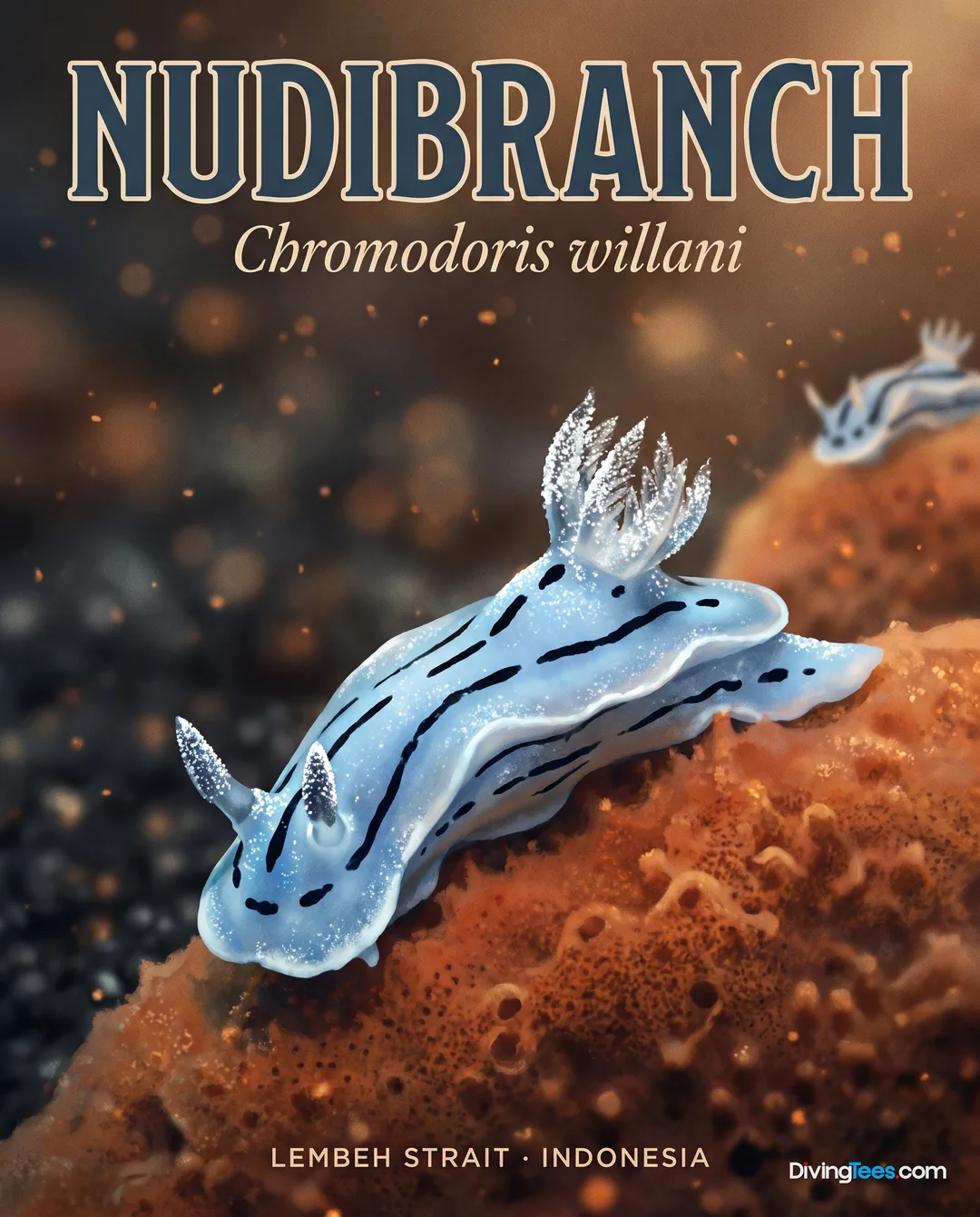
- Macro life such as ribbon eels (Rhinomuraena quaesita) and nudibranchs.
- Drift diving along the eastern tip of Layang-Layang atoll.
The Point about the site
Diving The Point means starting on the eastern tip of Layang-Layang, where the atoll's reef edge drops away into the blue. You begin your descent from the shallow reef flat, often around 3 metres, before following the contours of a vertical wall. This profile allows for a true drift dive, using the prevailing current to carry you along the wall while exploring both the immediate reef environment and the open water beyond.
The topography along the wall varies, transitioning from solid hard coral formations near the surface to expansive black coral bushes, sea fans, and barrel sponges as you gain depth. This creates a distinct visual contrast between the brighter, shallower coral garden and the deeper, darker sections of the wall. Keep an eye out for cracks and crevices throughout your descent; these offer shelter for smaller, shyer species that might otherwise be missed in the open water.
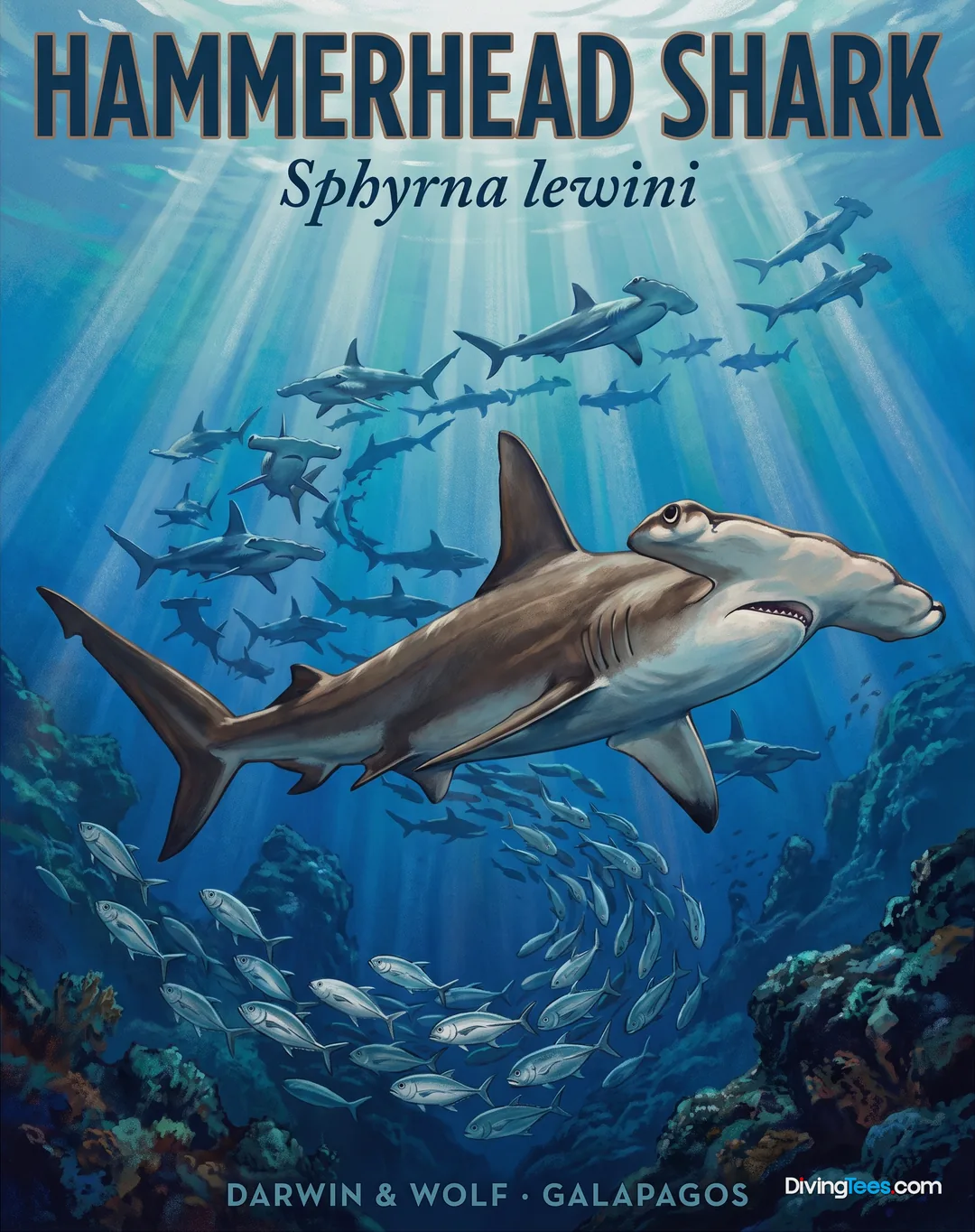
The primary draw for many at The Point is the opportunity to encounter schooling scalloped hammerhead sharks (Sphyrna lewini). These gatherings typically occur in the blue water at depths between 30 and 35 metres. To maximize your chances, plan your dive to extend out into the open water during the initial stages, allowing for careful observation of these pelagic predators before returning to the wall for your ascent.
Beyond the hammerheads, The Point also hosts a range of other shark species, including grey reef sharks (Carcharhinus amblyrhynchos) that patrol the reef edge and leopard sharks (Stegostoma tigrinum) often found resting on sandy ledges. These encounters add to the site's pelagic appeal, reinforcing its reputation as a significant aggregation point for larger marine life.
Along the wall itself and within the adjacent coral garden, the smaller inhabitants offer plenty to observe. You'll find a variety of fish life, from barracuda and dogtooth tuna (Gymnosarda unicolor) patrolling the deeper sections to schools of surgeonfish and fusiliers congregating higher up. The hard coral formations also provide nesting sites for triggerfish, particularly noticeable during their breeding seasons.
Closer inspection of the reef reveals macro subjects such as ribbon eels (Rhinomuraena quaesita), flatworms, and nudibranchs, often found tucked into the various cracks and under overhangs. These smaller creatures highlight the site's biodiversity, showing that The Point offers more than just big pelagic encounters; it also supports a thriving ecosystem of invertebrate life and smaller reef fish.
An old wreck in very poor condition is present on the site, though little remains beyond scattered metal scraps now largely integrated into the reef structure. While not a distinct dive objective in itself, these remnants contribute to the site's varied terrain and provide additional habitat for marine organisms, blending the historical with the natural environment.
Diving The Point: the marine life you’ll meet
Diving conditions
The Point is accessible for Advanced Open Water divers who are comfortable with blue-water descents to 30–35 metres and proficient in wall and drift diving techniques. Current conditions are variable, ranging from light to strong, influenced by tides and local weather patterns, requiring attentiveness throughout the dive. Visibility is consistently good, typically ranging between 20 and 40 metres. The optimal diving season for Layang-Layang, and particularly for hammerhead encounters at The Point, spans from March to August, with peak hammerhead sightings often concentrated between March and May.