
Haliotis - Peniche Diving Center
Google 4.8/5 (378 reviews)
Portugal · Atlantic
Rock walls, dark caves, European lobster and wrecks meet around Berlenga Grande, the Estelas and the Farilhões, with dives reaching about 30 metres.
For subtitles in English: start the video firstthen click the gearat the top right of the video, select “Subtitles/CC”, then “Auto-translate” and choose “English”.
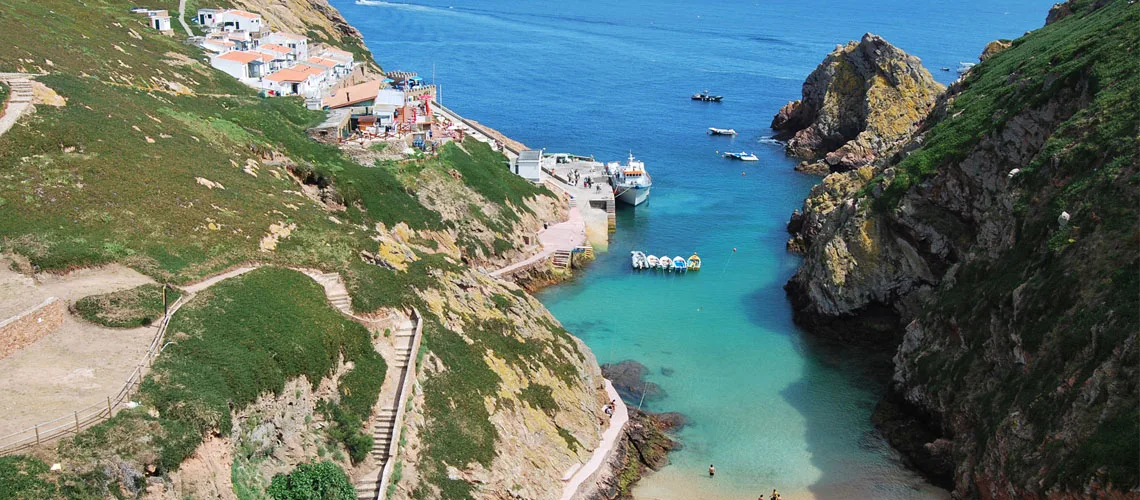
Peniche is the shore base for boat diving around the protected Berlengas archipelago. From the harbour, boats head towards Berlenga Grande, the Estelas and the Farilhões, where rocky walls, overhangs, passages, caves and wrecks replace a straightforward shore dive. The attraction is the changeable Atlantic character: one day may offer calm water around a sheltered rock, another a more committed dive with depth, current and swell in the equation. Stay on land in Peniche, and the diving can sit alongside beaches, surf, coastal walking and the town’s maritime heritage.
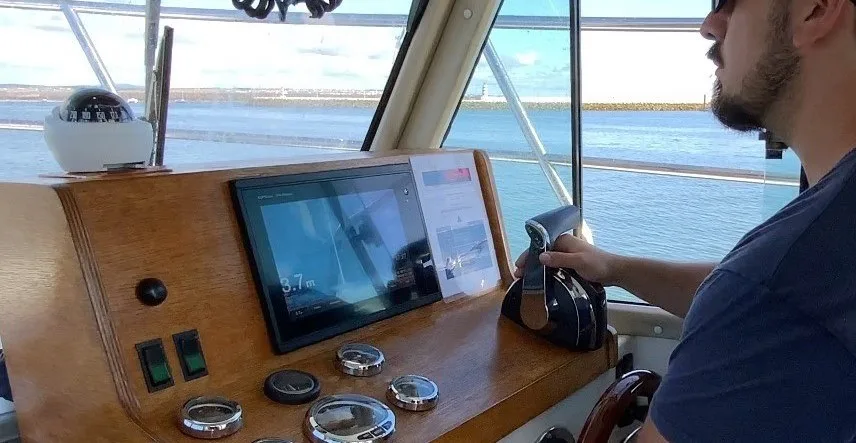
Most diving is from a boat, with the underwater landscape built around rock faces, drop-offs, swim-throughs, caves and exposed pinnacles. Berlenga Grande provides the familiar starting point, while the Estelas and Farilhões add more open-water character when conditions and the planned profile allow. Some sites reach about 30 metres, and wrecks bring a different reason to manage depth, gas and ascent time. Current is variable rather than constant, but it can turn a relaxed descent into a drift dive or create a downcurrent alongside a wall. Visibility is commonly around 10 to 15 metres, though swell and ocean conditions can reduce it. The trip itself is part of the outing: even when the dive site settles, the crossing from Peniche may remain lively.
The animals suit a diver who enjoys looking into cracks rather than waiting for large pelagic encounters. European lobster, conger eel and forkbeard are regular inhabitants of the rocky terrain, while John Dory may appear among the walls and passages. Elasmobranchs are possible but rare, so they should be treated as a bonus rather than a reason to book a particular date. The reserve’s rocks, caves and wrecks provide the places to search, especially around Berlenga Grande, the Estelas and the Farilhões. No dependable seasonal pattern is attached to these sightings, which is another reason to allow several diving days. Repeated visits also reward patient observation, as the same wall can feel different with a change in current or visibility.
June to October is the practical season because the local operators have more opportunities to run trips and the sea is generally more workable. July and August bring the greatest holiday traffic, while June, September and October can offer a less crowded feel without moving outside the main operating window. Winter is quieter, but December to February brings more weather-dependent departures and a greater risk of cancellation. Visibility has no single guaranteed best month, so plan around the chance of getting out rather than chasing a particular figure. A 7 mm suit or semi-dry is sensible for the main season, with a drysuit worth considering in the colder months.
Peniche can accommodate beginners through training dives and shallower outings, but the Berlengas should not be treated as one uniform level of diving. Sites involving about 30 metres, stronger current or greater exposure suit divers with appropriate experience. An Advanced or recognised deep-diving qualification is useful for deeper profiles, while a wreck speciality is relevant where the plan centres on an overhead structure. BSAC, PADI and SSI divers should match their certification and recent experience to the actual site briefing, not simply to the destination name.
From London Heathrow, London Gatwick or Manchester, the journey involves reaching Lisbon and then continuing by road to Peniche. Allow for the connection between the arrival point and the town, rather than treating the flight as the end of the journey. Once in Peniche, the area is compact: depending on the location of the accommodation, the dive centre may be reached on foot or by taxi. The centre normally arranges the onward transfer to the harbour for the day’s boat departure. No ferry crossing is required for a normal diving trip, because divers board the dive boat in Peniche and remain with it for the journey to the Berlengas. A separate passenger crossing only becomes relevant if you plan to land on Berlenga Grande as a visitor.
Build in a weather margin. A calm-looking site does not guarantee a comfortable crossing, and the sea between Peniche and the islands can stay rough when conditions settle underwater. For that reason, one day of diving is a poor winter plan; several days give the operator room to move the trip or change the area. Ask before boarding whether the itinerary includes landing on Berlenga Grande. Diving from the boat and visiting the island are not the same arrangement, and the shore visit requires its own registration within the visitor-control system. Check the permitted diving zones and stay out of restricted areas. Take seasickness protection if you need it, because the boat ride can be the hardest part of the day. Keep a no-diving day before a flight or long connection, particularly if the programme includes deep sites or wrecks. Do not assume that a calm previous dive means the next crossing will be similar.
A three- to five-day stay works well on land in Peniche. It leaves room for a cancelled boat day and for changing the diving mix between Berlenga Grande, the Estelas and the Farilhões. Outside the water, combine the archipelago with coastal walks, birdwatching, beaches, surf around Peniche and Atouguia da Baleia, or the town’s maritime and historical sights. Snorkelling and boat excursions provide alternatives when diving is not practical.
Hello, I'm Marina, DivingDeal.com's AI assistant. I guide you through destinations, areas and countries.
Thinking about the whole trip and the flights? Talk it over with Edith →
Marina is an AI. Some links are affiliate links: DivingDeal may earn a commission, at no extra cost to you. Bookings are made with the partner.
Choose Peniche from June to October, the practical operating window when local operators have more chances to run trips and sea conditions are generally more workable. July and August are busier with holiday traffic; June, September and October may feel less crowded. Winter departures are more weather-dependent and cancellations are more likely.
Peniche suits beginners for training dives and shallower outings, but island sites vary considerably. You need appropriate experience for deeper profiles, stronger current or greater exposure. An Advanced or recognised deep-diving qualification helps for deeper dives, while wreck-focused plans call for relevant wreck training. Match your certification and recent experience to the briefing.
Around Peniche, you can explore rocky walls, drop-offs, overhangs, narrow passages, caves, exposed pinnacles and wrecks near Berlenga Grande, the Estelas and the Farilhões. Look into the rocks for European lobster, conger eel, forkbeard and John Dory. Visibility is commonly around ten to fifteen metres, though ocean conditions can reduce it.
Plan a three- to five-day Peniche stay on land, leaving room for a cancelled boat day and different island sites. Diving is mainly by boat from the harbour, with the centre arranging onward transfer. Add coastal walks, beaches, surf, maritime sights or other excursions, and keep a no-diving day before flying or a long connection.