
Divers of Vingoria
Google 5/5 (36 reviews)
India · Indian Ocean
Rocky islets, shallow reefs near Sindhudurg Fort, tropical reef fish and quiet boat days define Bhogave’s diving season after the monsoon.
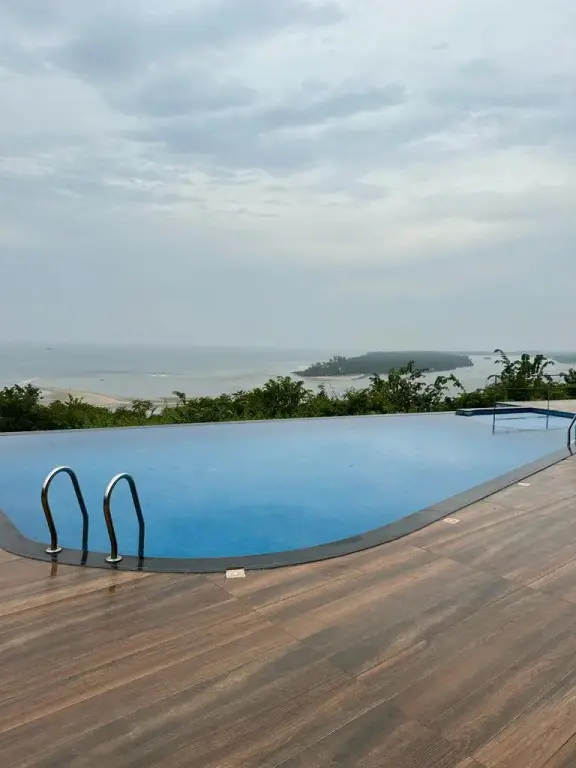
Bhogave’s rocky coast and nearby islets set the scene for a quiet, shore-based diving holiday in the Konkan. Boats leave for coastal reefs, rock formations and the Vengurla area, while the shallower sites near Sindhudurg Fort suit first dives and easy days in the water. This is a place for a few unhurried days, not a liveaboard itinerary, with beaches, the Karli River estuary and villages close at hand.
Diving is mainly from boats, heading out from Bhogave, Devbagh or nearby coastal bases towards reefs, rock formations and islets. The underwater terrain changes with the site. Areas near Sindhudurg Fort are shallow and generally suitable for introductory dives, while the rocks and islets towards Vengurla are more exposed to the state of the sea. Currents are variable rather than a defining feature, so the same outing can feel quite different when wind and swell change. Visibility is generally better from October to April and less dependable during the monsoon, when coastal run-off and rougher water cloud the picture. Ask exactly where the boat is going: Bhogave, Devbagh, Sindhudurg Fort and Vengurla Rocks are not interchangeable experiences. Expect a straightforward day boat outing, with the boat ride, entry and return shaped by local sea conditions.
Tropical reef fish are the dependable background to a Bhogave dive, present throughout the year and most readily enjoyed during the main diving season. Seahorses and barracudas are occasional encounters rather than animals to plan an itinerary around, while reef sharks are rare. The appeal lies in searching the rocky ground and coastal reefs rather than expecting a fixed parade of large animals. Nearer Sindhudurg Fort, the shallow water can make slow observation and an uncomplicated first dive possible. Around the more exposed Vengurla rocks and islets, the marine life is encountered in a setting more strongly governed by the sea. Keep expectations measured, and treat any seahorse, barracuda or reef shark as a fortunate sighting.
The practical diving season runs from October to April, after the south-west monsoon has eased. The sea is usually calmer then, and visibility benefits from less swell and less coastal run-off. November to February brings the feel of the drier, cooler part of the season, while March and April remain within the regular diving window. May to August is the rainy season and the least dependable period: wind, monsoon swell and reduced visibility can cancel a boat trip or force a change of site. Occasional weather windows may still allow diving, but they are a poor basis for a tightly planned holiday.
Bhogave can suit beginners, particularly on the shallow coastal sites near Sindhudurg Fort, where an instructor-led first dive need not involve exposed rocks or demanding conditions. Certified divers from BSAC, PADI or SSI can use the destination as a relaxed base, provided they are comfortable with boat diving and changing sea conditions. More experience is useful around Vengurla’s rocks and islets, where exposure to the sea matters more than any specialist qualification. The key distinction is between sheltered shallow sites and more weather-dependent outings.
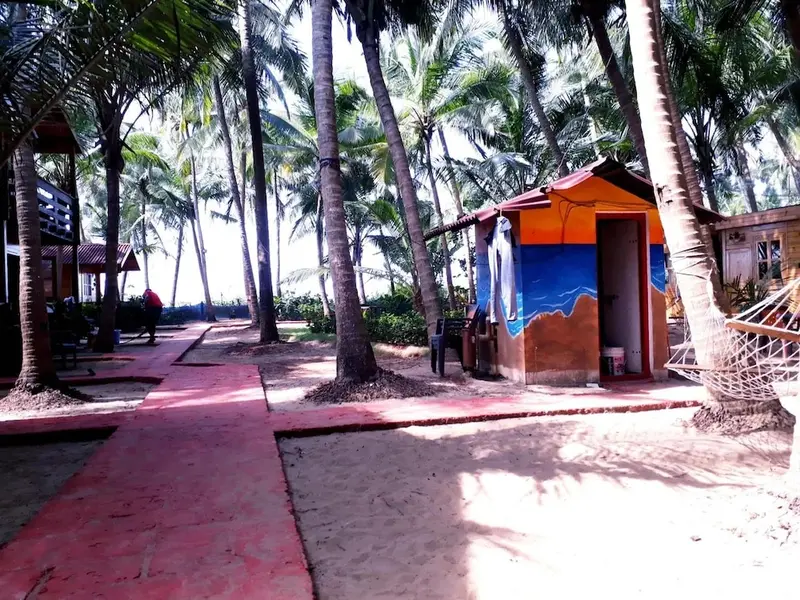
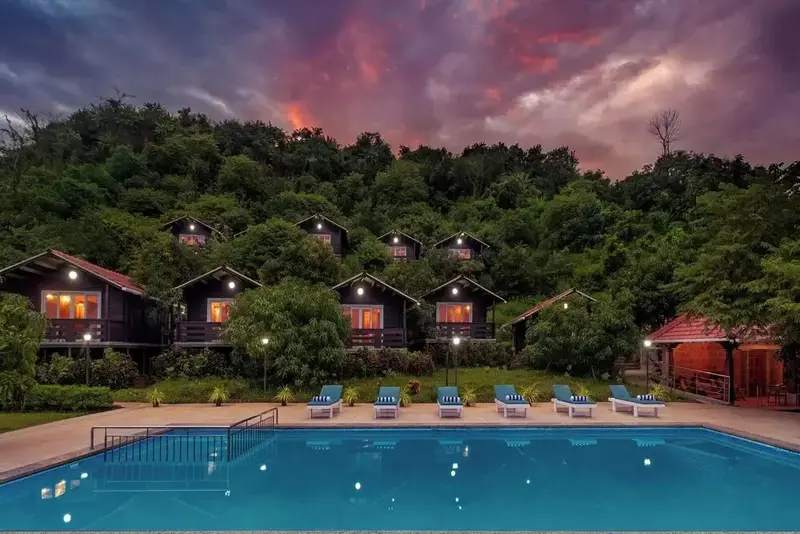
From London or Manchester, the journey begins with an international flight and onward connections to the regional Sindhudurg Airport, followed by a road transfer. Allow flexibility for those connections and confirm the final transfer before booking, as Bhogave itself has no airport and does not depend on a regular maritime link for access. The area is also reached by road from Malvan, Kudal or Vengurla. Once there, the exact meeting point matters: centres operate around Bhogave, Devbagh, Tarkarli and Malvan, and the Karli River separates Bhogave from the Tarkarli side. Accommodation near Bhogave’s beach may allow a walk or short local transfer to the boat, whereas staying in Tarkarli, Devbagh or Malvan normally means arranging road transport to the departure point.
Do not build a tightly packed programme between May and August. The monsoon can make the sea unsuitable, and even outside the main rainy season a reserve day is sensible for a boat trip. Before paying a deposit, ask whether each planned outing is for Bhogave, Devbagh, Sindhudurg Fort or Vengurla Rocks, and how long the road transfer to the boat will be. Tarkarli’s visibility figures should not be treated as a promise for Bhogave. On a first day, start with a shallow coastal site rather than going straight to the more exposed Vengurla rocks. Weekend and dry-season traffic is heavier around Sindhudurg Fort, so ask about less busy alternatives farther south when conditions allow. Staying at Bhogave reduces repeated transfers, while a base across the estuary can complicate the start of the day. Keep one non-diving day before flying, since weather can rearrange the boat programme.
Plan on a land-based stay of roughly three to five days, with daily boat outings rather than a liveaboard schedule. Bhogave accommodation near the beach keeps the morning transfer simple; bases in Tarkarli, Devbagh or Malvan require more road organisation. The extra days are useful when the sea changes and a boat trip is postponed, and they leave room to combine Bhogave with Malvan, Devbagh and Vengurla. Non-divers have beaches, estuary scenery, coastal excursions and villages to explore.
Hello, I'm Marina, DivingDeal.com's AI assistant. I guide you through destinations, areas and countries.
Thinking about the whole trip and the flights? Talk it over with Edith →
Marina is an AI. Some links are affiliate links: DivingDeal may earn a commission, at no extra cost to you. Bookings are made with the partner.
The practical diving season runs from October to April, after the south-west monsoon has eased. The sea is usually calmer and visibility benefits from less swell and coastal run-off. November to February brings the drier, cooler part of the season, while May to August is rainy, with wind, swell and reduced visibility affecting boat trips.
Bhogave can suit beginners at the shallow coastal sites near Sindhudurg Fort, where an instructor-led first dive can avoid exposed rocks and demanding conditions. Certified BSAC, PADI or SSI divers can use the area as a relaxed base if comfortable with boats and changing sea conditions. More experience helps around Vengurla’s exposed rocks and islets.
Tropical reef fish provide the regular marine life around Bhogave’s rocky coastal reefs and islets. Seahorses and barracudas appear occasionally, while reef sharks are rare. Near Sindhudurg Fort, shallow water supports slow observation and uncomplicated first dives. Around Vengurla, marine life is found among rocks and islets where wind, swell and sea conditions shape the outing.
Plan a land-based stay of roughly three to five days, with daily boat outings rather than a liveaboard schedule. Staying near Bhogave’s beach keeps the morning transfer simple, while Tarkarli, Devbagh or Malvan require road transport. Keep flexibility for postponed trips, confirm the departure site, and leave a non-diving day before flying.