
Bond Watersports Pvt Ltd
Google 4.8/5 (830 reviews)
India · Indian Ocean
Sandy bottoms, rock slabs and underwater canyons meet an artificial reef, with stonefish, lionfish and rays around Kovalam’s beaches during open-water dives.
For subtitles in English: start the video firstthen click the gearat the top right of the video, select “Subtitles/CC”, then “Auto-translate” and choose “English”.
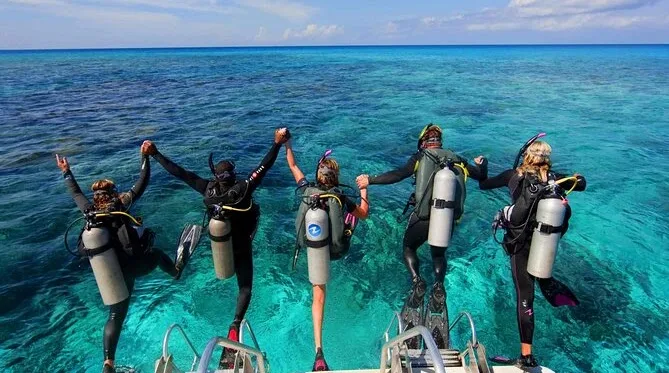
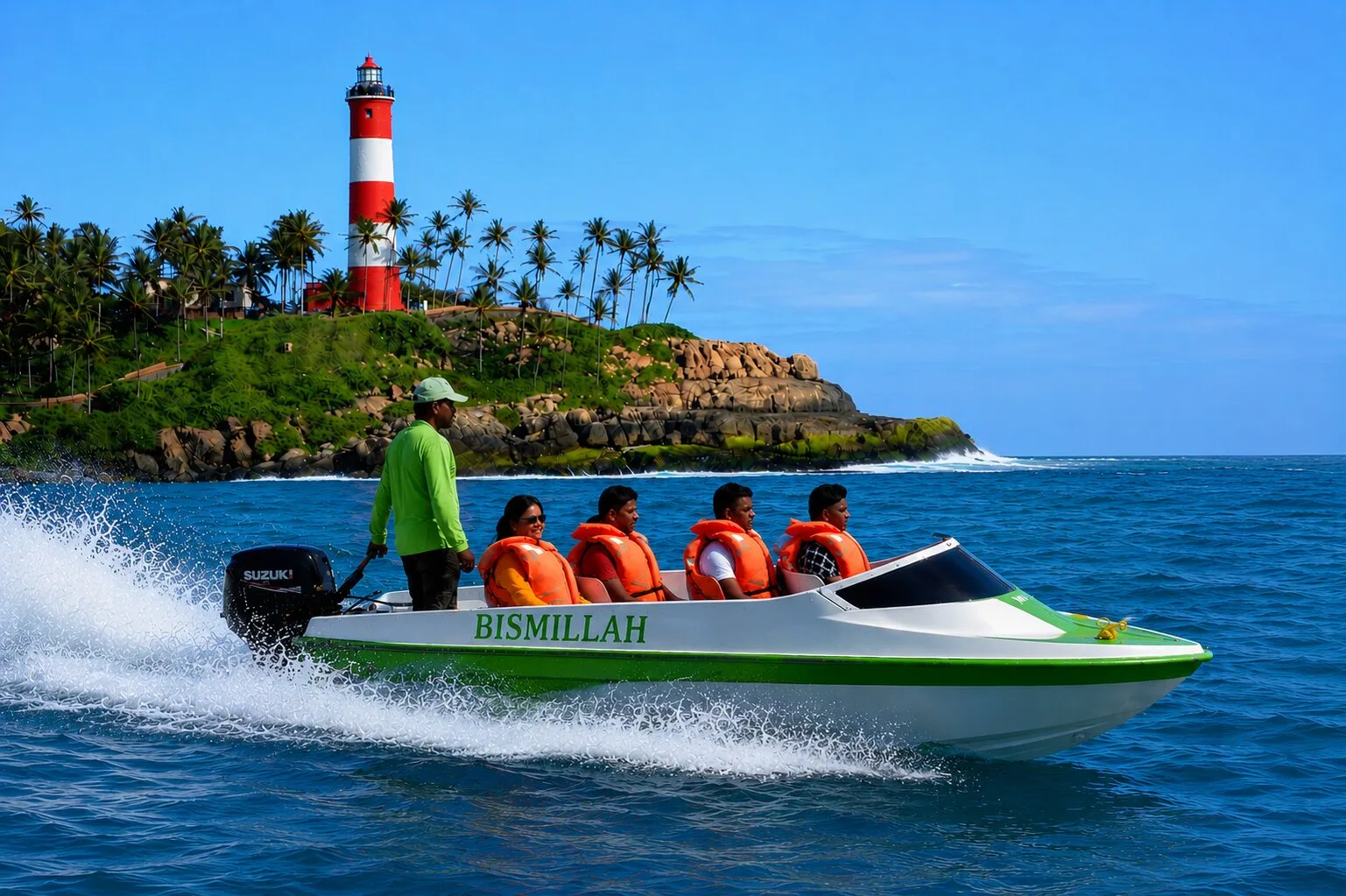
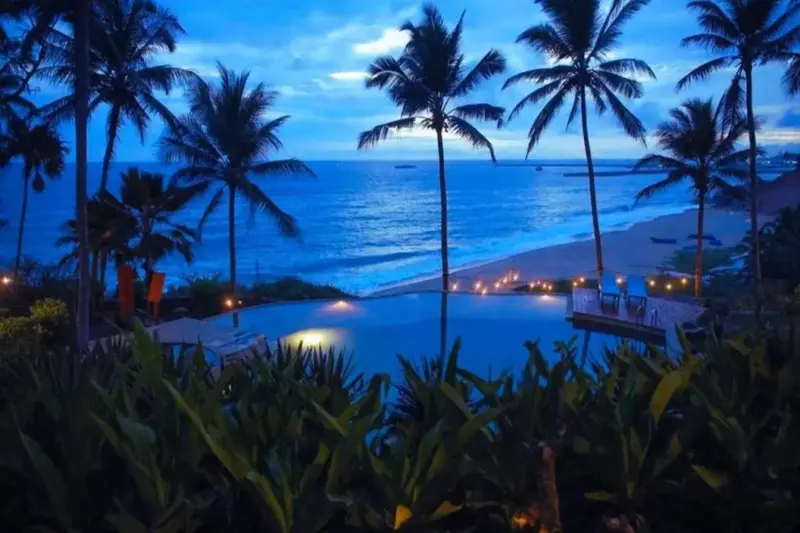
At Kovalam, dives begin from the beaches around Lighthouse, Hawa and Eve, above sand, rock and an artificial reef. It suits divers who prefer a straightforward shore-based holiday to a liveaboard or a long boat journey between remote reefs. Beginners can start in the shallower, mainly sandy areas near Hawa Beach, while experienced divers will find interest in the changing bottom and local conditions. Kovalam is a practical Kerala base, with beaches, surface activities and land excursions for non-diving companions.
Kovalam’s underwater landscape is close to shore and open to the changing sea. Expect sandy bottom, rock slabs, underwater canyons and an artificial reef rather than a continuous coral reef. The areas near Hawa Beach are the most approachable for an introduction, while a briefing should establish whether the outing is heading for rock, sand or the artificial structure. Currents are variable, and the monsoon makes them less predictable, so this is not a destination to book for a settled series of drift dives. Visibility can be changeable even in the calmer season and is generally more limited than at Lakshadweep. In clear spells, the attraction is the contrast between pale sand, dark rock and the reef structure, with enough relief to keep a slow, observant dive interesting.
The usual cast belongs to coastal Indian water rather than a specialist big-animal itinerary. Look carefully over the sand and rock for stonefish, lionfish, eels and sea cucumbers, with rays moving across the more open bottom. Jellyfish may also be present, particularly when conditions bring them into the near-shore water. Octopus is an occasional reward around the rocks and artificial reef, rather than something to plan a dive around. Good buoyancy and a slow pace matter here because camouflage is part of the experience: a stonefish can merge with the bottom, while a lionfish may sit quietly in the structure. Encounters are not tied to a reliable seasonal calendar, so conditions and patient observation matter more than timing a particular migration.
The practical diving season runs from October to April, with November to March usually offering the calmest and clearest window. During the rainy season and monsoon, from June through September, heavier sea conditions can bring more surge, stronger currents and poorer visibility. Operators may limit or suspend trips when the beaches and open water become difficult. That makes the calmer months the sensible choice for a short stay, especially when several dives need to fit around weather. October and April can still work, but leave more flexibility than the middle of the season. Kovalam is best approached as a weather-dependent coastal holiday, not as a year-round reef appointment.
Kovalam is suitable for all levels, including a first guided sea dive, with the sandy areas near Hawa Beach the least intimidating starting point. A recognised entry-level qualification from BSAC, PADI or SSI is enough for ordinary recreational outings. No specialist certification is required, but divers should be comfortable in open water and prepared for a variable current. During the monsoon, even a beginner-friendly site can become unsuitable, so experience does not remove the need to accept a changed plan.
From London Heathrow, London Gatwick or Manchester, plan the journey around reaching Trivandrum, the regional air and rail gateway for Kovalam. The final connection to the coast is by road, so allow time for that onward transfer rather than expecting to step straight from the station or aircraft onto a beach. There is no ferry or domestic flight required for the final approach. Once in Kovalam, Lighthouse Beach, Hawa Beach and Kovalam Beach Road are close enough for some accommodation-to-dive-centre journeys on foot; elsewhere, use a short road transfer. The exact arrangement depends on where you stay, so check the meeting point before fixing a morning departure.
Treat Kovalam as a coastal dive destination with variable visibility, not as a substitute for Lakshadweep’s coral-reef conditions. Before committing to several outings, check the sea state and current forecast with the day’s plan, because a promising itinerary can be interrupted by swell. Ask whether the dive is going to the artificial reef, the rocky ground or the sandy areas: each offers a different bottom and a different chance of seeing stonefish, rays or an octopus. For a first dive, the Hawa Beach area is the straightforward choice. Keep a spare day in a three- to five-day stay, particularly outside the calmer middle months, and avoid non-refundable plans in June to September. If the briefing mentions a downcurrent or conditions beyond your comfort, do not assume a safety stop will make a difficult open-water outing manageable.
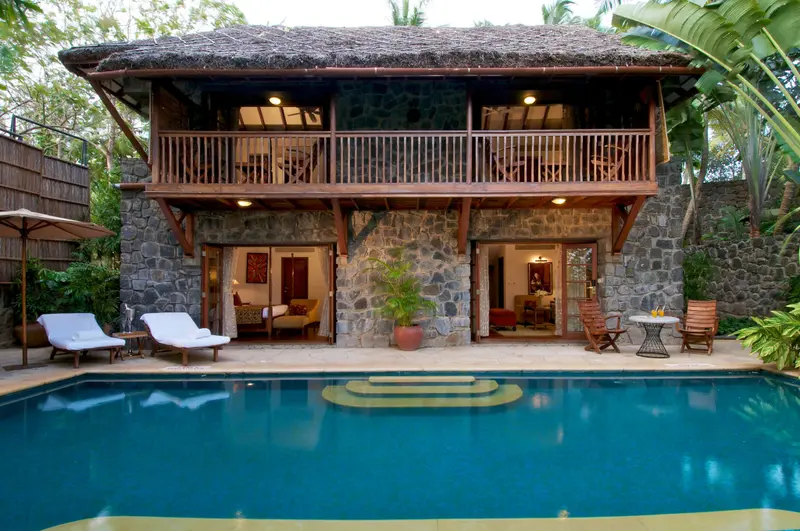
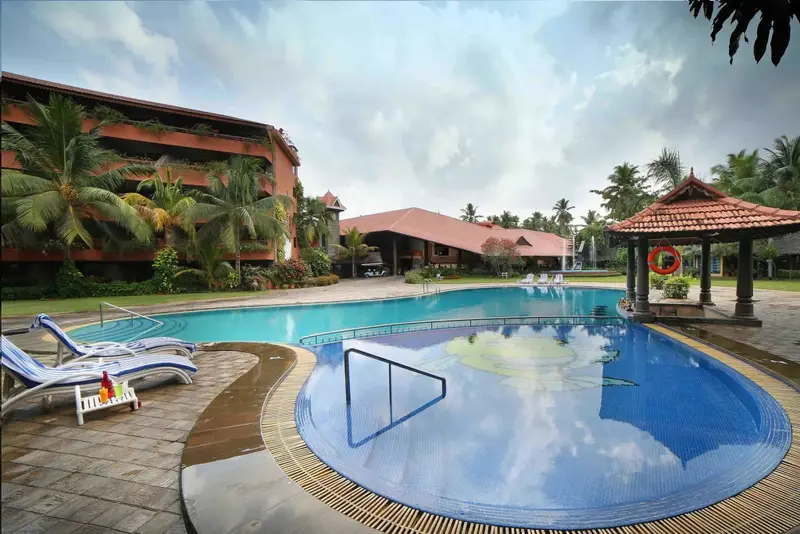
Kovalam works best as a three- to five-day stay, with dives fitted around sea conditions rather than treated as a fixed daily timetable. Accommodation near Lighthouse Beach, Hawa Beach or Kovalam Beach Road can make early meetings walkable, while other locations need a short road transfer. Non-divers have the beaches of Lighthouse, Hawa and Eve, surface watersports and coastal walks. When conditions allow, surfing is another use of the same shoreline, and Thiruvananthapuram offers cultural and land-based excursions.
Hello, I'm Marina, DivingDeal.com's AI assistant. I guide you through destinations, areas and countries.
Thinking about the whole trip and the flights? Talk it over with Edith →
Marina is an AI. Some links are affiliate links: DivingDeal may earn a commission, at no extra cost to you. Bookings are made with the partner.
The practical diving season runs from October to April, with November through March usually bringing calmer and clearer conditions. From June to September, rain and monsoon conditions can create more surge, stronger currents and poorer visibility, while operators may limit or suspend trips. Keep flexibility during October and April.
Kovalam suits all levels, including a first guided sea dive. Sandy areas near Hawa Beach provide an approachable introduction, while ordinary recreational outings require a recognised entry-level qualification from BSAC, PADI or SSI. You should still be comfortable in open water and prepared for variable currents, especially during unsettled weather.
Kovalam offers sandy bottoms, rock slabs, underwater canyons and an artificial reef close to the beaches, rather than a continuous coral reef. Look for stonefish, lionfish, eels, sea cucumbers and rays. Octopus may appear around rocks and the artificial structure, while jellyfish can enter near-shore water when conditions bring them in.
Plan a three- to five-day coastal stay, fitting dives around sea conditions instead of fixing every day in advance. Stay near Lighthouse Beach, Hawa Beach or Kovalam Beach Road for easier meetings, and allow time to reach Kovalam from Trivandrum by road. Keep a spare day for weather changes and check the meeting point.