
Corail Plongee
Google 4.9/5 (838 reviews)
1.3 km away as the crow flies
La Réunion · Réunion · Indian Ocean
Max. depth · 60 mDescend along a steep drop-off at Les Trois Failles, a deep wall dive that defines the character of Réunion's exposed outer reefs.
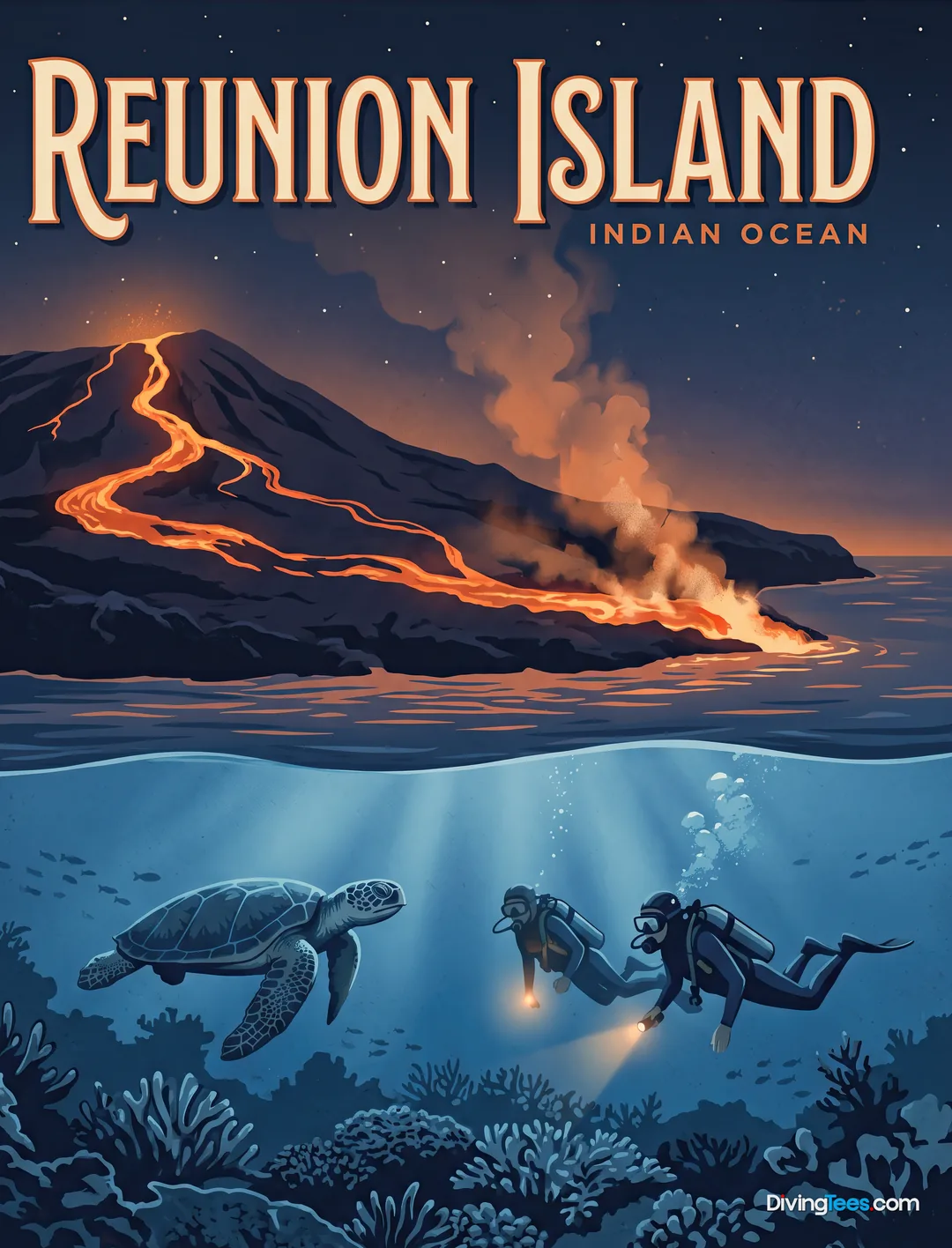
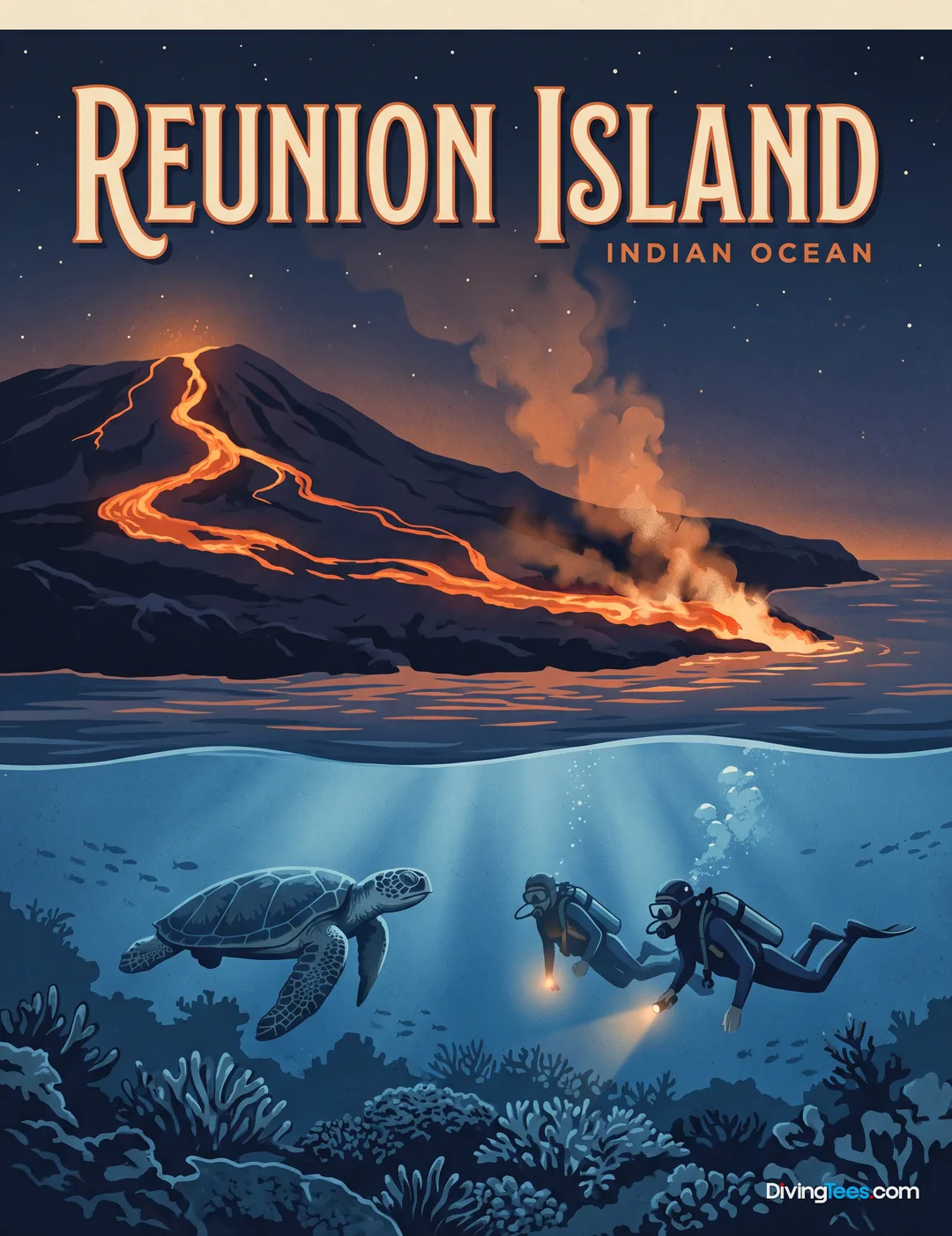
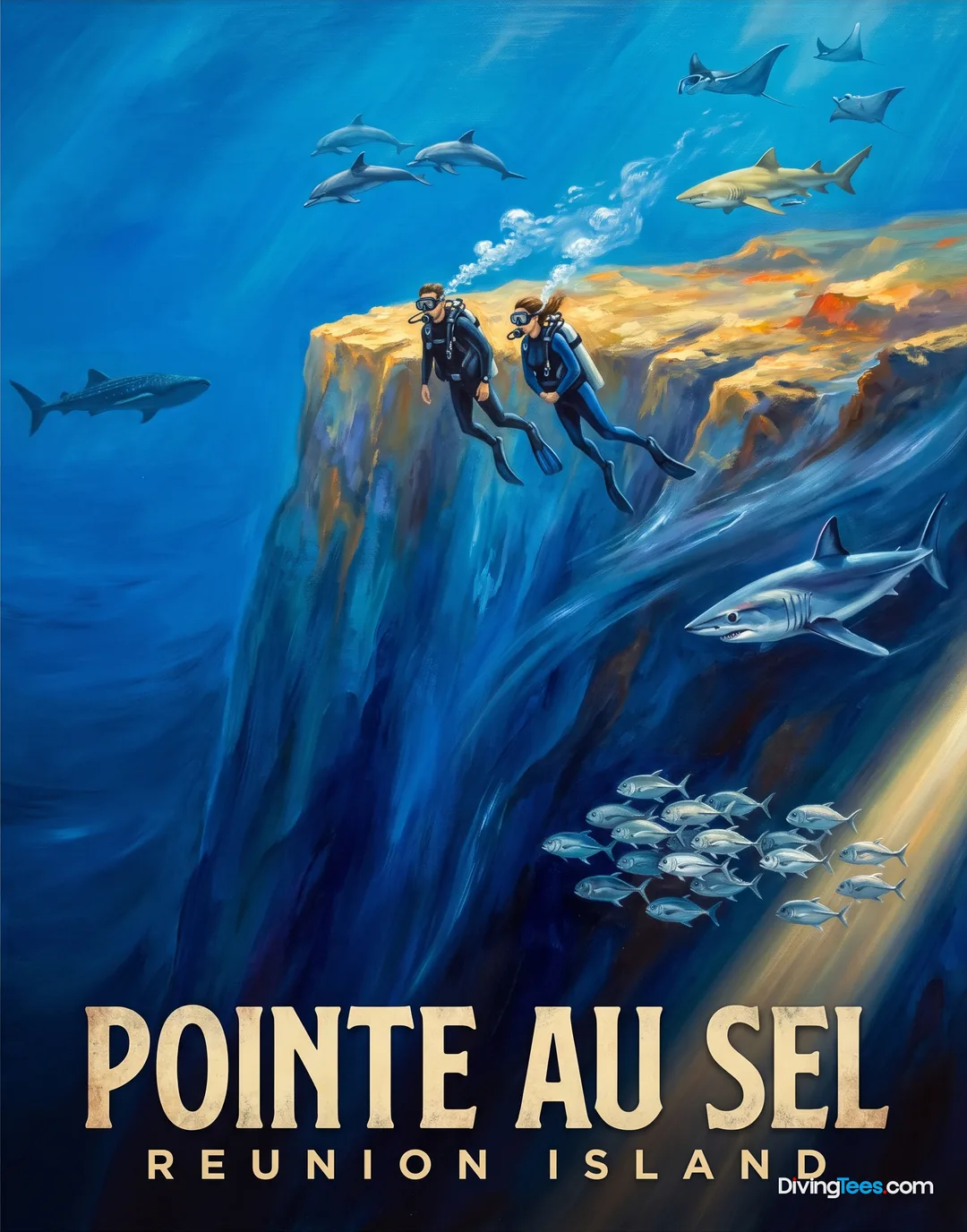
Les Trois Failles, as its name suggests in local dive topographies, is primarily a deep wall dive on the exposed coastline of Réunion. The site starts its descent at a minimum depth of 20 metres, quickly dropping to a maximum recorded depth of 60 metres. This profile places it firmly among the more challenging and deeper sites in the region, offering a continuous vertical exploration rather than a gentle slope.
The topography here is defined by a steep drop-off, indicative of a fault-line or fissure system that gives the site its name. While the exact underwater layout isn't extensively documented, the local context points to a significant geological feature. You're essentially diving along a natural underwater cliff face, where the reef gives way to the open ocean's depth, a characteristic common to the more dramatic dive sites around Réunion.
Given its location on Réunion's outer wall, Les Trois Failles is influenced by oceanic conditions. This means that while periods of calm can occur, you should anticipate a variable current profile, which can shift with the swell and weather patterns. These conditions are typical for exposed sites on the east coast, where the ocean's energy directly shapes the environment and the diving experience.
Diving here means understanding the dynamics of a deep wall. The light changes significantly as you move past 30 metres, and the deeper sections towards 60 metres demand careful gas management and dive planning. This is not a shallow reef where you can linger; it's a site for those comfortable with managing depth and potential exposure to open ocean elements.
Les Trois Failles is a deep dive, with profiles ranging from 20 to 60 metres. This depth range requires an Advanced Open Water certification at a minimum, and deep-dive experience is essential for safe exploration towards the lower end of the depth profile. The current at this site is variable; as an exposed outer-wall location, conditions can change based on swell and weather. Divers should be prepared for potential strong currents and plan their dive accordingly.
Les Trois Failles is an exposed outer-wall site where conditions can change with swell and weather. Periods of calm can occur, but you should be prepared for variable conditions and potential strong currents. Plan your dive around the ocean’s state and your ability to manage exposure to open-water elements.
Les Trois Failles requires at least an Advanced Open Water certification because it is a deep dive. Deep-dive experience is essential for exploring safely toward the lower end of the profile. You should also be comfortable with careful gas management, depth management, and challenging wall-diving conditions.
Les Trois Failles starts at twenty metres and drops quickly to a recorded maximum of sixty metres. Its profile is a continuous vertical descent rather than a gentle slope. Beyond thirty metres, light changes significantly, while the deeper sections require careful gas management and thorough dive planning.
At Les Trois Failles, you follow a steep underwater wall shaped by a fault-line or fissure system, with the reef giving way to open-ocean depth. The site has a variable current profile influenced by swell and weather, with potential strong currents typical of an exposed outer-wall environment.