
Plongee Pei
Google 4.9/5 (451 reviews)
1.8 km away as the crow flies
La Réunion · Réunion · Indian Ocean
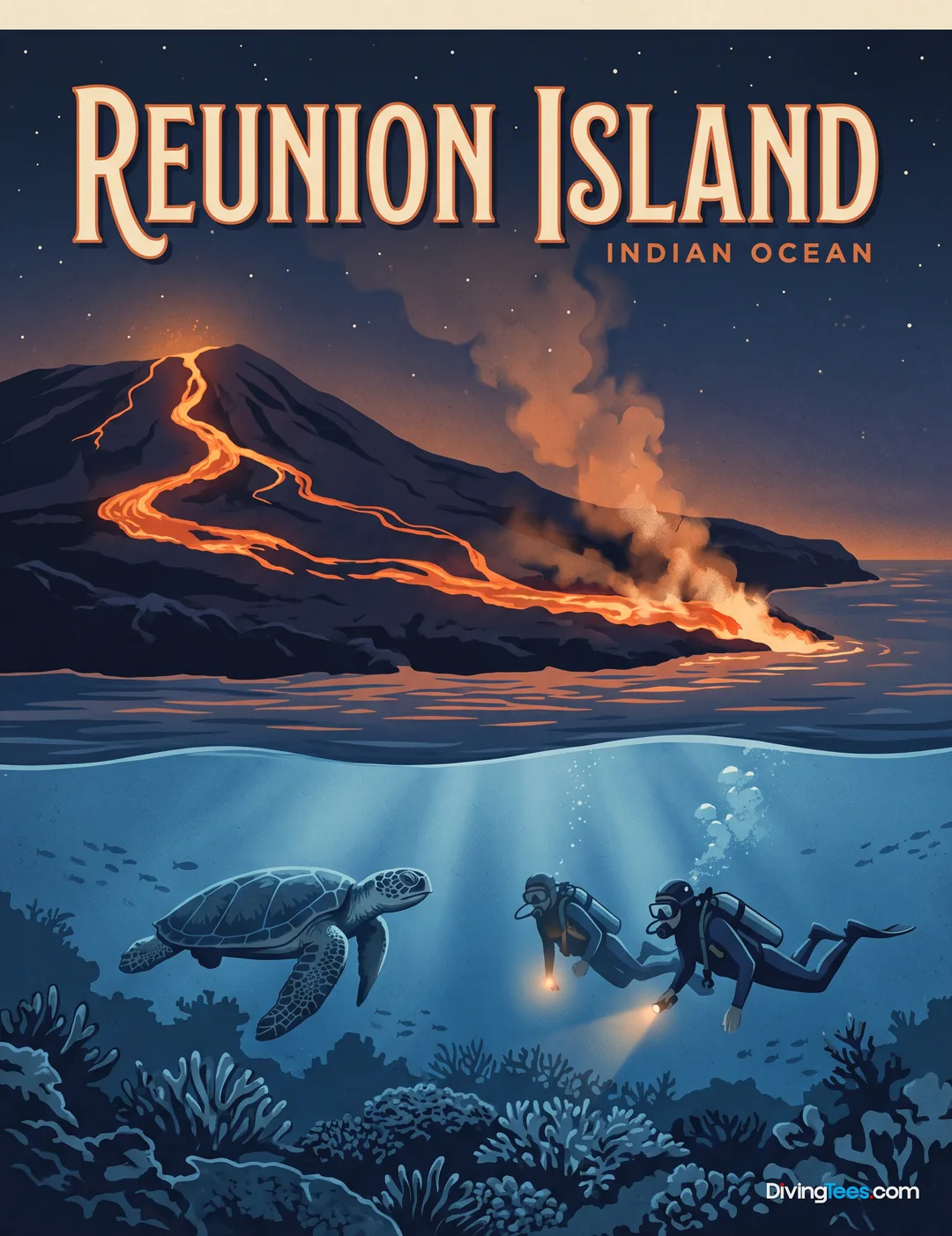
Max. depth · 50 mDescend onto a submerged yellow coral reef teeming with pelagic and resident marine life, where strong currents can carry you into the open ocean alongside mantas and sharks.
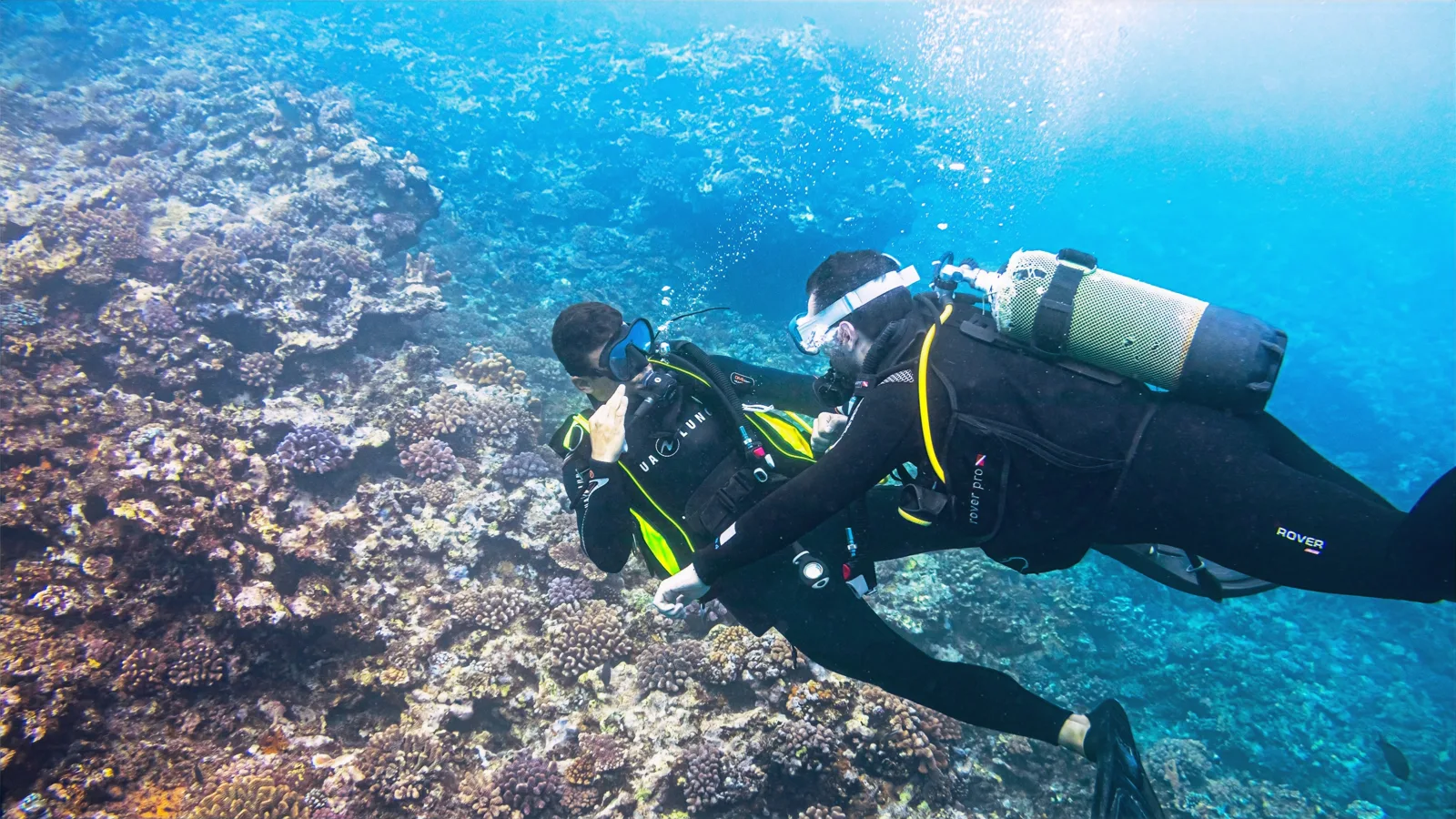
Le Sec Jaune rises sharply from the ocean floor, forming a distinct rocky seamount that surfaces within 5 metres of the surface, creating a vibrant focal point for marine life. This unique topography gives the site its name, as its shallowest sections are covered in distinctive yellow corals, a sight that defines the initial descent. Below the surface, the rock formations extend into a series of faults and a larger depression that leads towards a more biodiverse plateau, offering various micro-environments for different species.
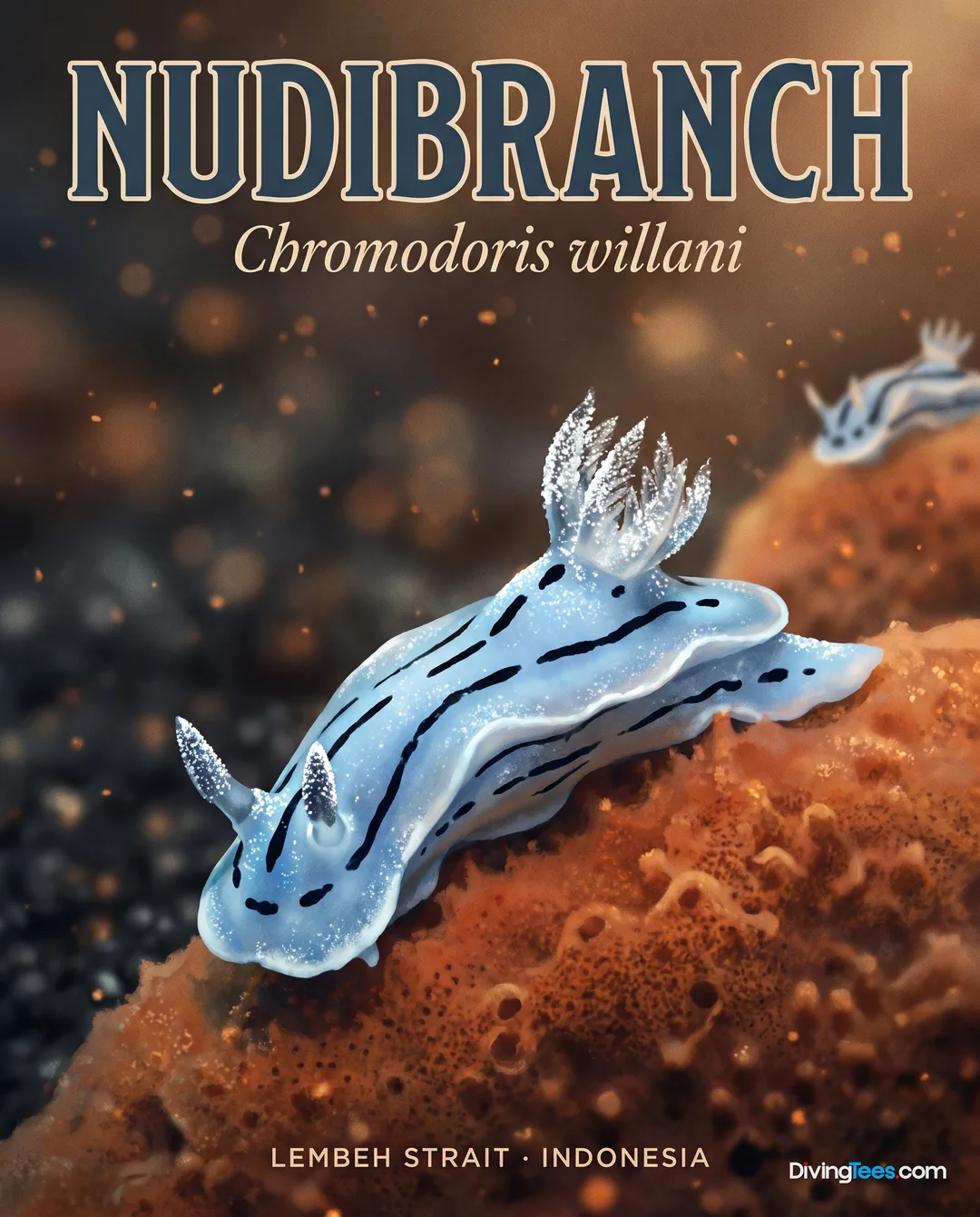
As you descend, the reef structure unfolds, revealing a complex network of crevices and overhangs. These protected areas often harbour species such as yellowmargin moray eels and various nudibranchs, particularly in zones shielded from the main current. The topography here provides ample hiding spots for smaller reef inhabitants, making it a rewarding area for macro enthusiasts who take the time to explore the intricate coral formations and rocky textures.
The site's profile also includes a more colourful and active plateau that extends deeper, gradually transitioning into a steep wall on its immediate edge. This edge serves as a natural current break and a pathway for pelagic traffic. Depending on the dive plan, you might traverse this transition zone, moving from the shelter of the reef into the more exposed areas where larger marine animals are commonly sighted. The change in scenery from the reef flat to the drop-off is immediate and pronounced.
Currents at Le Sec Jaune are a defining feature, ranging from mild within the reef's sheltered faults to notably strong in exposed sections and during specific tidal changes. These currents, while requiring attentive diving, are a key factor in attracting a significant number of pelagic species. Divers can often experience drift dives along the reef, moving with the flow as it carries them past schooling fish and larger oceanic predators, requiring careful planning and boat support for pickup.
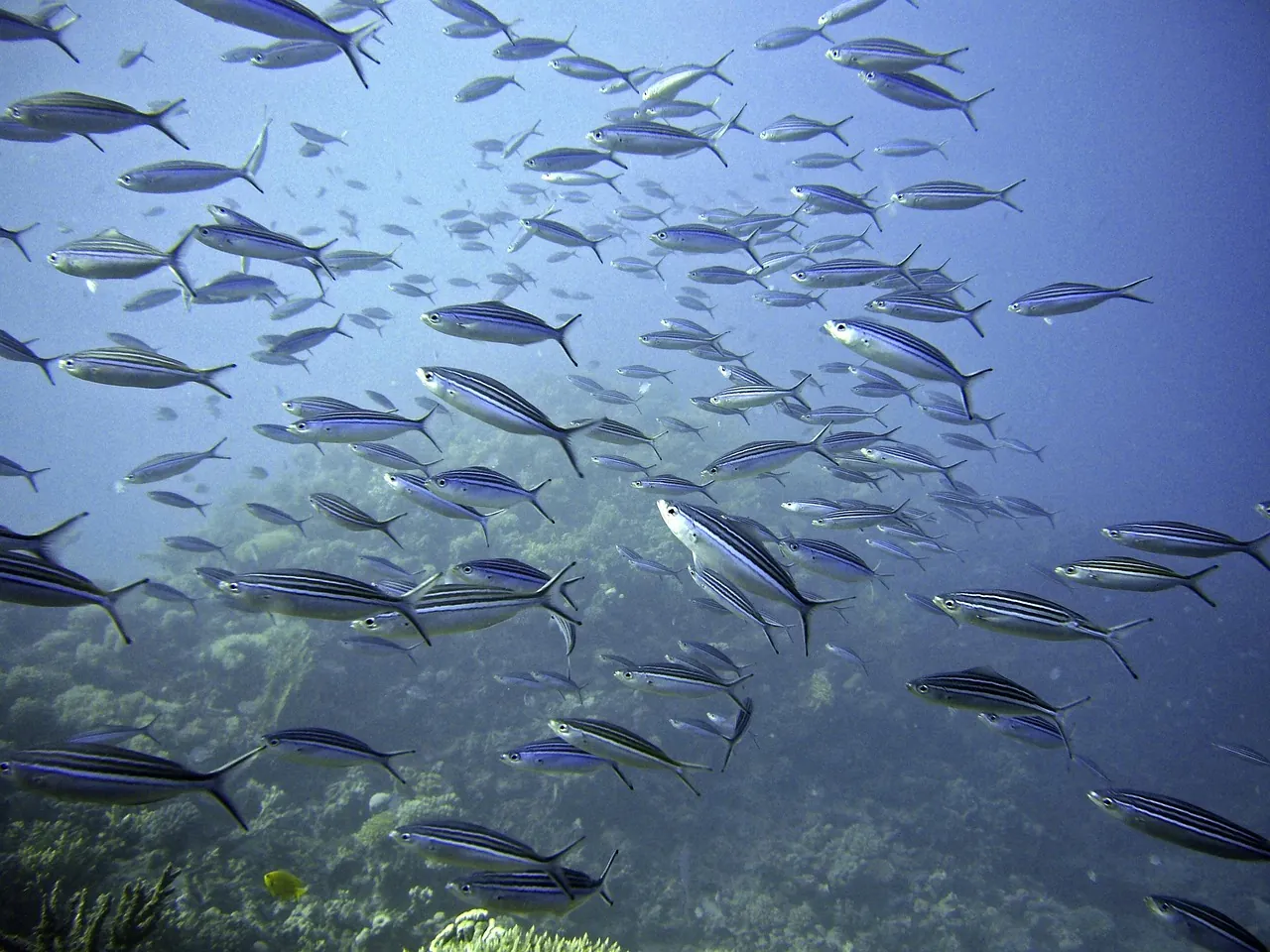
Encounters with pelagic species are frequent here, especially along the deeper sections and the wall where the current is more pronounced. Tunas and various jacks often patrol these areas in schools. Stingrays and eagle rays can be observed gliding along the sandy bottom near the reef's base, while larger sharks are also regular visitors. The site’s exposure to the open ocean creates an environment where anything from the deep can appear.
The broader pelagic environment around Le Sec Jaune also draws larger animals seasonally. Mantas are known to frequent the area, particularly when the currents bring in nutrient-rich waters. Dolphins may pass by, especially during periods when they are active in the region. These larger animal interactions often occur in the blue water adjacent to the main reef structure, away from the immediate shelter of the yellow coral formations.
Resident reef fish, including a variety of butterflyfish and surgeonfish, are ever-present across the coral-covered sections, feeding on algae and smaller organisms. Groupers are often spotted in deeper pockets and under ledges. Lobsters can be found tucked into the larger crevices, maintaining their positions against the surge, particularly on the deeper, darker side of the reef. The density of fish life here confirms its status as a productive marine ecosystem.
Le Sec Jaune also offers seasonal highlights that add to its allure. From October to November, there is an increased chance of encountering hammerhead sharks, which migrate through the area. During the Austral winter, migrating whales may be sighted on the surface before or after the dive, adding another dimension to the overall experience. These seasonal patterns influence both planning and expectations for any dive at this location.
Le Sec Jaune is accessible from a minimum depth of 5 metres and extends down to 50 metres. It is accessible for Open Water divers, though experience is recommended given the variable currents. Currents can range from light in sheltered sections to strong in exposed areas and at certain times, such as tidal changes. All dives are conducted by boat, with drift dives possible depending on current strength and the specific route taken to explore the site.
You can dive Le Sec Jaune year-round, with conditions influenced by variable currents and tidal changes. From October to November, hammerhead sharks have an increased chance of appearing. During the Austral winter, migrating whales may be seen at the surface before or after your dive.
Le Sec Jaune is accessible to Open Water divers, but experience is recommended because currents vary across the site. Sheltered faults may have light flow, while exposed areas can be strong. All dives are conducted by boat, and some routes involve drift diving with boat support.
Le Sec Jaune begins at about 5 metres and descends to 50 metres. Currents can be light in sheltered sections and strong in exposed areas or during tidal changes. Depending on their strength and your route, you may complete a drift dive along the reef with boat pickup.
You can see distinctive yellow corals near the surface, faults, crevices, overhangs, a plateau and a steep wall. Marine life includes resident reef fish, moray eels, nudibranchs, lobsters, tunas, jacks, rays and larger sharks, with seasonal chances of hammerheads, mantas and dolphins.