
Poseidon Diving Center
Google 5/5 (1,084 reviews)
Italy · Mediterranean
Limestone walls, dark underwater caves and open seabed around Capo Caccia and Isola Piana shape Alghero’s distinctive Sardinian diving.
For subtitles in English: start the video firstthen click the gearat the top right of the video, select “Subtitles/CC”, then “Auto-translate” and choose “English”.
Alghero is a shore-based Sardinian diving destination built around boat trips from the town and the Porto Conte coast. Capo Caccia brings pale limestone walls, open-water relief and caves, while Isola Piana extends the choice beyond the headland. The setting suits a week of varied Mediterranean diving rather than a liveaboard: spend the morning underwater, then return to a historic town with beaches, coastal walks and terrestrial caves. The marine park adds genuine protection, but also rules that affect where boats can anchor and divers can enter.
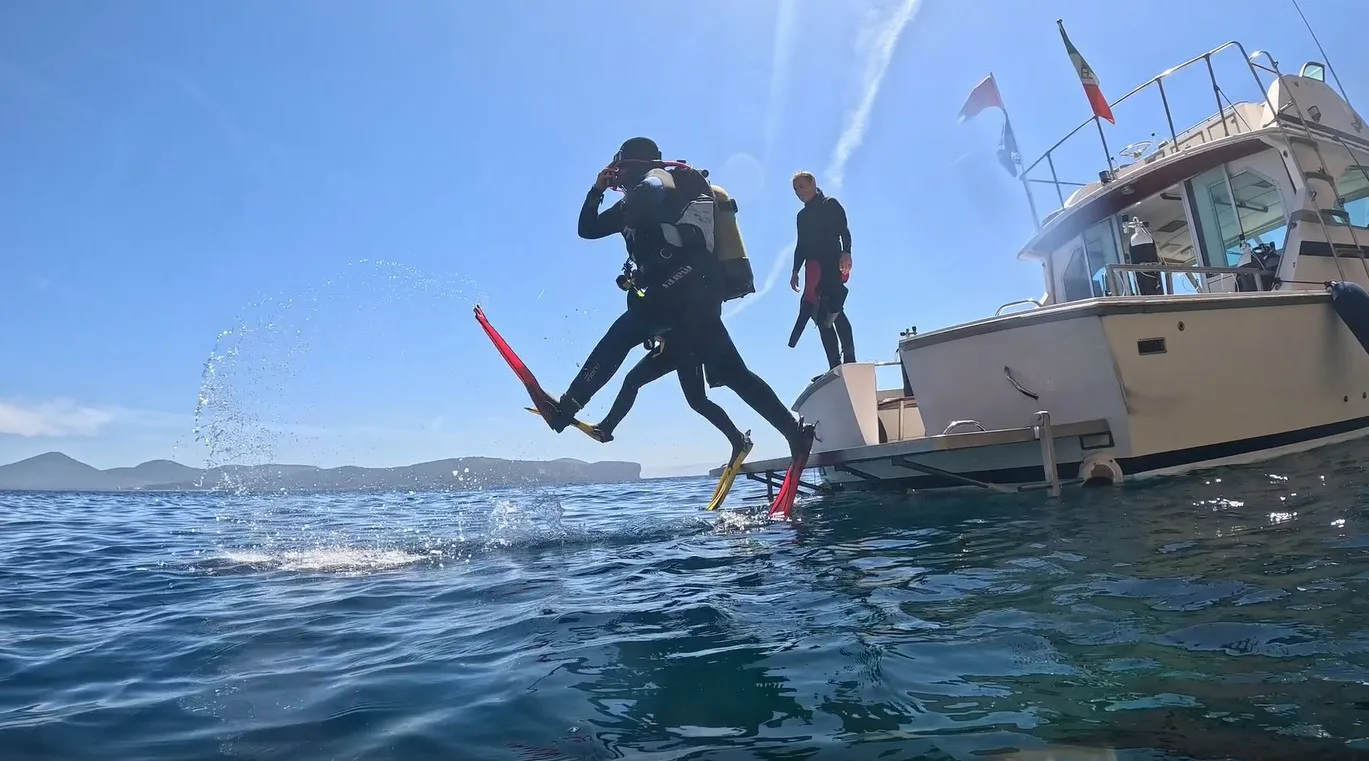
The underwater landscape is limestone, with walls, pinnacles, cavities and open seabed around Capo Caccia and Isola Piana. Most outings are by boat, and the western face is the dramatic option when the sea is settled. Currents are variable rather than a constant feature, so a dive may be a straightforward wall descent or a more exposed profile shaped by the conditions. Visibility is generally helped by the limestone seabed and the lack of major sediment-bearing rivers, but wind, swell and coastal run-off can quickly reduce it. Grottos are part of the appeal, though they are not all simple recreational swim-throughs. A recreational dive should remain within the light-zone environment unless the diver has the relevant cave training and local permission. When Capo Caccia is impractical, operators can move into more sheltered sectors around Porto Conte.
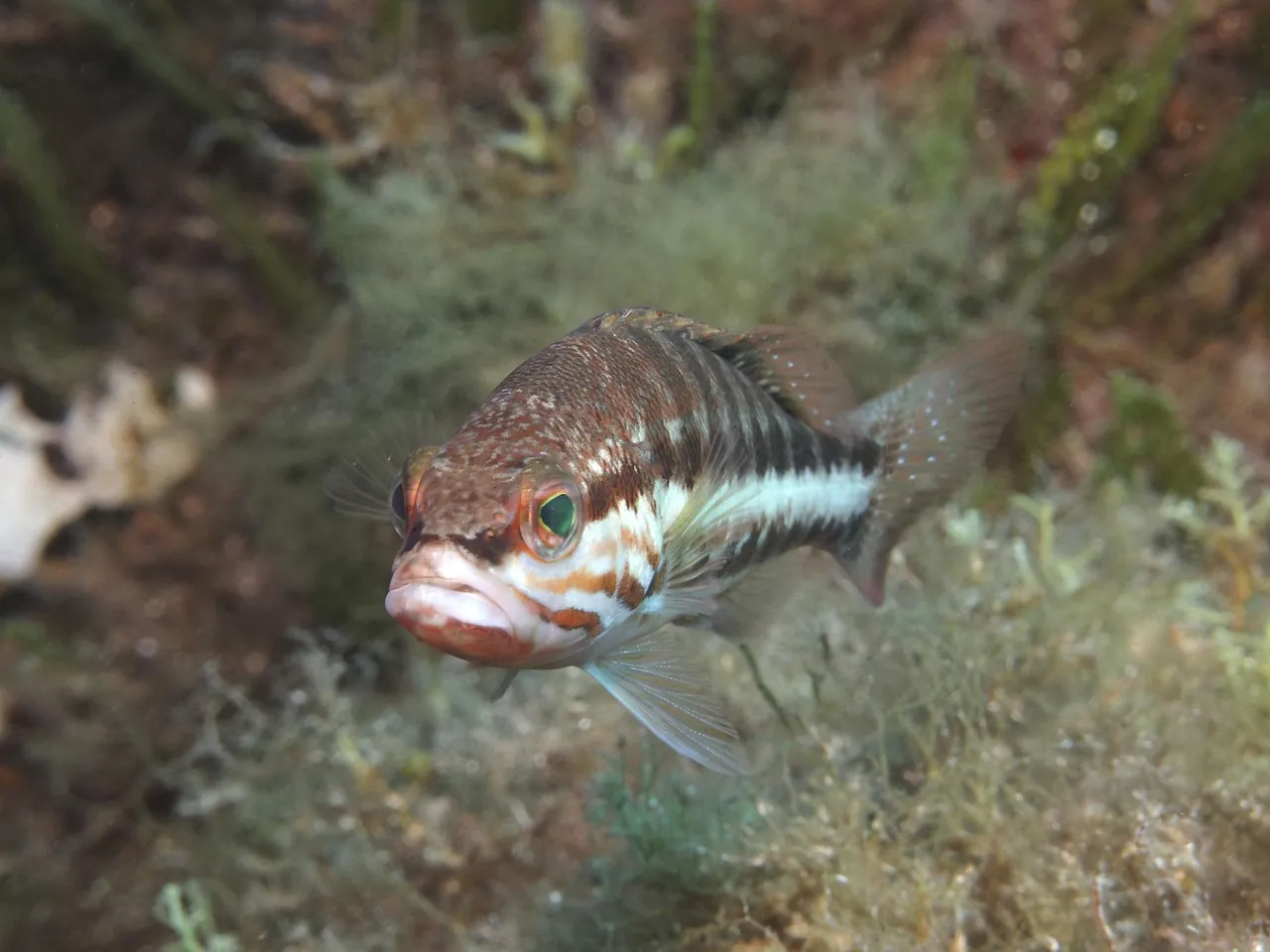
Alghero’s marine life is tied closely to its rock. On the walls and coralligenous ground, look for the small organisms and marine growth that make Mediterranean limestone worth inspecting rather than simply swimming past. Caves bring a different scene, with shaded rock, changing light and surfaces adapted to little direct sunlight. Open seabed and headland profiles add space between the more enclosed sections. The underwater interest is therefore in the contrast between exposed wall, pale rock, dark cavity and protected habitat, not in a guaranteed encounter with a particular seasonal animal. Conditions matter: clear water and calm seas show the relief best, while swell can make the western sites less comfortable and push the day towards sheltered terrain. May to October offers the most dependable window for seeing these habitats clearly.
The most dependable diving period runs from May to October, with May, June, September and October usually offering a better balance than high summer. The western sites around Capo Caccia depend on sea conditions, and mistral or swell can make the exposed walls unsuitable even when the day looks attractive from town. July and August bring the greatest pressure on boats and coastal sites. A spring or autumn stay gives more breathing room and leaves useful alternatives if the headland is closed by weather. Pack a Mediterranean suit with extra warmth for repeated dives or trips outside the height of summer.
Alghero works for all levels when the site and profile match the diver. Beginners can use suitable, guided sites, while exposed walls and deeper dives are better approached with Advanced Open Water or an equivalent qualification. A qualification from BSAC, PADI or SSI should be discussed with the operator when planning the programme. Cave entry is a separate matter: a cavern that looks inviting from open water may require specialist cave-diving training, experience in an overhead environment and specific local authorisation.
From London Heathrow, London Gatwick or Manchester, the practical route is a flight to Alghero, with seasonal services varying by departure point and a journey commonly taking around half a day when connections are involved. Allow roughly five to ten hours overall rather than building a tight same-day diving plan around an itinerary that may change. Flying is the simplest arrival method and does not require a ferry. Travellers coming by ferry reach another Sardinian port and then continue by road, so the final transfer needs arranging separately. In Alghero, central accommodation can often be reached on foot or by taxi, but Porto Conte and Capo Caccia require a road journey. Do not assume that a dive boat or centre will provide a shuttle unless this has been agreed in advance.
Ask before travelling which zone of the Capo Caccia–Isola Piana marine protected area the planned dive uses, and whether the required authorisation is being handled. Zone A is not an ordinary dive site: private access is forbidden, while diving in Zones B and C remains controlled. Check the anchoring arrangement too, because boats must use permitted moorings or locations rather than dropping an anchor onto protected ground. Treat every cave briefing seriously. Confirm whether the plan is an open cavern visit or a true penetration, then match it to your qualification and equipment. Keep at least one flexible day in the programme, especially if the western face is central to the trip. Mistral and swell can force a move to Porto Conte or another sheltered sector. Booking a first boat for early in the day can help when forecasts show a calm window, and arranging road transport is sensible if you are staying away from central Alghero.
Plan on a five- to seven-day stay on land, with enough room for several boat outings and a weather reserve. Alghero is the practical base, while Porto Conte and Capo Caccia are reached by road for boarding or diving. A flexible programme lets the operator switch between exposed and sheltered sectors without wasting the day. Non-divers have plenty to do nearby, including the fortified old town, beaches, coastal walks, terrestrial caves and boat trips when conditions allow.
Hello, I'm Marina, DivingDeal.com's AI assistant. I guide you through destinations, areas and countries.
Thinking about the whole trip and the flights? Talk it over with Edith →
Marina is an AI. Some links are affiliate links: DivingDeal may earn a commission, at no extra cost to you. Bookings are made with the partner.
Choose Alghero from May to October, when visibility is generally favoured and limestone habitats are easier to appreciate. Spring and autumn offer a useful balance, while summer brings greater pressure on boats and coastal sites. Mistral and swell can still close exposed Capo Caccia sites, so keep your itinerary flexible.
Alghero suits different experience levels when the site and profile match your ability. Beginners can use suitable guided sites, while exposed walls and deeper dives are better approached with an advanced qualification or equivalent experience. Caves require separate specialist training, overhead-environment experience and local authorisation, rather than ordinary recreational certification.
Alghero offers limestone walls, pinnacles, cavities and open seabed around Capo Caccia and Isola Piana. You can inspect Mediterranean marine growth on rocky and coralligenous ground, then find shaded cave surfaces, changing light and protected habitats. The appeal lies in contrasting exposed walls, pale rock, dark cavities and open-water relief.
Use Alghero as a land-based base for boat trips from Porto Conte and the surrounding coast, arranging road transport if you stay away from town. Allow flexibility for weather, marine park zoning and permitted moorings, and confirm cave plans with the operator. A longer stay leaves room to switch between exposed and sheltered sectors.