
Scuba Revolution Diving Center
Google 5/5 (539 reviews)
Italy · Mediterranean
Rock walls, shallow shoals, groupers and barracudas define boat diving from Cannigione into the protected La Maddalena archipelago.
For subtitles in English: start the video firstthen click the gearat the top right of the video, select “Subtitles/CC”, then “Auto-translate” and choose “English”.
Cannigione is a mainland harbour base for diving the rock walls, reefs and shoals of the La Maddalena archipelago. Rather than walking into the water from shore, you board a boat and let the crew match the site to the wind, the sea and the group. That makes it useful for mixed parties: beginners can make shallow introductory dives, while certified divers can reach deeper sites across the archipelago and nearby protected waters.
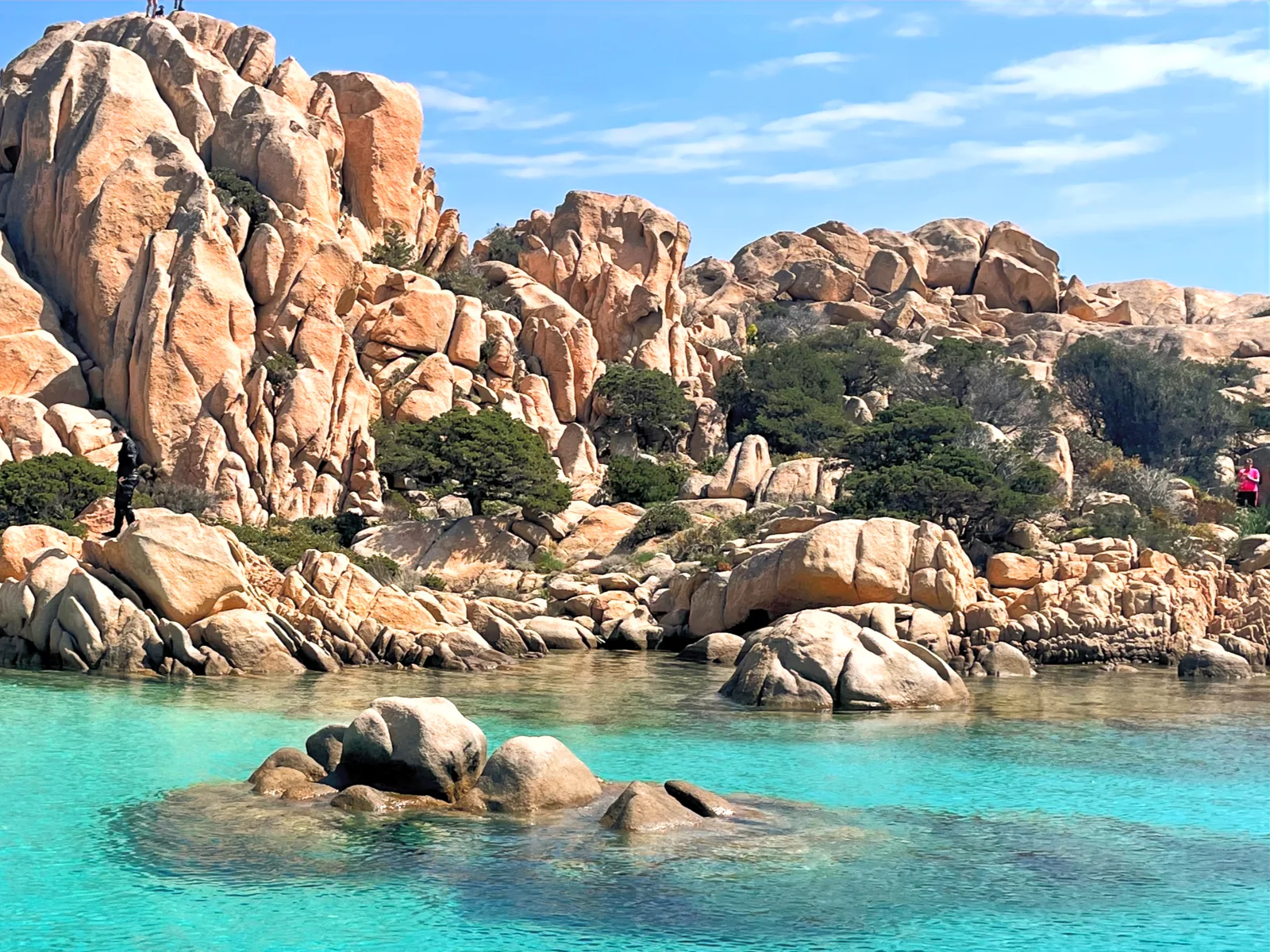
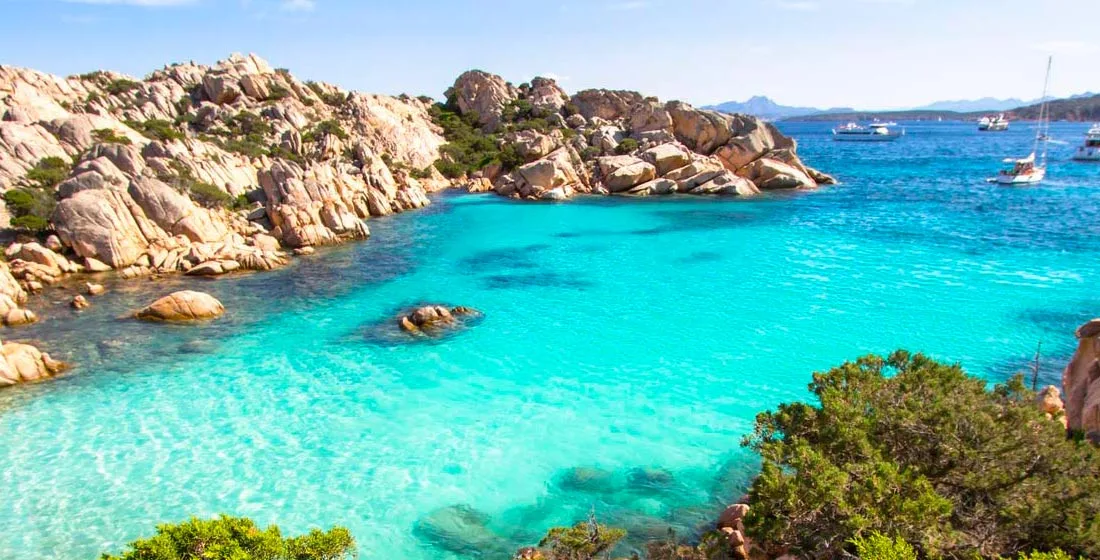
The diving is predominantly from boats, with rock walls, reefs and exposed shoals providing the setting rather than a single house reef at Cannigione itself. A morning may take you towards La Maddalena or Caprera, while the return plan changes if the mistral makes an exposed site uncomfortable. Currents are variable, so a calm-looking itinerary can still involve a drift dive or a careful descent and ascent plan. Visibility is generally most favourable from June to September, but wind, seasonal currents and suspended sediment can reduce it. Sites are chosen on the day for the group’s level as well as the conditions. Expect a proper day on the water, with boat logistics, a safety stop and a site selected for what the archipelago will allow, not simply what was printed on the booking.
Underwater, the attraction is the Mediterranean life attached to and moving around the rock. Groupers may hold close to the reef, barracudas can gather in open water, and octopuses reward a slower look into cracks and beneath ledges. Shoals of Mediterranean fish give the rocky ground its movement, particularly where the terrain drops away or rises into a shallow. These encounters are regular possibilities rather than seasonal promises, and the available conditions often matter more than the calendar. June to September is the main operating window, when boat diving is most active and visibility is usually more favourable. In summer, however, the same popularity that brings more boats also puts greater pressure on the archipelago’s protected sites.
June to September is the most dependable period for a diving stay in Cannigione. The centres are operating most regularly, visibility is generally at its most favourable, and the archipelago is being explored by boat in earnest. The qualification is the wind: mistral episodes and other windy spells can change the exposed sites even in high summer, bringing a more sheltered alternative or a postponed outing. Outside summer, diving remains possible, but both the weather window and the choice of commercial departures become less predictable. A few spare days therefore make more sense than building the holiday around one fixed site.
Cannigione suits beginners, experienced recreational divers and groups with mixed certification, provided everyone accepts that the day is boat-based. Local centres run shallow introductory dives and can select more demanding, deeper profiles for certified divers. BSAC, PADI and SSI qualifications fit the normal recreational structure, but the useful question is whether your experience matches the site selected that day. Variable currents, changing exposure and boat procedures reward divers who are comfortable adjusting the plan rather than insisting on a particular mark.
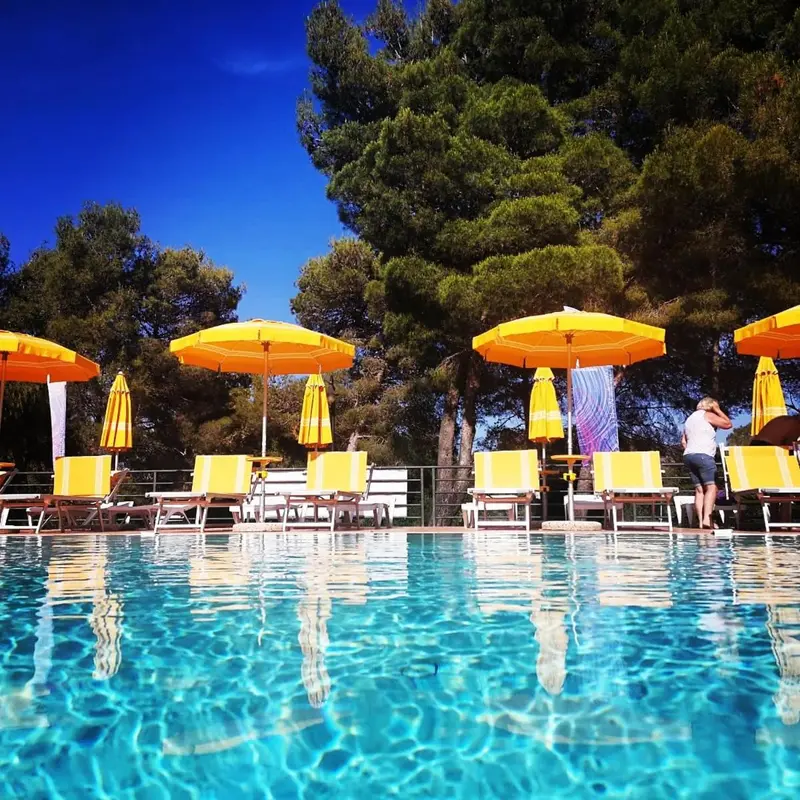
From London or Manchester, the usual route is a flight to Olbia, followed by a road transfer to Cannigione in the Arzachena area. The drive from Olbia takes roughly 35 to 45 minutes, depending on the route and traffic, so allow for the connection after landing rather than treating the airport as the destination. A ferry from mainland Italy to Olbia is another option, followed by the same road journey. Cannigione is not an island and no ferry is needed for the final leg. Once there, accommodation near the harbour can put you within walking distance of a dive centre; elsewhere, expect a short taxi ride or use of a hire car.
Book through a centre authorised to operate in the Parco Nazionale dell’Arcipelago di La Maddalena. Diving in protected sectors is controlled by permits and park rules, and any park fee or authorisation should be confirmed as part of the booking rather than assumed. Ask which areas that authorisation covers, especially if a particular archipelago site matters to you. Do not build the trip around one exposed site: leave a reserve day because the mistral can switch the plan to sheltered water or stop a departure altogether. If you are travelling without a car, stay in or close to Cannigione, otherwise the early transfer to the harbour becomes an unnecessary daily chore. Check that the supplied equipment suits the full range of profiles on offer. Finally, do not schedule your last important dive immediately before flying home, since every archipelago outing includes a boat journey whose timing can change with the wind.
Cannigione works best as a five- to seven-day land-based stay, with several boat-diving days and room to move a trip when the wind dictates. Accommodation remains on the coast, while the harbour is the daily departure point. Non-divers have plenty to fill the surface interval and the rest of the holiday: boat trips around La Maddalena and Caprera, sheltered coves, beaches, snorkelling, coastal villages and the archaeological landscape around Arzachena. The setting also makes a shore-based Costa Smeralda visit straightforward.
Hello, I'm Marina, DivingDeal.com's AI assistant. I guide you through destinations, areas and countries.
Thinking about the whole trip and the flights? Talk it over with Edith →
Marina is an AI. Some links are affiliate links: DivingDeal may earn a commission, at no extra cost to you. Bookings are made with the partner.
June to September offers the most regular centre operations, generally favourable visibility and active boat diving through the archipelago. Mistral episodes can still alter exposed sites, replace them with sheltered alternatives or postpone departures. Outside summer, diving remains possible, but weather windows and commercial departures are less predictable, so flexibility matters.
Cannigione suits beginners, experienced recreational divers and mixed-certification groups who are comfortable with boat-based diving. Centres offer shallow introductory dives and can choose deeper profiles for certified divers. Variable currents, changing exposure and boat procedures mean you should be ready to adapt your plan to the selected site and conditions.
Boat dives from Cannigione reach the rock walls, reefs and exposed shoals of the La Maddalena archipelago, including granite landscapes around Caprera and the Costa Smeralda. You may encounter groupers near reefs, barracudas in open water, octopuses in cracks and ledges, and Mediterranean fish moving across rocky terrain.
Use Cannigione harbour as your base, with accommodation nearby if you want to walk to a dive centre. Book with an authorised operator and confirm park permits and coverage. Allow spare days for mistral-related changes, arrange your transfer from Olbia, and leave your final important dive clear of your flight home.