

Dive Center Blu
Google 4.9/5 (108 reviews)
9.5 km away as the crow flies
Elba · Italy · Mediterranean
Max. depth · 13 mExplore the shallow, accessible hull of the Elviscot cargo ship, lying on a sandy bed just off Pomonte beach.
The Elviscot wreck, also referred to as the Pomonte Wreck, lies just offshore from Pomonte, providing a distinct dive profile where the vessel rests on a sandy bottom adjacent to Ogliera Rock. Its shallow position means the highest points of the wreck are often visible from the surface, dropping to a maximum depth of 13 metres. The approach from the shore is a gentle slope, making for an easy entry into the water before swimming out to the submerged structure.
As you descend, the full outline of the cargo ship begins to emerge, allowing you to trace its length from bow to stern. You can navigate around the main hull, observing the various structural elements that remain largely intact. The bridge area is distinct, offering clear recognition of the ship's operational sections. This immediate recognition of a ship's structure in such shallow water is part of what makes the Elviscot accessible and engaging.
The wreck offers several points of interest for exploration, including various openings and portholes that invite closer inspection. For those with appropriate certification and supervision, interior compartments such as the engine room and kitchen areas can be explored. This combination of external features and internal penetration opportunities allows for different levels of engagement with the wreck, catering to both novices observing from the outside and experienced divers wishing to venture within.
Marine life here often congregates around the shelter and structure provided by the wreck. You can expect to encounter bream (Sparidae spp.) and different types of eels (Anguillidae spp.) taking refuge within the crevices or cruising along the hull. Various bottom dwellers such as weaver (Trachinus draco), turbot (Scophtalmidae spp.), sole (Soleidae spp.), and plaice (Pleuronectes platessa) are also commonly observed on the surrounding sandy seabed or close to the wreck's structure.
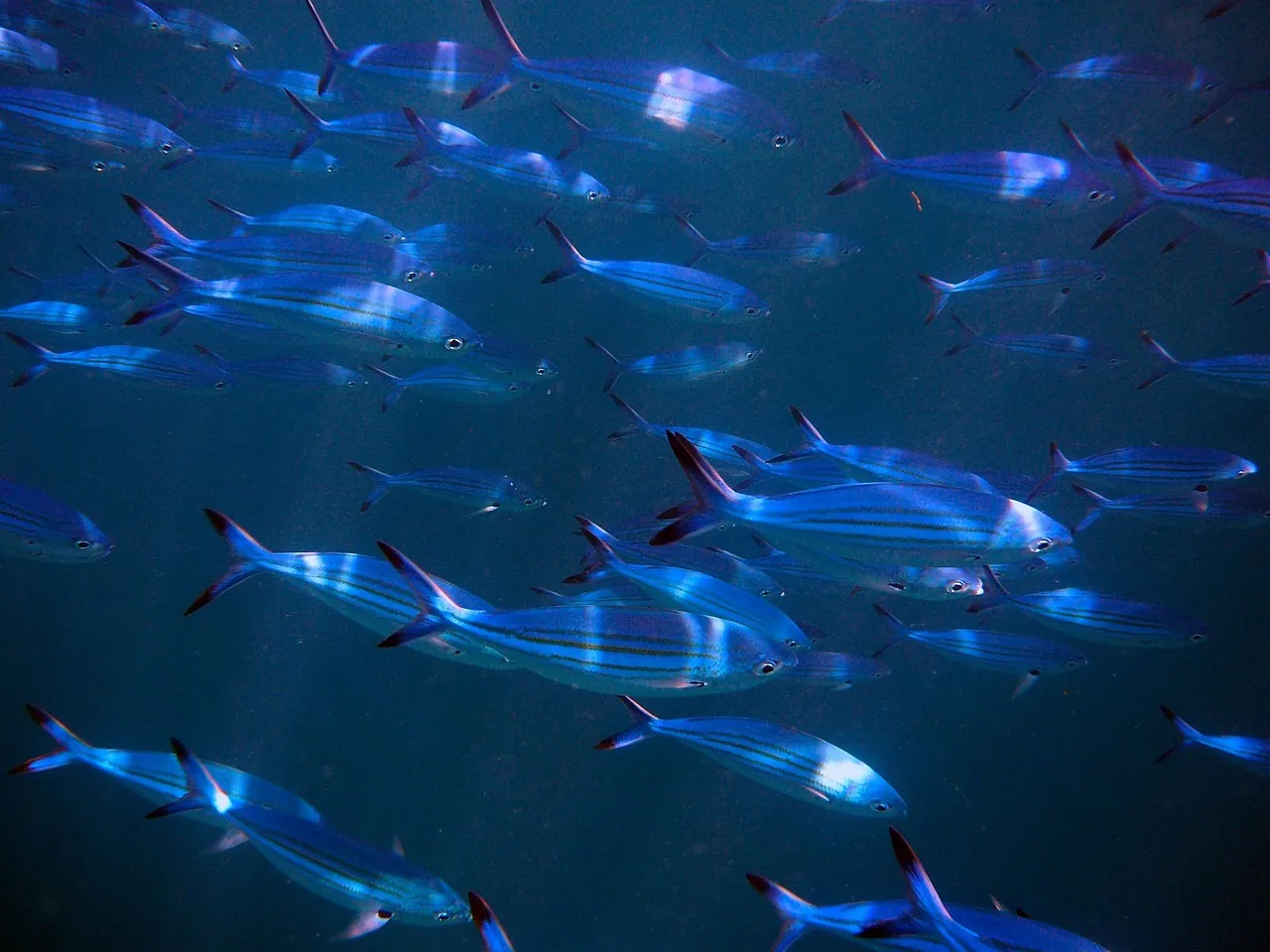
Croakers (Sciaenidae spp.) are often seen in groups, while more solitary conger eels (Conger conger) might be spotted in larger openings. The presence of double-banded bream (Diplodus vulgaris) and saddled bream (Oblada melanura) adds to the diversity of fish life, highlighting the wreck as a focal point in an otherwise sandy environment. These species utilize the wreck for shelter, feeding, and as a navigation point, making it a consistent spot for observation.
Visibility at the Elviscot is consistently good, often ranging between 15 to 25 metres, contributing to a clear view of the entire wreck and its inhabitants. The current is typically light or negligible, particularly when sea conditions are calm. Given its shallow depth, surface chop can have more impact on the dive experience than deep currents, but overall, it remains a calm site.
The Elviscot stands out as Elba’s most renowned shallow wreck, accessible directly from the shore and even visible to snorkelers due to its minimal depth. Its unique characteristic lies in providing a wreck diving experience that combines ease of access and shallow depth with genuine opportunities for internal exploration for those qualified. This balance makes it a versatile site, suitable for a range of diving experiences without requiring significant logistical effort.
This dive site reaches a maximum depth of 13 metres, with parts of the wreck near the surface. It is accessible to Open Water Diver certified individuals, although wreck penetration should only be attempted by experienced and authorized divers, or under direct supervision. Current is typically light, especially during calm sea conditions, with good visibility often extending between 15 and 25 metres. Shore entry is from Pomonte beach, making access straightforward.
You can dive Elba Island - Pomonte Wreck with Open Water Diver certification. The shallow wreck can be explored from the outside by divers at this level. Wreck penetration into areas such as the engine room and kitchen is reserved for experienced and authorized divers, or requires direct supervision.
Elba Island - Pomonte Wreck reaches a maximum depth of 13 metres, with parts of the cargo ship close to the surface. The wreck rests on a sandy bottom beside Ogliera Rock, and its shallow position allows you to trace the hull from bow to stern while remaining in relatively shallow water.
At Elba Island - Pomonte Wreck, current is typically light or negligible, particularly when sea conditions are calm. Visibility often ranges between 15 and 25 metres, providing clear views of the wreck and marine life. Because the site is shallow, surface chop may affect the experience more than deep currents.
At Elba Island - Pomonte Wreck, you can see the Elviscot cargo ship, including its hull, bridge, openings, and portholes. Bream, croakers, eels, conger eels, weaver, turbot, sole, and plaice may be found around the wreck and sandy seabed. Qualified divers under supervision can inspect interior compartments.