
Marlintremiti ASD
Google 4.8/5 (101 reviews)
Italy · Mediterranean
Boat dives find San Domino’s rock faces, Capraia’s caverns, dark wreck structure and Pianosa’s sharply protected waters.
For subtitles in English: start the video firstthen click the gearat the top right of the video, select “Subtitles/CC”, then “Auto-translate” and choose “English”.
The Isole Tremiti are an Italian island base for boat diving rather than a shore-diving resort. San Domino is the practical centre for diving, with trips reaching rocky walls, cavities, drop-offs and wrecks around the archipelago. San Nicola adds a historic harbour and a different island backdrop, while Capraia brings more exposed rock terrain. The whole area sits inside a regulated marine reserve, so the character of a dive depends as much on the permitted zone and boat plan as on the underwater scenery.
Most dives leave by boat from San Domino and run around San Domino, Capraia and other accessible islands. Expect rock walls, steep faces, caverns and wrecks rather than a single, repetitive reef profile. Recreational routes reach about 40 metres, while technical itineraries go considerably deeper. Currents are variable, so a site may involve a controlled descent, a drift dive or a careful return to the boat rather than an easy circuit. The reserve’s zoning also shapes where boats can go and what divers can do underwater. Visibility and sea conditions need to be judged locally on the day, not assumed from a Mediterranean label. A typical outing is therefore a proper boat day, with the crew choosing among permitted sites according to conditions, qualifications and the operational rules applying to that part of the archipelago.
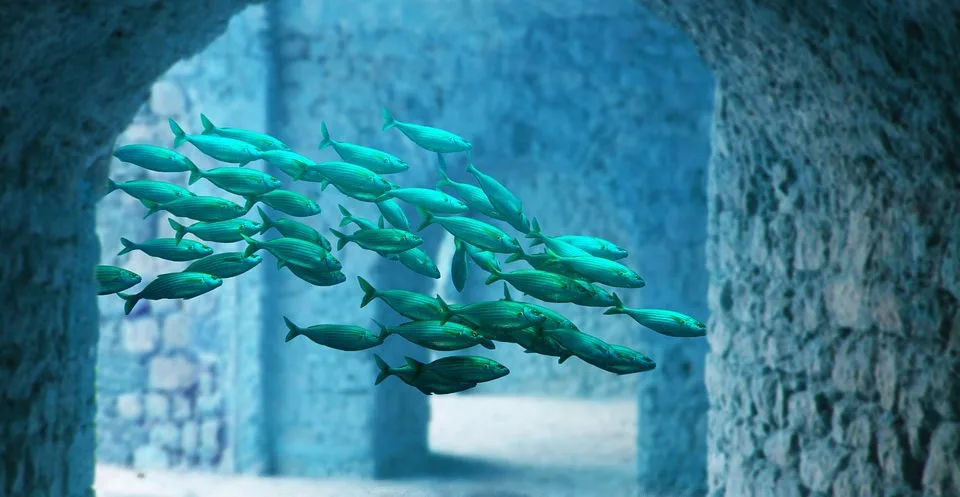
The living seascape is encountered against hard structure: bare rock faces, cave entrances, overhangs and the surfaces of wrecks. Those features give marine life places to shelter and make the dive visually interesting even when the route is about geology as much as animals. San Domino and Capraia offer the changing backgrounds, while the protected setting around the islands places clear limits on fishing and anchoring. There is no useful seasonal wildlife calendar to build a trip around here, so come for the combination of rock, cavities, wreck structure and protected island waters rather than a promised encounter with one particular animal. The reserve rules are part of that experience, not an administrative footnote.
The Tremiti work best when the timetable has room for the sea and the ferry. The season should be chosen around workable boat conditions and reliable island connections, because currents vary and the diving is predominantly offshore. Build in a non-diving day rather than packing every day with boat departures. That spare day can absorb a delayed crossing, a change of island plan or a weather-related reshuffle without turning the return journey into a crisis. The lack of a firm wildlife calendar makes this a practical choice: prioritise the period that suits your wider Italian travel plans, then check the diving and ferry arrangements before committing to tightly connected flights and boats.
The recreational diving suits all levels, provided the diver is comfortable on a boat and can manage variable current. An Advanced qualification, or equivalent, is useful for deeper routes. Wreck certification matters for wreck itineraries, and technical dives require the appropriate training and experience. Do not let the presence of demanding profiles set the tone for the whole trip: there are recreational dives to about 40 metres as well as much deeper technical options. Ask precisely which profile is planned before signing up.
From London Heathrow or Gatwick, or from Manchester, the journey has to be built around a sea crossing. Reach a mainland Adriatic port first, then take a ferry or other boat to the archipelago. Termoli is the principal departure point, with crossings taking roughly 50 minutes to two hours depending on the vessel and service conditions. Seasonal connections also run from Pescara, Ortona, Vasto, Manfredonia, Vieste, Peschici and Rodi Garganico. Check the departure port, arrival island and operating dates as one connected plan. San Nicola is the historic harbour, while most diving centres are on San Domino, so a ticket arriving at one island is not automatically convenient for accommodation or diving.
Book through an authorised diving centre, because access follows the reserve’s zoning rather than a simple open-water rule. Ask which island and zone the boat is visiting. Zone A around Pianosa is integral protection, and ordinary diving is not permitted there; zone B requires prior authorisation, while zone C is more accessible under the applicable rules. Do not assume that a trip advertised as ‘around Pianosa’ means a normal dive. Confirm whether the plan is recreational or technical, and what qualification it demands. Keep a margin around the ferry on both outward and return legs, and consider arriving on the same island as the diving base. San Nicola’s harbour and San Domino’s diving operation are not interchangeable. A free day is worth keeping for a shifted crossing or a change of boat plan. Independent underwater activity, anchoring outside authorised moorings and spearfishing are poor assumptions in this protected archipelago.
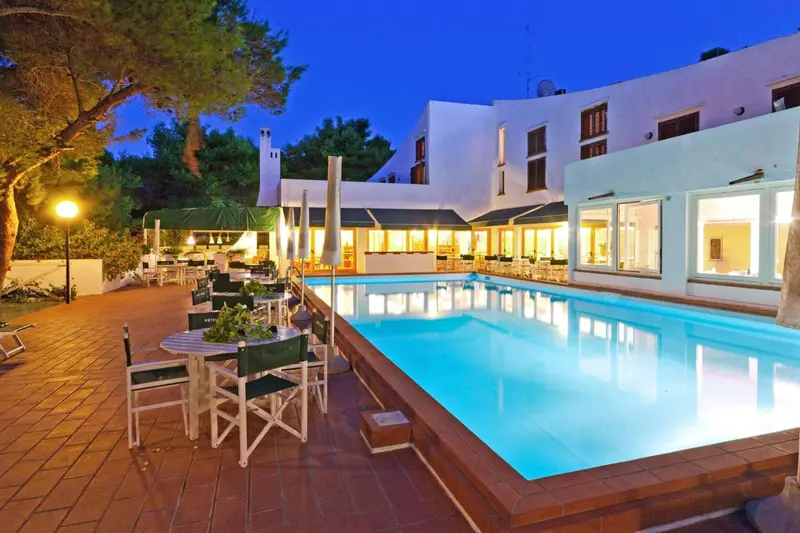
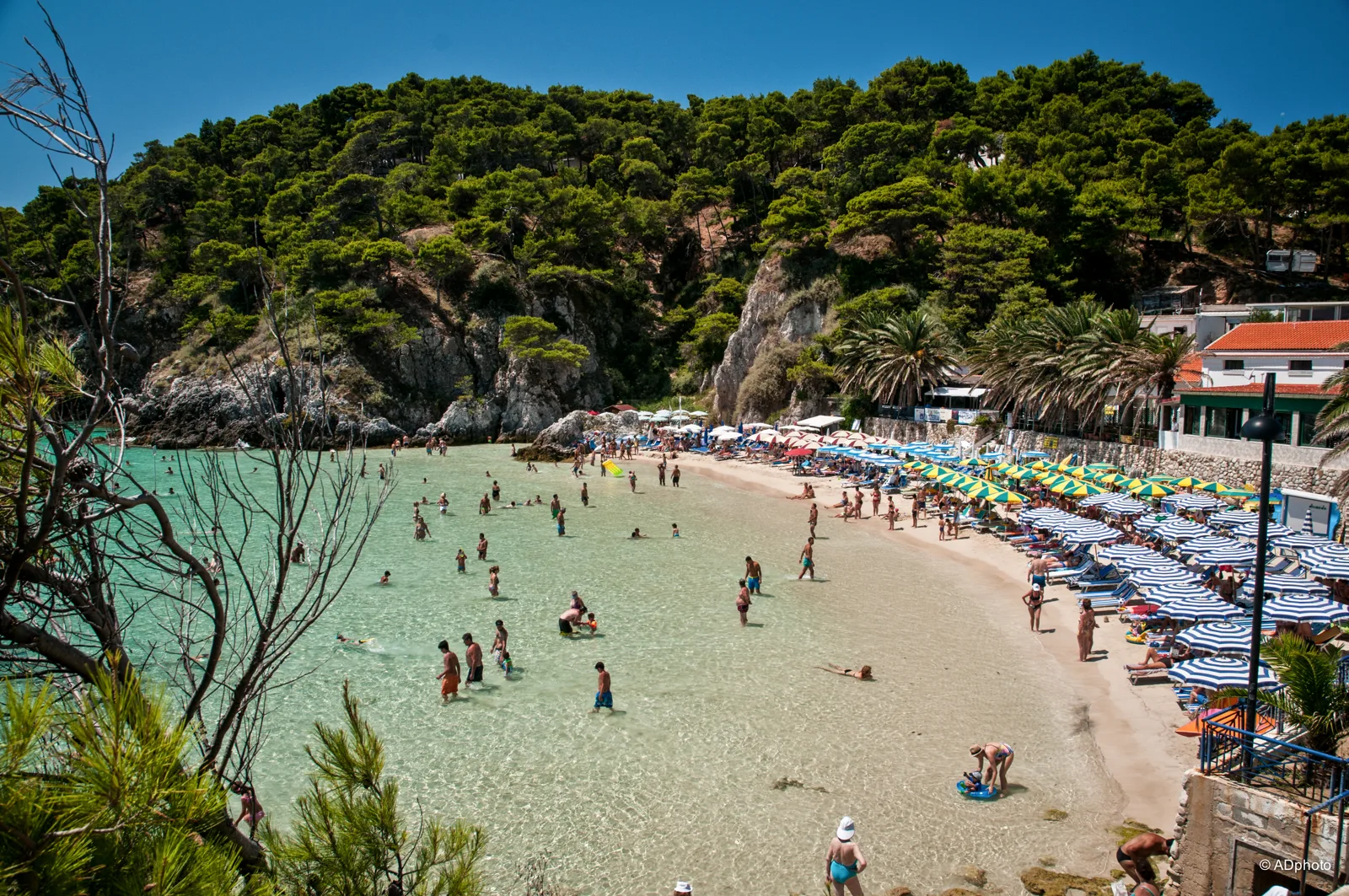
A stay is usually organised on land, on San Domino or San Nicola, with daily boat departures rather than a liveaboard arrangement. San Domino is the practical choice when diving is the priority, while San Nicola suits a stay shaped more by the historic harbour and island heritage. Keep accommodation and diving on the same island where possible, as inter-island transfers are not a dependable part of the plan. Non-diving time suits walks through San Domino’s pine woodland, coastal paths, boat excursions and visits to San Nicola.
Hello, I'm Marina, DivingDeal.com's AI assistant. I guide you through destinations, areas and countries.
Thinking about the whole trip and the flights? Talk it over with Edith →
Marina is an AI. Some links are affiliate links: DivingDeal may earn a commission, at no extra cost to you. Bookings are made with the partner.
Choose the season that fits your wider Italian travel plans while offering workable boat conditions and reliable island connections. Isole Tremiti diving depends on offshore departures, variable currents and sea conditions judged locally. Check ferry and diving arrangements before committing, and leave a non-diving day to absorb delays, weather changes or revised boat plans.
Isole Tremiti suits divers of all levels who are comfortable on boats and able to manage variable current. An Advanced qualification or equivalent helps with deeper routes. Wreck itineraries call for wreck certification, while technical dives require suitable training and experience. Ask the centre exactly which profile and qualification the planned dive requires.
Around Isole Tremiti, boat dives reach San Domino’s rock walls and caverns, Capraia’s drop-offs and sheltered cavities, and wreck structure around the archipelago. The underwater scenery combines bare rock, overhangs, cave entrances and protected island waters. Marine life uses these hard features for shelter, but there is no fixed wildlife calendar to plan around.
Plan Isole Tremiti around a land-based stay and daily boat departures, preferably keeping accommodation and diving on the same island. San Domino is practical for diving, while San Nicola suits harbour and heritage visits. Arrange the mainland crossing, island arrival, authorised diving centre and reserve zone together, leaving margin around ferries and keeping a spare day.