
Up Salento Diving
Google 5/5 (306 reviews)
Italy · Mediterranean
Sea walls, anchor-strewn ground, caves and coastal wrecks make Otranto a shore-based Salento base with proper variety beneath the surface.
For subtitles in English: start the video firstthen click the gearat the top right of the video, select “Subtitles/CC”, then “Auto-translate” and choose “English”.
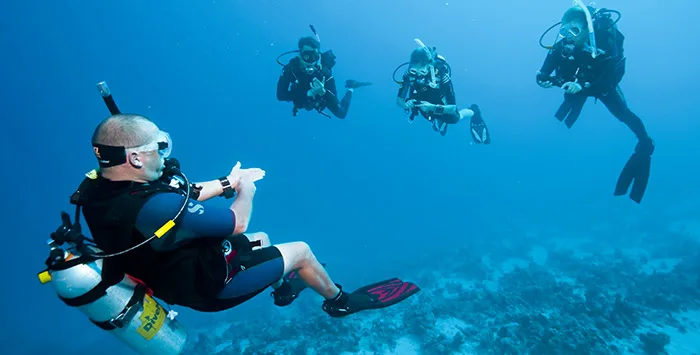
Below Otranto, the coast changes character from straightforward shore entries to boat-laid routes over walls, canyons, caves and wrecks. Porto Miggiano is specifically associated with shore diving, while the harbour opens access to sites farther along the coast. The result is a destination for a proper land-based diving holiday rather than a liveaboard: stay in Otranto, then choose between the northern coast, Baia delle Orte and the run towards Porto Badisco. Beginners can train here, while experienced divers have deeper, darker and more involved options.
The diving is built around rock rather than a single repeating reef profile. Expect walls, narrow canyons, cavities and caves, with wrecks adding a different sort of structure. The named routes north from Otranto include Porto Miggiano, the anchor cemetery, Phantom Canyon, Malepasso and Rose Cave, while Baia delle Orte and Porto Badisco open other sections of coast. Currents are variable, so a calm-looking plan is not necessarily the same as an easy dive on the day. Shore and boat outings both belong in the programme, and the distinction matters when arranging transport and equipment. Some dives are suitable for beginners, but cave, cavern and deep routes demand a more exact match between experience and site. A safety stop is routine; the real planning point is whether the route keeps you in open water or takes you into confined terrain.
Otranto is not a destination to approach with a fixed animal checklist. Its underwater character comes from what gathers around the rock: life on walls, along canyon edges, inside cavities and across wreck structure. The interest changes as the route changes, from open coastal ground to darker, more enclosed spaces, rather than depending on one signature encounter. That makes careful observation worthwhile, especially where the terrain slows the dive and gives time to examine cracks, ledges and sheltered surfaces. No particular seasonal species should dictate the trip. Plan instead around the geology you want to see, then ask locally what is active on the day. The anchor cemetery, Phantom Canyon and Rose Cave offer the clearest sense of that place-led approach.
Otranto suits a flexible diving season rather than a trip built around one fixed month. The reason is practical: shore diving and boat diving give different ways to use the coast, while variable currents and the enclosed nature of cave and cavern routes make the day’s conditions important. A longer stay also pays off, because the northern sites, Baia delle Orte and Porto Badisco are not interchangeable outings. Choose a period when your preferred boat programme is operating, and leave room to switch to a shore dive if the sea does not favour the original plan. There is no need to organise the holiday around monsoon, rainy season or a named wildlife event.
This works for all levels, provided the dive is matched to the terrain rather than the destination label. Beginner training and uncomplicated coastal routes sit alongside deep sites, wrecks, caves and caverns. Divers planning the deeper profiles should hold an appropriate deep-diving qualification, while wreck routes call for wreck-diving training. Cave or cavern diving needs relevant experience and a conservative assessment of comfort, buoyancy and overhead-environment procedures. BSAC, PADI and SSI divers should check that their certification and recent experience fit the planned route.
From London, using LHR or LGW, or from Manchester, the journey to Otranto is an air-and-road trip rather than a ferry crossing. Fly to a regional airport, allow for the onward road connection, and reach Otranto by road from Lecce or elsewhere in Salento. The dive bases are spread around the harbour, Baia delle Orte and the coastal road, so getting about is not simply a matter of walking from one central jetty. Arrange your accommodation and diving with that spread in mind, and allow road time when a day’s plan moves between sectors. Othoni is a separate maritime excursion, not part of the normal journey to Otranto.
Start by deciding which coast you want to dive, then match the base and accommodation to it. The harbour serves the northern routes, while Baia delle Orte and Porto Badisco belong to different parts of the shore. Before each outing, confirm whether it is a shore entry or a boat dive, because the two formats involve different timings and transport. If Baia delle Orte is on the plan, follow the coastal road signs near the last traffic light before Otranto and the red Bauxite lake. Ask specifically about Porto Miggiano, the anchor cemetery, Phantom Canyon, Malepasso and Rose Cave rather than accepting a generic coastal itinerary. Do not book a cave, cavern or deep dive as if it were an introductory outing. Check the required experience beforehand. Keep Othoni separate in your planning too: it is an approximately two-hour maritime extension, not a quick extra site from Otranto.
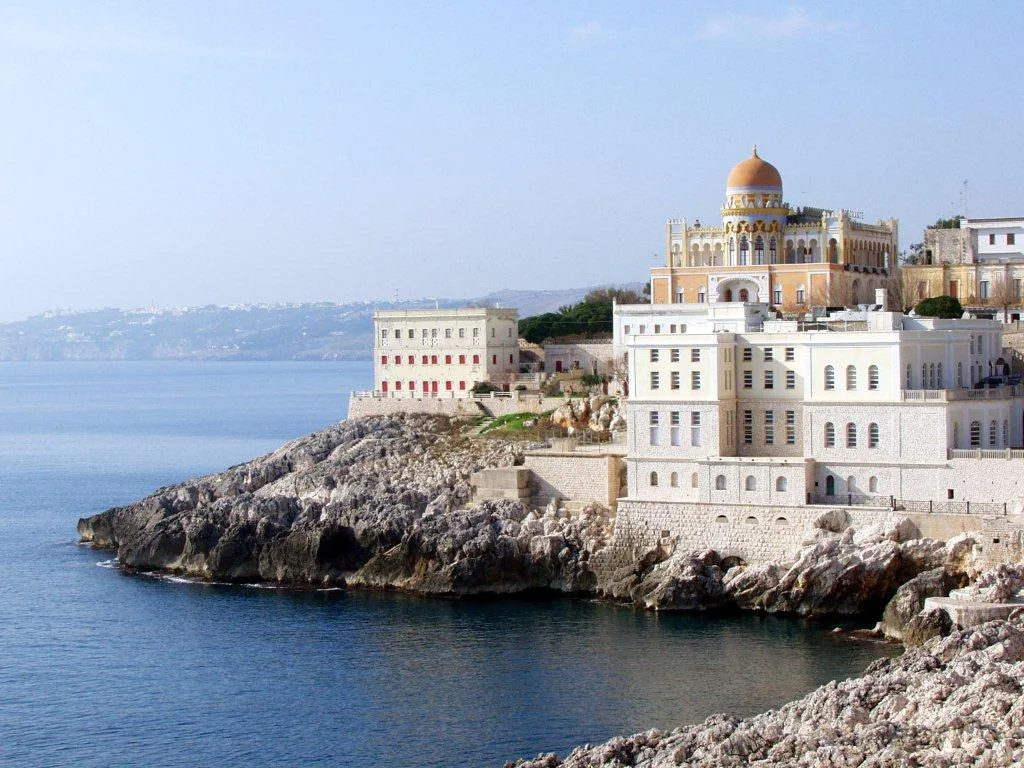
Otranto is organised as a land-based stay, with diving radiating from the harbour and several coastal bases rather than from a liveaboard. Accommodation near the harbour is convenient for boat departures, while stays nearer Baia delle Orte or the coastal road may suit shore diving in that sector. Allow several days if you want to combine the northern routes with Porto Badisco. Non-divers have beaches, coves, coastal caves, cliffs, the Bauxite lake and Otranto’s old town to fill the surface hours.
Hello, I'm Marina, DivingDeal.com's AI assistant. I guide you through destinations, areas and countries.
Thinking about the whole trip and the flights? Talk it over with Edith →
Marina is an AI. Some links are affiliate links: DivingDeal may earn a commission, at no extra cost to you. Bookings are made with the partner.
Otranto suits a flexible diving season rather than a trip built around one fixed month. Choose a period when your preferred boat programme is operating, while leaving room for shore diving if conditions change. Variable currents and enclosed cave or cavern routes make the day’s sea conditions important, so avoid an inflexible itinerary.
Otranto accommodates beginners through training and more straightforward coastal routes, but the site must match your experience. Deep dives require appropriate deep-diving qualification, wreck routes need wreck-diving training, and cave or cavern dives require relevant experience with overhead environments. Check that your certification, recent practice, buoyancy and comfort suit the planned route.
Otranto’s underwater scenery centres on rock formations and wreck structure rather than a single reef profile. Depending on the route, you can explore sea walls, narrow canyons, cavities, caves and wrecks, including the anchor cemetery, Phantom Canyon and Rose Cave. Life gathers around walls, canyon edges, sheltered cracks, ledges and wreck surfaces.
Plan Otranto as a land-based stay, choosing accommodation according to your preferred diving sector. The harbour serves northern boat routes, while Baia delle Orte and Porto Badisco suit other coastal outings. Confirm whether each dive is from shore or by boat, allow road time, and leave several days to combine different sections of coast.