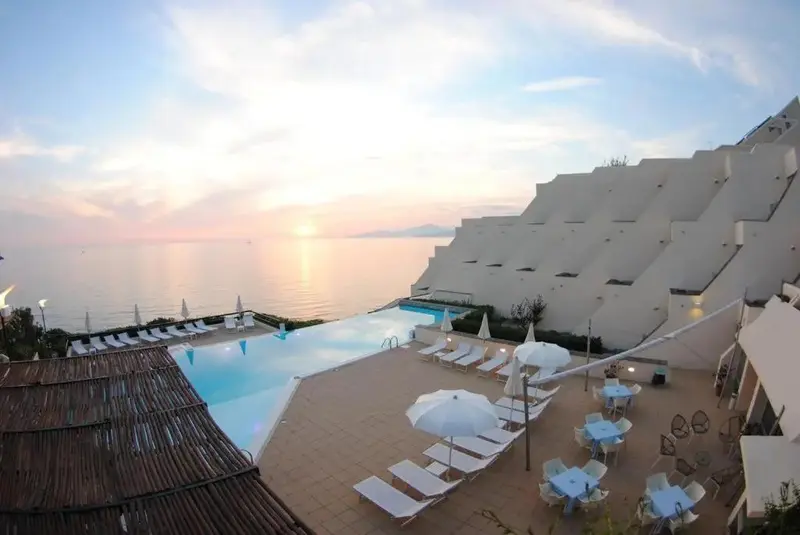
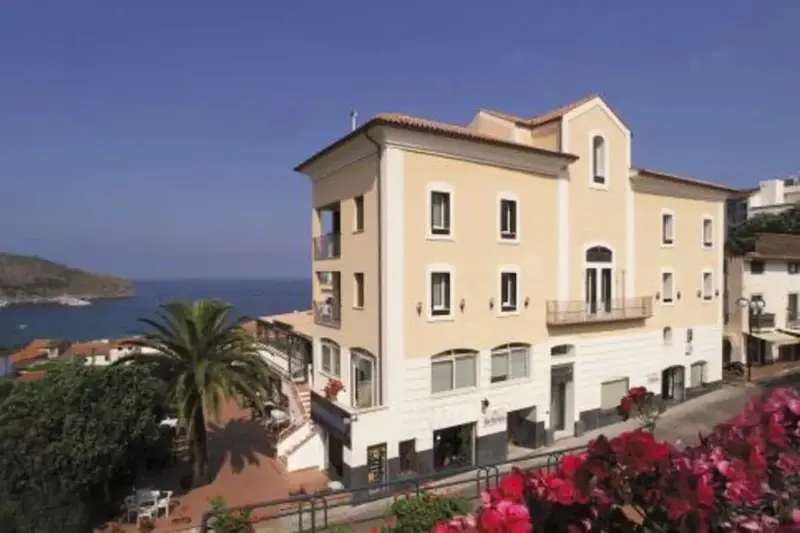
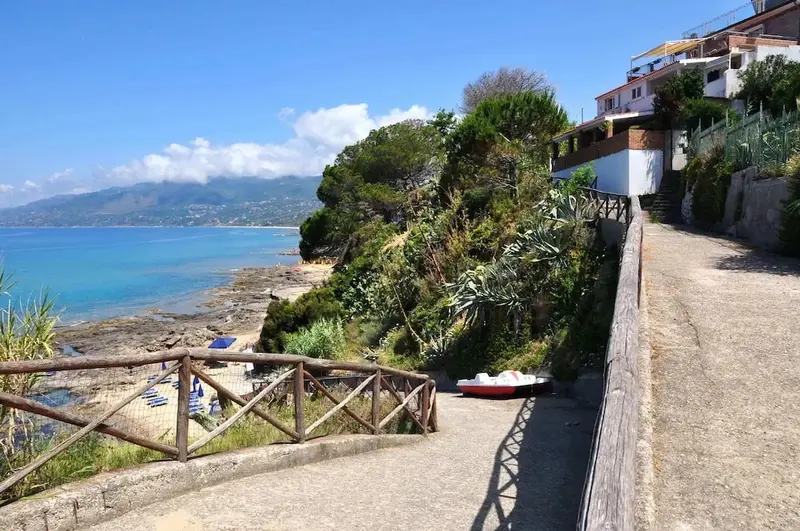
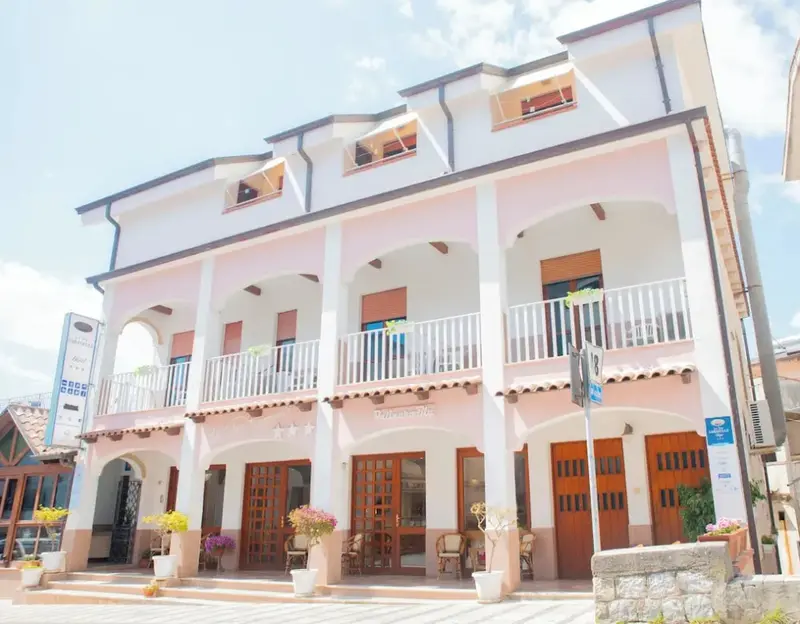
 Dive centre in the hotel
Le Tre Caravelle Hotel
★★★
Google 4.5/5 (280 reviews)
The dive centre
Palinuro Sub Diving Center
CMAS · PADI · RAID
Google 4.8/5 (90 reviews)
Italy · Mediterranean
Limestone walls, naturally lit caverns and the blue interior of Grotta Azzurra give Palinuro a distinctly geological character above and below the water.
For subtitles in English: start the video firstthen click the gearat the top right of the video, select “Subtitles/CC”, then “Auto-translate” and choose “English”.
Palinuro is a shore-based diving holiday built around the limestone cliffs of Cape Palinuro. Boats leave the harbour for coastal walls, openings and marine caves, with Grotta Azzurra as the name most visitors recognise. Some caverns stay open to daylight and can suit newer divers, while genuine cave penetrations belong to trained teams with the right configuration. It is a good fit for a diver who wants geology and boat access rather than a long reef safari, and for a mixed group with beaches, boat trips and the Cilento landscape beyond diving.
The defining feature is the concentration of cavities in the limestone around the cape. A dive may begin on open coastal rock or a wall, then turn towards an entrance where daylight still reaches the interior. Grotta Azzurra makes the idea easy to picture: blue water, pale rock and a clear change from open water to enclosed space. Other routes vary in depth, commitment and the amount of shelter offered by the cave. Currents are variable, so the boat plan and the guide's local knowledge matter more than a fixed site routine. Most outings are boat dives from Palinuro harbour, with the day's route shaped by sea conditions and diver qualification. Visibility is part of the cave experience, where the contrast between the entrance, shadow and limestone becomes as important as distance.
Underwater, Palinuro's main subject is the meeting of light, limestone and water rather than a destination built around a named seasonal animal. Along the cape, walls, openings and cave ceilings create changing habitats: outside, the boat reaches coastal rock and steep faces; inside a naturally lit cavern, the eye follows the blue entrance and the transition into shadow. Grotta Azzurra is the clearest expression of that geology. Marine life is encountered against this rock architecture, with the character of the dive changing according to the route and the amount of penetration. June to September is the practical period for regular diving, but the attraction remains the same limestone terrain, whether the plan is an easy cavern visit or a more committed underground dive.
The most dependable diving period runs from June through September, when the centres are operating regularly and boat access to the caves is easiest to organise. July and August bring the busiest coast and the most traffic on the water, so June or September usually gives a calmer rhythm without moving outside the main season. Diving activity generally runs from Easter into early November, but the summer months are the sensible choice if the caves are the reason for the trip. Keep spare days in the plan, because a particular cave route can change with sea conditions and boat scheduling.
Palinuro suits divers across a broad range of experience, provided the cave terminology is taken seriously. A naturally lit cavern may be suitable for a beginner on the right guided itinerary. Entering a genuinely underground section is different: it calls for an appropriate cave or cavern qualification, suitable equipment and a guide familiar with the local route. That applies whether the certification is through BSAC, PADI, SSI or another recognised system. A normal recreational qualification is not a substitute for overhead-environment training.
From London Heathrow, Gatwick or Manchester, plan the journey around reaching Naples or Salerno, then continue by road to Palinuro along the coast. The important constraint is the onward road journey, not a compulsory ferry or domestic flight: Palinuro is reached principally overland. A car is useful for carrying dive equipment and for dealing with the area's spread-out accommodation, although the port and central area can be reached on foot if you stay nearby. If your accommodation is farther out, allow for a taxi or your own vehicle for each morning's embarkation. Seasonal maritime links from other Cilento ports exist, but they are not the dependable structure of the journey.
Before booking, ask exactly what the word “cave” means on the planned outing. Is the route a naturally lit cavern, or does it pass beyond daylight into a true overhead environment? Ask, too, whether the centre expects a standard single-cylinder recreational set-up or a cave-diving configuration. Bring a lamp only when the confirmed route makes one useful, and do not enter a cavity with equipment or training that falls short of the plan. Do not build the holiday around Grotta Azzurra alone, or around any single cave: weather, boat programming and qualification requirements can change the day's destination. Staying near the harbour removes a daily transport nuisance, particularly when accommodation is scattered around Palinuro. June and September are worth considering if you want the same main-season access with less summer traffic. Finally, do not assume that every cavity is deep or technical, but do not assume the reverse either.
Allow five to seven days on shore, with several boat days and a little space for altered plans. Staying close to Palinuro harbour makes early embarkations simpler, while a more distant base may mean arranging a taxi or using a car each day. Non-divers have plenty to do: beaches and coves, boat trips beneath the cliffs, walks in the Cilento national park, and visits to local villages and cultural sites. The format works well for a couple or group that does not want every day dictated by diving.
Hello, I'm Marina, DivingDeal.com's AI assistant. I guide you through destinations, areas and countries.
Thinking about the whole trip and the flights? Talk it over with Edith →
Marina is an AI. Some links are affiliate links: DivingDeal may earn a commission, at no extra cost to you. Bookings are made with the partner.
In each one, the dive centre is inside the hotel: step out of your room and go diving.
Dive centre in the hotel★★★
Google 4.5/5 (280 reviews)
The dive centre
Palinuro Sub Diving Center
CMAS · PADI · RAID
Google 4.8/5 (90 reviews)
The practical period for regular diving in Palinuro Centola runs from June through September, when centres operate regularly and boat access to the caves is easier to arrange. June and September may offer a calmer rhythm than July and August. Keep spare days available because sea conditions and boat schedules can change routes.
Palinuro Centola can suit divers with different experience levels. A naturally lit cavern may be appropriate for a beginner on a suitable guided itinerary. Going beyond daylight into a true overhead environment requires relevant cave or cavern training, suitable equipment and a locally familiar guide. A normal recreational qualification is not enough.
Diving in Palinuro Centola focuses on the meeting of light, limestone and water. Boat routes reach coastal rock, walls, openings and marine caves, while naturally lit caverns reveal blue entrances, pale rock and shadow. Grotta Azzurra is the clearest expression of this setting, with marine life encountered against changing limestone architecture.
Plan a shore-based stay in Palinuro Centola with several boat days and spare time for changed conditions. Staying near the harbour simplifies morning embarkations; farther accommodation may require a car or taxi. Ask whether a planned cave is naturally lit or a true overhead route, and check the required equipment and qualification before booking.