
Salento Diving
Google 5/5 (591 reviews)
Italy · Mediterranean
Open sea caves, pale limestone walls, red gorgonians and wrecks around Punta Meliso meet on boat dives between two coastlines.
For subtitles in English: start the video firstthen click the gearat the top right of the video, select “Subtitles/CC”, then “Auto-translate” and choose “English”.
Santa Maria di Leuca is a shore-based diving destination built around boat trips, not a liveaboard itinerary. From the harbours around Leuca and nearby Torre Vado, divers reach sea caves, limestone walls, shoals and wrecks along both sides of the Salento peninsula. Some open cavities and shallow rocky reliefs suit a first dive, while Punta Meliso and Secca del Pisello offer deeper, more committed outings. Above water, the lighthouse, sanctuary and coastal scenery give non-divers plenty to do.
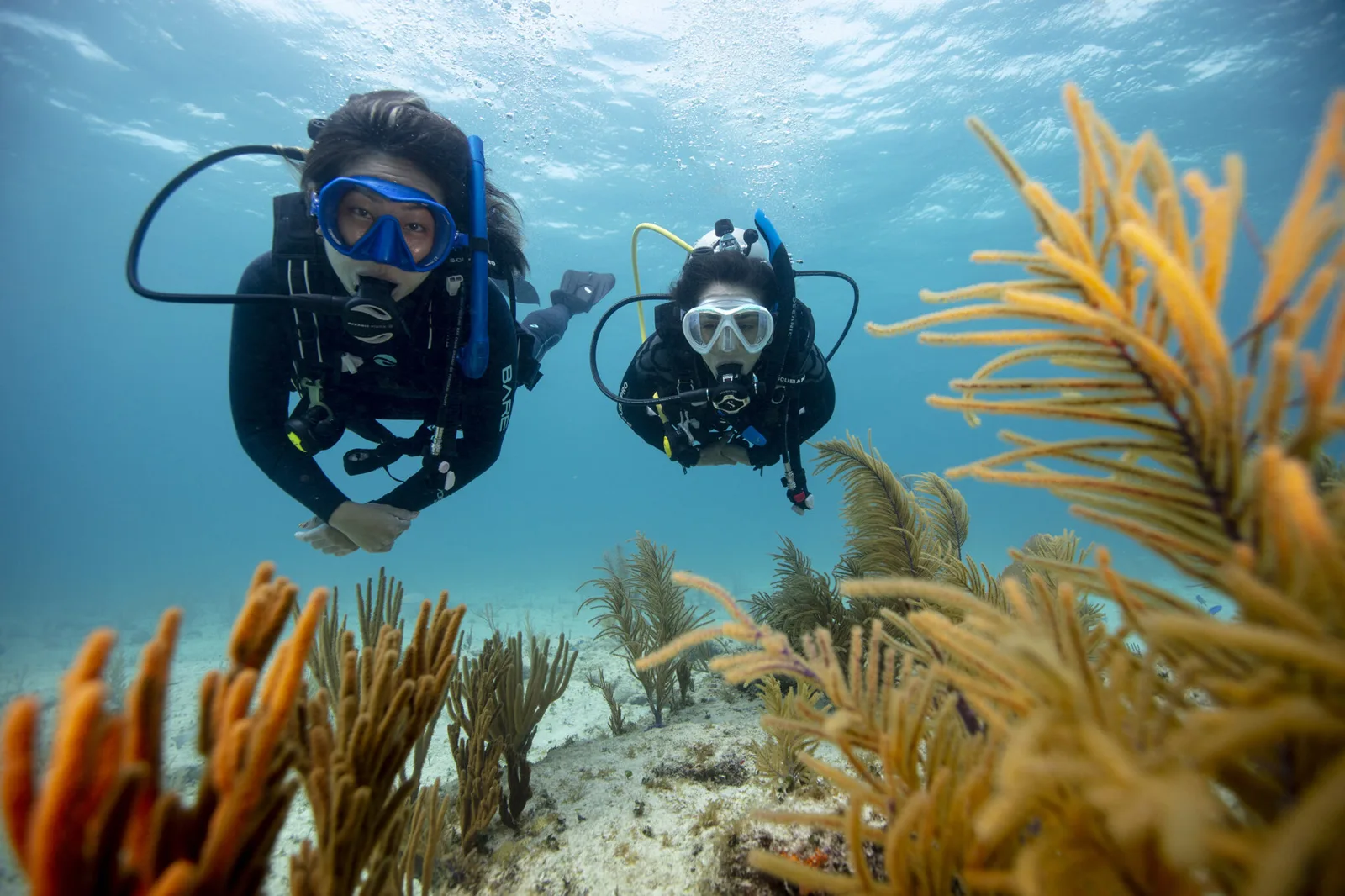
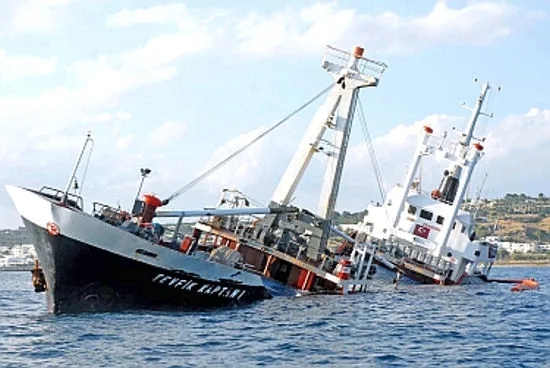
The underwater scenery is limestone rather than tropical reef: pale rock walls, ledges, high points and coastal caves, with red gorgonians appearing on the more demanding walls. The caves are a major part of the appeal, but many are open tunnels or chambers with natural light, not automatically suitable for penetration. Boat trips are the norm, and the day's side of the peninsula is chosen around the sea state. Currents are variable, so a calm-looking plan can still become a more active dive around exposed walls and shoals. Visibility changes with swell and suspended material over the rock. Punta Meliso combines shallower reliefs with deeper options, while Secca del Pisello and some drop-offs require a more deliberate profile. Wreck outings add a different shape to the day, particularly around Torre Vado and near Punta Meliso.
The fish life is Mediterranean and closely tied to the rock. Groupers can be found around ledges and cavities, while red gorgonians give the deeper walls their strongest colour. Shine a torch into the shaded sections of a cave and shrimps and crabs may appear among the cracks. Bream move over the rocky ground, and the open water can occasionally bring tuna or other pelagic visitors. Encounters are not a guaranteed checklist, which is part of the character of these dives. The best approach is to slow down at the cave mouths, inspect the shadowed rock and leave the gorgonians untouched. Wildlife is present through the local diving season, with conditions and the chosen site influencing what is seen on the day.
The practical diving season runs from spring into autumn, with May, June, September and October offering the most appealing balance for many visitors. Full summer brings heavier tourist and boat traffic, especially around the caves and bathing excursions, and mid-day departures can feel busy. Spring and early autumn are generally quieter, although wind and sea conditions have more influence on whether a boat trip runs. These months also make it easier to keep a spare day for a change of coastline rather than forcing every dive onto one exposed route.
Beginners can start on shallow rock and open caves, provided the guide treats them as overhead-looking environments rather than invitations to penetrate. Advanced divers or holders of a deep speciality will get more from the deeper walls and shoals. Wreck dives call for suitable wreck training, while explicitly deep or technical sites demand the appropriate qualification and experience. BSAC, PADI and SSI divers should check the planned depth and whether the outing involves any penetration before booking. A first local dive is best kept shallow, allowing the diver to judge the current and visibility.
From London Heathrow, London Gatwick or Manchester, the usual journey is a flight to Brindisi or Bari followed by a road transfer into the Salento. Santa Maria di Leuca has no airport of its own, and reaching it does not involve a ferry. Allow a full travel day from western Europe, with a connection potentially making the journey longer. Once there, the town centre is compact, and some accommodation is within walking distance of urban departure points. That changes when the boat leaves from Torre Vado or another nearby harbour, where a hire car or locally arranged transfer is normally needed. Confirm the actual meeting harbour before booking accommodation, rather than relying on the destination name alone.
Ask whether the planned trip is on the Ionian or Adriatic side, because the caves and rock formations differ and the choice may change with the sea state. Confirm whether a cave trip means scuba, snorkelling or a surface boat excursion, as local wording can cover all three. Bring a dive torch even for naturally lit caverns, and treat every opening as an open-water cave only until the guide explains otherwise. Do not make Secca del Pisello, a deep wall or a wreck your first local dive without checking the depth and conditions. Compare the departure harbour with the area actually being dived, especially when Torre Vado is used for Leuca-area wrecks. An early departure helps avoid the heaviest cave and bathing traffic. Keep a flexible day in the plan, so the boat can move between coasts instead of pressing on into unsuitable swell. Leave gorgonians and cave walls untouched, since contact damages fixed life and stirs the limestone sediment.
A four to seven-day stay works well on land, giving room for several boat outings and a change between the two coastlines. Leuca is compact enough for some harbour-area arrangements on foot, but a car or transfer is useful when diving from Torre Vado or another nearby port. Non-diving days can combine a cave boat trip or snorkelling with the lighthouse and Punta Meliso, the sanctuary, beaches and the baroque villages of southern Salento.
Hello, I'm Marina, DivingDeal.com's AI assistant. I guide you through destinations, areas and countries.
Thinking about the whole trip and the flights? Talk it over with Edith →
Marina is an AI. Some links are affiliate links: DivingDeal may earn a commission, at no extra cost to you. Bookings are made with the partner.
Spring through autumn is the practical diving season. May, June, September and October offer a balance of diving and quieter departures. Full summer brings heavier tourist and boat traffic, particularly near caves and bathing excursions. Wind and sea conditions can affect whether boats run, so keep your schedule flexible.
Beginners can start with shallow rock and open caves, treating them as overhead-looking environments rather than places to penetrate. Deeper walls and shoals suit advanced divers or those with deep training. Wrecks require suitable wreck training, while deep or technical sites require appropriate qualification and experience. Check depth, currents and penetration plans before booking.
You can explore pale limestone walls, ledges, rocky shoals, open sea caves and wrecks around Punta Meliso and Torre Vado. Groupers shelter among cavities, while red gorgonians colour deeper walls. Torchlight may reveal shrimps and crabs in shaded cracks, with bream over the rock and occasional tuna or other pelagic visitors.
Plan a land-based stay with several boat outings and time to change between the Ionian and Adriatic coasts. Confirm the meeting harbour, since departures may use Leuca, Torre Vado or another nearby port. Accommodation in central Leuca can suit some departures, while a hire car or transfer helps elsewhere. Keep a flexible day for changing sea conditions.