
Punta Campanella Diving Sorrento
Google 4.8/5 (357 reviews)
Italy · Mediterranean
Rocky walls, red gorgonians and sea caves meet boat trips to Punta Campanella, Capri and the Amalfi Coast from a characterful Italian base.
For subtitles in English: start the video firstthen click the gearat the top right of the video, select “Subtitles/CC”, then “Auto-translate” and choose “English”.
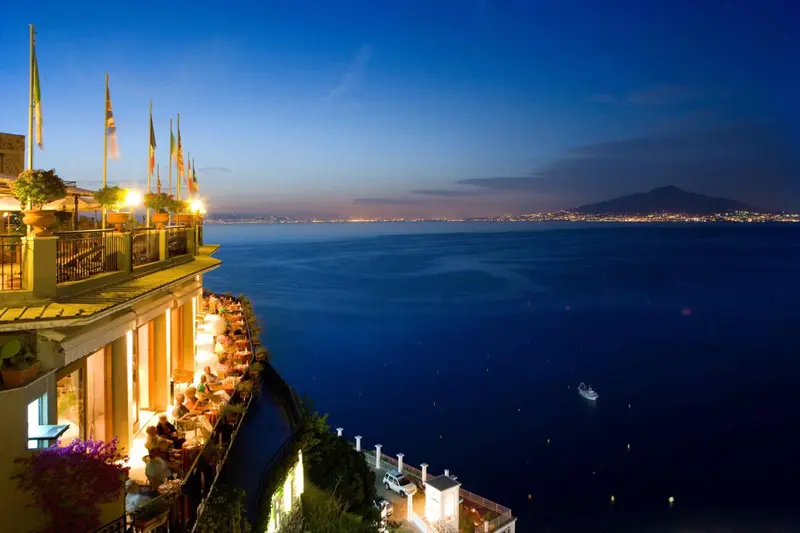
Punta Campanella puts rocky walls, boulders, caves and drop-offs within reach of a Sorrento-based diver. The boat range extends beyond the immediate coast to Capri and the Amalfi Coast, so this is a place for varied day outings rather than a liveaboard routine. Sorrento also works unusually well for a mixed party: while one person dives, others can explore the old town, take a ferry, walk coastal paths or visit Pompeii.
Expect Mediterranean rock rather than coral reef: walls, pinnacles of rock, caves and drop-offs, with the scenery changing between Punta Campanella, Capri and the Amalfi Coast. Some sites are sheltered and suitable for a broad range of divers, while deeper or more exposed walls need the right qualification and experience. Currents are variable, so the same outing may feel calm on one day and require closer attention on another. Visibility is generally most favourable from June to September, but can fall after swell, coastal run-off or periods of plankton. These are boat dives arranged as day trips, with the actual sector and travel time worth checking before booking. The Area Marina Protetta Punta Campanella covers much of the local coastline, but heavy summer boating remains part of the setting.
Barracudas are among the most characteristic encounters, moving through the open water above the rocky terrain. Red gorgonians add colour to walls and drop-offs, particularly where the relief gives them a firm hold. The same Mediterranean rock can also produce smaller discoveries, including nudibranchs, while occasional mérous and langoustes reward a slower search around crevices and sheltered rock. Encounters are not a guaranteed timetable, so the appeal lies in combining the broader view of a wall or cave with careful inspection of the bottom. Punta Campanella, Capri and the Amalfi Coast each bring a different balance of rock, shelter and exposure, and marine life varies with the site and conditions on the day.
May, June, September and early October make the most balanced period for a diving stay. June to September usually brings the most favourable visibility, while spring and autumn avoid some of the pressure created by holiday traffic. July and August are the busiest months around Capri, the ferries and the coastal ports, with more excursion boats in the water during the day. Outside summer, passing bad weather can interrupt boat departures, so a spare day matters. The long Mediterranean diving season is useful, but the best plan is to balance quieter ports with enough flexibility for the sea.
Sorrento suits beginners, returning divers and experienced visitors, with local centres offering diving and training for different levels. An entry-level qualification from PADI, SSI or BSAC can suit the easier outings, but it does not automatically cover every wall, drop-off or deeper site. Confirm the requirement for the planned dive directly, especially if the boat is heading to a more exposed sector. Comfort in changing conditions and sensible buoyancy matter more here than chasing a particular certification label.
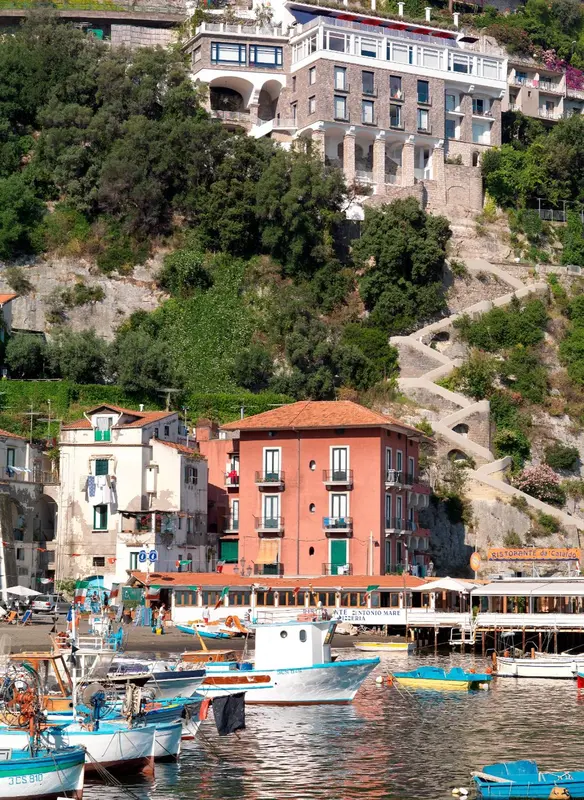
From London Heathrow, London Gatwick or Manchester, the route runs through Naples before continuing to Sorrento by road or train. Allow generous connection time after landing: the peninsula’s roads are narrow, winding and vulnerable to summer congestion, and the onward transfer takes roughly an hour depending on traffic. Ferries also connect Naples, Sorrento, Capri and ports along the Amalfi Coast. In Sorrento, Marina Grande may be reachable on foot from central accommodation, while operators at Marina del Cantone require a bus, taxi or car. Check the departure harbour carefully, because Marina del Cantone is not in central Sorrento.
Confirm the departure harbour before committing to accommodation. Marina Grande is convenient from central Sorrento, whereas Marina del Cantone means planning a separate land transfer, roughly half an hour from town. Ask which area the boat is actually visiting, because Punta Campanella, Capri and the Amalfi Coast are not interchangeable outings and do not involve the same navigation time. Keep one day free in a five to seven-day stay for a weather interruption, rather than stacking every dive consecutively. Morning departures usually mean less conflict with excursion traffic around Capri and the tourist ports. Pack thermal protection suitable for repeated Mediterranean dives, without relying on a generic suit assumption. Do not arrange the journey home immediately after the final dive: leave the proper no-fly interval and allow for either road or boat connections. In July and August, expect the busiest water and roads, not simply warmer holiday conditions.
The natural rhythm is a land-based stay with morning boat diving, followed by afternoons in Sorrento or a non-diving day on shore. Five to seven days gives room for several outings, a weather reserve and excursions by ferry to Capri or the Amalfi Coast. Sorrento works as the cultural base, while staying nearer Marina del Cantone can remove a daily transfer if that is where the chosen boat leaves. A day for Pompeii, coastal walking or Punta Campanella completes the trip without forcing every day underwater.
Hello, I'm Marina, DivingDeal.com's AI assistant. I guide you through destinations, areas and countries.
Thinking about the whole trip and the flights? Talk it over with Edith →
Marina is an AI. Some links are affiliate links: DivingDeal may earn a commission, at no extra cost to you. Bookings are made with the partner.
May, June, September and early October offer a balanced period for a diving stay. June to September usually brings the most favourable visibility, while spring and autumn can mean less holiday traffic. July and August are busiest around Capri, ferries and coastal ports. Keep flexibility for weather interruptions outside summer.
Sorrento suits beginners, returning divers and experienced visitors, with local centres offering diving and training for different levels. Easier outings may suit an entry-level qualification from PADI, SSI or BSAC. Deeper or more exposed walls require appropriate qualification and experience, while variable currents make comfort and sensible buoyancy important.
Diving in Sorrento features Mediterranean rocky walls, pinnacles, boulders, caves and drop-offs around Punta Campanella, Capri and the Amalfi Coast. Barracudas may move through the blue, while red gorgonians colour walls and drop-offs. Look carefully around crevices for nudibranchs, occasional mérous and langoustes, depending on conditions.
Plan a land-based stay with morning boat dives and afternoons or days for Sorrento, Pompeii, coastal walks, Capri or the Amalfi Coast. Confirm the departure harbour, since Marina Grande and Marina del Cantone require different transfers. Keep a spare day for weather, check the planned sector, and leave a proper no-fly interval before travelling home.