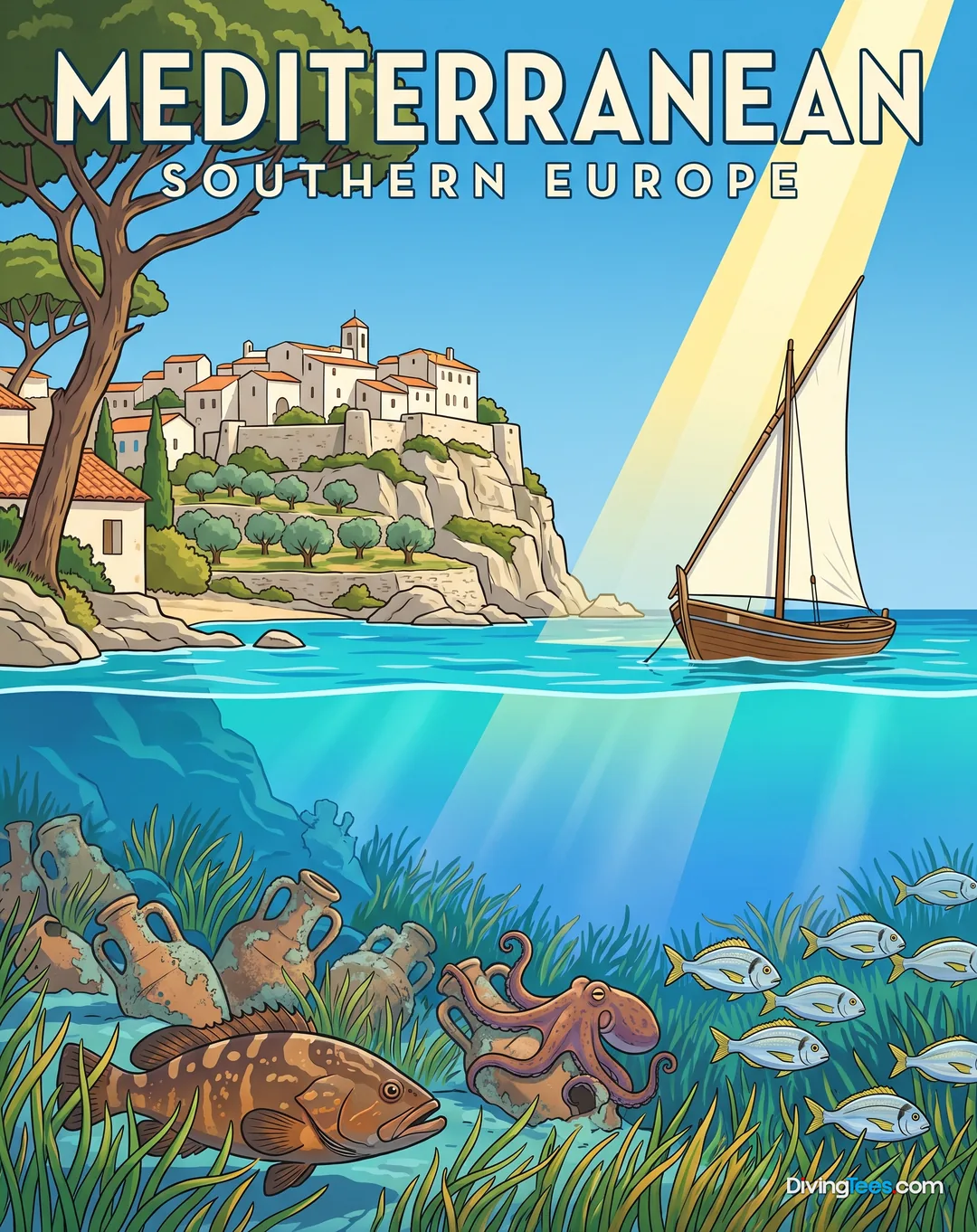
Mediterranean
Malta: compact islands, layered diving and culture
Malta pairs shore-based diving around Qawra with Gozo’s rural lanes, while Valletta and Mdina make the surface itinerary unusually dense.
What makes this country unique
- May to October across Malta’s northern diving areas
- Gozo’s Citadel above Victoria’s rural island landscape
- Qawra’s HMS Maori and nearby urban coastline
- Malta’s fenkata and Rabat’s famous pastizzi
- Comino’s Blue Lagoon between Malta and Gozo
- Valletta’s St John’s Co-Cathedral and knightly heritage
- Ta’ Qali glass, filigree and Gozo lace
For subtitles in English: start the video firstthen click the gearat the top right of the video, select “Subtitles/CC”, then “Auto-translate” and choose “English”.
This country for a diver
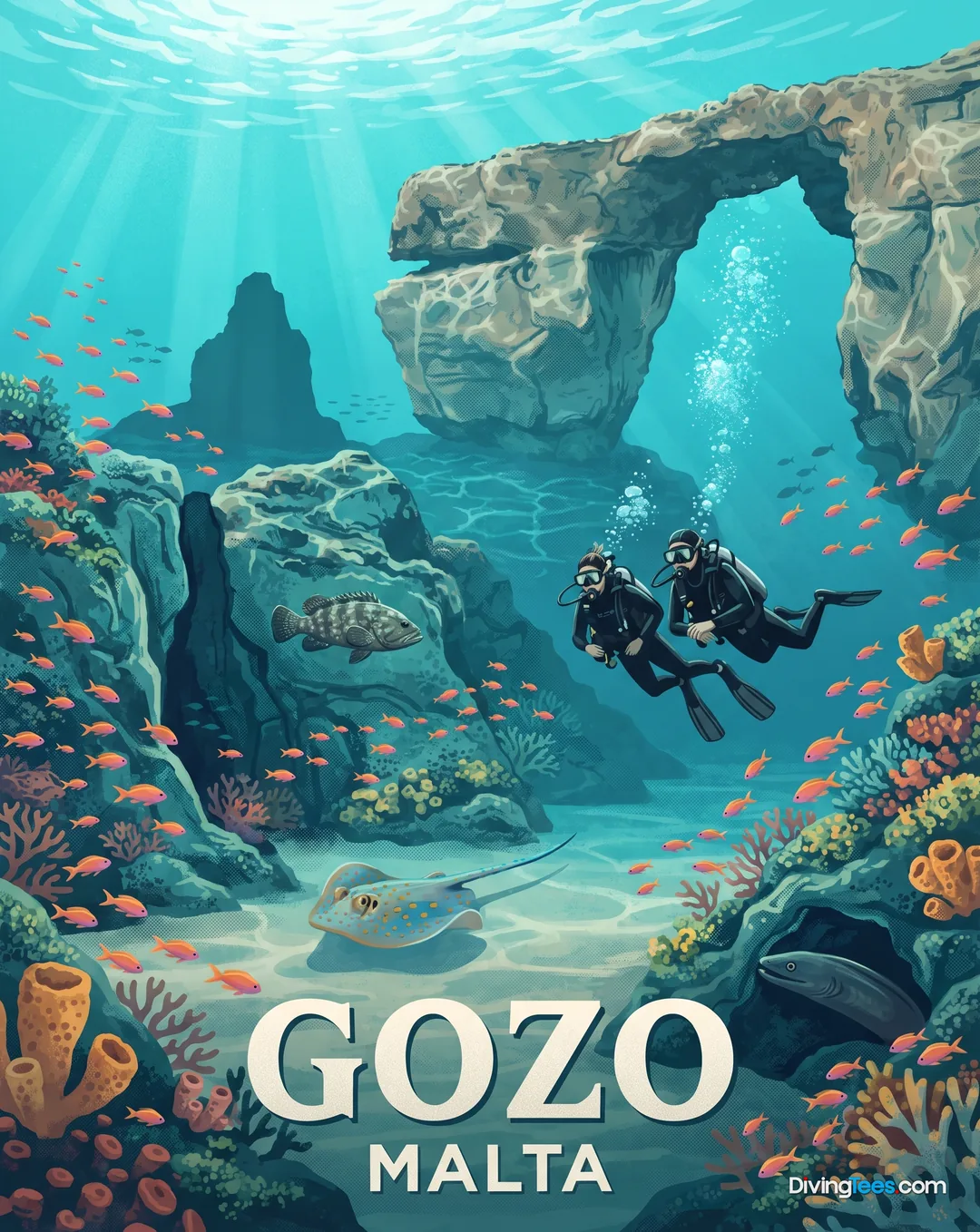
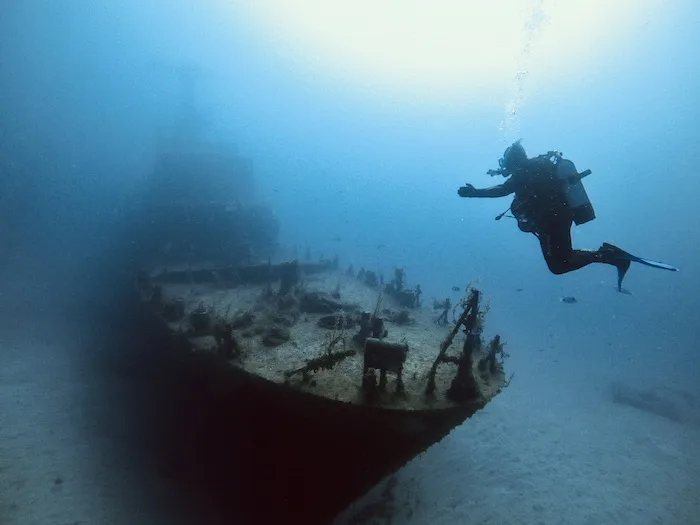
Malta is a compact Mediterranean archipelago between Sicily and Libya, where diving, ferries and heritage fit into a remarkably small travel plan. Its areas share a mixed character: shore and boat diving sit alongside wrecks, arches and caverns, rather than forming one uniform reef destination. Gozo supplies the strongest change of pace from the built-up coast. The country’s named underwater anchors include MV Karwela and Cathedral Cave in Gozo, HMS Maori in Qawra, and P31 in Mellieha. Above water, ancient temples and fortified cities make Malta distinct from a purely beach-led break.
How the country divides
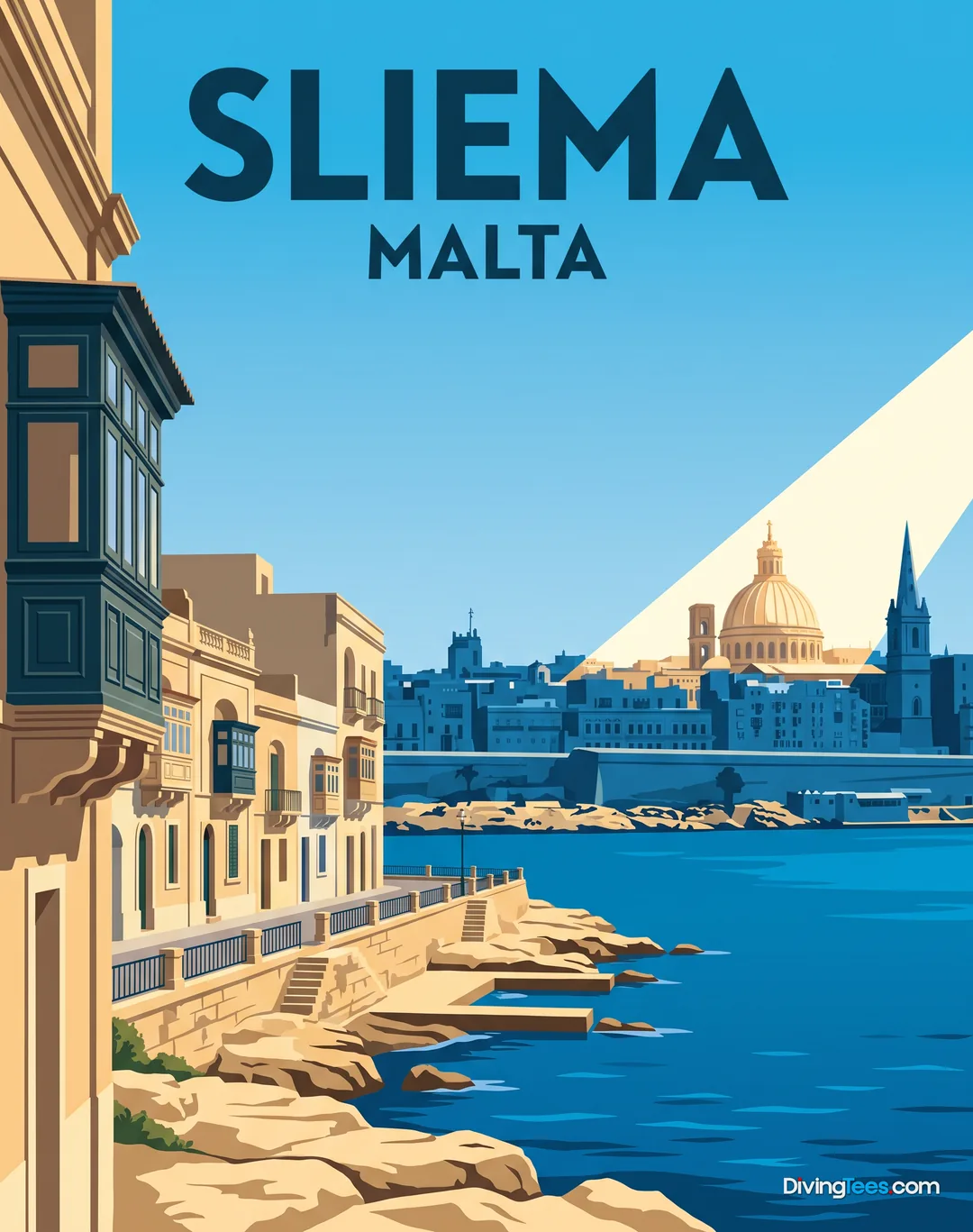
The practical diving map follows the northern half of Malta and its links to Gozo. Cirkewwa is the ferry gateway, while Mellieha works as a base for spreading outings across nearby micro-zones rather than repeating one local plan. Qawra sits farther along the developed coast, convenient for combining northern diving with the urban seaboard. Gozo is the island choice for a slower setting and a different daily rhythm, reached through the Cirkewwa crossing. Sliema places diving within Malta’s central urban coastline, useful when La Valletta, the Three Cities and restaurants matter as much as transfer simplicity. Saint Julian’s belongs to the same central urban belt, but its diving season is not defined in the same way as the other named areas. Choose the north for ferry-connected variety, Gozo for island atmosphere, or the central coast for city access and evening life.
Diving destinations

Dive centres


Hotels
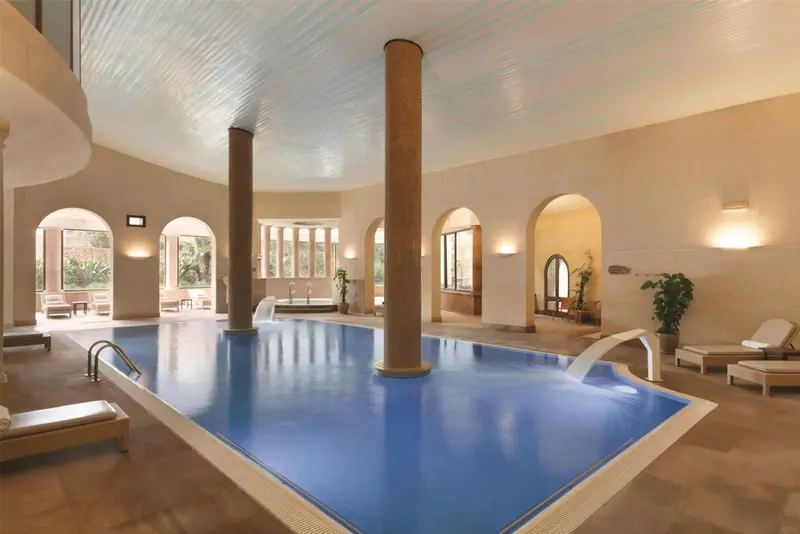
Kempinski Hotel San Lawrenz
Iz-Zebbug, Gozo
★★★★★
Google 4.7/5 (2,476 reviews)
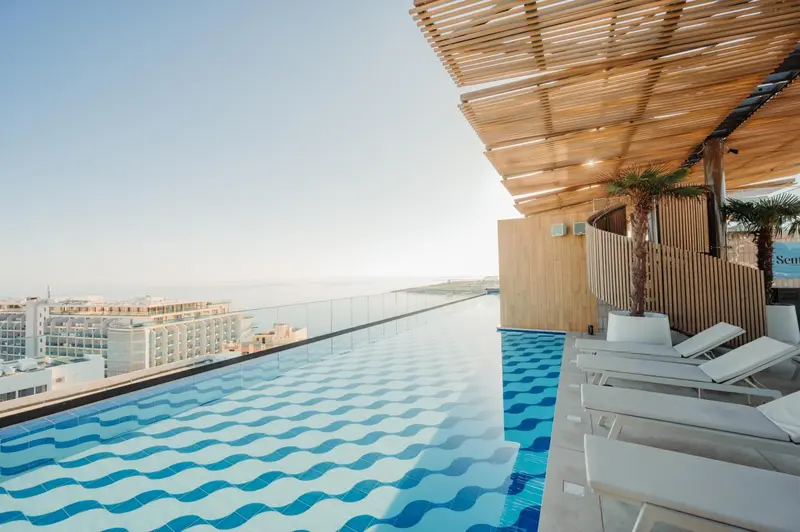
Best Western Premier Malta
San Pawl il-Bahar, Sliema
★★★★
Google 4.8/5 (734 reviews)
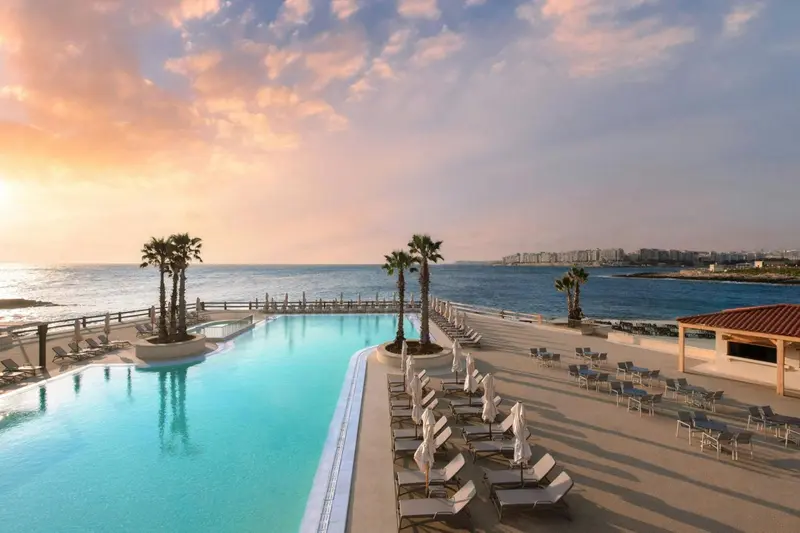
The Westin Dragonara Resort, Malta
Saint Julian's, Sliema
★★★★★
Google 4.6/5 (3,899 reviews)
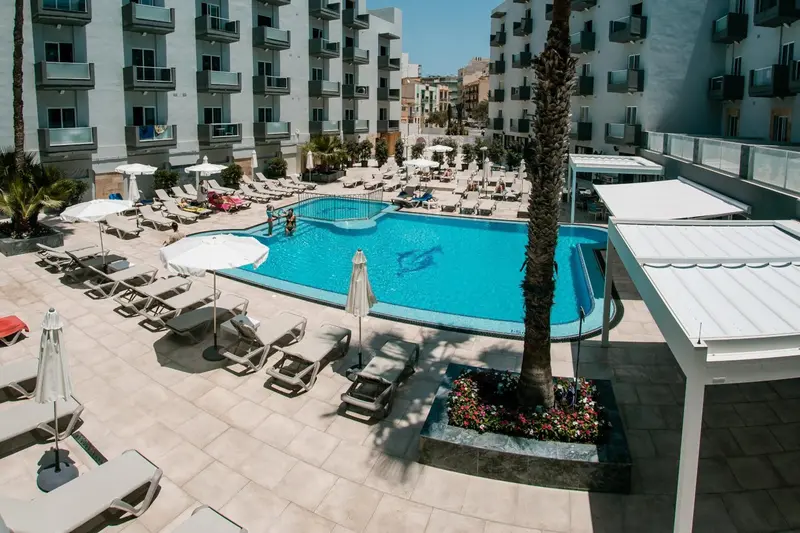
Pebbles Resort
San Pawl il-Bahar, Sliema
★★★★
Google 4.6/5 (2,178 reviews)
When to go, and where by month
May through October is the shared diving window for Cirkewwa, Gozo, Mellieha, Qawra and Sliema. That makes Malta simpler to plan than a country divided by opposite seasons: the northern coast, the ferry gateway and Gozo can be considered within the same broad travel period. Saint Julian’s has no corresponding seasonal indication here, so it should be treated as a central urban base rather than the anchor for a calendar-led circuit. January, February, March and April sit outside the named seasonal window, as do November and December. In practical terms, the most coherent itinerary runs from late spring into autumn, when one can move between the main island and Gozo without changing the overall season. Around Cirkewwa, leave room for ferry traffic: choosing quieter terminal periods is more useful than building a plan around peak crossings to Gozo and Comino.
Marine life, coast by coast
Wildlife is not the organising distinction between Malta’s diving areas. The country’s underwater identity is shaped more clearly by the contrast between wrecks, arches and caverns, so a diver choosing Gozo or Qawra is choosing a style of immersion rather than a particular animal itinerary. That matters for planning: Gozo’s signature character asks for sensible overhead-environment preparation, while the central and northern urban bases make it easier to build a varied programme around transport and surface interests. A wildlife-led holiday therefore needs a more flexible expectation than a trip built around a named shark, ray or grouper encounter. Keep the animal question secondary, and let the island, the site setting and the day’s logistics determine the route.
Getting between the areas
Malta’s northern bases are close enough to combine, but traffic and ferry timing matter more than the map suggests. Cirkewwa and Qawra are roughly seven kilometres apart, as are Mellieha and Qawra, so a single hotel can support outings along that stretch. From Qawra, the central coast is about eight kilometres away, placing Saint Julian’s and Sliema within reach when city evenings are part of the plan. Gozo is linked by the ferry from Cirkewwa to Mgarr, a crossing of roughly twenty to twenty-five minutes, but the complete transfer includes getting to the terminal and waiting. Bus journeys from La Valette to Cirkewwa are advertised at around an hour and can run longer in traffic. A two-week trip can sensibly combine northern Malta, Gozo and selected heritage days, but a missed ferry can disrupt the whole diving day.
Take off your mask
Malta’s surface culture is concentrated enough to reward deliberate routing. In Valletta, St John’s Co-Cathedral, Fort St Elmo and the National Museum of Archaeology fill a substantial historical day; Fort St Angelo and the Inquisitor’s Palace continue the story across the Grand Port in Vittoriosa. Mdina and Rabat offer a quieter contrast, with St Paul’s Catacombs, Domvs Romana and the familiar pastizzi stop at Crystal Palace. Gozo shifts the mood again: Victoria’s Citadel, Ġgantija Archaeological Park and Ta’ Kola Windmill fit naturally into an island visit. For food, fenkata is the occasion dish, while ħobż biż-żejt, ftira and timpana suit a less formal meal. Marsaxlokk is the setting for lampuki pie and aljotta, with fish restaurants close to the harbour. Village festas bring processions, bands and late fireworks through summer, while Kinnie, Cisk and imqaret belong to everyday Maltese stops.
What holds true everywhere here
Several practical habits hold across Malta. The ferry is not a minor detail: Cirkewwa is the structural link to Gozo and Comino, and peak crossing periods can alter a carefully timed day. Malta drives on the left, so continental visitors should settle into quiet roads before tackling busy junctions and roundabouts. Dress changes sharply between beach and town; swimwear outside the shore is frowned upon, while churches expect covered shoulders and knees. Summer festas can close village streets and continue loudly into the night, so a route through a parish centre may need replanning. Around busy shore sites, allow for sun, waiting and active parking areas rather than assuming a quick arrival and departure.
Frequently asked questions about Malta
When should you go diving in Malta?
You can focus on Malta’s northern diving areas from May to October. This period is highlighted for diving around the northern part of the country, including Qawra. You can also use the trip for surface time in Valletta, Mdina, Gozo, Comino and other cultural or coastal settings.
What diving experience do you need for Malta?
Malta suits you if you want to choose between wrecks, arches and caverns rather than plan around particular animals. Gozo’s character calls for sensible overhead-environment preparation, while Qawra and other central or northern urban bases can support a varied programme without making that preparation the focus.
What will you see while diving in Malta?
In Malta, you can expect an underwater landscape shaped by wrecks, arches and caverns. Qawra includes the HMS Maori and nearby urban coastline, while Gozo offers a distinct island setting. Wildlife is not the organising feature, so you should keep animal encounters secondary when choosing sites.
How should you plan a diving stay in Malta?
Plan Malta around the island setting, site style and daily logistics. Qawra provides a shore-based base with nearby urban coastline, while Gozo adds rural landscapes and the Citadel above Victoria. Leave room for transport and surface visits to Valletta, Mdina, Comino, Rabat and Ta’ Qali.