


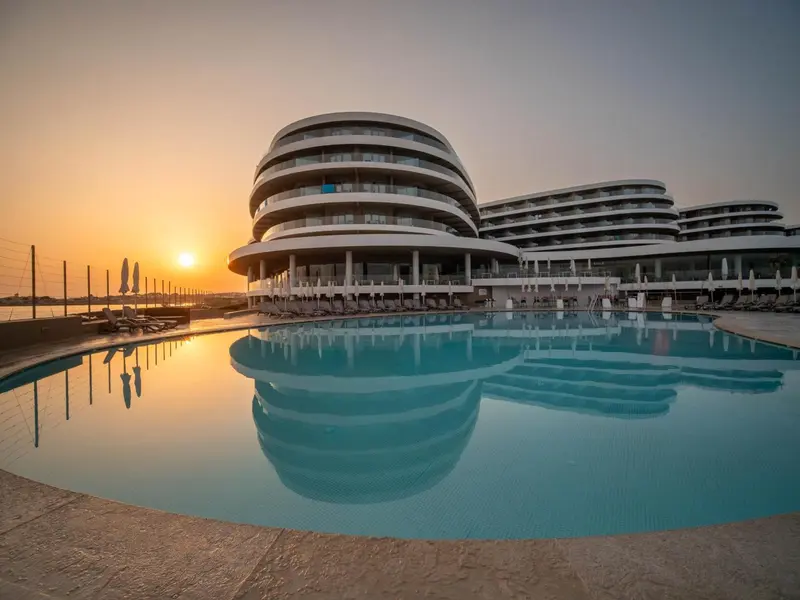
 Dive centre in the hotel
Ramla Bay Resort
★★★★
Google 4.4/5 (5,146 reviews)
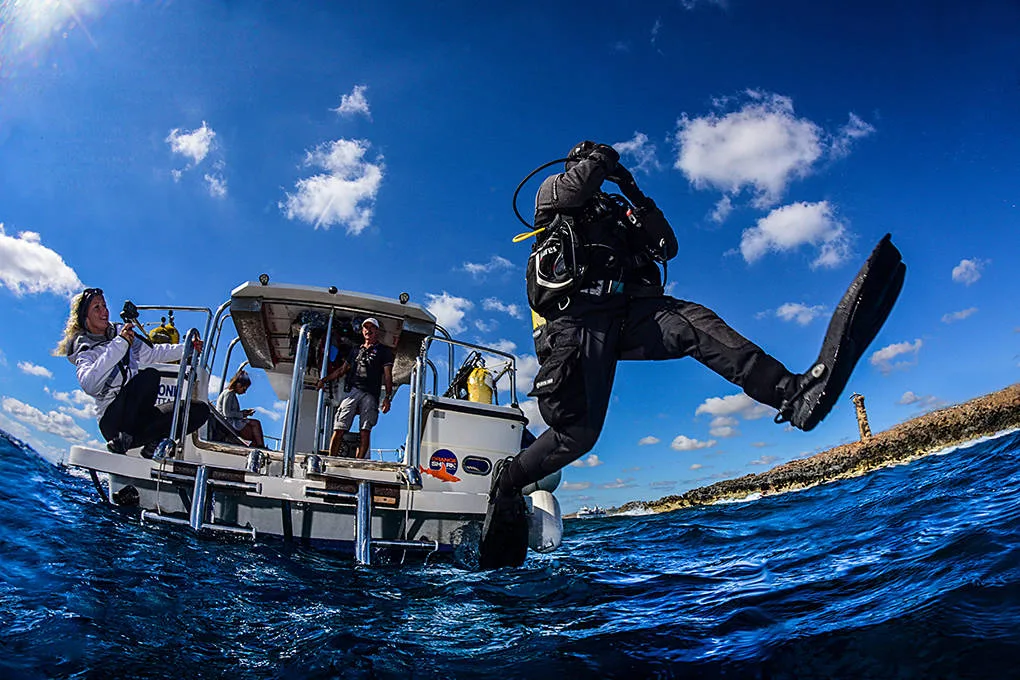
The dive centre
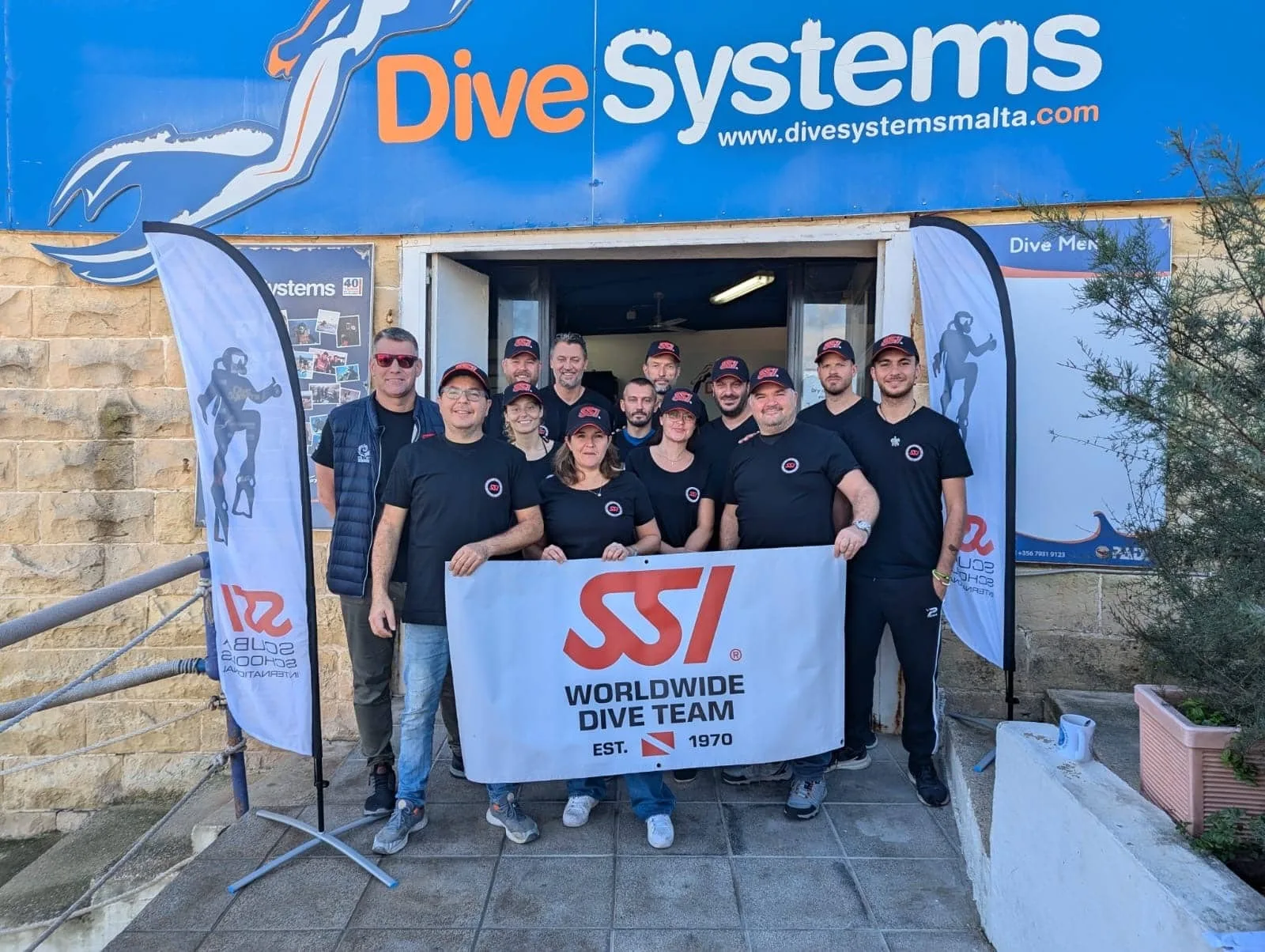
Orangeshark Diving Centres
PADI
Google 4.9/5 (208 reviews)
Dives: Um El Faroud, Santa Maria Caves, Blue Hole
Malta · Mediterranean
From the TUG2 wreck and Cirkewwa Right Arch to the 55-metre walls of Inland Sea Gozo, Sliema opens Malta’s diving from an urban waterfront.
For subtitles in English: start the video firstthen click the gearat the top right of the video, select “Subtitles/CC”, then “Auto-translate” and choose “English”.
Sliema is primarily a practical urban base rather than a single shore-diving attraction. From the waterfront, divers can arrange boat trips towards Malta’s wrecks, rocky reefs and exposed walls, while still staying close to La Valette and the island’s everyday transport network. The TUG2 wreck gives the area a nearby artificial-reef option, while sites such as Um El Faroud and Inland Sea Gozo broaden the diving considerably. It suits a four- to six-day stay combining several dives with time ashore.
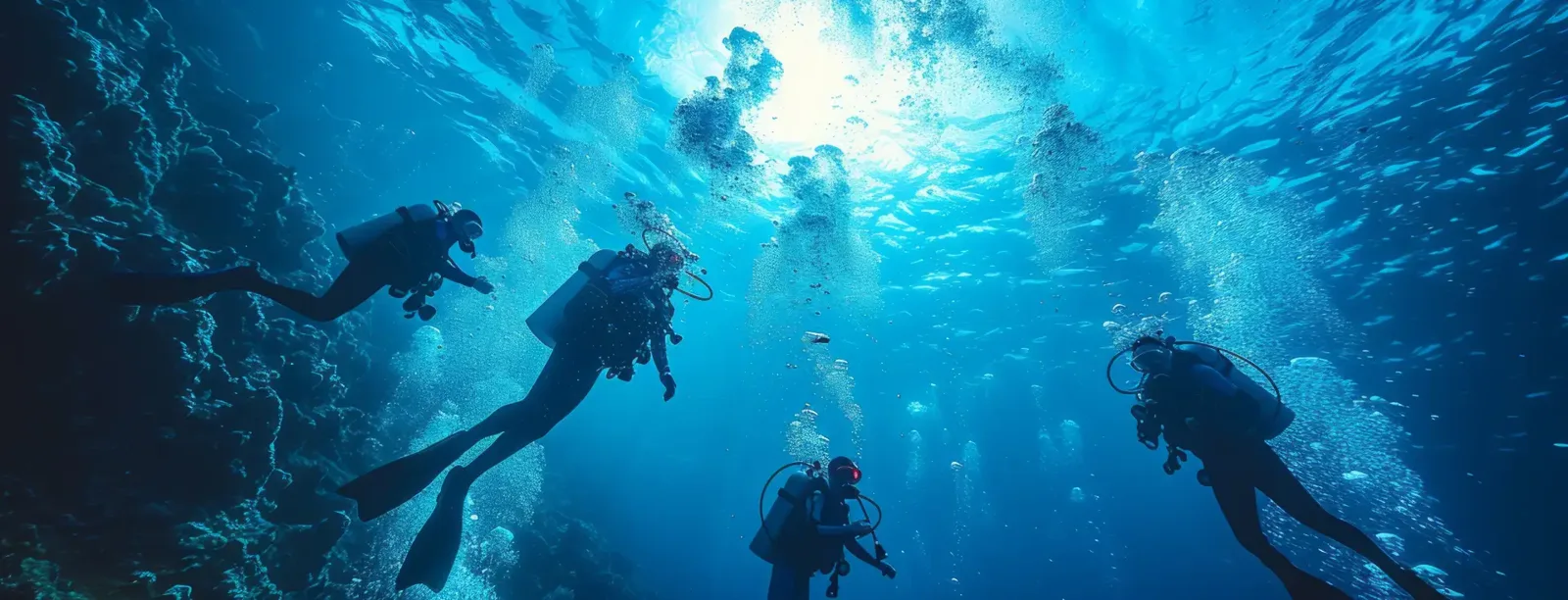
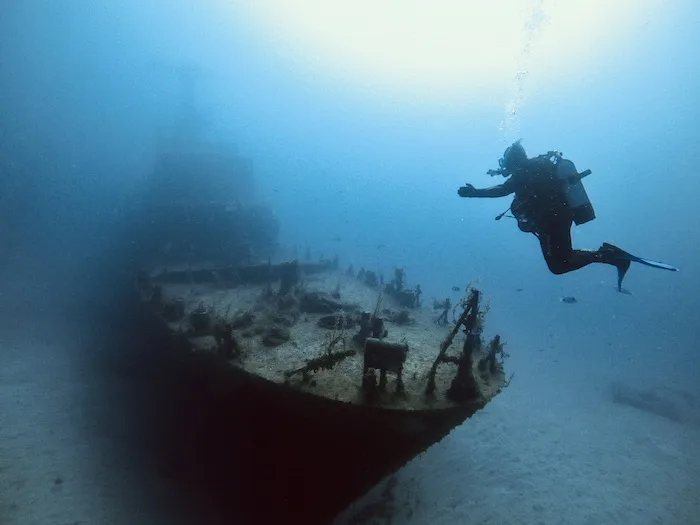
The diving around Sliema is mixed, with artificial reefs, rocky formations, coastal entries and boat-accessed sites rather than one dominant underwater landscape. TUG2 lies close to shore in relatively sheltered water, descending from five to 22 metres over sand, with light current and reported visibility commonly between 20 and 30 metres. Cirkewwa Right Arch is a shallower natural feature, its collapsed cavern forming an arch from seven to 18 metres. At the deeper end, Um El Faroud is an oil tanker lying at 36 metres, with holds and an engine room suited to trained penetration divers. Inland Sea Gozo links a calm lagoon to open water through an underwater tunnel, with walls reaching 55 metres. Conditions and current vary, and boat traffic is a more relevant consideration near the urban coastline than at quieter locations.
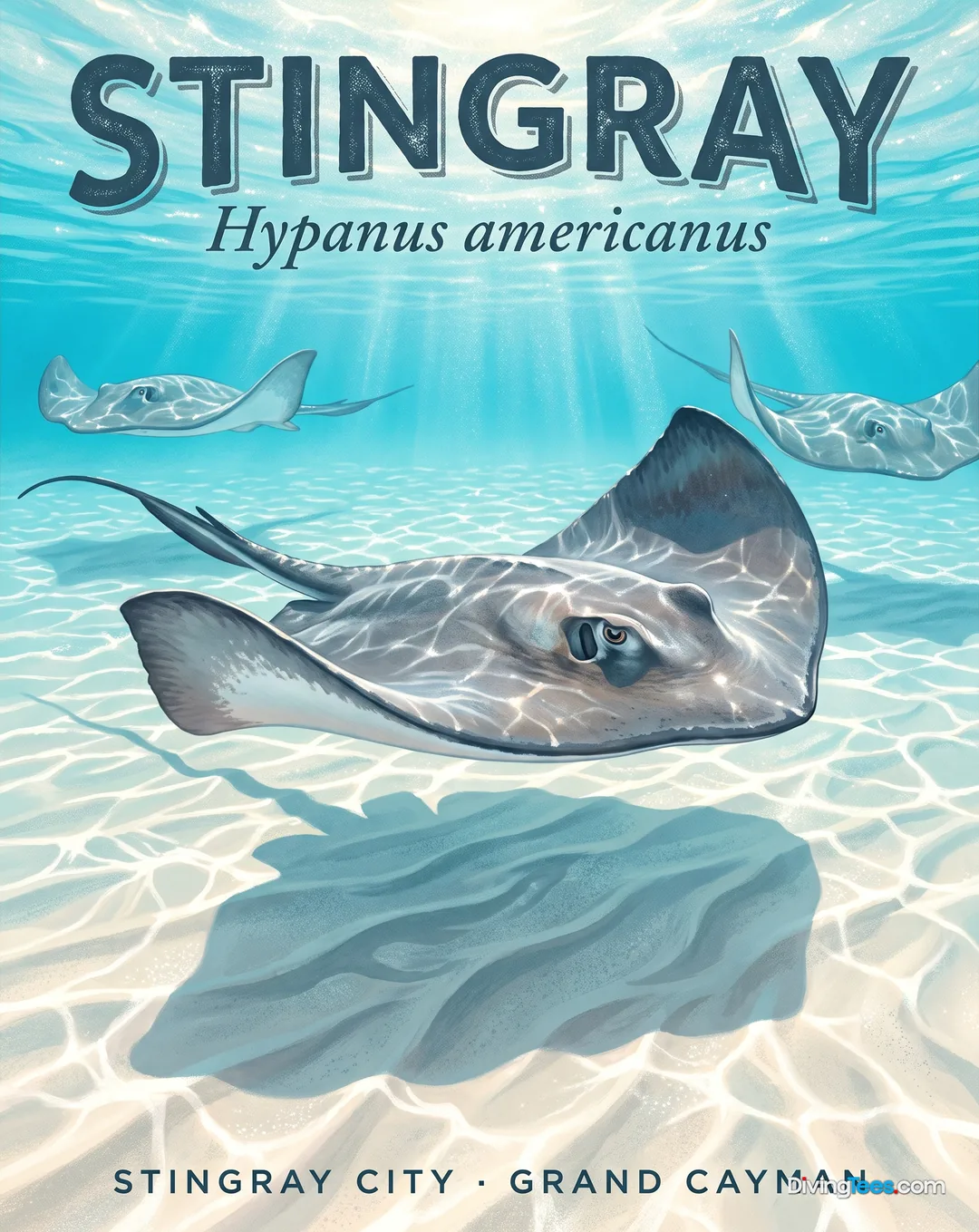
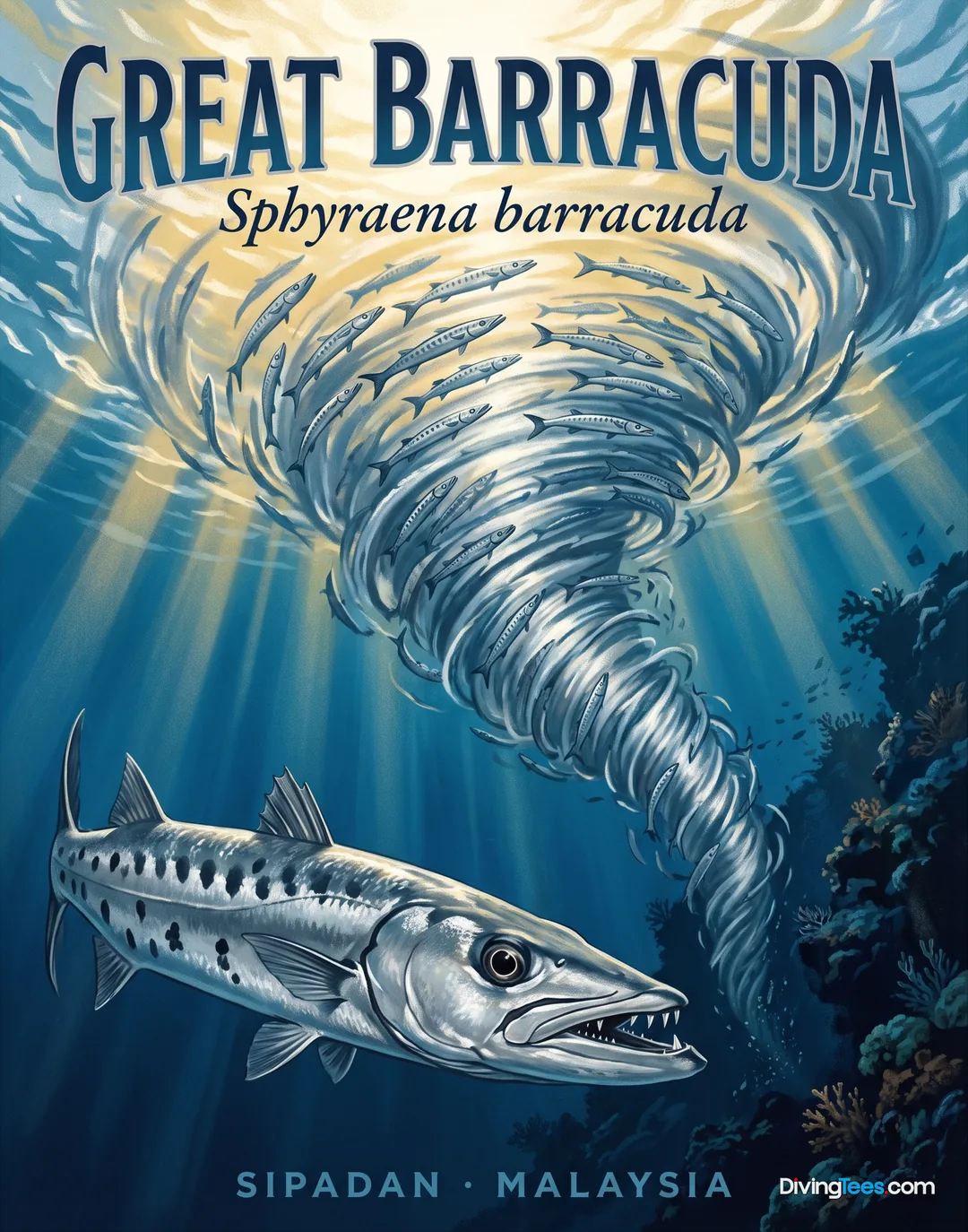
The animal life is typical of Malta’s rocky reefs and artificial structures, with the setting often providing as much interest as the species themselves. Great barracuda may cruise past the arch or open-water sections, while damselfish occupy the shallower rock. Moray eels and octopus are worth checking for around cracks, wreck structure and shaded surfaces. Groupers and amberjack add interest on deeper or more open dives, while scorpionfish reward a careful look at the reef rather than a fast swim-through. Nudibranchs provide the smaller-scale finds, and the TUG2 wreck has resident marine life including the northern stargazer. The reliable seasonal message is about sea conditions rather than a particular animal migration: May to October offers the calmer diving window, with encounters depending on site, depth and conditions on the day.
May, June, September and October are the most comfortable months for a Sliema diving trip. The measured calmest-sea period runs from May to October, while rainfall is lowest from June to September. The shoulder months are particularly useful for a dive holiday because they retain the longer calm-water window without the full pressure of the summer tourist season. January and February are less attractive choices, when unsettled conditions can complicate boat plans. Even in the preferred period, a four- to six-day itinerary should include a spare half-day for weather or a rough sea, especially when the plan depends on reaching exposed walls or wrecks by boat.
Sliema works for all levels because the surrounding programme can move from shallow reef and arch diving to deeper wrecks and exposed walls. Open Water divers can consider the TUG2 wreck and Cirkewwa Right Arch, subject to the day’s conditions and the planned swim or boat access. Advanced certification is useful for deeper profiles, while Wreck training matters for Um El Faroud. Appropriate technical training and experience are required for the deepest sections of Inland Sea Gozo. Nitrox can be useful where the planned profile and qualification allow it.
Sliema is reached by flying to Malta, including from London Heathrow, London Gatwick or Manchester, followed by a road transfer, taxi or bus. The journey is normally a half-day door-to-door trip from western Europe, although connections and airport waiting time affect the total. No ferry or sea transfer is required to reach the town itself. Once there, many divers stay within walking distance of the waterfront centres, or use a short taxi or bus journey. Sliema is well connected, but it is part of a busy urban area, so road traffic can lengthen surface transfers at peak times. Staying near the waterfront and the local embarkation points keeps the daily journey simpler, particularly when boat departures are early.
Treat Sliema as a base, not as a quiet village beach. Its strength is the ability to sleep in town, walk to the waterfront and reach different parts of Malta by boat without changing accommodation. For Um El Faroud, arrange the appropriate boat outing rather than assuming the nearby urban coastline is the main attraction; the wreck’s depth and penetration possibilities demand suitable training. Keep a spare half-day in the programme because rougher sea can disrupt plans for exposed walls and wreck trips. If choosing the TUG2 from shore, allow for the swim distance as well as its 22-metre seabed, and do not mistake its sheltered setting for a completely uniform year-round experience. Traffic matters on busy days, so central accommodation reduces wasted transfer time. Sliema also suits mixed groups: a companion can walk the seafront or take the ferry to La Valette while the divers are at sea. Anyone expecting an isolated dive resort should choose a different kind of base.
A sensible Sliema stay lasts four to six days, with several day-boat outings and at least one reserve half-day for weather or sea state. Divers can alternate deeper wreck or wall trips with shallower reef and artificial-reef dives, keeping the schedule flexible rather than building the whole holiday around one site. Staying in town makes it easy to combine diving with the waterfront, La Valette and nearby St Julian’s. Non-divers have enough urban activity to avoid being stranded between departures.
Hello, I'm Marina, DivingDeal.com's AI assistant. I guide you through destinations, areas and countries.
Thinking about the whole trip and the flights? Talk it over with Edith →
Marina is an AI. Some links are affiliate links: DivingDeal may earn a commission, at no extra cost to you. Bookings are made with the partner.
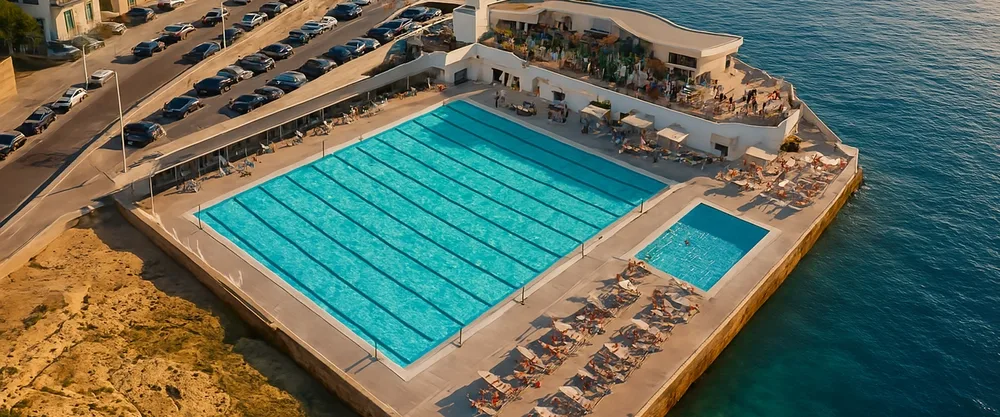
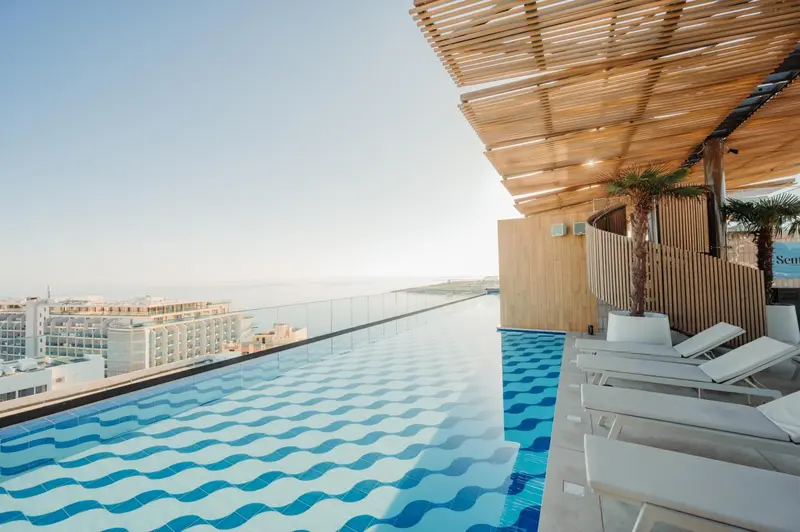
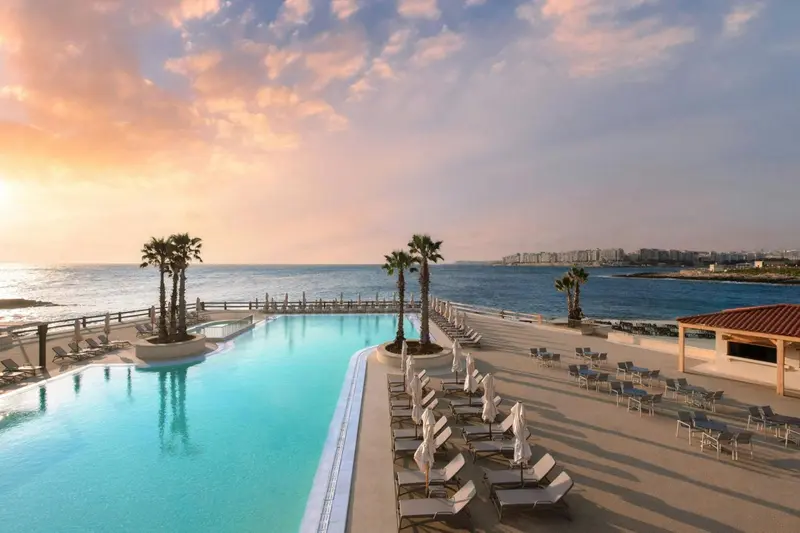
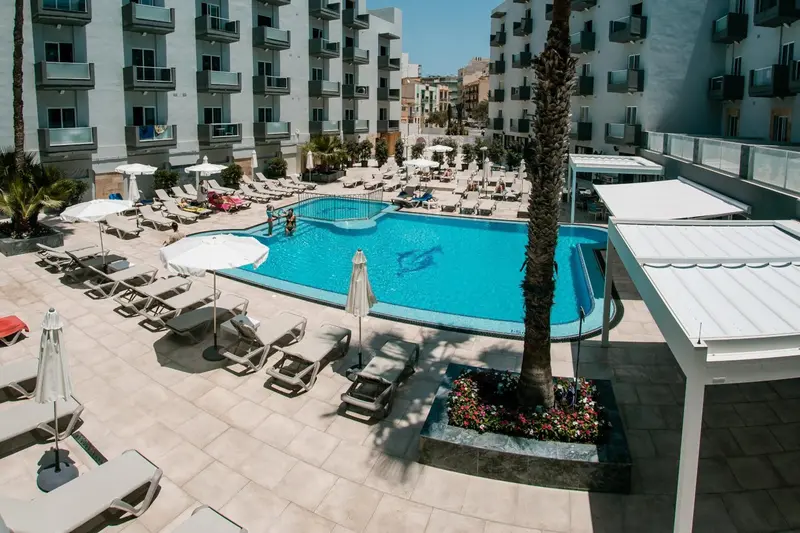
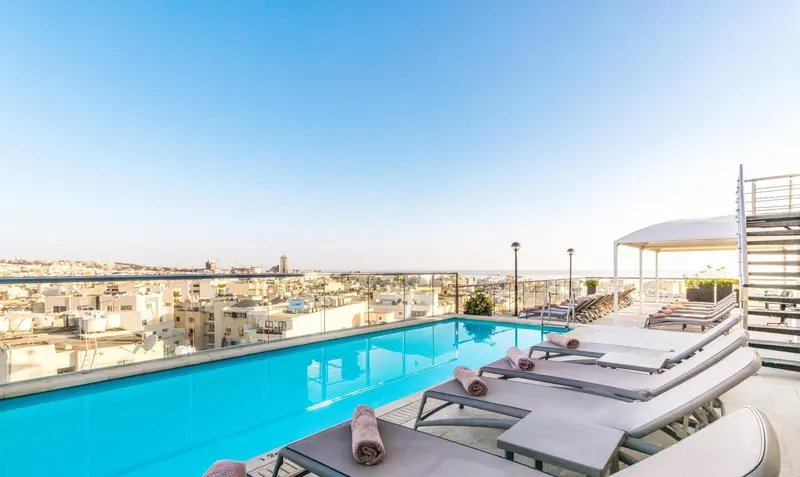
In each one, the dive centre is inside the hotel: step out of your room and go diving.
Dive centre in the hotel★★★★
Google 4.4/5 (5,146 reviews)
The dive centre
Orangeshark Diving Centres
PADI
Google 4.9/5 (208 reviews)
Dives: Um El Faroud, Santa Maria Caves, Blue Hole
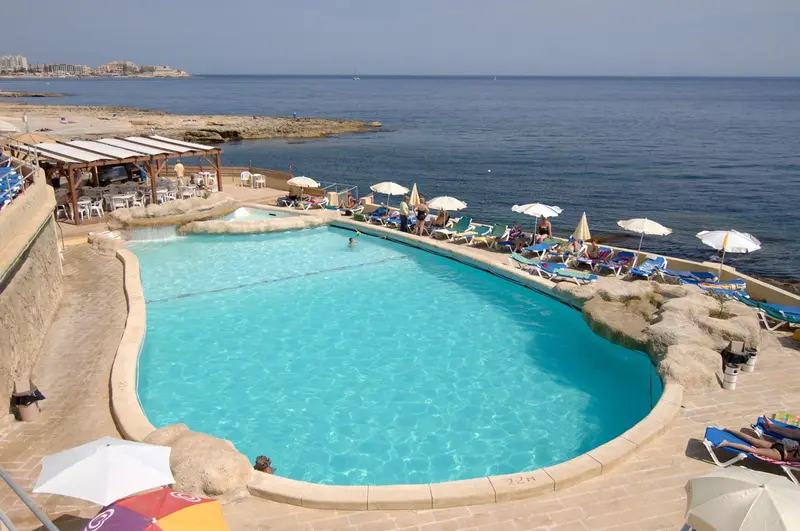 Dive centre in the hotel
★★★★
Google 4.1/5 (2,607 reviews)
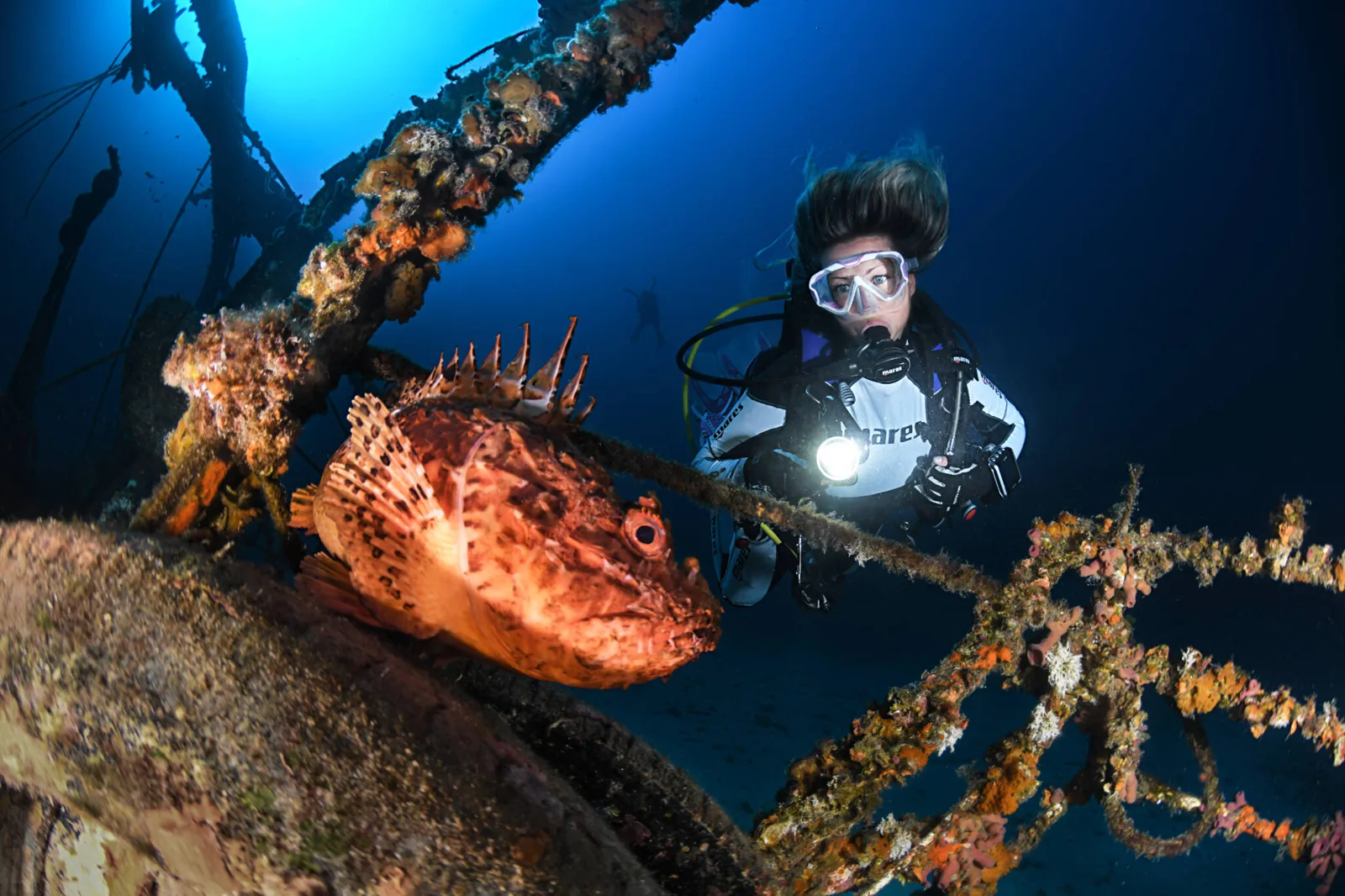
The dive centre
MALTA BLUE DIVING
SSI · PADI
Google 4.9/5 (593 reviews)
Dives: MV Rozi Wreck, P29 Wreck, Cirkewwa Arch
Your last day stays dry: no diving in the 18-24 hours before a flight, the perfect window to see the destination from another angle.
 Culture
⏱ 1 h · ★ 4.7 (179 reviews)
from £17$22€20
see on Viator ↗
 Culture
⏱ 1 h · ★ 3.8 (64 reviews)
from £6$8€8
see on Viator ↗

⏱ 4 h · ★ 5.0 (5 reviews)
from £347$465€415
see on Viator ↗
 Adventure
⏱ 3 h · ★ 4.8 (100 reviews)
from £63$84€75
see on Viator ↗
Ratings and reviews collected by Viator and Tripadvisor.
May to October brings the calmest sea conditions for diving from Sliema. May, June, September and October are particularly comfortable, while rainfall is lowest from June to September. The shoulder months offer a longer calm-water window with less summer tourist pressure. January and February can complicate boat plans with unsettled conditions.
Sliema suits different experience levels because the programme ranges from shallow reefs and arch diving to deeper wrecks and exposed walls. Open Water divers can consider TUG2 and Cirkewwa Right Arch, depending on conditions. Deeper profiles need advanced certification, Um El Faroud requires wreck training, and the deepest Inland Sea Gozo sections require appropriate technical training and experience.
Diving from Sliema can include the sheltered TUG2 wreck, Cirkewwa Right Arch, the Um El Faroud tanker at 36 metres and Inland Sea Gozo, where walls reach 55 metres. Look for barracuda, groupers, amberjack, moray eels, octopus, scorpionfish, nudibranchs, damselfish and the northern stargazer around reefs and wreck structure.
Plan a four- to six-day stay in Sliema with several boat outings and a spare half-day for rougher sea or weather. Stay near the waterfront to simplify early departures and surface transfers. Treat Sliema as an urban base, arrange suitable trips for deeper wrecks, and leave room to visit La Valette or St Julian’s.