

Atlantis Diving Center
Google 4.9/5 (694 reviews)
Malta · Mediterranean
Blue-water tunnels, cathedral-like caverns, upright ferry wrecks and walls dropping beyond 60 metres shape Gozo’s practical, shore-diving appeal.
For subtitles in English: start the video firstthen click the gearat the top right of the video, select “Subtitles/CC”, then “Auto-translate” and choose “English”.
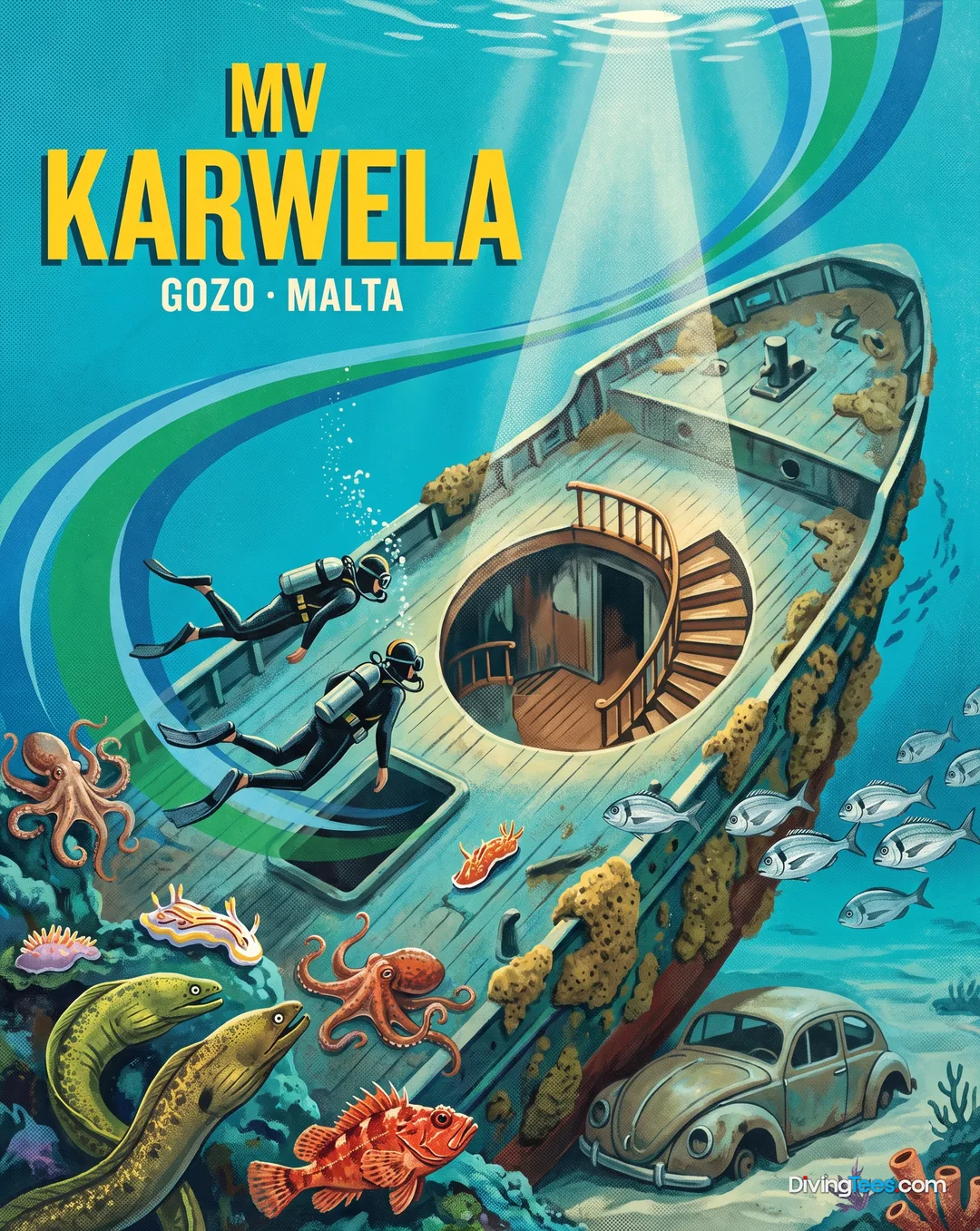
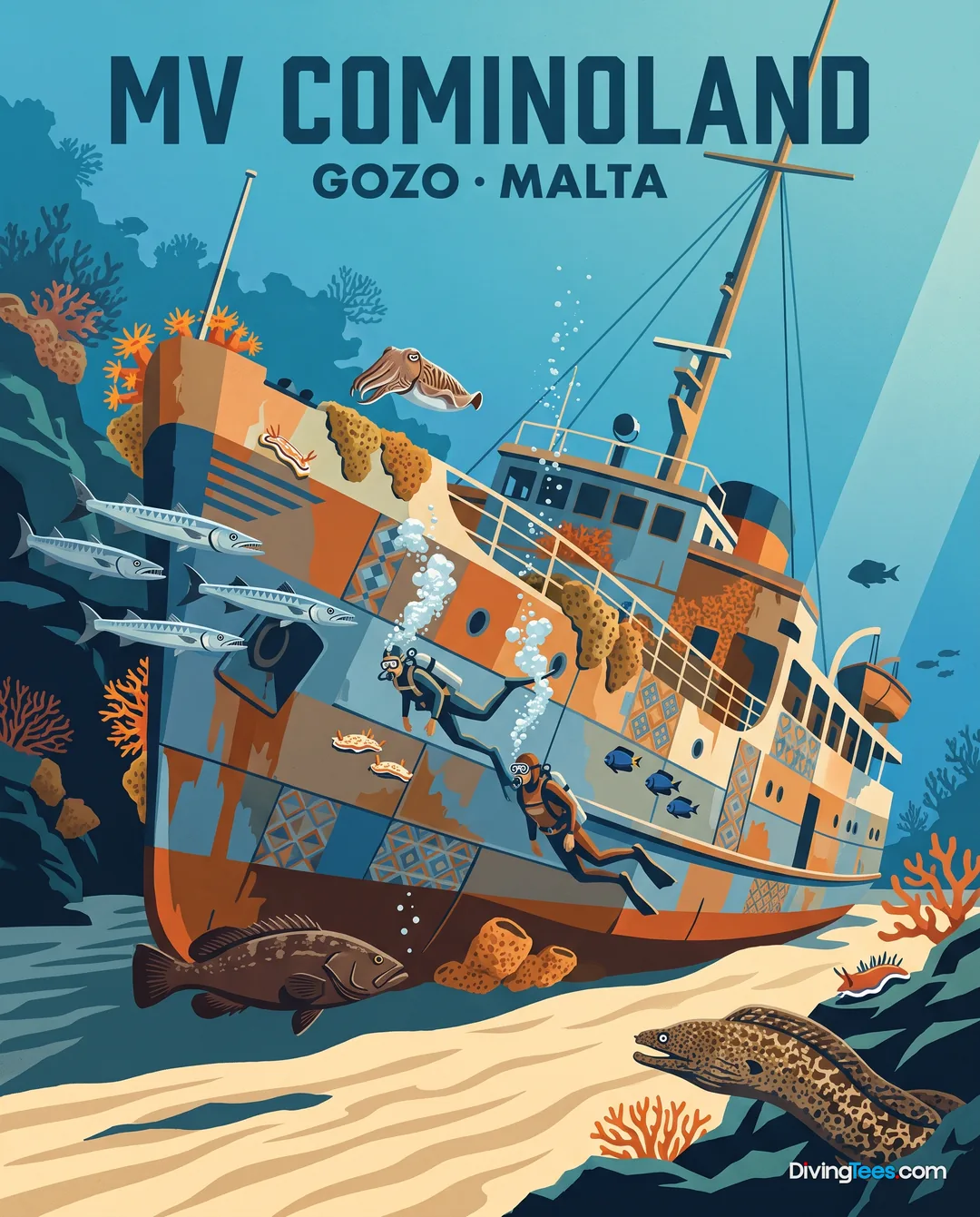
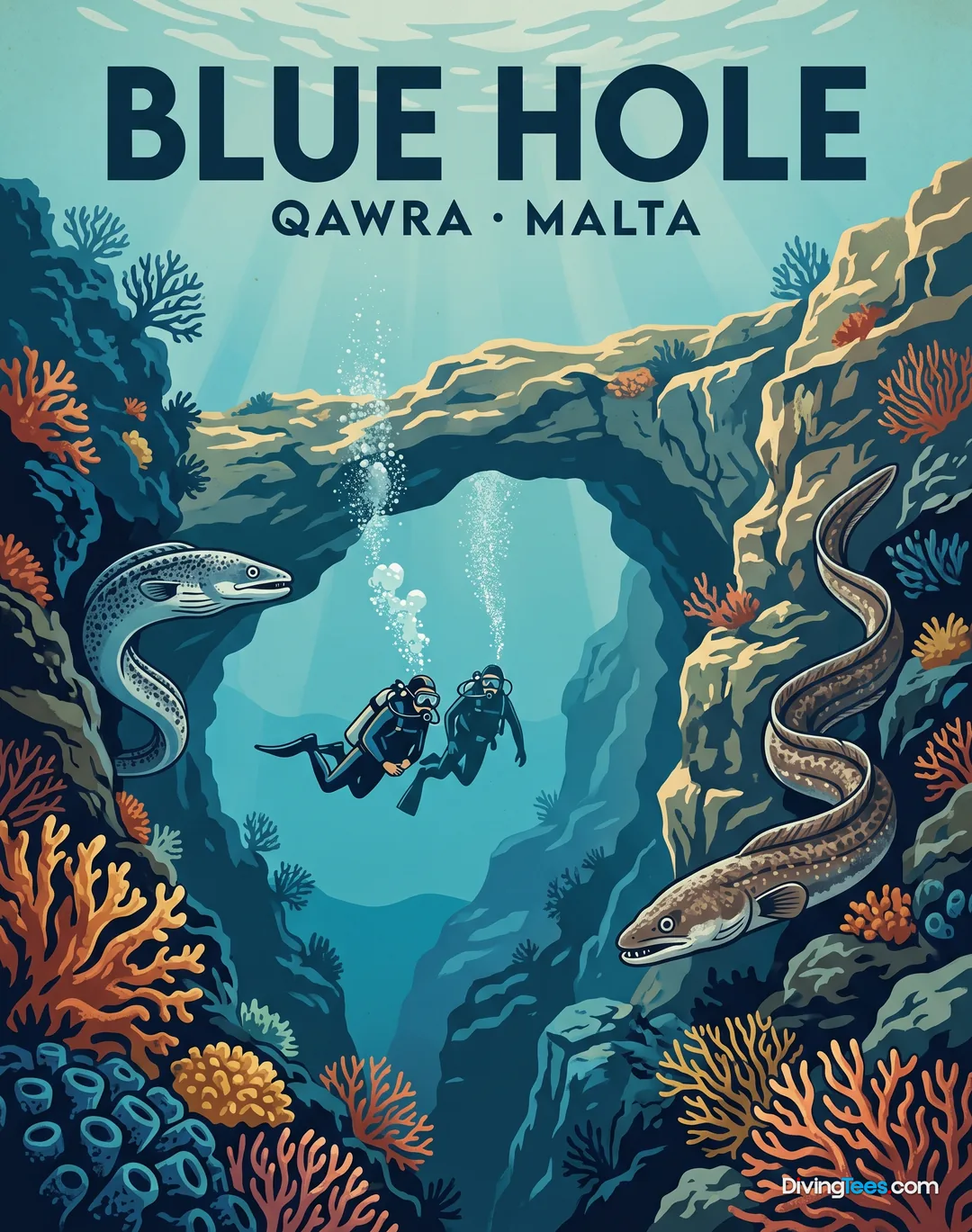
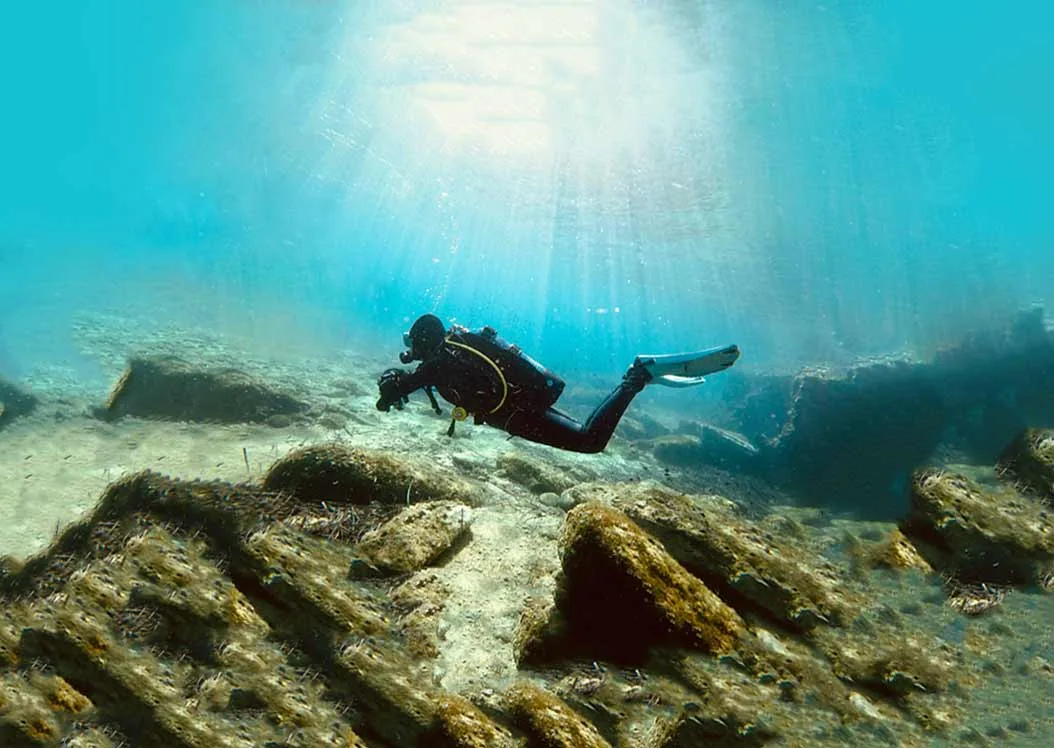
Gozo is a small island built for a stay-based dive holiday rather than a liveaboard. Its character lies in getting into the water from the shore, then moving through arches, tunnels, caverns and wrecks without lengthy daily transfers. Cathedral Cave suits a measured introductory exploration, while the MV Karwela, the MV Cominoland and the MV Xlendi give experienced divers deeper wreck profiles. Between dives, the island offers enough towns, coastline and cultural interest for a companion who does not dive.
The diving moves between sheltered bays, exposed northern sites, blue-water arches and overhead environments. Mgarr ix-Xini is a calm shore entry with a gently sloping reef, two caves and much of the dive shallower than 15 metres. At the other end of the scale, Reqqa Point has a chimney and walls beyond 60 metres, while Billinghurst Cave begins around 25 metres and continues into a substantial tunnel. The wrecks are serious dives: the MV Karwela reaches 42 metres, and the MV Cominoland lies around 39 metres. Currents are generally calm in sheltered places but variable across the island, so the exposed side and the day’s sea state matter. Visibility can be particularly clear: Mgarr ix-Xini is given at 20–40 metres, Reqqa Point often exceeds 30 metres, and the Inland Sea can reach 50 metres.
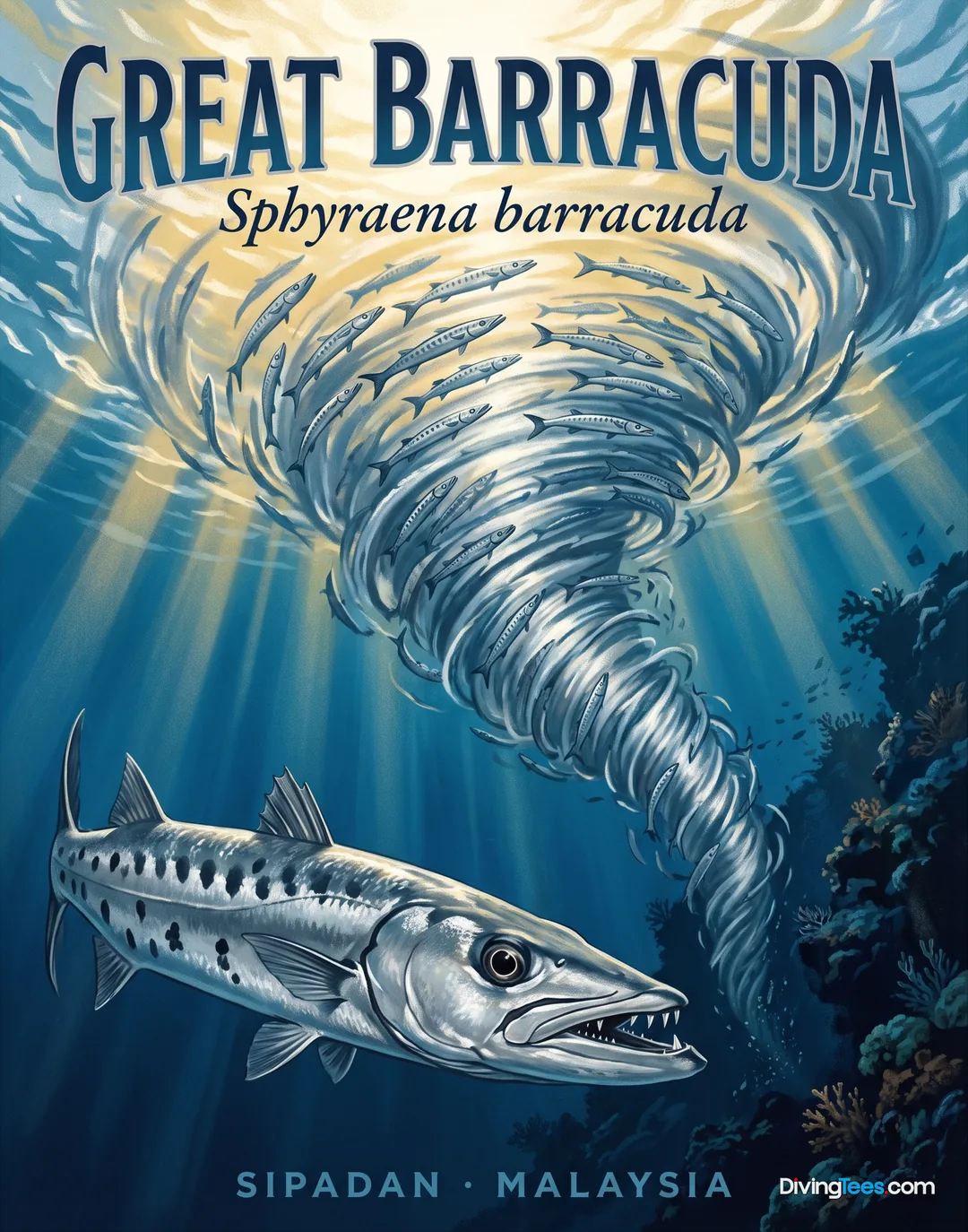
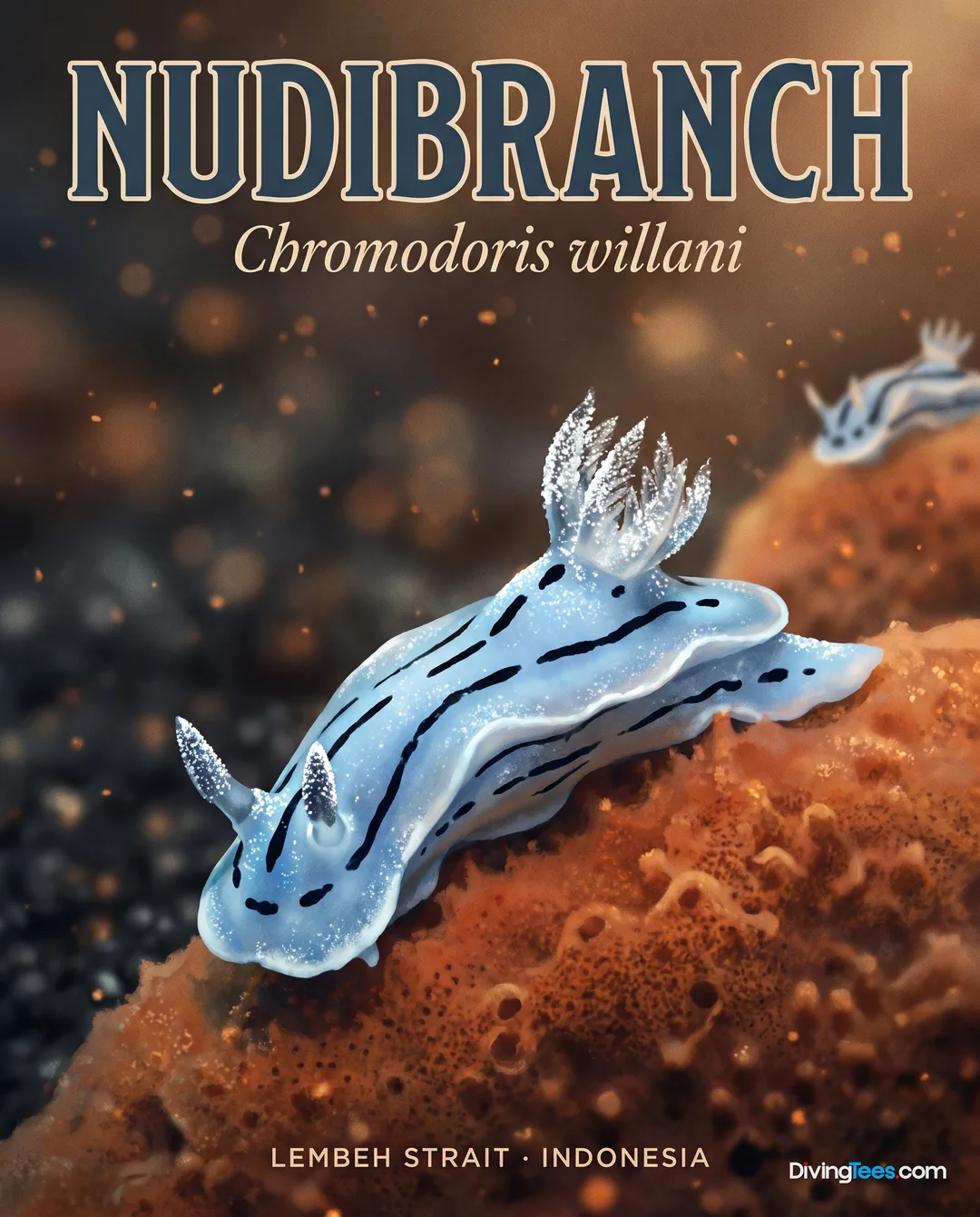
Gozo’s marine life is encountered against rock walls, wreck structure, cave entrances and sloping reefs rather than around one uniform reef system. Octopus, moray eel, cuttlefish, nudibranchs, shrimp and scorpionfish reward a slow search, particularly at places such as Mgarr ix-Xini. Sponges and starfish occupy the rock, while grouper, jack, amberjack and schools of fish add movement in open water. Great barracuda and rays are among the larger possibilities, with lobster also appearing in suitable shelter. The wrecks provide their own habitat: the MV Karwela already supports marine life around its decks and internal spaces, while the newer MT Hephaestus is beginning to be colonised. The calmer May-to-October period is the most dependable window for getting out to the island’s exposed sites.
May to October is the clearest practical choice because the sea is measured as calmest during this period, while rainfall is generally lowest from March to October. That combination makes shore entries, boat plans and repeated diving easier to organise, especially at exposed northern locations such as Reqqa Point and Billinghurst Cave. Peak holiday periods can make the famous shore sites busier, so shoulder periods are more comfortable for parking, kit preparation and boat logistics. Gozo is still a weather-dependent island: a sheltered bay may remain workable when an exposed site does not, which is why a flexible plan is more useful than fixing every dive several weeks ahead.
Gozo works for all levels, provided the site is matched honestly to the diver. Open Water divers can enjoy Mgarr ix-Xini, Cathedral Cave and the Inland Sea with suitable briefing and conditions. Advanced Open Water training becomes useful for deeper profiles such as Reqqa Point and the main wrecks. Wreck experience is important for the MV Karwela, MV Cominoland and MV Xlendi, while genuine cave or technical overhead training is needed for places such as Billinghurst Cave. Nitrox is useful during several consecutive local dives.
From London Heathrow, London Gatwick or Manchester, the journey starts with a flight to Malta. Gozo then requires the road transfer north across Malta to Cirkewwa, followed by the ferry to Mġarr Harbour. The crossing is short and regular, but it is not optional: ferry timing is the fixed link in the journey, and a delay can disrupt the first or last diving day. Allow for luggage and dive kit when planning the road connection, then continue from Mġarr by rental car, taxi or a dive-centre shuttle. Once on Gozo, the island’s small scale keeps transfers between accommodation, centres and shore sites relatively short. Staying near the coast or a centre cluster reduces the daily burden of moving cylinders and equipment.
Treat the ferry as part of the dive plan, not as a minor transfer. Build enough margin around the crossing that a late road connection does not turn into a missed diving day, and keep a buffer day for a boat option or a change from an exposed site to a sheltered one. Gozo rewards divers who are comfortable with shore entries, so footwear and exposure protection that suit rocky access matter more here than packing for a purely boat-based trip. Bring the small personal items and speciality sizes that are difficult to replace on an island. Do not drift into the overhead sections of Billinghurst Cave, Coral Cave or the wrecks without the relevant training and briefing; an arch or air pocket is not automatically a cave dive for every qualification. Nitrox makes sense on a run of local dives, while a coast-side base avoids repeating unnecessary transfers. Expect site choice to follow wind and sea conditions rather than a fixed itinerary.
Five to seven days gives Gozo enough time to absorb the ferry-linked arrival, repeat shore dives and leave room for a weather-related change of plan. A typical stay can mix sheltered dives such as Mgarr ix-Xini with caverns, arches and deeper wrecks, without turning every day into a long transfer. Keep one day flexible, particularly if boat diving matters. Non-divers have towns, coastal walks and shoreline geology to explore; Malta-side sightseeing is possible, though the ferry adds transport time.
Hello, I'm Marina, DivingDeal.com's AI assistant. I guide you through destinations, areas and countries.
Thinking about the whole trip and the flights? Talk it over with Edith →
Marina is an AI. Some links are affiliate links: DivingDeal may earn a commission, at no extra cost to you. Bookings are made with the partner.
Your last day stays dry: no diving in the 18-24 hours before a flight, the perfect window to see the destination from another angle.
 Culture
⏱ 3 h · ★ 5.0 (21 reviews)
from £75$101€90
see on Viator ↗
 Culture
⏱ 8 h · ★ 5.0 (10 reviews)
from £185$247€221
see on Viator ↗
 Adventure
⏱ 5 h · ★ 5.0 (32 reviews)
from £52$70€62
see on Viator ↗
 Nature
⏱ 7 h · ★ 4.9 (180 reviews)
from £138$185€165
see on Viator ↗
Ratings and reviews collected by Viator and Tripadvisor.
May to October offers the calmest sea conditions and generally lower rainfall, making shore entries, boat plans and repeated dives easier to organise. Exposed northern sites depend on the day’s sea state, so flexible scheduling helps. Shoulder periods can feel more comfortable when famous shore sites, parking and kit preparation are busier.
Gozo suits different experience levels when you match the site honestly to your training. Open Water divers can enjoy Mgarr ix-Xini, Cathedral Cave and the Inland Sea with suitable briefing and conditions. Deeper profiles need more experience, wrecks require appropriate wreck skills, and genuine cave or technical overhead training is needed for Billinghurst Cave.
Gozo combines blue-water arches, tunnels, caverns, walls, sloping reefs and wrecks. You may encounter octopus, moray eel, cuttlefish, nudibranchs, shrimp and scorpionfish, alongside sponges, starfish and schools of fish. Great barracuda, rays and lobster are also possible, while wrecks such as the MV Karwela provide habitat around decks and internal spaces.
Plan Gozo as a stay-based shore-diving holiday, allowing time for the Malta road transfer, ferry crossing and onward journey to your accommodation. Stay near the coast or a dive-centre cluster, keep plans flexible for wind and sea conditions, and retain a buffer day. A longer stay supports sheltered dives, caverns, wrecks and non-diving activities.