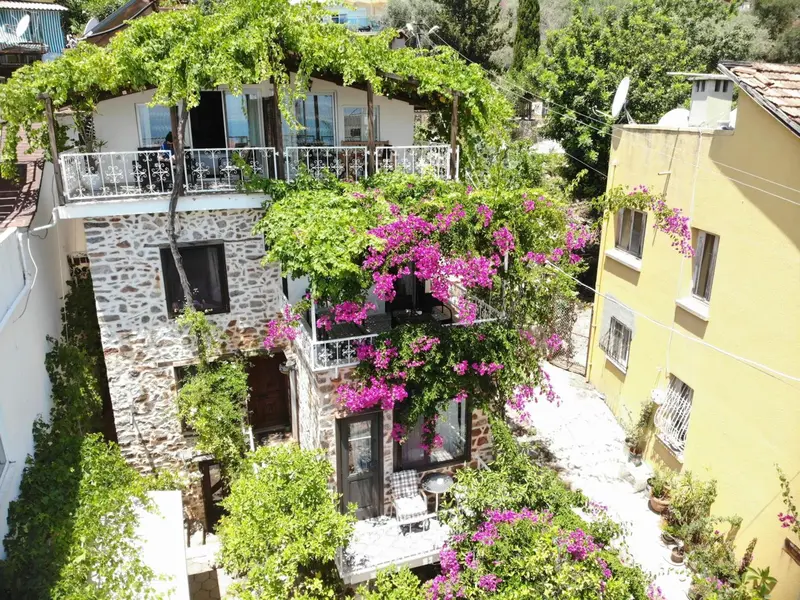
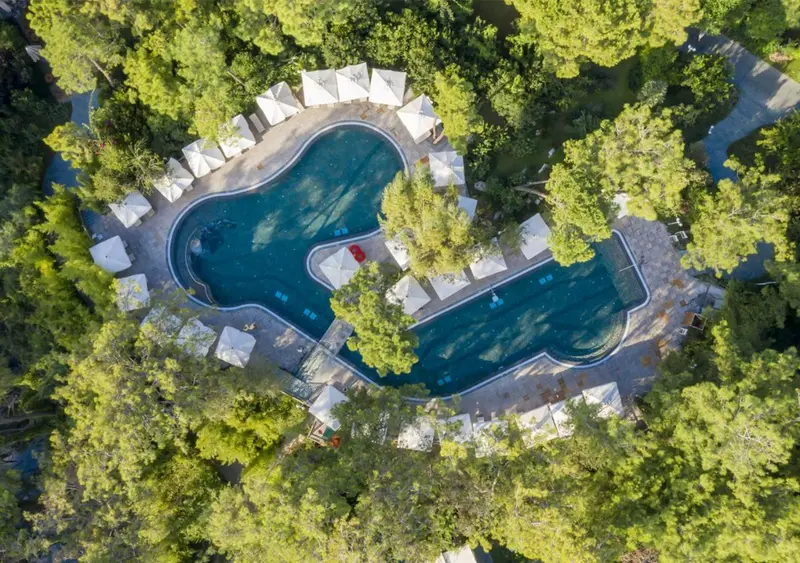
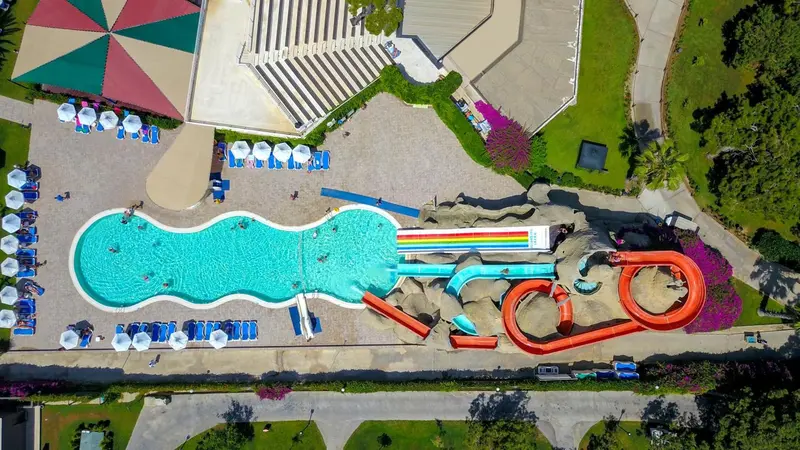
 Dive centre in the hotel
Turquoise Hotel
★★★★★
Google 4.5/5 (2,317 reviews)
The dive centre
Side Azura Dive Center
PADI
Google 4.7/5 (128 reviews)
Dives: Side | Underwater Museum, BEACH, HOUSE REEF (Turtle Reef)
Türkiye · Mediterranean
Castle cliffs, Phosphorus Cave, military wrecks and Mediterranean octopus shape Alanya’s boat-diving appeal from a lively harbour base on short local runs.
For subtitles in English: start the video firstthen click the gearat the top right of the video, select “Subtitles/CC”, then “Auto-translate” and choose “English”.
Castle cliffs, rocky shelves and dark cave entrances give Alanya its underwater character. The harbour is the working centre of a straightforward, shore-based diving holiday, with short boat trips and the possibility of several dives in a day. Close sites suit beginners and first experiences, while caverns, walls and military wrecks offer more substance for qualified divers. Above water, the castle, old town, beaches and coastal excursions make this a sensible choice for couples or families who want diving without committing to a liveaboard.
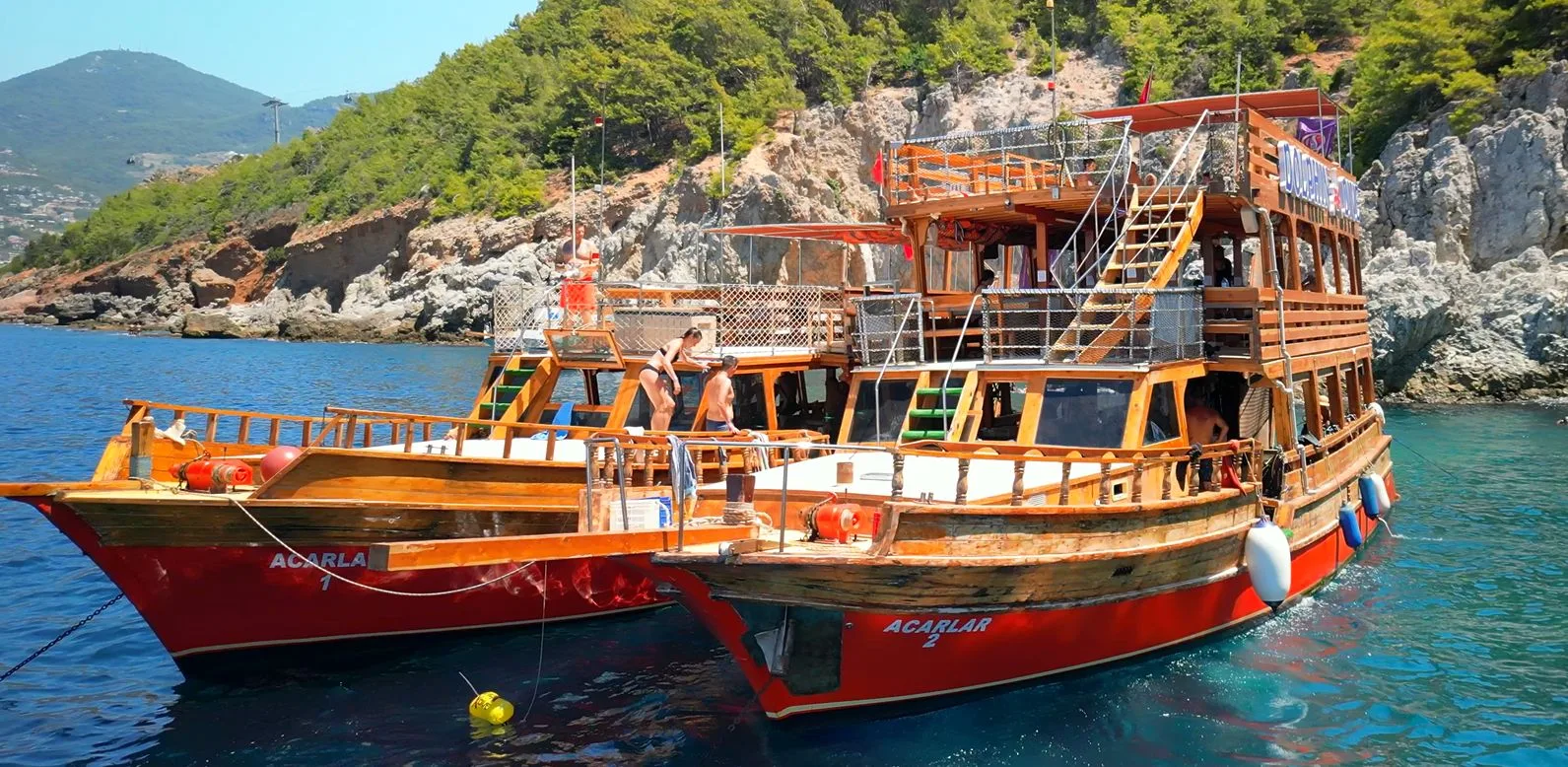
Most dives leave the harbour and reach the cliffs and reefs around the Alanya peninsula after a short boat journey. Underwater, expect rocky walls, shelves, recesses, tunnels and caverns rather than tropical coral. Pirate Cave, Lovers Cave, Middle Cave and Phosphorus Cave bring the drama of entering shadowed rock, while Rambo and other cavernous sections reward a careful look with a torch. Artificial and military wrecks add a deeper, more technical side to the area. Current is variable, so conditions can range from an easy look around sheltered rock to a moving dive where a controlled drift becomes part of the plan. Visibility is commonly around 10 to 30 metres after calm weather, but wind, swell and runoff can reduce it quickly. Morning departures are usually the shrewder choice, before the wind has had time to build.
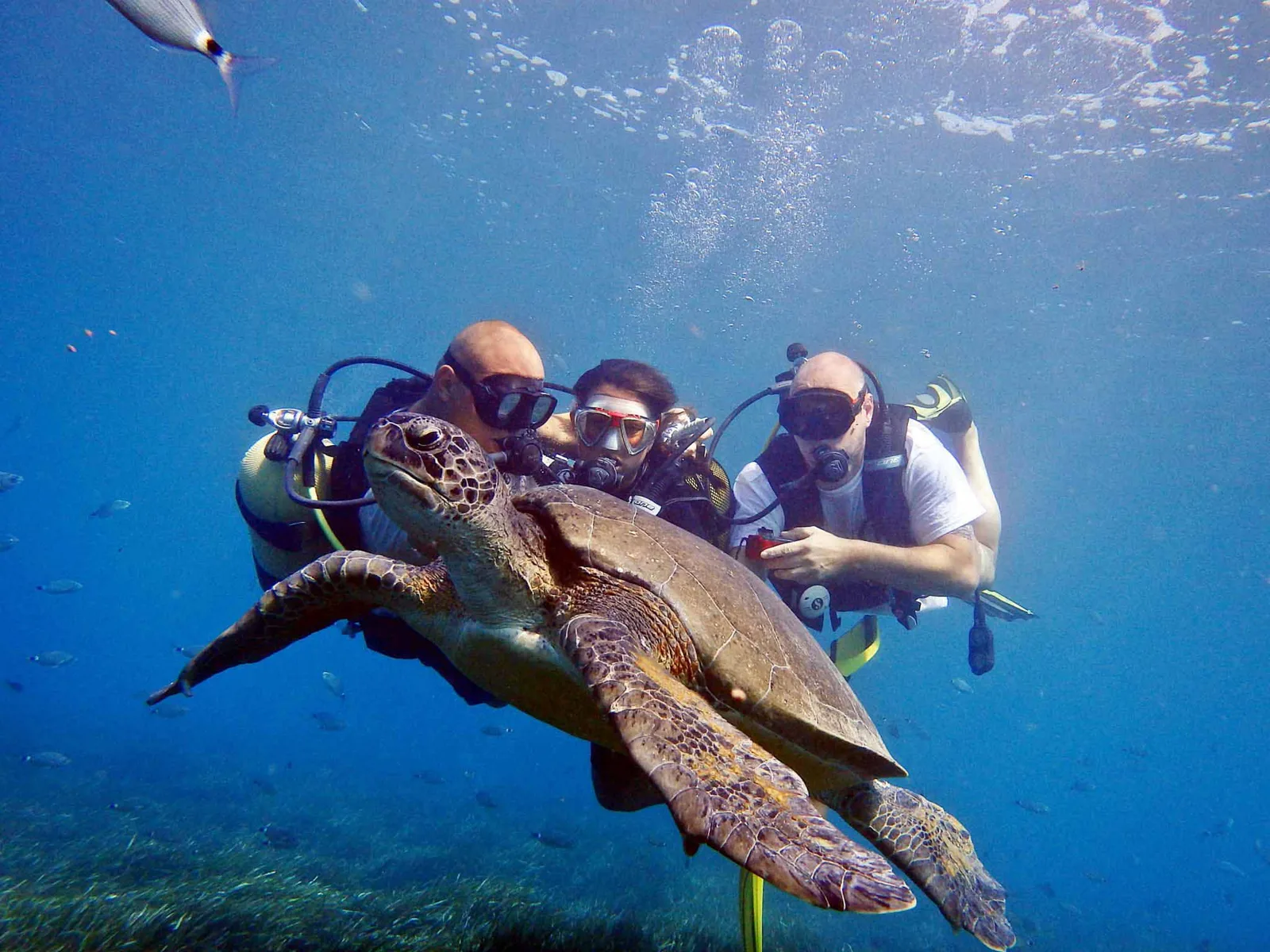
The wildlife is Mediterranean and is found by looking into the rock, not by waiting for a parade of large animals. Groupers, moray eels and octopus are regular possibilities from spring through autumn, often tucked into cracks beneath the cliffs or around wreck structure. Nudibranchs and small fish reward a slow scan of the reef. Stingrays, eagle rays and sea turtles are occasional visitors between May and October, so they are welcome surprises rather than reliable appointments. A Mediterranean monk seal is a rare possibility in the caves, not a reason to build an itinerary around one encounter. Calm water and good visibility from June to October make it easier to spot movement in crevices and along the rocky bottom.
The practical season runs from about April or May into October or November. May, June, September and October offer the most comfortable balance between workable sea conditions and less pressure on the town and boats. High summer usually brings the warmest, calmest water, but the middle of the day is busier. June to October generally gives the clearest water after several settled days. Winter is a less dependable proposition, with more disturbed seas and cancelled outings. A five-millimetre wetsuit is the versatile choice for the main season, while a lighter suit may be enough in high summer for divers who do not feel the cold.
Alanya works for all levels, provided the planned site matches the diver rather than the holiday brochure. Shallow sites near the harbour can suit beginners, try-dives and early qualification work. Advanced Open Water is useful for the deeper walls and wrecks, and a Wreck specialty is sensible if penetration is proposed. A cave entrance lit from outside is not automatically suitable for entering, so cavern dives should stay within the guide’s stated limits unless the diver has the relevant training and experience.
From London Heathrow, Gatwick or Manchester, reach Antalya by a seasonal direct flight where available, or allow for a connection, potentially through Istanbul. The air routes change with the season and departure airport, so the journey needs checking before the rest of the trip is fixed. From Antalya, continue by road to Alanya. Intercity road links also connect Alanya with Turkey’s main cities. Once in town, accommodation around the centre, harbour or castle may be walkable from the departure point. Elsewhere, arrange the dive centre’s transfer, use a taxi or rely on urban transport. The dives themselves normally depart from Alanya harbour or marina, not from the beach.
Ask for the actual site plan before booking a day. In Alanya, a cavern trip, a wall dive and a deeper military wreck can sit under the same broad description but demand quite different equipment and experience. Put priority wreck dives early in the stay, leaving a later day as a fallback if wind or swell closes the plan. Take the first boat when visibility matters, and keep a day free towards the end rather than scheduling the flight immediately after the most demanding diving. Bring a torch for Phosphorus Cave, Pirate Cave, Lovers Cave and the smaller recesses, as it may not be part of standard hire equipment. Confirm the wreck depth, current and whether any penetration is intended. Never enter a tunnel simply because daylight is visible at the far end. Finally, do not book on beach proximity alone: the characteristic dives leave from the harbour.
Allow five to seven days, which gives room for several local boat days, a non-diving day and a weather buffer. Staying near the centre, harbour or castle simplifies early starts; farther-out accommodation may need a pre-arranged transfer. Centres generally return to base between dives, making two-dive days and, where conditions allow, fuller multi-dive days possible. Non-divers have beaches, the castle and old town, Damlataş Cave, coastal boat trips and inland cultural excursions to fill the gaps.
Hello, I'm Marina, DivingDeal.com's AI assistant. I guide you through destinations, areas and countries.
Thinking about the whole trip and the flights? Talk it over with Edith →
Marina is an AI. Some links are affiliate links: DivingDeal may earn a commission, at no extra cost to you. Bookings are made with the partner.
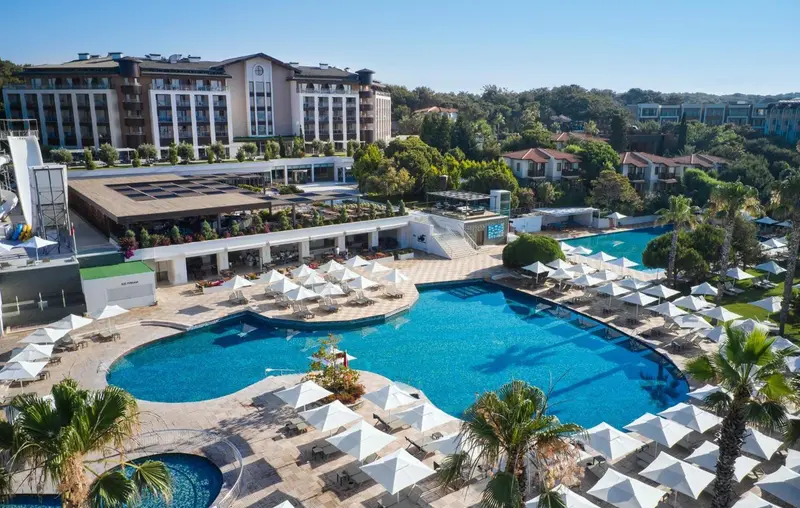
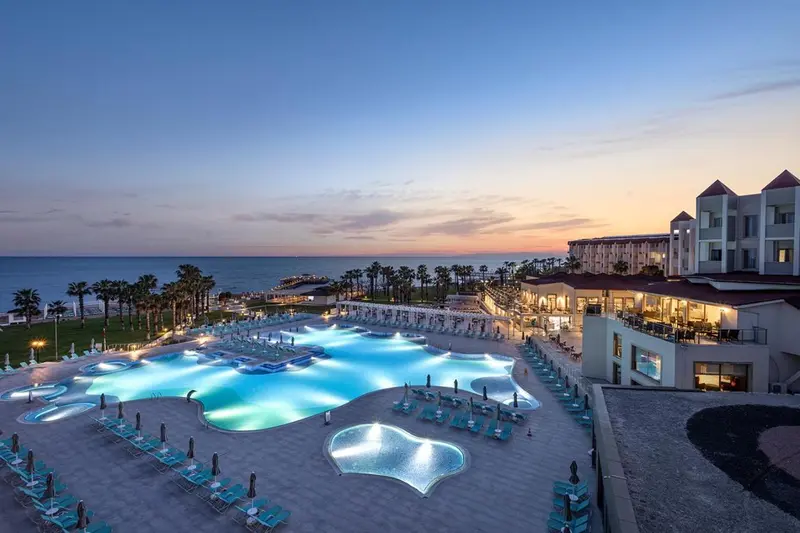
In each one, the dive centre is inside the hotel: step out of your room and go diving.
Dive centre in the hotel★★★★★
Google 4.5/5 (2,317 reviews)
The dive centre
Side Azura Dive Center
PADI
Google 4.7/5 (128 reviews)
Dives: Side | Underwater Museum, BEACH, HOUSE REEF (Turtle Reef)
Alanya’s practical diving season runs from spring into autumn. May, June, September and October balance workable sea conditions with less pressure on the town and boats. High summer brings warm, calm water but busier middle days. June through October often offers clearer water after settled weather, while winter outings are less dependable.
Alanya has shallow harbour-area sites for beginners, try-dives and early qualification work. Deeper walls and military wrecks suit qualified divers, with Advanced Open Water useful for those sites. A Wreck specialty is sensible if penetration is planned. Cavern dives require careful attention to guide limits and appropriate training and experience.
Alanya offers rocky walls, shelves, recesses, tunnels and caverns rather than tropical coral. Phosphorus, Pirate, Lovers and Middle Cave provide shadowed rock scenery, while military wrecks add deeper exploration. Look into crevices and wreck structure for groupers, moray eels, octopus, nudibranchs and small fish, with occasional rays or turtles.
Stay near the centre, harbour or castle to simplify early departures, or arrange transport from farther away. Plan several local boat days, a non-diving day and weather flexibility. Ask for the exact site plan, confirm wreck depth, current and penetration, and keep demanding dives away from your flight day. Bring a torch for cave dives.