
Divefan Club
Google 5/5 (223 reviews)
Türkiye · Mediterranean
Rocky island slopes, occasional descents to 30 metres and plankton-softened visibility put Istanbul’s Princes’ Islands firmly in temperate, urban-edge diving.
For subtitles in English: start the video firstthen click the gearat the top right of the video, select “Subtitles/CC”, then “Auto-translate” and choose “English”.
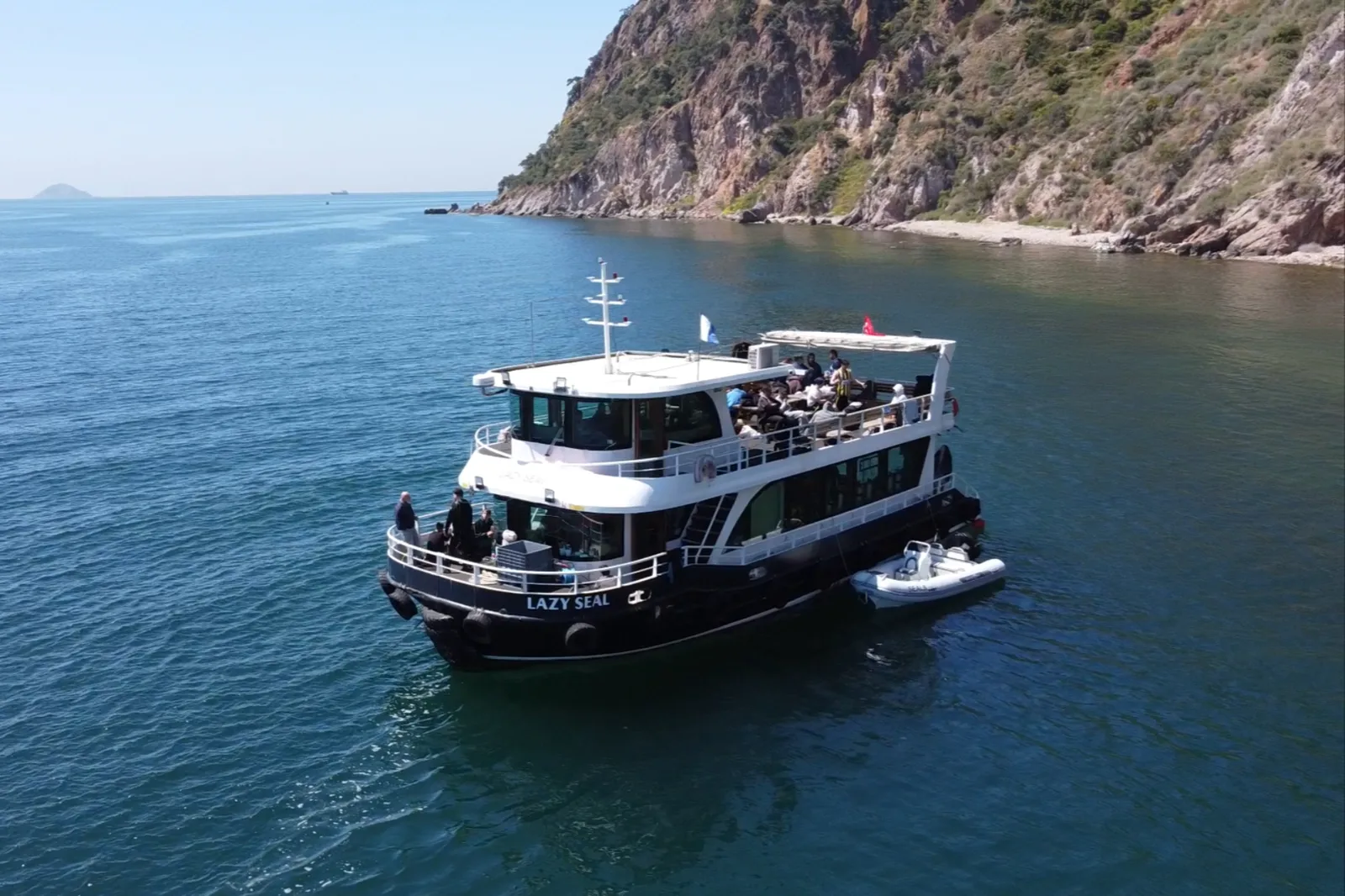
The dive day starts in Istanbul and ends around the Princes’ Islands, where boats reach rocky seabeds and gently sloping ground within recreational depths. This is temperate diving beside a vast historic city, not a coral-reef holiday. The appeal lies in descending from a busy urban waterfront into Marmara landscapes shaped by rock, suspended matter and occasional wreck or historical interest. Two full days in the water can sit comfortably alongside Istanbul’s museums, markets and island walks.
Around the Princes’ Islands, expect rocky bottoms, sloping ground and profiles commonly reaching about 30 metres. The scenery is structural rather than reef-like, with the shape of the seabed doing most of the visual work. Currents are variable, usually manageable, but local flow is assessed by the guide rather than assumed away. Visibility can shrink to a few metres when suspended particles and plankton fill the water, and wider Marmara environmental conditions can make it less predictable still. Most outings are boat-based day trips from Istanbul, often with repetitive diving around the islands. Wrecks and historical sites add interest in the wider area, although some are closed or tightly managed. Turkish rules keep sport profiles conservative: no planned decompression, no routine night diving without permission, and no lifting balloons.
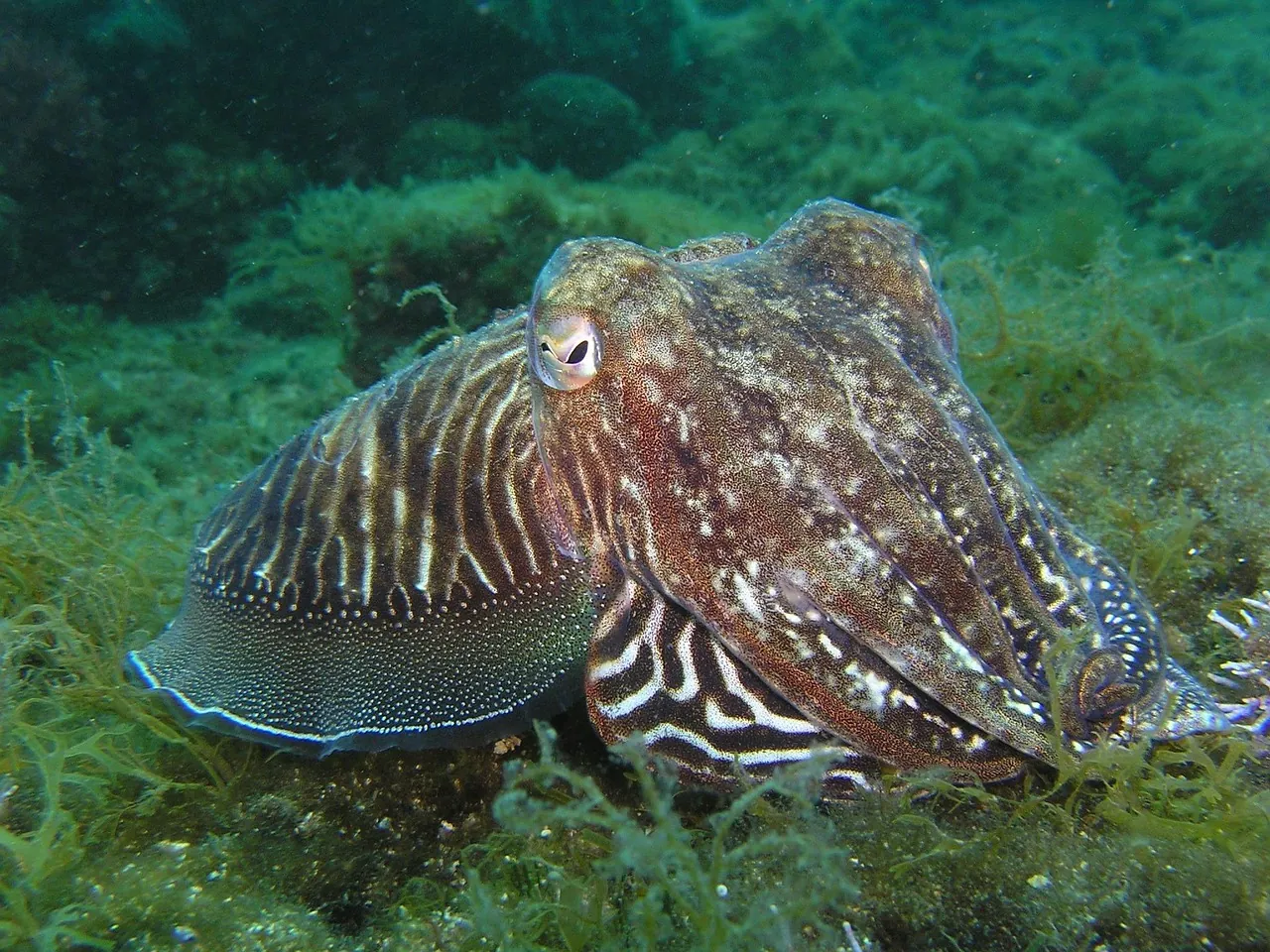
Life underwater is part of the local Marmara setting, but it is not a destination built around a named cast of seasonal animals. Around the rock, the encounters are with local fauna and the habitat itself, often viewed at short range because suspended matter limits the horizontal view. Plankton in the water column can soften the light and change the character of a dive from one day to the next. Mucilage events and continuing ecological recovery also mean that the appearance of a site can vary across the protected area. Come for rocky contours, small-scale observation and the experience of diving in the Marmara, rather than expecting a predictable seasonal wildlife spectacle or colourful tropical reef.
June, July, August and September are the sensible months for diving around Istanbul. Summer and early autumn generally bring calmer seas and more comfortable conditions for boat trips to the Princes’ Islands, while January and February bring colder water, more storms and greyer weather that can disrupt departures. Late spring to early autumn is also when the islands fill with Istanbul day-trippers, especially at weekends and on public holidays. Weekdays give the boat journey and island waterfronts a more manageable rhythm. Winter operations are more limited, so it is a poor period on which to base a short diving holiday.
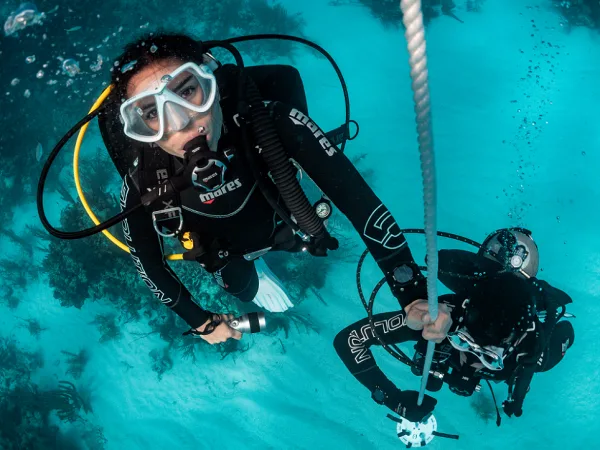
Certified divers of all levels can find suitable dives around the islands, provided the profile matches the site and the guide’s assessment. Advanced Open Water is useful for dives approaching the local 30-metre sport limit, while a Deep speciality suits plans close to that ceiling. Experience with limited visibility, close buddy work and changing local flow will make the day easier. BSAC, PADI and SSI divers should expect conservative supervision, a two-person team and no planned decompression diving.
From London Heathrow, London Gatwick or Manchester, make your way to Istanbul, then allow for a cross-city transfer to the waterfront. Most organised dive boats leave from marinas and meeting points on the Asian side, so staying on the European side means an early journey by taxi or public transport before departure. Scheduled passenger ferries and dive boats serve the Princes’ Islands from Istanbul’s mainland piers, with crossings to the main islands typically taking under an hour. Once in the city, walking, public transport and taxis cover the practical connections between accommodation, piers and dive-boat meeting points. Build in spare time for the transfer, particularly on busy summer mornings.
Base yourself near the Asian-side marinas if the diving matters most, as this removes the cross-city transfer before an early boat. If you stay elsewhere, do not treat the journey as a casual connection, particularly at weekends and on public holidays when ferries and island traffic are busiest. Ask in advance whether the planned area falls within the Marmara protection zone or near Tavşan Island, and which sites are affected by environmental or archaeological restrictions. Sedef and Kaşık, for example, can have closures linked to wreck protection or private ownership. Bring your own DSMB, maintain disciplined buddy procedures and keep every profile inside the 30-metre limit, with no planned decompression. Do not expect to improvise from a sightseeing boat or make an unguided shore arrangement. Discuss recent visibility and mucilage with the crew, since local knowledge may determine which island offers the clearest water that day.
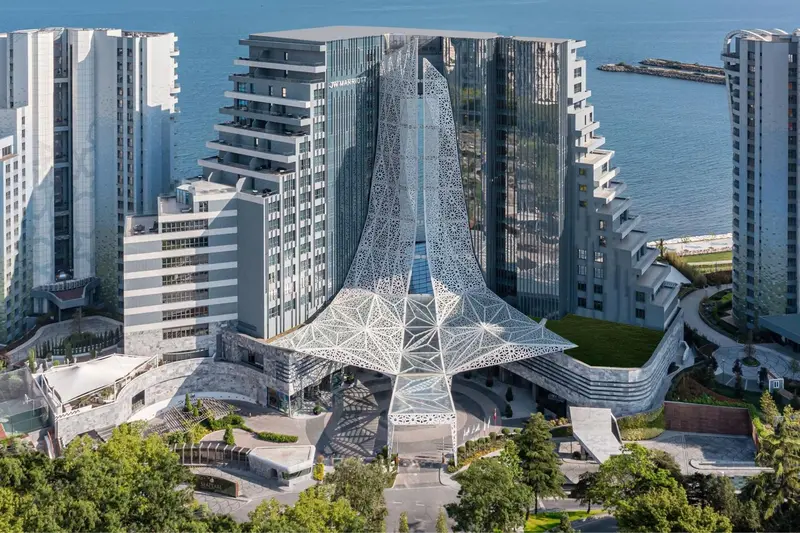
Allow three to five days, with a couple of full dive days and time for Istanbul itself. City-based centres run day boats and short programmes to the Princes’ Islands, rather than a liveaboard-style stay. Central accommodation keeps museums, historic districts and ferry connections within reach, while the Asian side is more convenient for early departures. Non-divers can spend the same days walking the islands, cycling, swimming at designated beaches or taking a Bosphorus and Marmara boat trip.
Hello, I'm Marina, DivingDeal.com's AI assistant. I guide you through destinations, areas and countries.
Thinking about the whole trip and the flights? Talk it over with Edith →
Marina is an AI. Some links are affiliate links: DivingDeal may earn a commission, at no extra cost to you. Bookings are made with the partner.
Diving around Istanbul is most practical from June through September, when seas are generally calmer and boat trips more comfortable. January and February bring colder water, storms and greyer weather that can disrupt departures. Weekdays can make busy summer island waterfronts and boat journeys easier, especially outside public holidays.
Certified divers of all levels can find suitable dives around Istanbul’s Princes’ Islands when their profile matches the site and guide’s assessment. Advanced Open Water is useful for dives approaching the local thirty-metre sport limit, while a Deep speciality suits plans near that ceiling. Limited-visibility experience and close buddy work help.
You will see rocky bottoms, sloping ground and structural Marmara scenery around Istanbul’s Princes’ Islands, with occasional wreck or historical interest in the wider area. Suspended plankton can reduce visibility to a few metres and soften the light. Expect local fauna and close-range observation rather than colourful tropical reefs or predictable wildlife spectacles.
Plan three to five days in Istanbul, including a couple of full dive days and time for museums, markets or island walks. Asian-side accommodation simplifies early marina departures, while central lodging keeps city sights and ferry connections accessible. Allow spare time for cross-city transfers, especially on busy summer mornings and weekends.