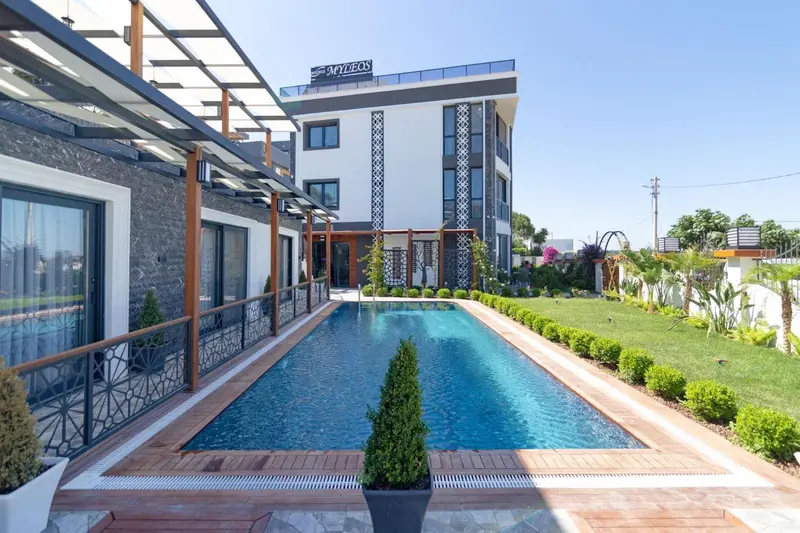
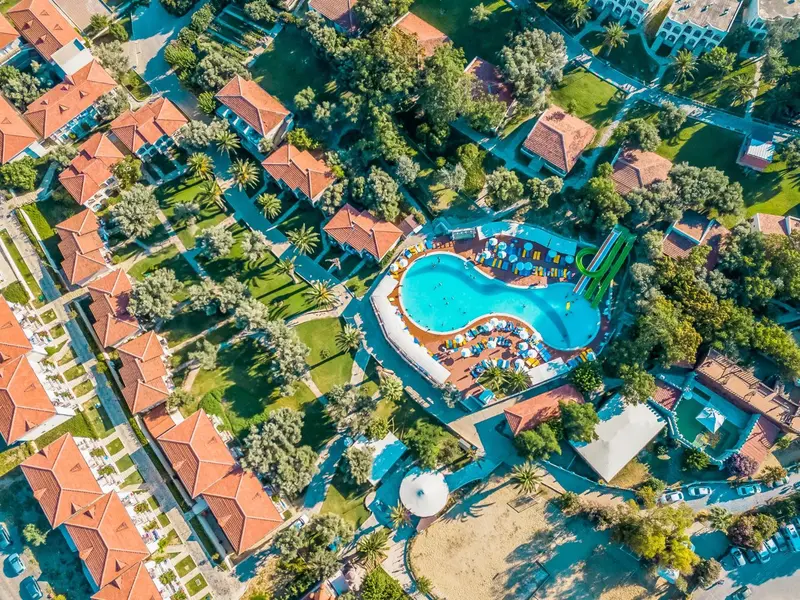
 Dive centre in the hotel
Club Resort Atlantis
★★★★★
Google 4.2/5 (6,558 reviews)
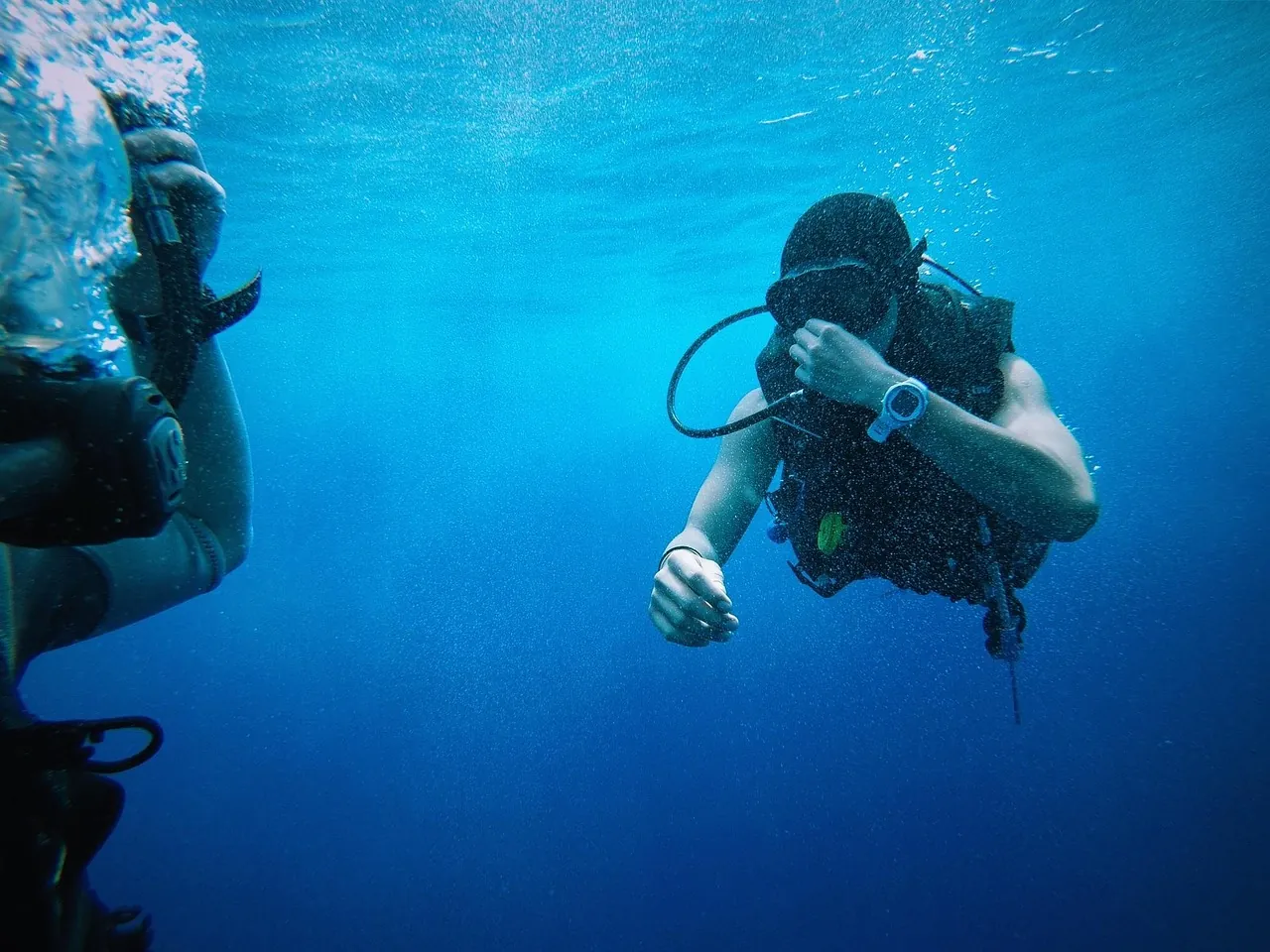
The dive centre
TEOS DIVERS
PADI · CMAS
Google 4.9/5 (60 reviews)
Türkiye · Mediterranean
Rocky drop-offs, the Kaptan Mustafa Ertuğrul wreck, moray eels and 18–30-metre dives shape a shore-and-boat holiday across Foça, Karaburun and Çeşme.
For subtitles in English: start the video firstthen click the gearat the top right of the video, select “Subtitles/CC”, then “Auto-translate” and choose “English”.
The Kaptan Mustafa Ertuğrul wreck sits among Foça’s rocky dive terrain, while Karaburun brings shore entries, boat trips and drop-offs down to the 18–30-metre range. Çeşme adds a more developed beach setting. Together, these coastal areas suit a land-based week built around several days underwater, with enough villages, beaches, harbours and historical places to keep a non-diving companion occupied. This is Turkey for divers who enjoy changing the base as much as changing the profile.
Expect a mixture of rocky relief, drop-offs, wrecks and straightforward coastal diving rather than one uniform underwater landscape. Karaburun offers both shore and boat departures, with published dives commonly reaching 18 to 30 metres. Foça and Karaburun bring named wrecks into the picture, including the Kaptan Mustafa Ertuğrul, Alaybey and 9 Eylül. Currents are variable and are generally light in more settled conditions, but wind and winter flow can alter both visibility and access. Water clarity commonly falls between 10 and 30 metres, depending on the site and the day. Most outings are conventional boat or shore dives, not liveaboard itineraries. At Karaburun, eastern and south-eastern sites are worth scheduling early, when the morning usually offers the cleaner view. Check whether a wreck trip means an external circuit or a penetration before treating it as a simple sightseeing dive.
From May to October, the rocky holes and overhangs can produce the most rewarding searching. Moray eels, groupers, spiny lobsters and octopuses are regular possibilities, with nudibranchs adding smaller, slower finds for divers prepared to look closely. A torch is useful in the crevices where these animals shelter, as well as around wreck structure. Rays and barracuda are occasional rather than dependable targets, so the appeal is the Mediterranean mix rather than a promise of one headline encounter. The same period is when the commonly listed fauna is most relevant to a diving visit. Expect the character of the dive to come from working along rock, checking cracks and relief, and noticing what is tucked into the terrain rather than simply covering distance.
May, June, September and early October offer the most sensible balance for diving around Izmir. Visibility is generally at its most useful from May through September, while the season can stretch into early October at Karaburun. July and August bring the busiest holiday atmosphere on land, so the shoulder months are preferable if you want a quieter base without giving up the main diving window. November through March is a less reliable choice: stronger winds and currents can reduce visibility and make some boat sites harder to reach. April and November may be possible, but the steadier planning choice remains late spring, early summer or September.
The destination can work for beginners, provided the centre matches the site and profile to their experience. Karaburun’s 18–30-metre range means that not every outing suits a first dive or a rusty diver. Advanced Open Water or an equivalent qualification is useful for deeper routes. For wrecks, ask about the planned depth and whether penetration is involved. A wreck speciality becomes relevant when the itinerary goes inside rather than remaining an external observation dive. Experienced divers will find enough variation between shore entries, boat sites, drop-offs and wrecks to avoid repetitive profiles.
From London Heathrow, London Gatwick or Manchester, the practical route is to fly to Izmir and continue by road to the chosen coastal sector. There is no structural ferry journey required for Foça, Karaburun or Çeşme. The important planning point is that these are separate areas, not neighbouring streets around one central dive harbour. Once in Izmir, allow for a road transfer to the base you have booked, then use a hire car or taxi if accommodation and the departure point are not in the same village or on the waterfront. A booking in Foça does not place you conveniently for Karaburun or Çeşme, so decide the diving area before arranging the onward journey.
Choose the sector before choosing the accommodation. Staying in Izmir city can leave you with an unnecessarily long road journey each diving day, whereas Foça, Karaburun or Çeşme keeps the practical link to the coast shorter. At Karaburun, put eastern and south-eastern sites early in the day, when visibility is generally better. Ask for the planned depth before booking: 18 to 30 metres is common there, and a deeper profile may not suit a beginner or a diver returning after a long break. Treat wreck names as a starting point, not a guarantee of easy access. Confirm whether the Kaptan Mustafa Ertuğrul, Alaybey or 9 Eylül outing stays outside or includes penetration, and carry the appropriate wreck qualification if it does. Pack a torch for holes, rock relief and wreck interiors, and check wind, visibility and access the day before a boat trip. Do not build a winter itinerary around summer-like conditions.
Allow five to seven days for one principal sector and several diving days. That gives time to use Foça, Karaburun or Çeşme properly rather than spending the holiday moving between them. A longer stay is needed if all three coastal areas are priorities, because they are separate bases along the province’s coast. On land, combine diving with villages, beaches, harbours, historical sites and a day in Izmir. Keep the final day for a calm land activity before flying rather than adding another dive.
Hello, I'm Marina, DivingDeal.com's AI assistant. I guide you through destinations, areas and countries.
Thinking about the whole trip and the flights? Talk it over with Edith →
Marina is an AI. Some links are affiliate links: DivingDeal may earn a commission, at no extra cost to you. Bookings are made with the partner.
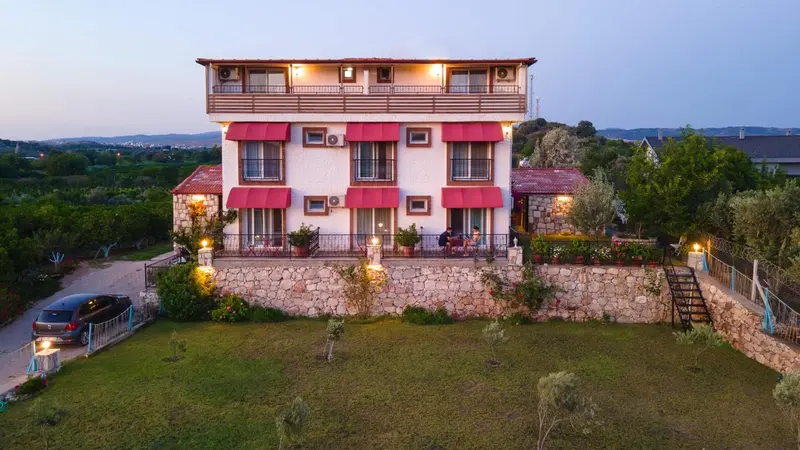
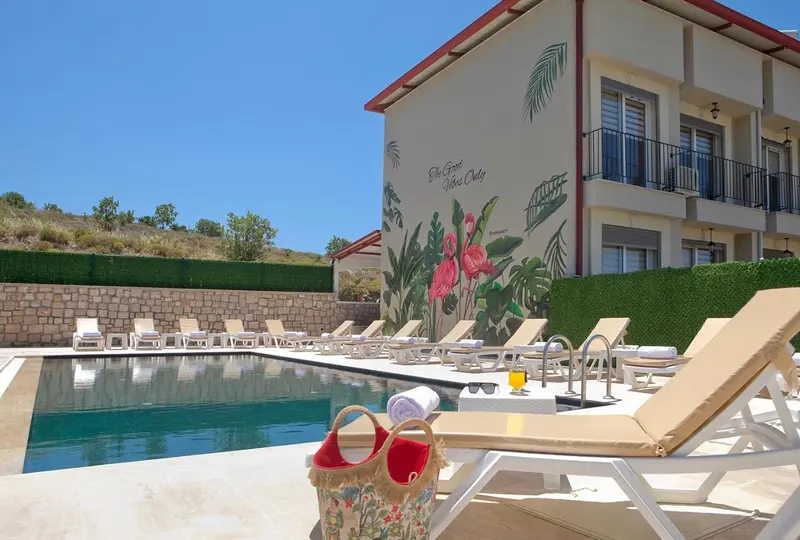
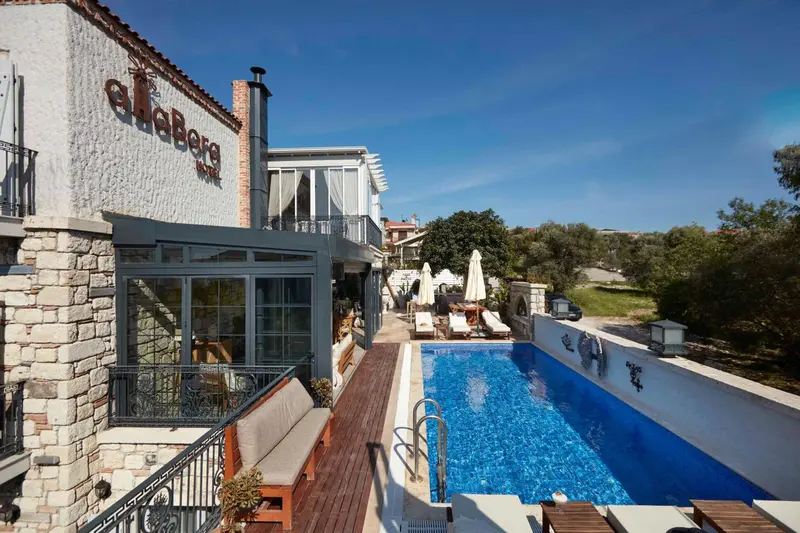
In each one, the dive centre is inside the hotel: step out of your room and go diving.
Dive centre in the hotel★★★★★
Google 4.2/5 (6,558 reviews)
The dive centre
TEOS DIVERS
PADI · CMAS
Google 4.9/5 (60 reviews)
Choose May, June, September or early October for a practical balance of diving conditions and atmosphere. Visibility is generally useful from May through September, while Karaburun’s season can extend into early October. July and August are busier on land, and winter winds and currents can affect visibility and boat access.
Izmir can suit beginners when a dive centre matches the site and profile to your experience. Karaburun commonly reaches 18 to 30 metres, so not every outing suits a first or returning diver. Advanced Open Water or equivalent training helps for deeper routes, while wreck penetration requires suitable wreck training.
You can explore rocky relief, drop-offs, wrecks and coastal sites around Foça, Karaburun and Çeşme. Named wrecks include the Kaptan Mustafa Ertuğrul, Alaybey and 9 Eylül. Look in crevices and overhangs for moray eels, groupers, spiny lobsters, octopuses and nudibranchs, with rays and barracuda appearing occasionally.
Choose Foça, Karaburun or Çeşme before booking accommodation, because these are separate coastal bases. Fly to Izmir, then continue by road and use a hire car or taxi if needed. Allow five to seven days for one main sector and several dives, scheduling eastern Karaburun sites early for better morning visibility.