
Paradise Diving Center
Google 4.8/5 (204 reviews)
Türkiye · Mediterranean
Rocky walls, amphorae, cave passages and occasional loggerhead turtles shape daily boat diving around Marmaris, with wrecks and sheltered bays in the same holiday.
For subtitles in English: start the video firstthen click the gearat the top right of the video, select “Subtitles/CC”, then “Auto-translate” and choose “English”.
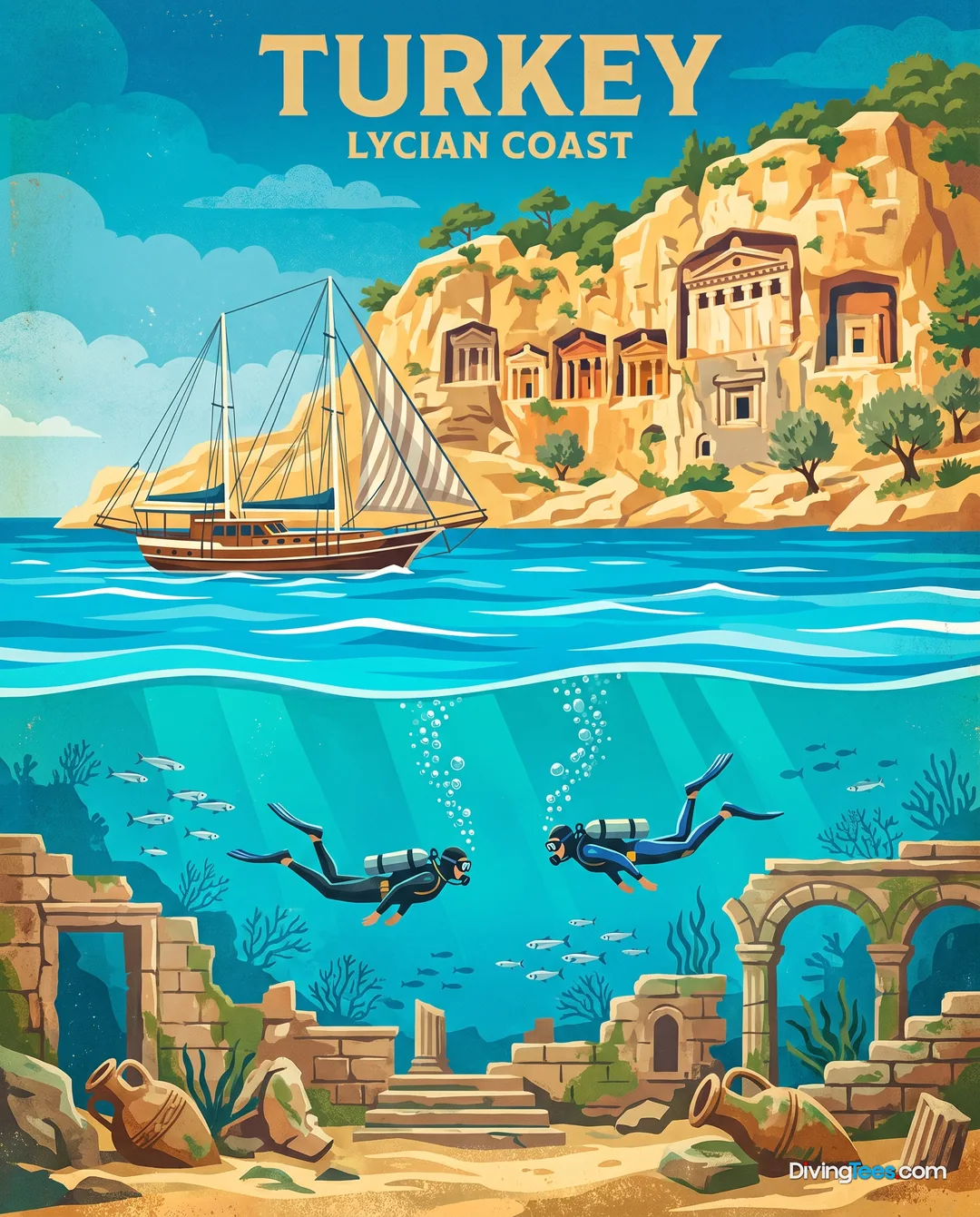
Kadırga Cove puts amphorae and the remains of a Hellenistic ship into a dive that is as much about looking closely at the seabed as following rock. Elsewhere around Marmaris, boat trips reach sheltered coves, drop-offs, tunnels, wrecks and gentle training water. That mix makes the town a practical base for a week of day boats rather than a destination built around one signature dive. Non-divers have beaches, harbour excursions, the old town and castle, wooded walks and nearby antiquities to fill the surface hours.
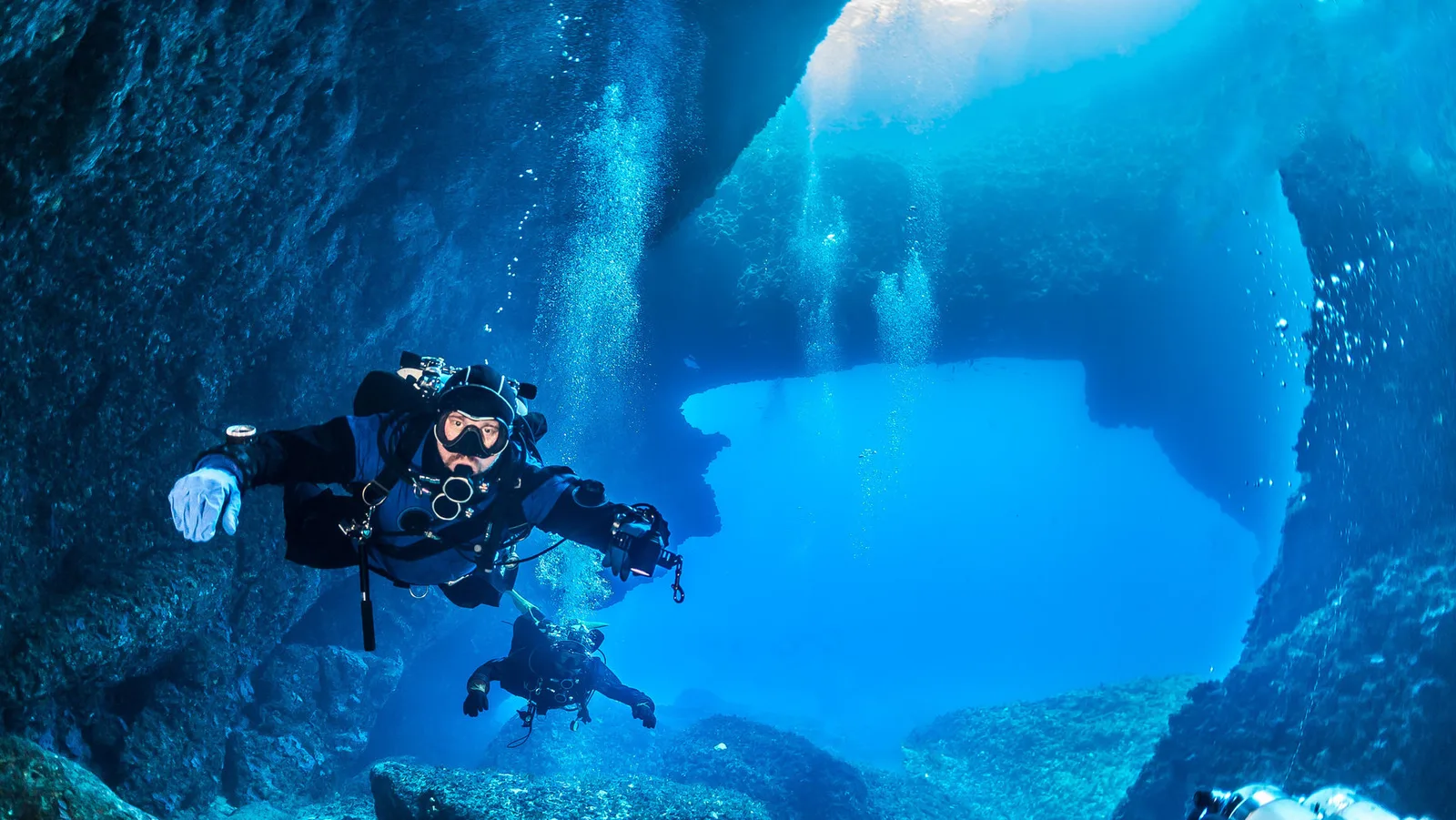
Most diving is from day boats leaving the marina, with routes spreading through protected bays and towards nearby islands. Underwater, expect rocky walls, ledges, tunnels and cave-like passages rather than a single continuous reef. Baca Cave is associated with a chimney-shaped passage, while Kadırga Cove combines rock, amphorae and archaeological remains. Wrecks and deeper sites add variety for divers with the right experience. Currents are generally light, so drift dives and downcurrent problems are not the defining feature. Visibility is often good in the sheltered bays, although stirred sediment can reduce it, and published expectations should not be treated as a guarantee. A typical outing may combine two dives with boat travel, swimming stops or other sightseeing, so check how much of the day is actually reserved for diving.
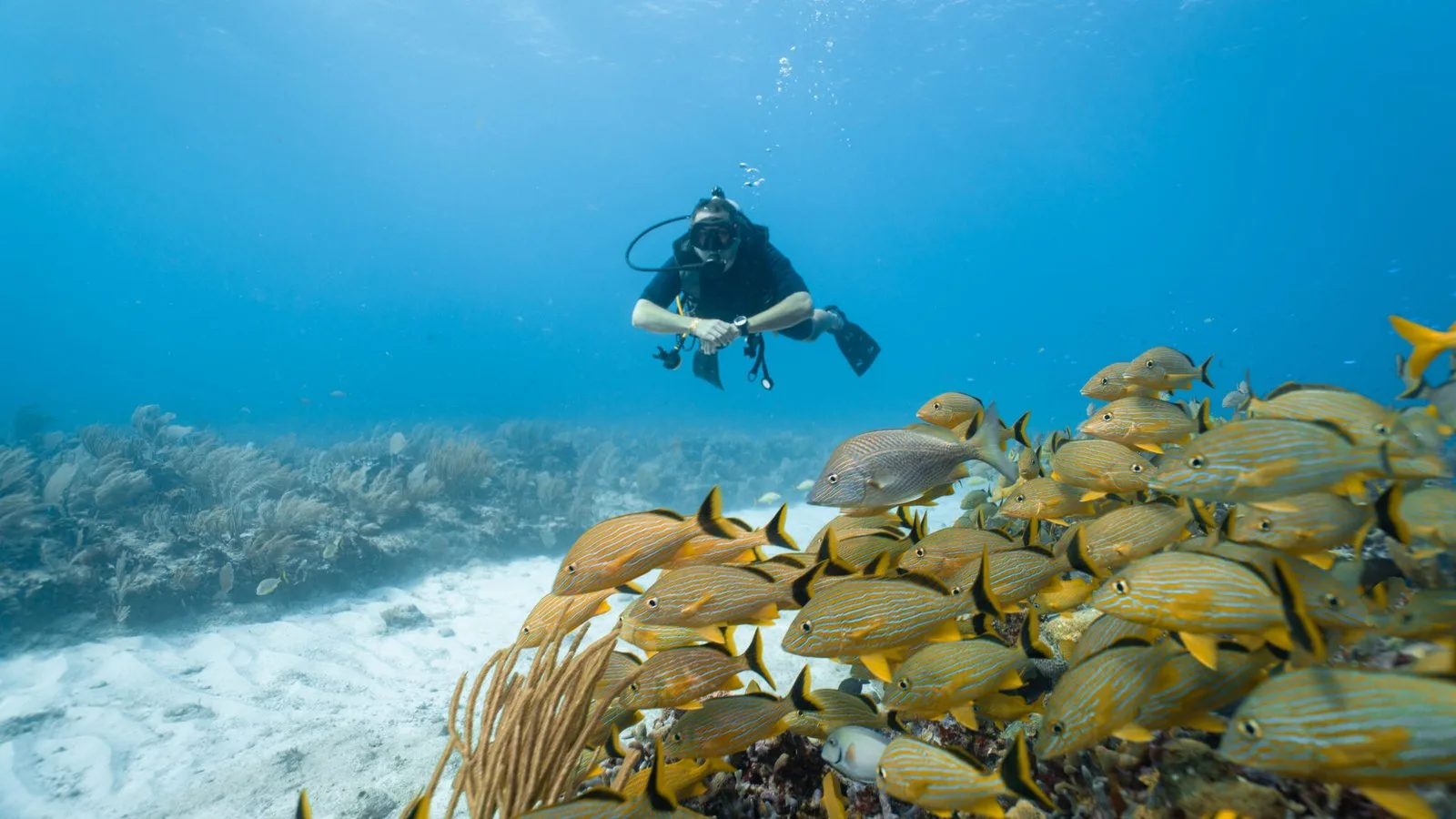
Morays are a regular possibility throughout the diving season, tucked into cracks in the rocky ground and walls. Groupers, shrimps and red cardinalfish are occasional encounters, adding interest to close inspection around cover rather than promising a constant procession of large animals. Loggerhead turtles may be seen from May to October, but they remain an occasional sighting. Kadırga Cove shifts the emphasis from wildlife to the seabed itself, where amphorae and the remains of a Hellenistic ship reward a slow, careful look. The bays and headlands are best approached as Mediterranean-style rock diving, with time spent scanning crevices, ledges and cave entrances instead of rushing between landmarks.
May, June, September and October are the most appealing months for diving in Marmaris. They sit within the normal operating season, while avoiding the heaviest summer pressure on the harbour, boats and popular coves. May to October generally offers the clearest period for visibility, though sediment can still be stirred in sheltered water. High summer brings warmer conditions and more holiday traffic, which matters when a mixed boat itinerary cuts into dive time. December through March is outside the usual rhythm of local diving trips, so spring and early autumn make the more comfortable compromise for divers who want active centres without the busiest weeks.
Marmaris suits beginners as well as divers wanting caves, drop-offs and wrecks. Hayitli Cape and other calm bays can work for an introduction or early training dive, while Baca Cave needs a proper briefing because the route may involve a chimney-like passage. Advanced Open Water is useful for deeper sites and some cavities. A Wreck qualification is appropriate for wreck diving. Ask exactly what profile is planned, particularly if your recent experience is mainly easy open-water diving.
From London Heathrow, London Gatwick or Manchester, plan on flying to the regional gateway and then continuing to Marmaris by road. The flight and road transfer are separate parts of the journey, so allow for the connection rather than treating arrival at the gateway as arrival at the resort. Ferries and boats are useful once there for reaching islands and coves, but they are not the main route from Britain. Around Marmaris, the marina and seafront centres are walkable from central accommodation. Elsewhere, a taxi may be needed, as there is no single shared shuttle serving all operators.
Ask for the actual dive plan before boarding. Marmaris covers everything from a quiet introductory bay to a cave passage, a drop-off or a wreck, and the right choice depends on your comfort and certification. If Kadırga Cove is included, expect the amphorae and Hellenistic remains to be the point of the dive, not a fast tour of reef life. Ask what Baca Cave means on that particular itinerary: a chimney-like passage is not automatically a straightforward open-water swim-through. For a first dive, Hayitli Cape is the more sensible request than a deep site or cavity. Early or late season usually means less traffic in the coves. Also check whether a boat trip is genuinely a diving day or a mixed excursion with long swimming stops. Do not handle archaeological material. Night diving may be available, but it needs to be arranged directly rather than assumed to form part of the daily programme.
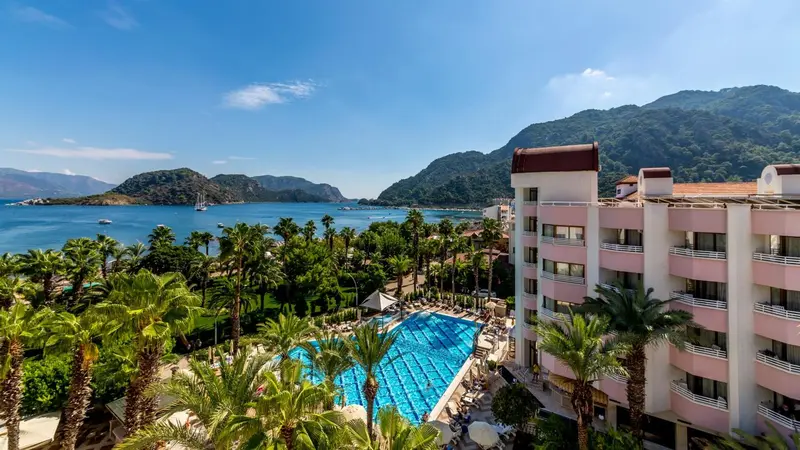
A five- to seven-day stay works well here: allow several boat days, one day without diving and time for Marmaris on land. Accommodation near the centre keeps the marina and seafront within walking distance, while outlying stays may mean taxis. Surface plans can include the castle and old town, a bay excursion, wooded walks, markets, beaches and day trips to ancient sites around Muğla. Goleta cruises are possible, but a shore-based stay is enough for local diving.
Hello, I'm Marina, DivingDeal.com's AI assistant. I guide you through destinations, areas and countries.
Thinking about the whole trip and the flights? Talk it over with Edith →
Marina is an AI. Some links are affiliate links: DivingDeal may earn a commission, at no extra cost to you. Bookings are made with the partner.
Spring and early autumn offer active diving centres with fewer holiday boats around the harbour and coves. May, June, September and October are appealing months, while May to October is the period when loggerhead turtles may be seen. High summer brings warmer conditions but more traffic and mixed boat itineraries.
Marmaris suits beginners and experienced divers. Hayitli Cape and other calm bays can support an introduction or early training dive. Baca Cave requires a proper briefing for its chimney-like passage. Advanced Open Water helps with deeper sites and some cavities, while a Wreck qualification is appropriate for wreck diving.
Expect Mediterranean-style rock diving, with walls, ledges, tunnels and cave-like passages. Kadırga Cove features amphorae and Hellenistic ship remains, while Baca Cave has a chimney-like passage. Morays, groupers, shrimps and red cardinalfish may appear around rocky cover, and loggerhead turtles are occasional from May to October.
Plan several boat-diving days from the marina, plus a day without diving and time for shore activities. Staying near the centre keeps the marina and seafront walkable, while outlying accommodation may require taxis. Check each itinerary’s actual dive time, and consider the castle, old town, beaches, wooded walks and nearby antiquities.