
Truk Blue Lagoon Dive Shop
Google 4.1/5 (202 reviews)
8.7 km away as the crow flies
Truk · Micronesia · Pacific
Max. depth · 37 mThe Fujikawa Maru sits upright on the sandy seabed, her mast reaching towards the surface, offering a unique opportunity to explore a largely intact WWII armed cargo ship with preserved aircraft in her holds.
Descending onto the Fujikawa Maru, you find a vessel that settled upright, a significant difference from many other wrecks in the lagoon. The mast rises from a maximum depth of 37 metres to a shallowest point of 5 metres, making the wreck accessible across a broad depth range. This orientation allows you to approach the structure much like an artificial reef, with the superstructure and deck areas providing a clear profile to navigate, guiding your descent along the hull.
As you move deeper, the sheer size of the Fujikawa becomes apparent. The main deck, bridge, and hold areas are largely intact, giving a clear sense of the ship’s original layout. Penetration routes are available into the cargo spaces and machinery rooms, offering a different dimension to the dive for those with the appropriate training and experience. The light filters down, revealing the growth that now covers the steel, transforming the man-made structure into a vibrant living reef.
The holds of the Fujikawa Maru are what truly set this wreck apart. Within them, you encounter Mitsubishi Zero fighter aircraft, along with various aviation parts. It's a preserved snapshot from another time, providing a stark contrast between the military hardware and the biological colonisation. These aircraft are a signature feature, allowing you to witness history in a way few other sites can offer, nestled amongst the soft corals and sponges.
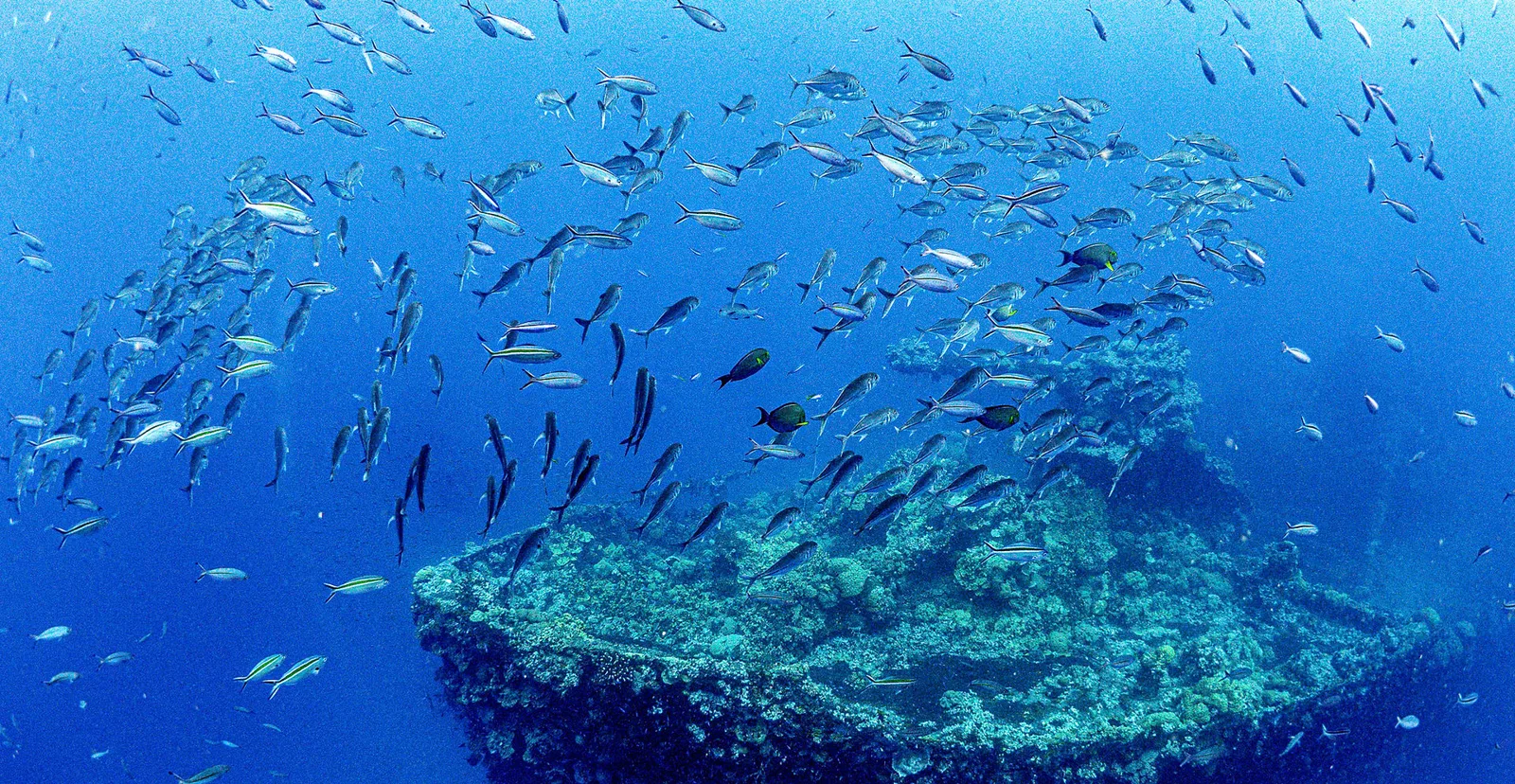
Beyond the historical cargo, the wreck acts as a substantial artificial reef, attracting a significant amount of marine life. Hard and soft corals, sponges, and algae have heavily encrusted the hull, deck, and superstructure. This extensive overgrowth creates a complex ecosystem, providing shelter and feeding grounds for a variety of resident species, making the structure a focal point for biodiversity within the lagoon.
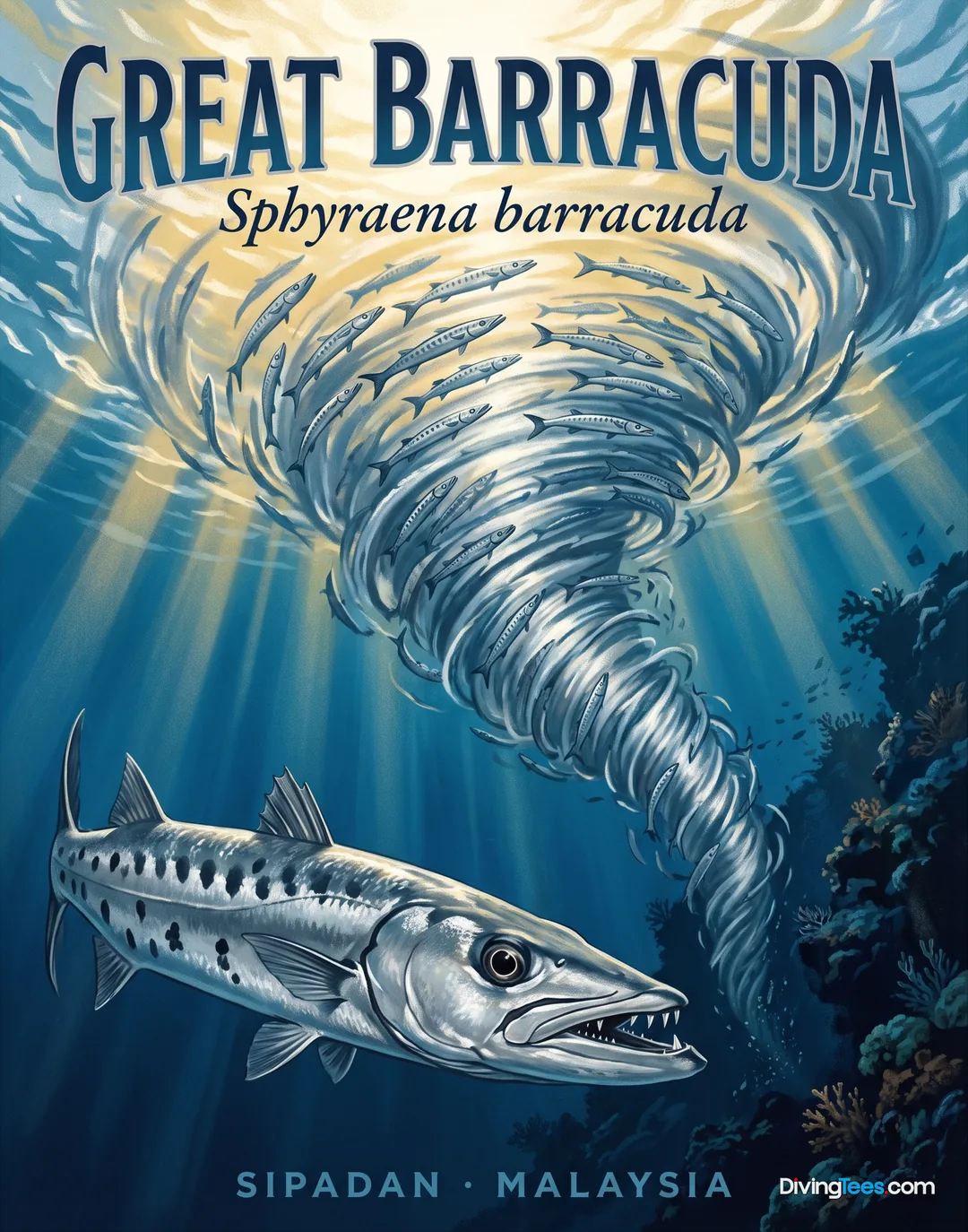
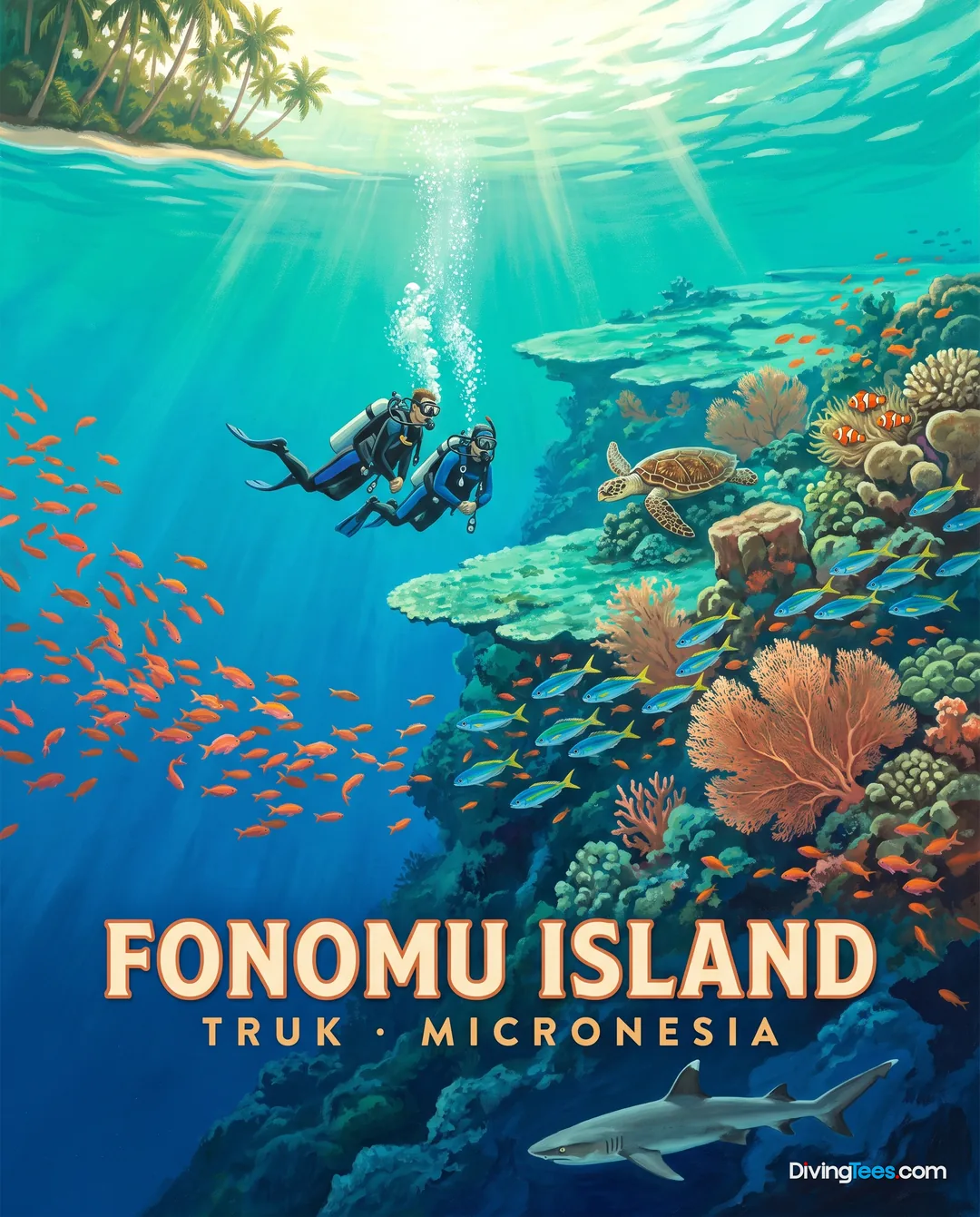
As you explore the exterior, keep an eye out for larger pelagic species that patrol the perimeter. Barracuda and various species of jack, including trevally, are often seen schooling off the wreck. Grey reef sharks can also be spotted cruising in the blue, adding a dynamic element to the dive. Sea turtles are occasional visitors, grazing on the corals or resting on parts of the wreck, blending into the intricate structure.
The mixed tropical reef fish population adds constant colour and movement to the wreck. Anemones, sponges, and a multitude of soft corals create a diverse backdrop, where you might observe smaller creatures hiding within the crevices of the ship’s structure. This blend of metal and marine growth ensures that every section of the Fujikawa Maru offers something different to observe, from macro life to the scale of the wreck itself.
While the visibility typically ranges between 20 to 30 metres, allowing for clear views of the wreck's expanse and its inhabitants, the conditions inside Chuuk Lagoon are generally calm. The protected environment of the atoll means currents are usually light. This contributes to making the Fujikawa Maru accessible for extended exploration, allowing time to absorb the details of this significant historical and ecological site without battling strong flows.
The Fujikawa Maru is accessible from a minimum depth of 5 metres down to 37 metres. For general exploration of the wreck, Open Water Diver certification is suitable due to the shallowest points, but Advanced Open Water certification and specific wreck diving experience are strongly recommended for those looking to penetrate deeper sections or explore the holds. Currents are generally light within the lagoon, though slight variations can occur with tides. Visibility typically ranges from 20 to 30 metres. The best period for diving, offering drier conditions and generally better visibility, is from December to April, although the site is dived year-round.
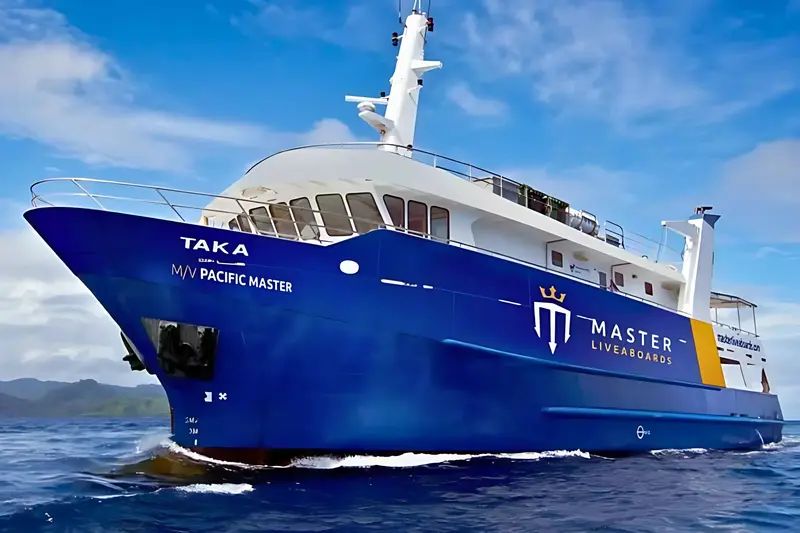
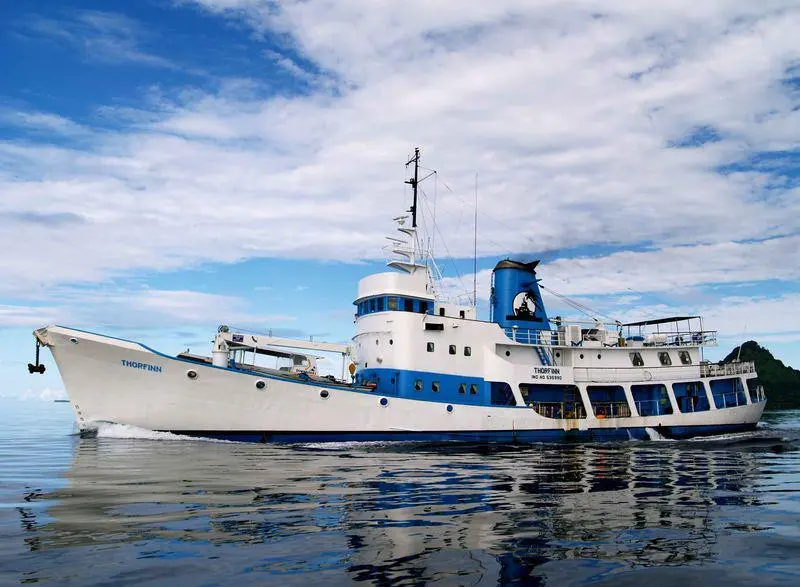
2 liveaboards run trips to Truk.
You can dive Fujikawa Maru year-round, with December through April offering drier conditions and generally better visibility. Visibility typically ranges from 20 to 30 metres. Within Chuuk Lagoon, conditions are generally calm, helping you spend time examining the wreck and its marine life without battling strong flows.
You can explore the shallower parts of Fujikawa Maru with Open Water Diver certification. Advanced Open Water certification and specific wreck diving experience are strongly recommended if you plan to penetrate deeper sections or enter the holds, where cargo spaces, machinery rooms, and Mitsubishi Zero fighter aircraft are found.
Fujikawa Maru ranges from 5 to 37 metres, with its mast rising through much of that depth range. Currents within the lagoon are generally light, although tides can cause slight variations. The protected atoll environment contributes to calm conditions for exploring the upright wreck and its surrounding structure.
You can see an intact, upright WWII cargo ship covered with coral, sponges, algae, and soft corals. Its holds contain Mitsubishi Zero fighter aircraft and aviation parts. Barracuda and jack schools gather nearby, while grey reef sharks and sea turtles may appear among tropical reef fish and the wreck’s structure.