
Kunie Scuba Center
★ 4.9/5 (105 reviews)
less than 1 km away as the crow flies
New Caledonia · Pacific
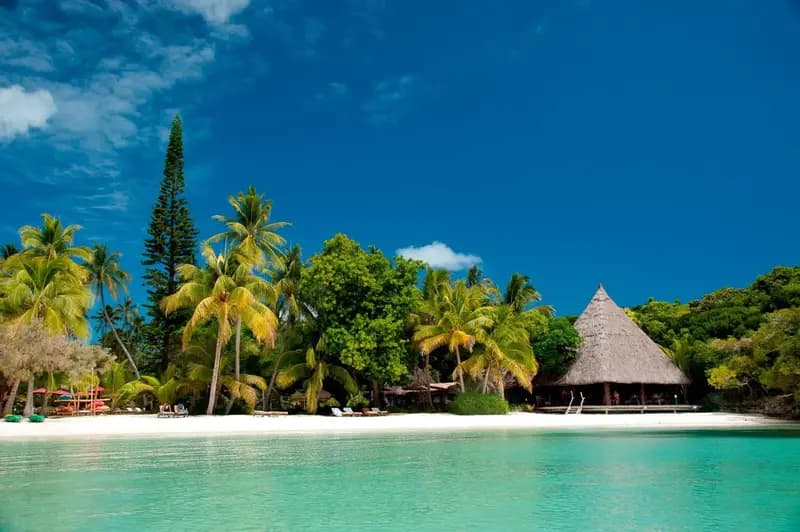
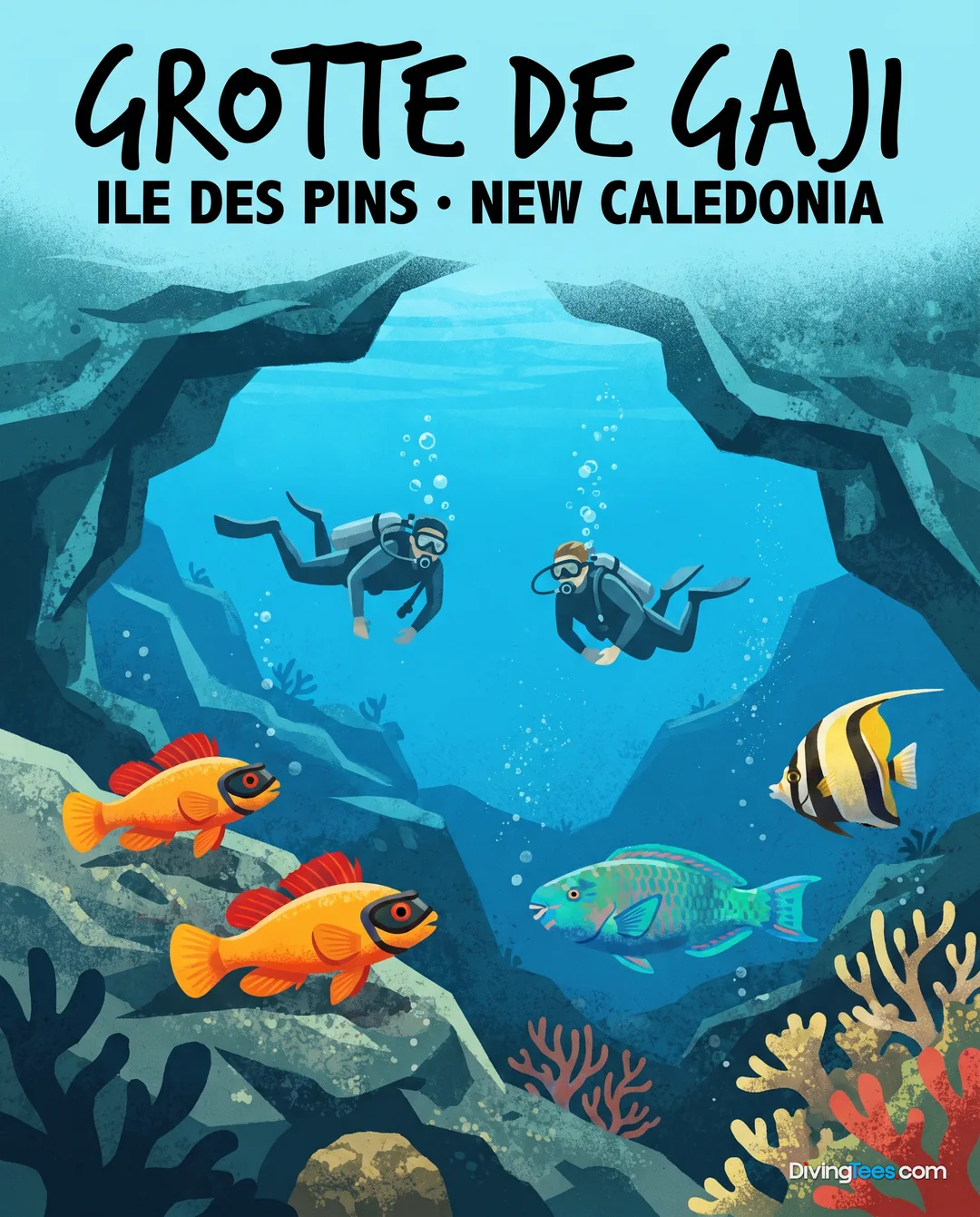
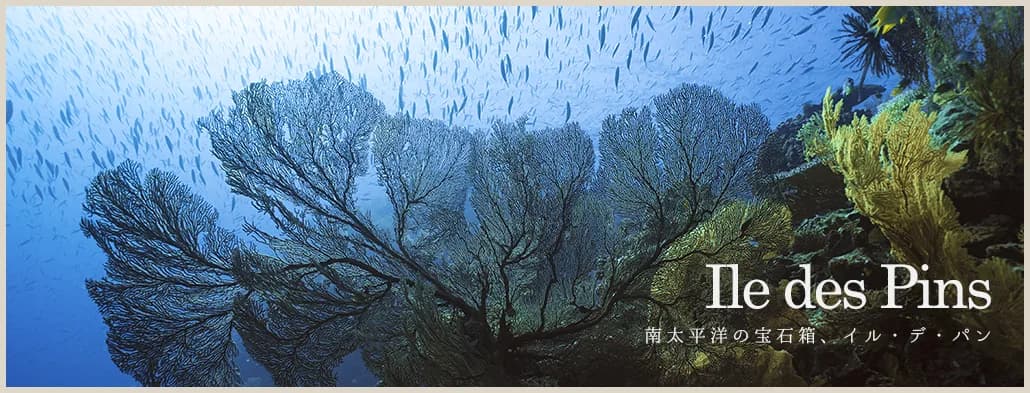
Clear lagoon water, the 5–8-metre wall at Grand Canyon, and Grotte de Gaji’s fire gobies set the tone for Île des Pins diving.
For subtitles in English: start the video firstthen click the gearat the top right of the video, select “Subtitles/CC”, then “Auto-translate” and choose “English”.
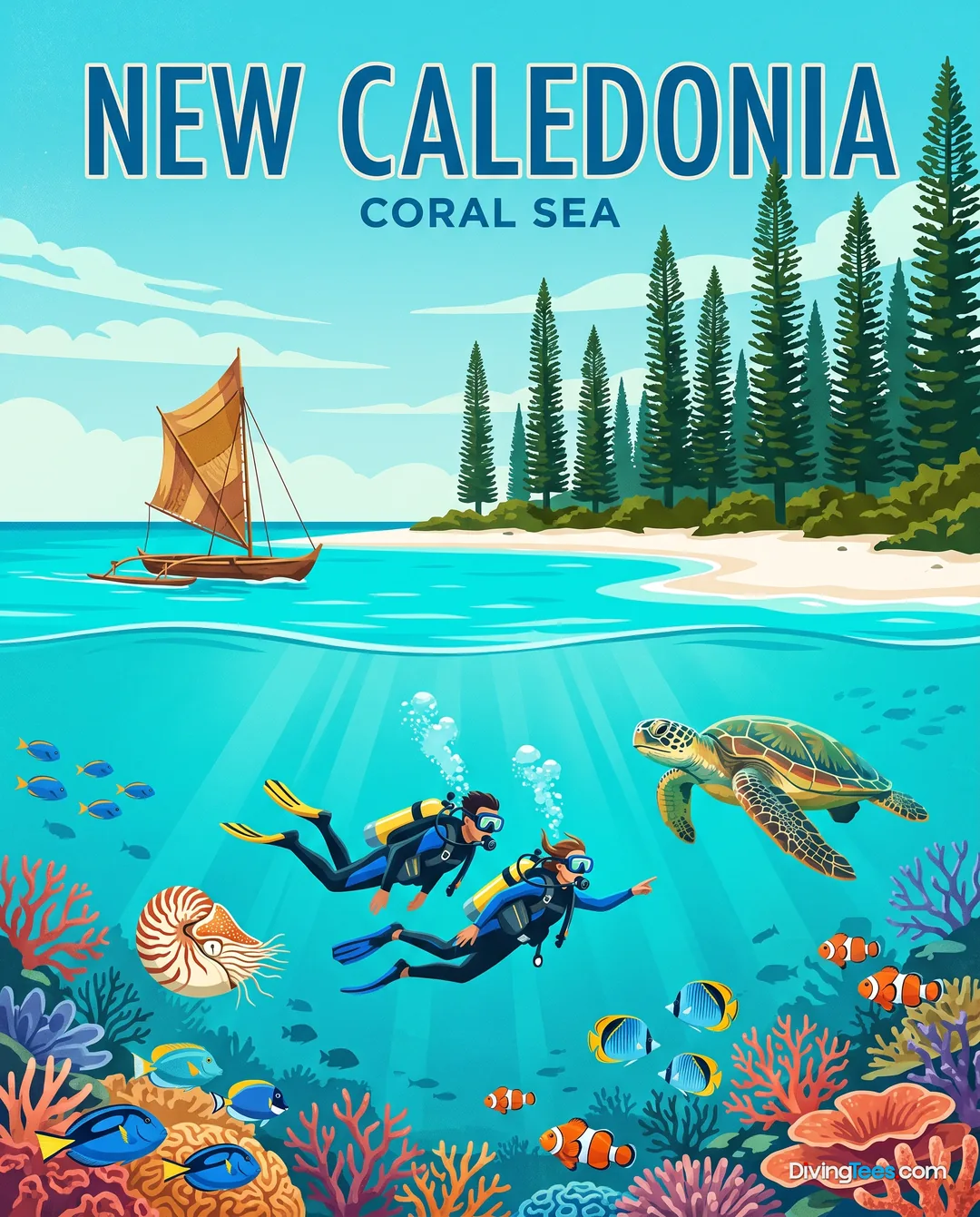
At Île des Pins, the dive day begins from a small island base and heads out by boat to lagoon and reef sites. Grand Canyon brings a shallow wall, reef sharks and the possibility of a passing whale shark, while Grotte de Gaji offers a quieter look at a pair of fire gobies. Diving is only part of the trip here: beaches, lagoon time and island excursions make the destination workable for couples or mixed-interest groups.
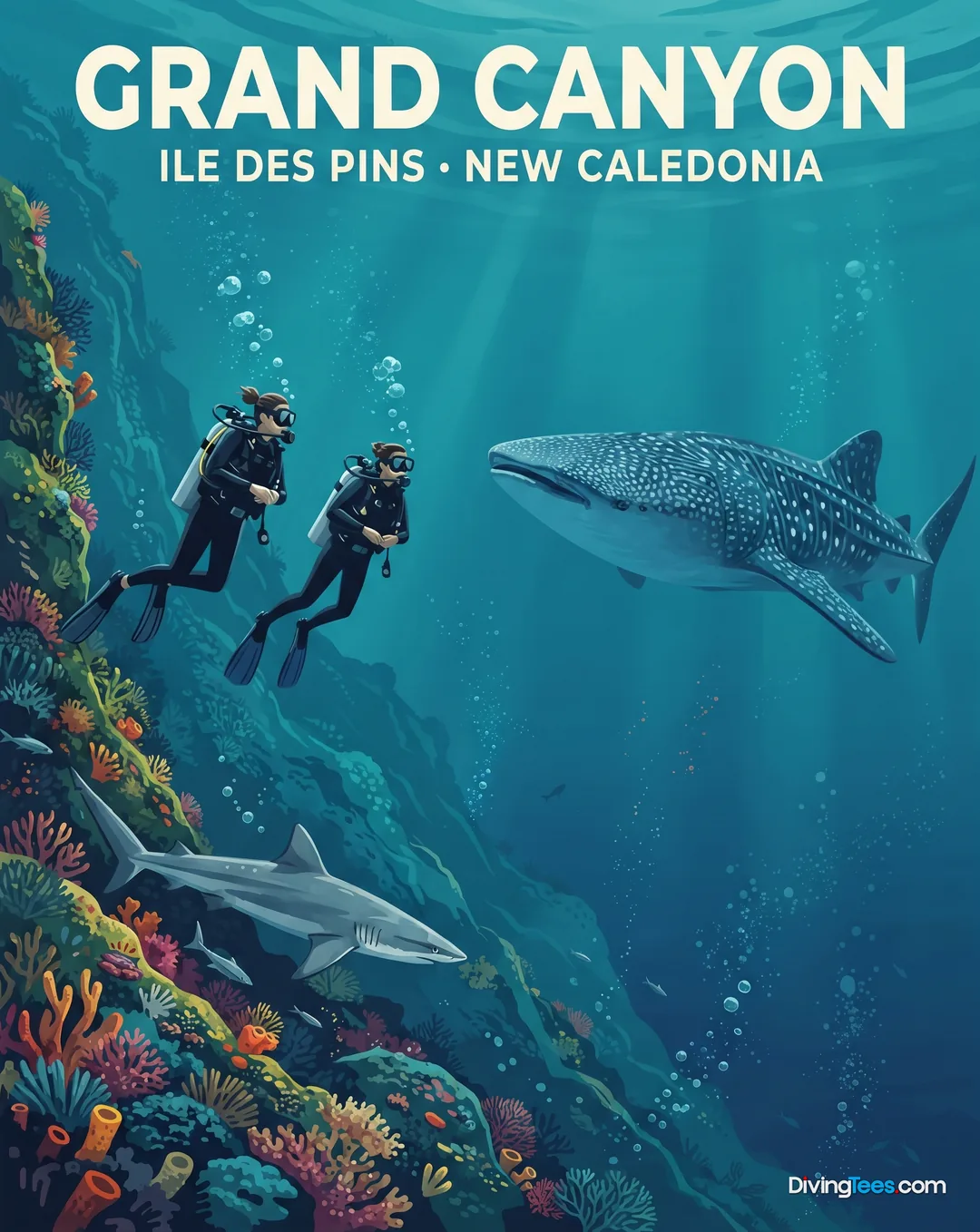
The underwater character is reef-based rather than technical, with lagoon and outer-reef boat dives forming the backbone of a stay. Grand Canyon is the most immediately visual example: between 5 and 8 metres, the wall drops away while a moderate current carries water past the reef and can bring pelagic life close. Visibility there reaches 12 metres, giving a clear view of the wall and its visitors. Grotte de Gaji changes the pace, with shallow reef from 5 metres and a cave system reaching 22 metres. The cave requires comfort with light penetration and with the possibility of variable current. Elsewhere, conditions are generally described as light-current diving, making the island suitable for relaxed profiles rather than a programme built around deep walls, strong drift dives or wrecks.
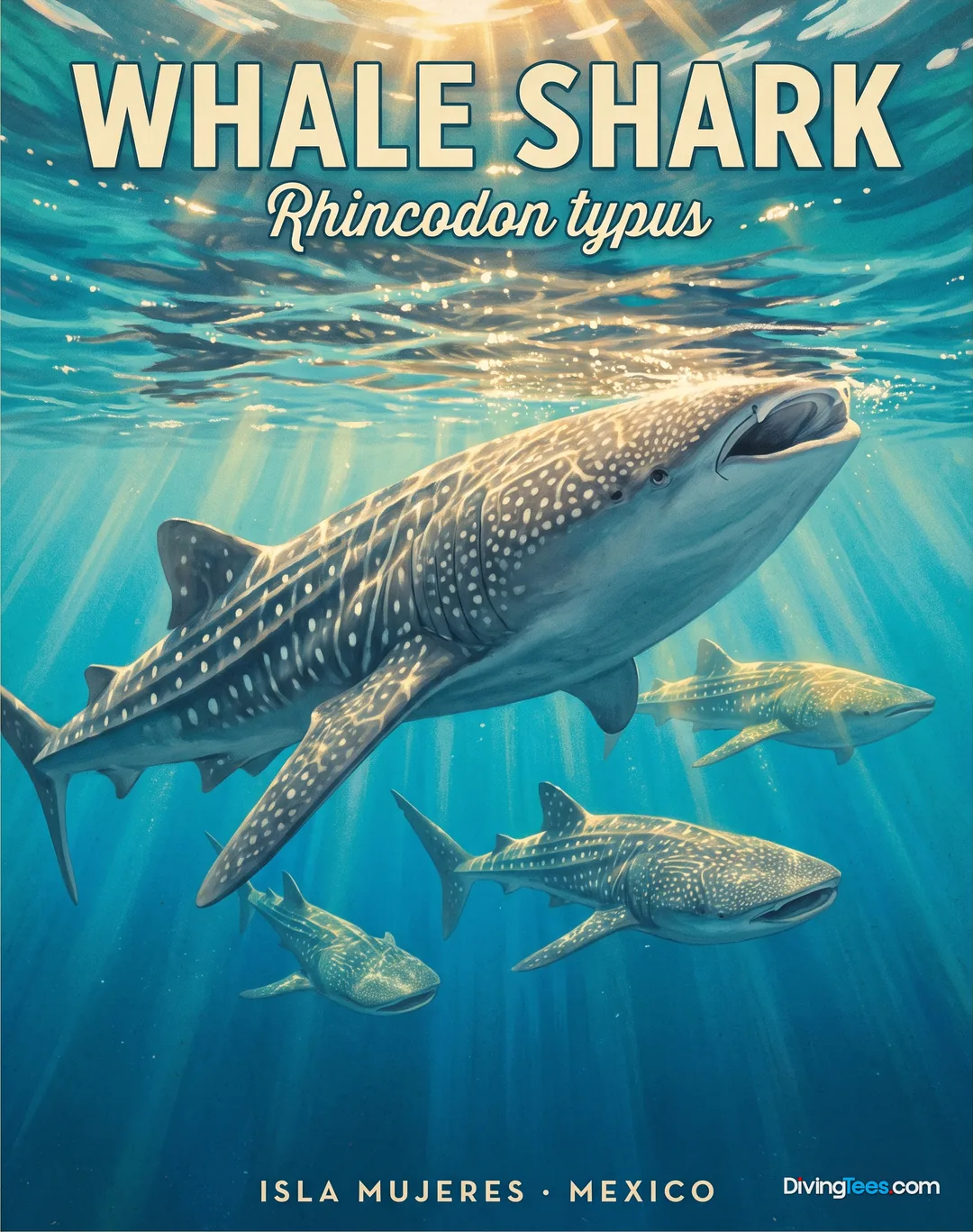
Marine life here is encountered in relation to the relief rather than through a guaranteed seasonal spectacle. At Grand Canyon, reef sharks may patrol the 5–8-metre wall, and whale sharks have been sighted there on more than one occasion. The moderate current is part of the attraction, bringing pelagic life towards divers rather than leaving the wall feeling static. Grotte de Gaji has a more intimate subject: a pair of fire gobies, with one accustomed to divers. They reward a slow approach and careful hovering at the reef or cave entrance. These are the encounters that define the sites, while clear water makes observation easier without requiring dramatic depth.
The measured diving window runs from November through April, while the lowest rainfall falls between May and January. November to January is therefore the useful compromise for travellers who want the strongest recorded diving period while retaining the drier part of the year. April remains within the best diving window, whereas May to October may suit those placing greater weight on the island’s land-based time and lower rainfall. As conditions and transport depend on the island setting, the season is best treated as a planning guide rather than a promise of identical weather on every day.
Île des Pins suits certified divers from beginner upwards, provided they are comfortable with ordinary boat diving and relaxed reef profiles. Most dives do not call for advanced current, wreck or technical qualifications. Grotte de Gaji is the exception to the easygoing rhythm: light cave penetration and depths down to 22 metres demand sound buoyancy, calm decision-making and appropriate experience. PADI, SSI and BSAC divers should find the general level familiar. Nitrox is useful for repetitive boat-diving days, though it is not essential to the destination.
From London Heathrow, London Gatwick or Manchester, the journey is built around reaching Nouméa first rather than flying directly to Île des Pins. The island is then reached by domestic air from mainland New Caledonia or by the regular ferry or fast-boat connection from Nouméa. Schedules are the structural constraint: the onward link and the island’s boat departures need to be treated as connected parts of the itinerary, with breathing space rather than tight same-day assumptions. Once on Île des Pins, diving is done by boat from the island. Depending on the accommodation, the dive centre may be reached on foot or by a short local transfer. Staying on the island is simpler than trying to force the destination into a hurried mainland excursion.
The first useful decision is to treat Île des Pins as an island stay with diving, not as a high-intensity dive stop. Grand Canyon offers current and pelagic possibility, but the overall appeal is the combination of clear water, sheltered sites and an unhurried pace; expectations of wreck concentration or repeated strong-current walls belong elsewhere. Allow enough days for the domestic connection, ferry or fast boat and local dive schedule to absorb a change of plan. A short add-on with a tightly timed onward connection is the fragile option. Staying on the island also makes more sense than commuting in for a single day, particularly when a non-diver is travelling. Keep room for a land or beach day: the island is part of the reason to come, not merely a platform for boat departures. For experienced divers, Nitrox can make repetitive days more comfortable, while Grotte de Gaji deserves a deliberate, controlled approach rather than casual cave penetration.
A sensible stay is four to six days, combining several day-boat outings with time on the island. Use the island as the base, allowing local transfers or walking access to the dive centre according to where the accommodation lies. Keep one or more flexible periods around the transport schedule rather than filling every day with connections and dives. Non-divers can spend that time on beaches, in the lagoon, snorkelling or exploring Île des Pins on land.
Hello, I'm Marina, DivingDeal.com's AI assistant. I guide you through destinations, areas and countries.

Thinking about the whole trip and the flights? Talk it over with Edith →
Marina is an AI. Some links are affiliate links: DivingDeal may earn a commission, at no extra cost to you. Bookings are made with the partner.