
Lagoon Safari
Google 5/5 (40 reviews)
New Caledonia · Pacific
Lifou puts divers among giant gorgonians, a 15-metre underwater arch, clear lagoon reefs and occasional reef sharks around a lightly developed Pacific island.
For subtitles in English: start the video firstthen click the gearat the top right of the video, select “Subtitles/CC”, then “Auto-translate” and choose “English”.
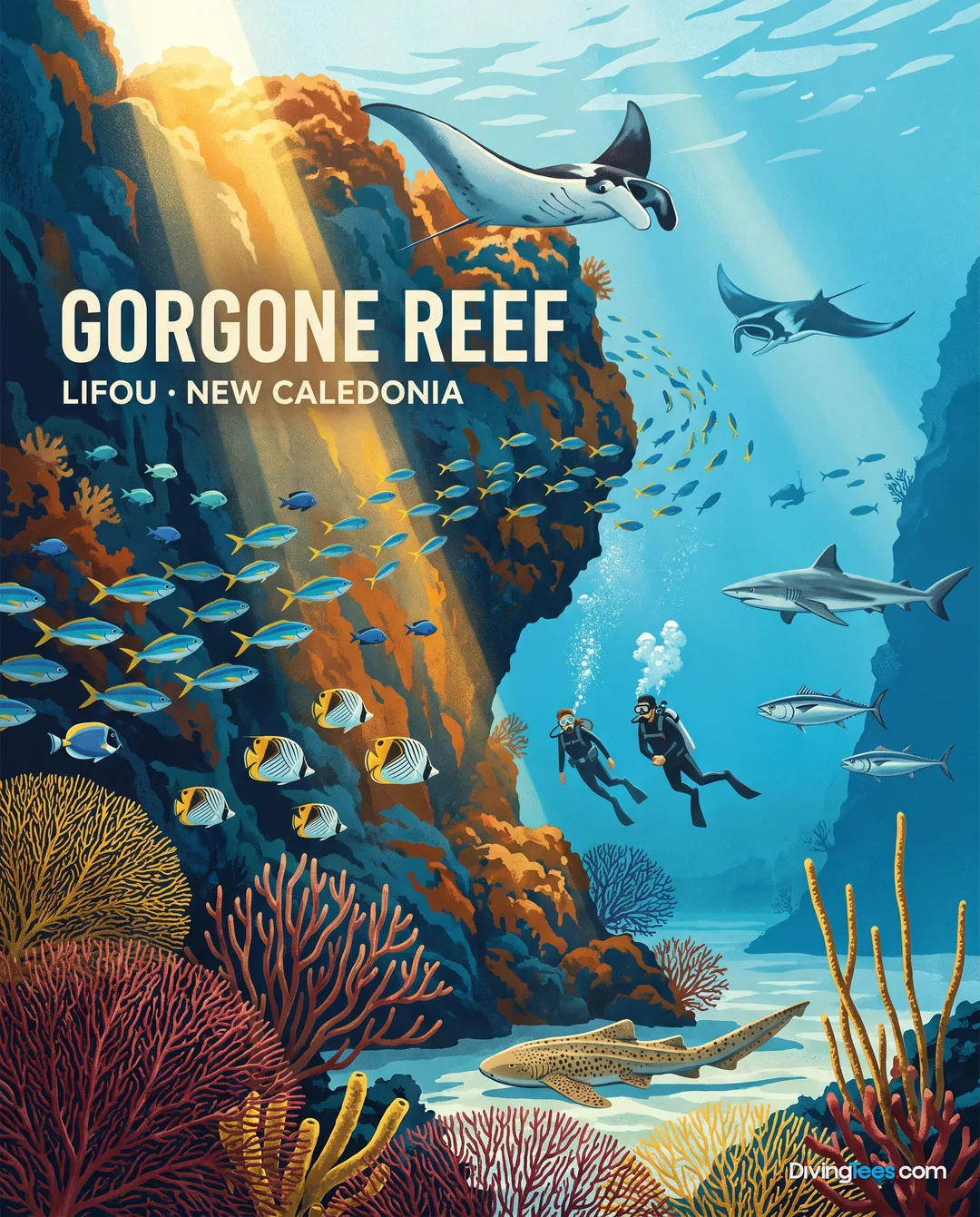
Lifou is a land-based island destination where diving fits around the road, the coast and the day’s boat departure. Its underwater scenery ranges from sheltered lagoon reefs to pinnacles, arches, tunnels and exposed walls. At Gorgone Reef, giant coloured gorgonians cover a pinnacle that reaches 30 metres; at Jinek Bay, calm shallow water makes an easier introduction. The attraction is not a high-adrenaline expedition, but relaxed tropical diving with enough relief and marine life to keep several days interesting.
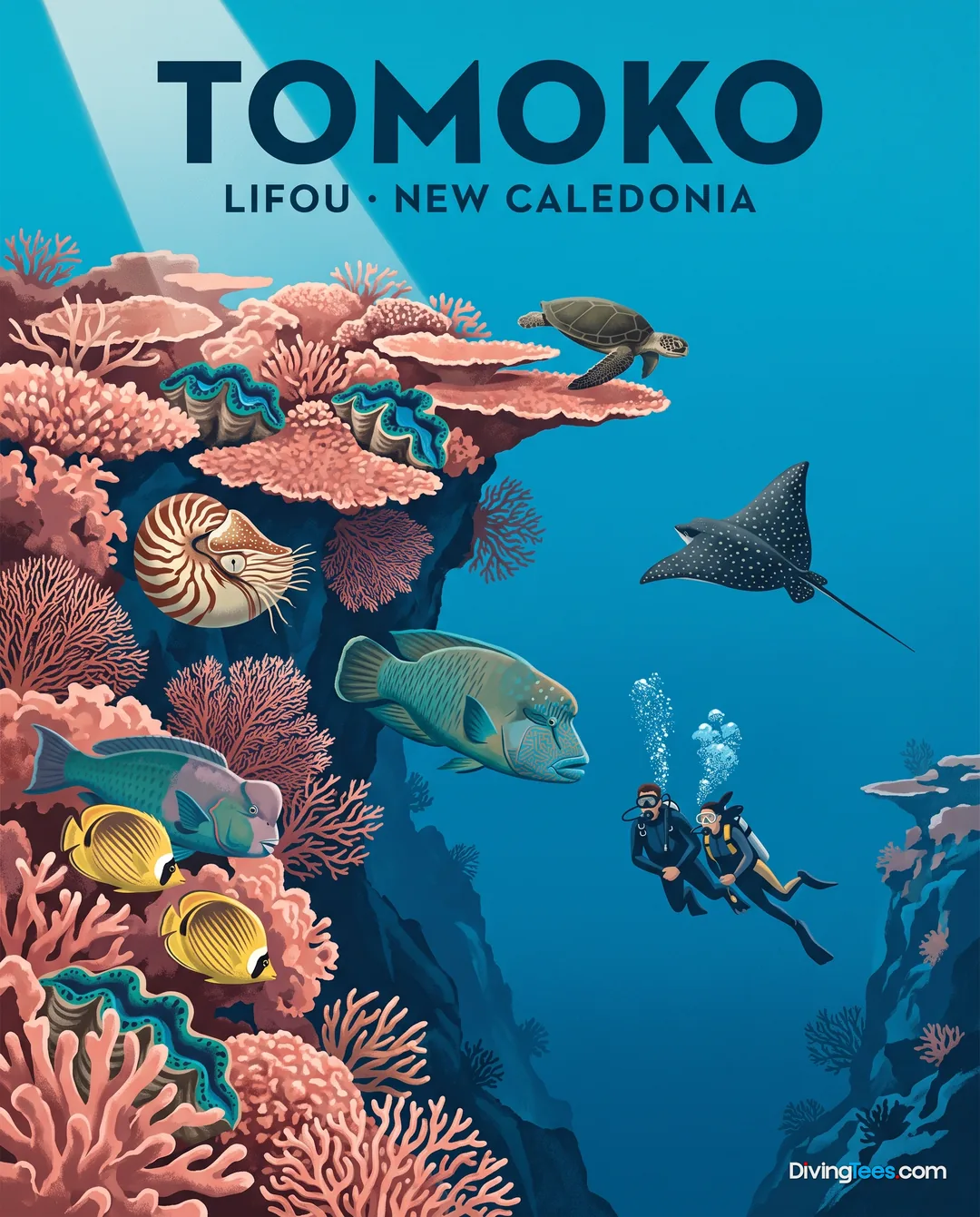
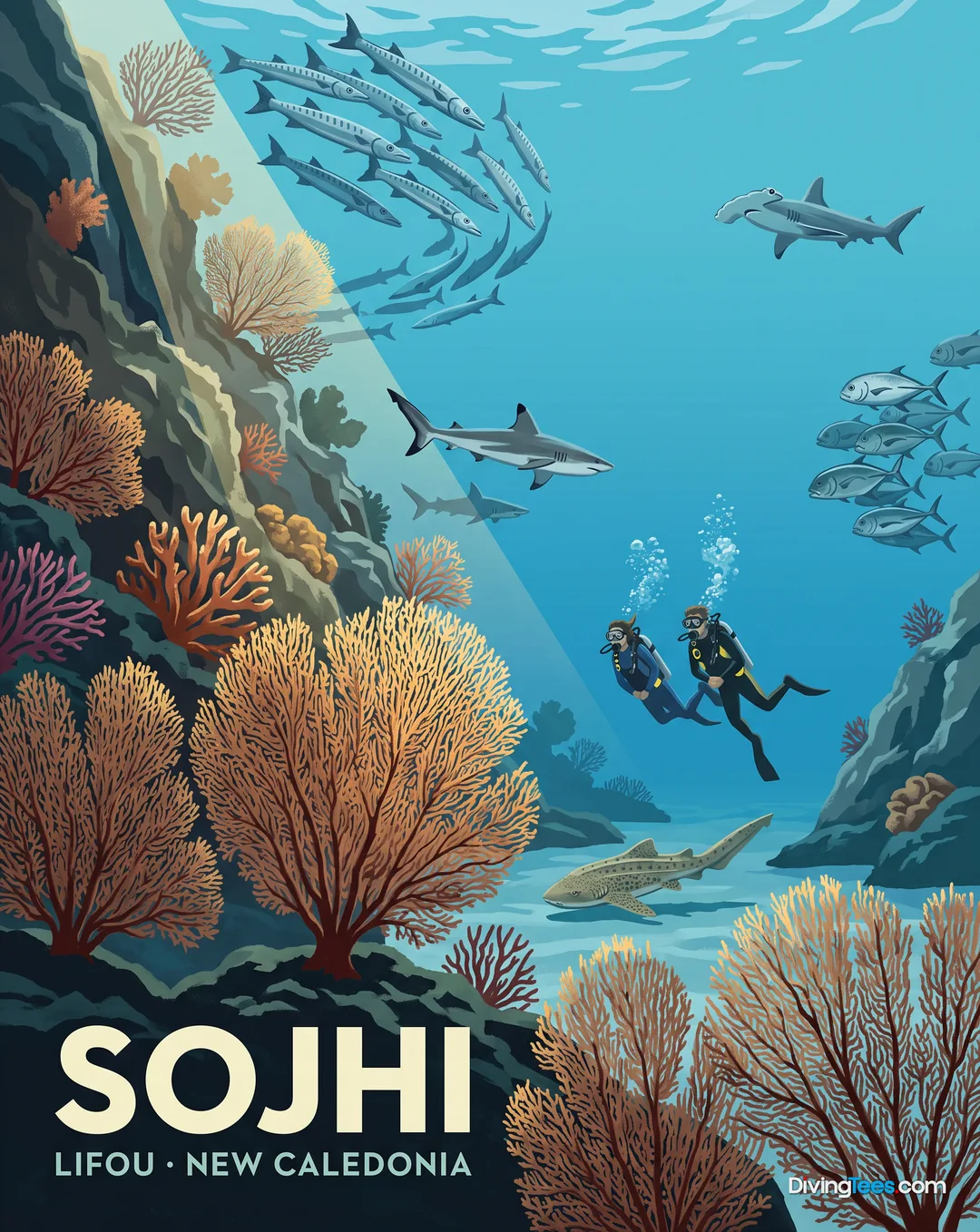
The diving mixes protected lagoon sites, reef profiles, occasional walls and a few current-led outings. L’Arche is a relatively sheltered 15-metre dive through a broad underwater arch, with soft corals, yellow sponges, fusiliers and the possibility of reef sharks beyond the arch. Tomoko runs from 5 to 21 metres along a drop-off and through light-filled tunnels, where good buoyancy matters more than technical training. Visibility there is typically 20 to 30 metres, while the wider site material describes Lifou’s water as clear. Gorgone Reef descends to 30 metres and can bring pelagic life close to the gorgonians. Sojhi is the more committed drift dive, with strong current through its gorgonian valley; Acadro can also carry current along the wall and around the cape. Conditions are therefore usually manageable, but the guide’s briefing matters on exposed sites.
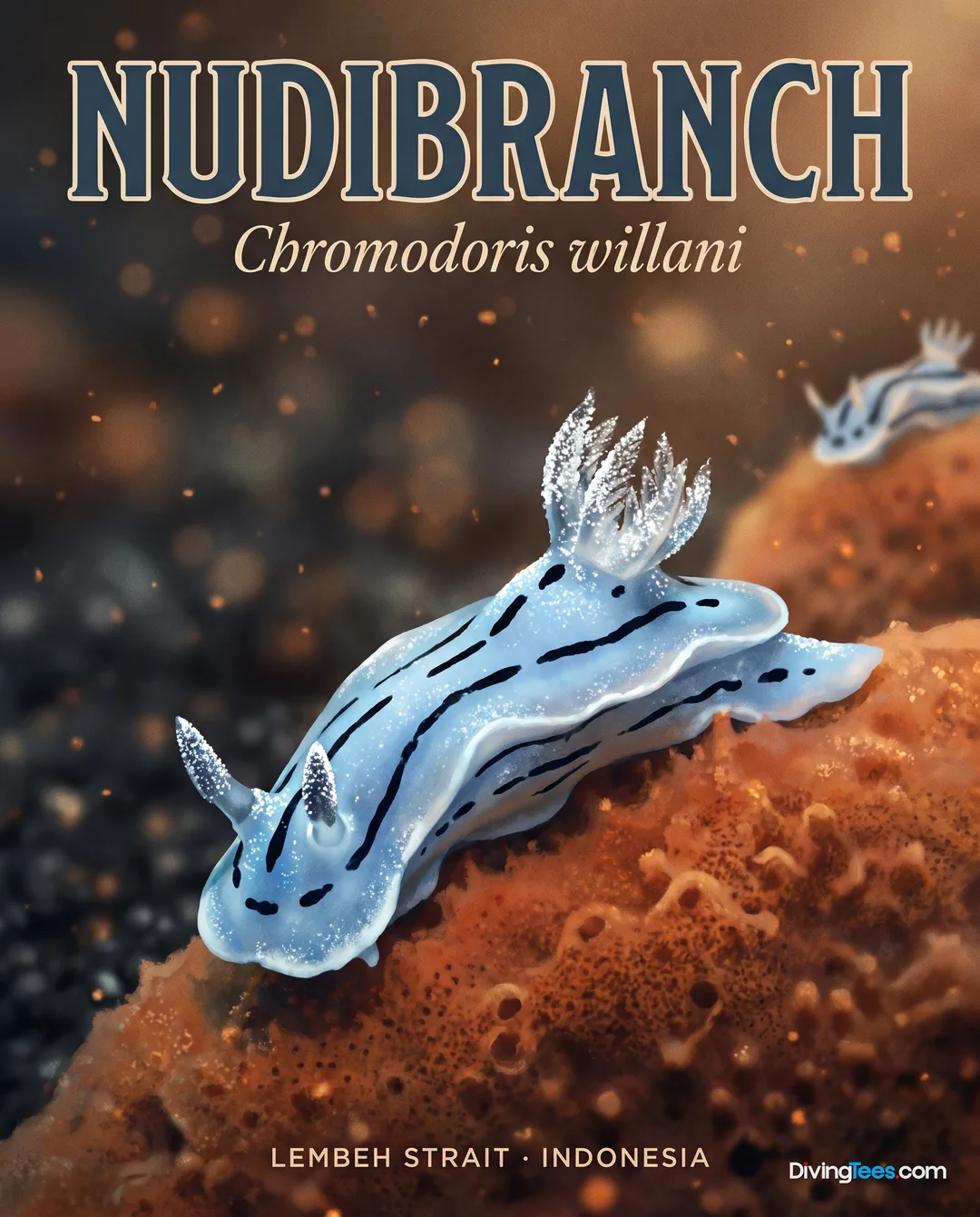
The reef scenery is as important as the larger animals. Gorgonian fans dominate Gorgone Reef and Sojhi, while soft corals and yellow sponges brighten L’Arche. Fusiliers and damselfish move across the arch and reef faces, and the open sections can bring trevally, dogtooth tuna and reef sharks. Leopard sharks are also among the recorded possibilities, although encounters depend on the individual dive rather than a guaranteed calendar. Tomoko rewards slow finning and careful torch work around its tunnels, where lobsters shelter beneath the overhangs. Nudibranchs add the small-scale interest for divers prepared to look closely. Jinek Bay’s protected shallows suit relaxed observation and can also be used for night diving. No particular month is needed to justify a species trip; Lifou is better approached for its combination of reef life and underwater structure.
The measured diving window is December to May, while rainfall is lowest from May to December. That creates a practical choice rather than a single perfect season: December to May is the stronger period in the available dive records, whereas the drier part of the year may make island days and road logistics more comfortable. Lifou’s conditions vary by site, with sheltered locations such as L’Arche and Jinek Bay offering more protection, while Sojhi and exposed wall dives are more affected by current and open-water conditions. A stay of four to seven days leaves room to use the better boat days instead of forcing every outing into a tight schedule.
Lifou suits all levels, provided the dive is matched to the site. Jinek Bay and L’Arche offer calmer water for building confidence, while Tomoko is suitable from Open Water level when buoyancy is controlled and the diver is comfortable in cavern-like or overhead surroundings with a local guide. Sojhi and parts of Acadro call for comfort in drift diving and changing current. BSAC, PADI and SSI qualifications are all best considered alongside recent experience, not as a substitute for an honest briefing. Nitrox is useful for repeated reef diving, subject to the diver’s training and the local operation.
From London Heathrow, Gatwick or Manchester, the journey normally starts with a long-haul routing to New Caledonia, followed by either a domestic flight or a ferry onward to Lifou. The exact combination depends on the connections available; Air France, Qantas and Aircalin are among the relevant carriers in the wider routing picture. Once on the island, the practical chain continues by road from the settlement or accommodation towards the coast, then by boat to the reefs. Lifou is not a place where an airport transfer puts a diver directly beside several departure points. Connections need slack, and a ferry or domestic leg on the same day as a planned dive leaves little margin for disruption.
Treat the island timetable as part of the diving. Keep spare space around the arrival and departure days, because a delayed ferry, domestic connection or road transfer can remove a whole boat day. Before booking accommodation, establish where the departures leave from; staying inland can add more road time than expected when several dives are planned. Ask whether the day’s outing is lagoon-side, outer-reef or wall-based, since that distinction says more about the likely water movement than the destination label does. Bring exposure protection and small accessories that depend on a particular fit, as rental choice can be limited on a remote island. Do not assume that every dive is a gentle lagoon outing: Sojhi is a strong-current drift dive, and Acadro may carry current around the cape. Conversely, do not overlook the sheltered sites; Jinek Bay and L’Arche can make useful alternatives when conditions or confidence argue against an exposed wall. Keep the final 24 hours for quiet land activities rather than a long last-minute boat day before flying.
A four- to seven-day land-based stay gives enough time for several boat days without making every connection critical. Diving is organised from the island’s coastal departure point, with road travel shaping the daily rhythm. Non-divers have beaches, coastal walks, local scenery and settlement visits available while boats are out. The balance is part of Lifou’s appeal: mornings can be spent on gorgonians, arches or walls, with the rest of the day left to the island rather than confined to a liveaboard routine.
Hello, I'm Marina, DivingDeal.com's AI assistant. I guide you through destinations, areas and countries.
Thinking about the whole trip and the flights? Talk it over with Edith →
Marina is an AI. Some links are affiliate links: DivingDeal may earn a commission, at no extra cost to you. Bookings are made with the partner.
The measured diving window is December to May, which is the stronger period in the available dive records. Rainfall is lowest from May to December, so you may prefer that period for more comfortable island days and road logistics. Conditions differ between sheltered sites and exposed walls, so flexibility remains useful.
Lifou suits different experience levels when you match the site to your ability. Jinek Bay and L’Arche offer calmer water, while Tomoko suits Open Water divers with controlled buoyancy and a local guide. Sojhi and parts of Acadro require comfort with drift diving and changing current, supported by an honest briefing.
You can explore giant gorgonians, a sheltered underwater arch, light-filled tunnels, coral-covered walls and clear lagoon reefs. Marine life includes lobsters, fusiliers, damselfish, trevally, dogtooth tuna and occasional reef sharks, while leopard sharks and nudibranchs are possible. Jinek Bay also offers calm shallows and night diving.
Plan a land-based stay of four to seven days, with spare time around arrival and departure connections. Check where boat departures leave from and allow for road travel. Keep alternatives such as Jinek Bay and L’Arche available when conditions or confidence make exposed sites unsuitable, and leave the final 24 hours for land activities.