
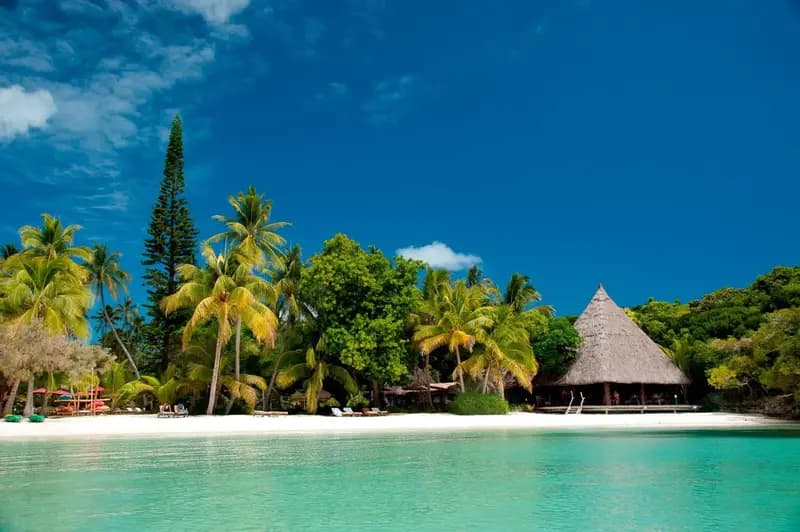
Oure Lodge Beach Resort
★★★★
★ 8.4/10 (380 reviews)
8.7 km away as the crow flies
Dive centre · Ile des Pins · New Caledonia
4.9105 Google reviewsExplore the UNESCO-listed lagoon of Ile des Pins with a team that has been diving these reefs for 46 years.
For subtitles in English: start the video firstthen click the gearat the top right of the video, select “Subtitles/CC”, then “Auto-translate” and choose “English”.
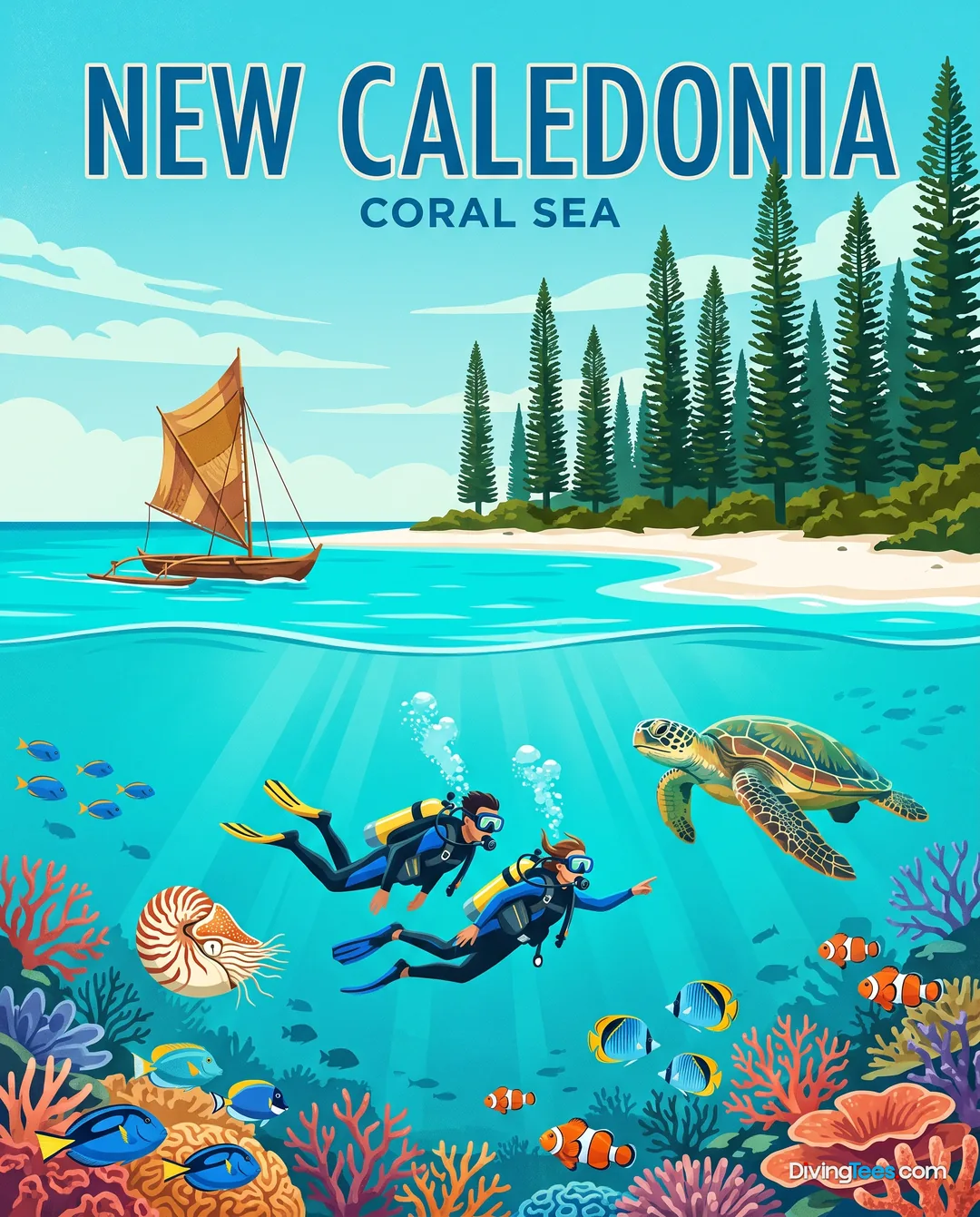
Located on Ile des Pins, often referred to by locals as 'Kunie'—the sea's jewel box—this dive centre sits at the gateway to a UNESCO World Heritage lagoon. The waters surrounding the island are defined by complex, dynamic coral formations and a high density of marine life that attracts divers from across the globe.
The centre has been operating for 46 years, providing a reliable base for exploring the New Caledonian archipelago. Whether you are looking for a calm reef flat or a more demanding wall dive, the team focuses on selecting sites that match the daily marine conditions and your specific experience level.
The team at Kunie Scuba Center is composed of French, Melanesian, and Japanese professionals. This multilingual approach ensures clear communication for a diverse range of divers, with instruction and guidance available in French and Japanese.
Safety and group management are central to their operation, with a maximum of 4 divers per guide. This ratio allows for attentive supervision during the more challenging drift dives that the area is known for.
The centre operates boat dives to various sites, with some locations just 10 minutes away and others requiring a 25-minute transit. Night dives are also available on request from mid-November to mid-March.
Full kit hire is available on-site, including BCDs, masks, regulators, fins, and wetsuits. For those who prefer to bring their own equipment, the centre provides all the necessary shore-based facilities for a smooth start to the day.
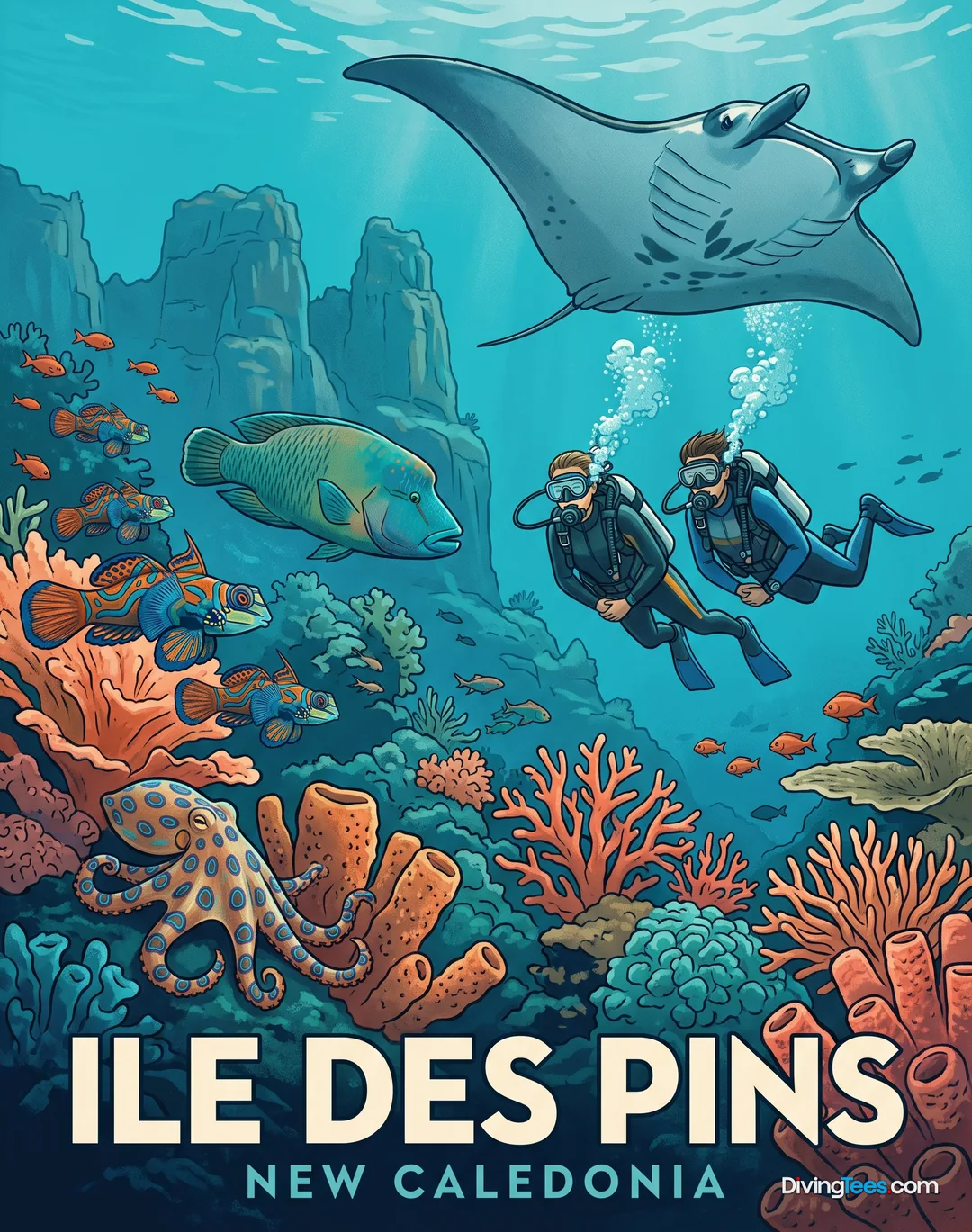
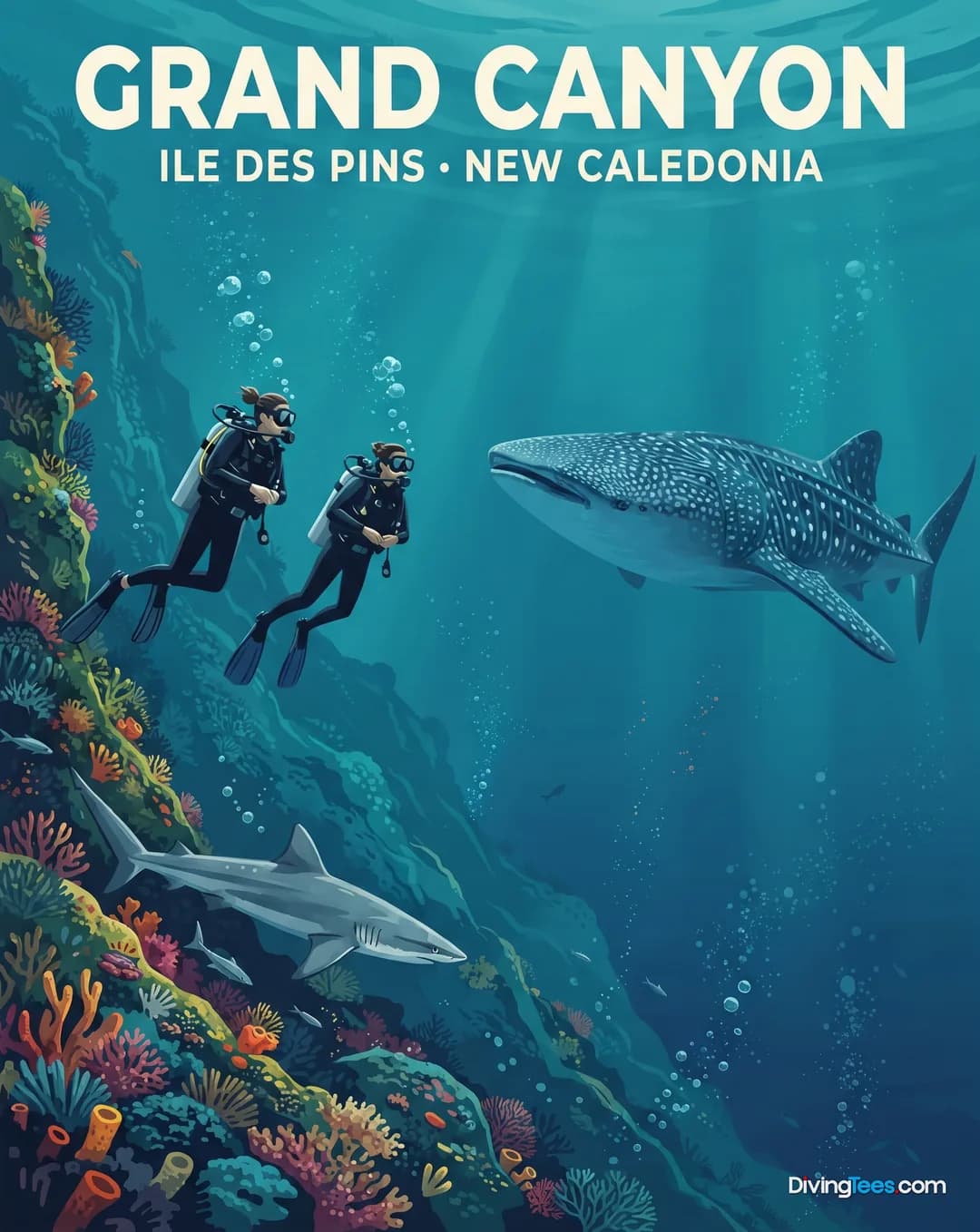
Grand Canyon is a wall dive reaching depths of 5 to 8 metres, characterised by moderate currents and frequent sightings of Grey reef shark (Carcharhinus amblyrhynchos). It is also a site where whale sharks (Rhincodon typus) have been observed.
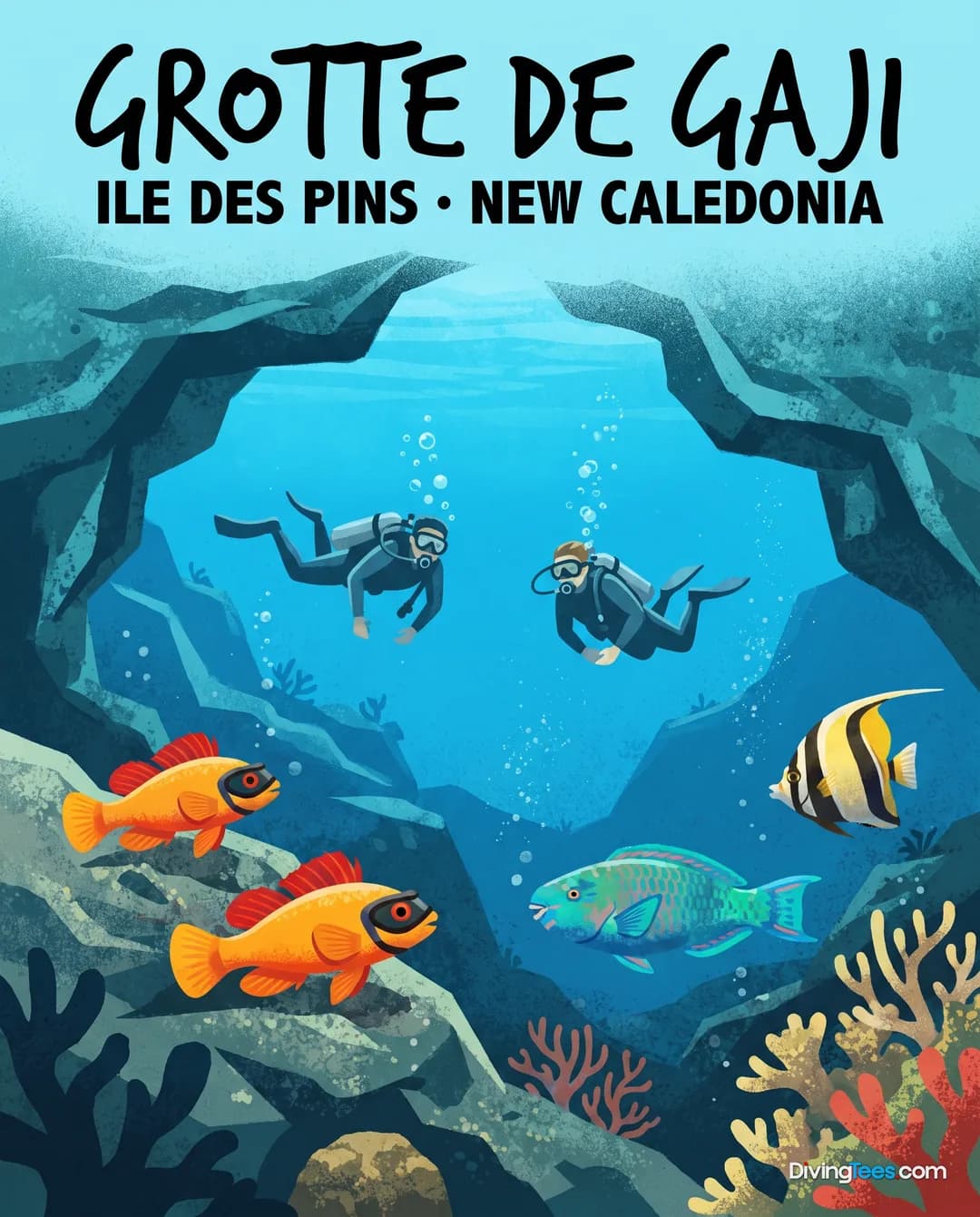
Gaji Cave offers a different experience with low currents and visibility reaching 15m. It is a specific destination for those looking to photograph the fire goby, including individuals that are habituated to divers.
Other notable locations include Kasmira, Da Jare, and the Vallée des Gorgones, providing a variety of topographies across the lagoon.
And some of the dive sites the centre runs.
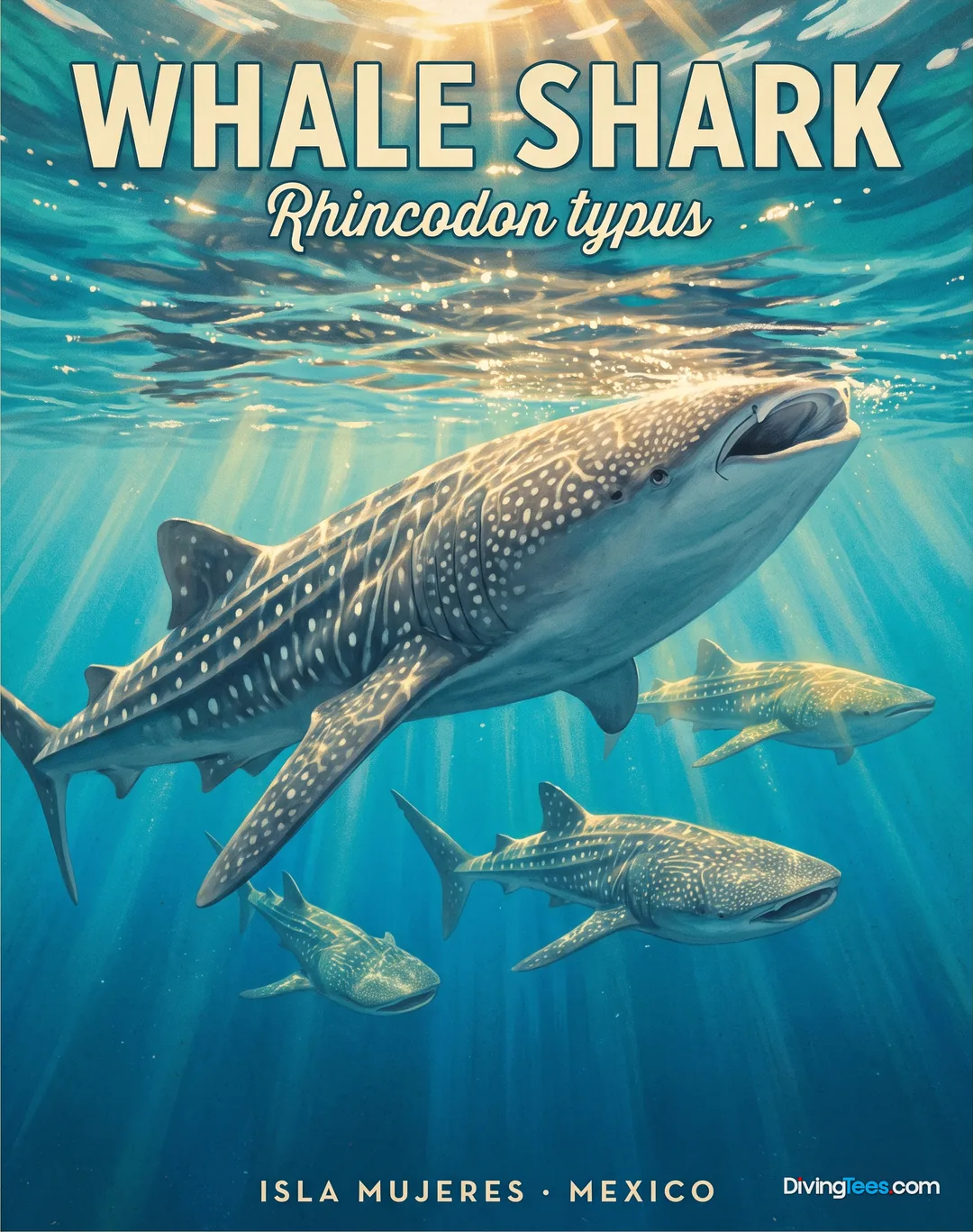
The lagoon is home to large pelagics and impressive marine life. You can regularly encounter Black manta rays, trevally, and Great barracuda (Sphyraena barracuda). Whale shark (Rhincodon typus) sightings are seasonal, typically occurring in December and February.
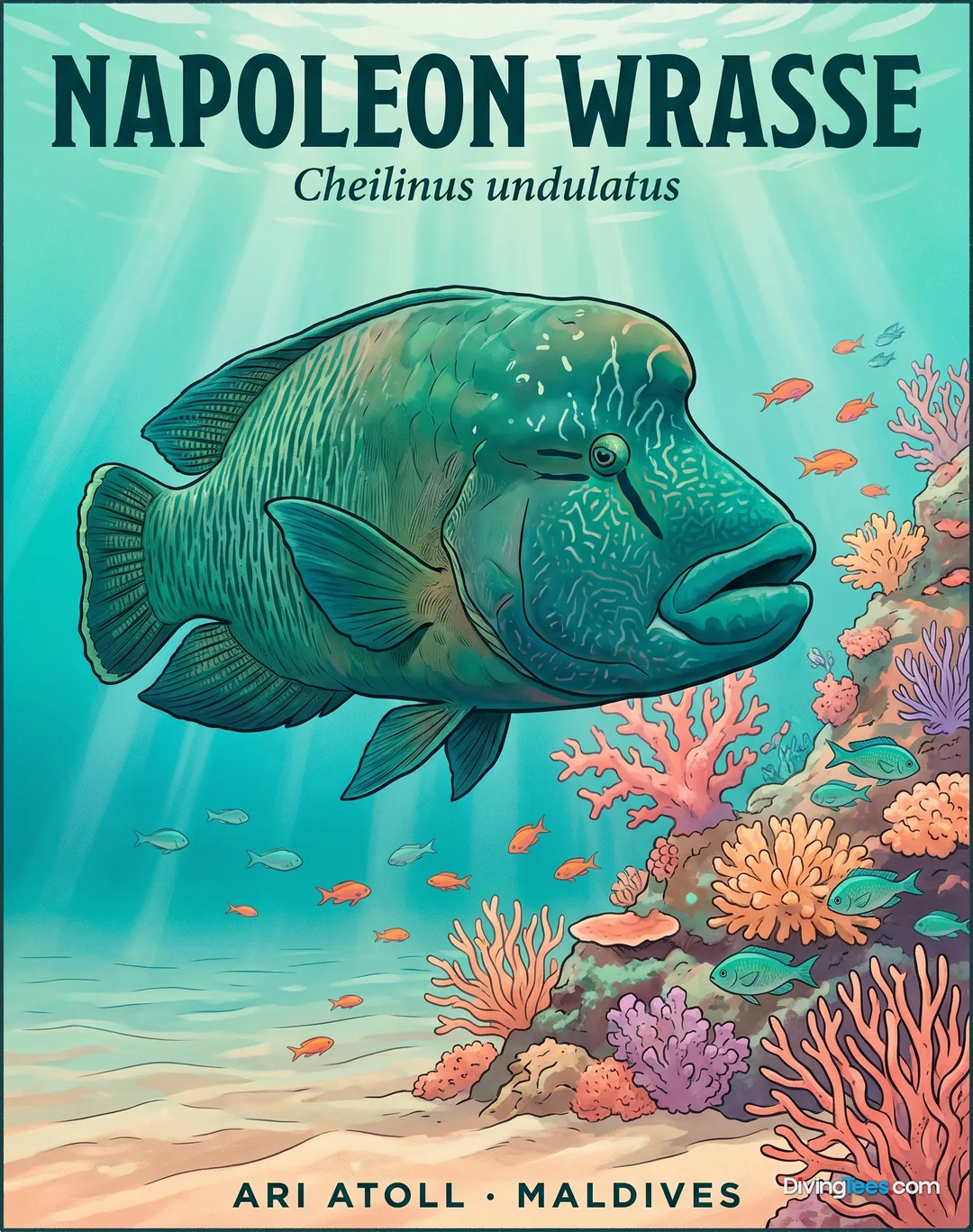
The reef is populated by a variety of fish including Napoleon wrasse (Cheilinus undulatus) and sea anemone fish. Grey reef shark (Carcharhinus amblyrhynchos) are also a common presence on the deeper sections of the reef.
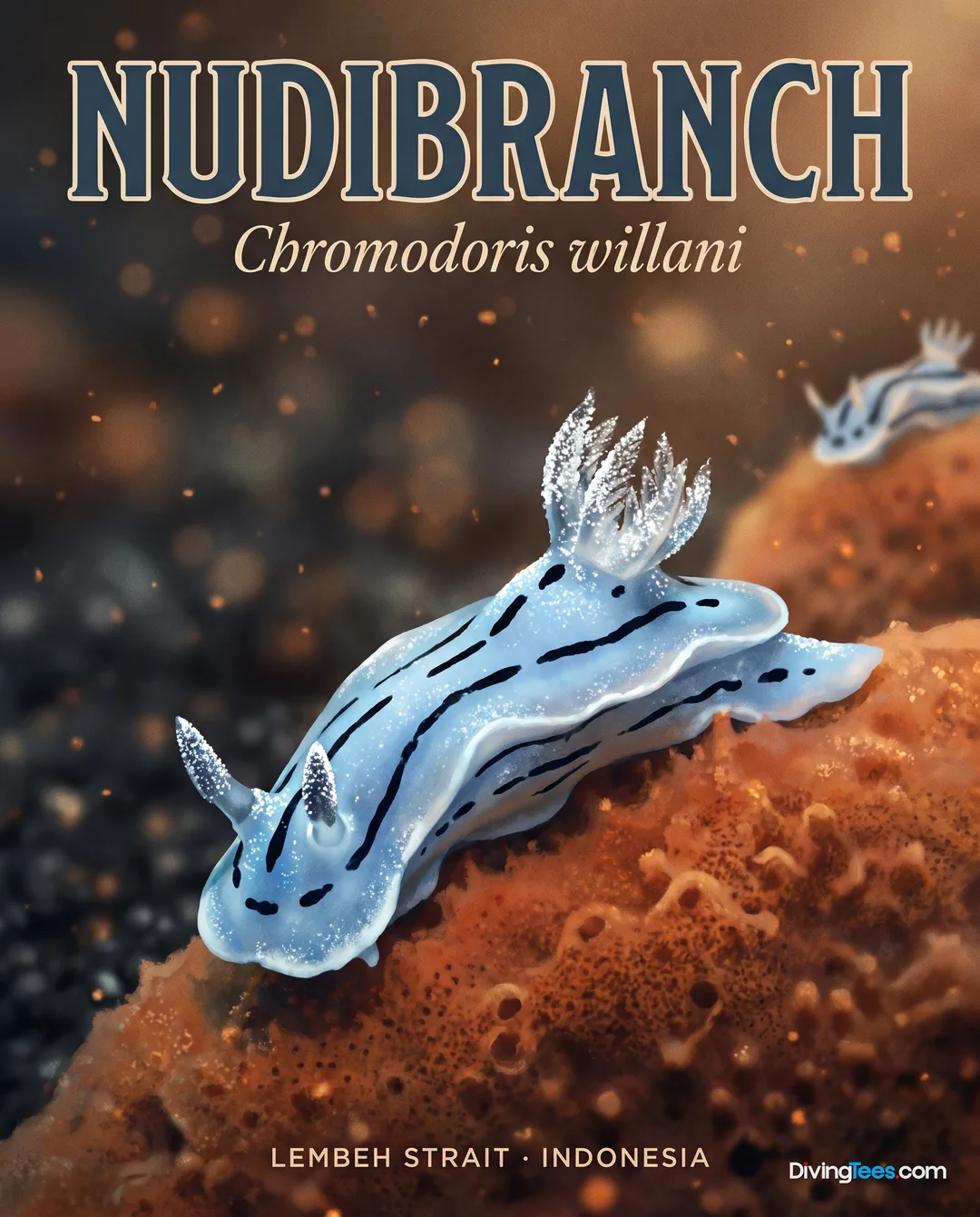
Macro enthusiasts can find specific treasures such as the fire goby at Gaji Cave or various Nudibranch (Chromodoris willani) species throughout the coral gardens. The complex reef structures also support a wide array of endemic species unique to this part of New Caledonia.
The marine environment around Ile des Pins can be dynamic, offering exhilarating drift dives. Divers should be prepared for currents that can range from moderate to strong depending on the site and the tide.
It is recommended to avoid flying on the same day as your final dive. If you are returning to Nouméa by air, planning to stay until the following day is advised to ensure sufficient surface intervals.
Hello, I'm Marina, DivingDeal.com's AI assistant. I answer in detail about hotels, dive centres and liveaboards.

Thinking about the whole trip and the flights? Talk it over with Edith →
Marina is an AI. Some links are affiliate links: DivingDeal may earn a commission, at no extra cost to you. Bookings are made with the partner.