

Peri-Peri Divers
Google 4.7/5 (234 reviews)
Tofo · Mozambique · Africa
Max. depth · 30 mKingfisher Reef offers deep reef diving off Tofo, where nutrient-rich currents attract whale sharks and giant manta rays to feed.
Diving Kingfisher means entering a dynamic open ocean environment just off the coast of Tofo. This site acts as a magnet for large pelagic life, driven by the fertile upwellings and currents that sweep through the area. As you descend, you immediately feel the embrace of the blue, understanding that you are entering a vast aquatic arena where the primary action unfolds not on a static reef, but within the water column itself. The topography beneath, a large submerged reef structure, anchors this ecosystem, funnelling nutrients and attracting the plankton that forms the base of the food chain.
The journey into Kingfisher is always filled with anticipation, as you scan the open blue, knowing that at any moment, a dark silhouette could emerge from the depths. This is not a dive focused on intricate macro life or detailed coral formations, but rather on the grand spectacle of marine megafauna. The reef system itself comprises at least three named sections: Manta Reef, Green Tree Reef, and Ecstasy Reef, each contributing to the overall richness of the site. These deeper reef structures provide shelter and hunting grounds for a variety of resident species.
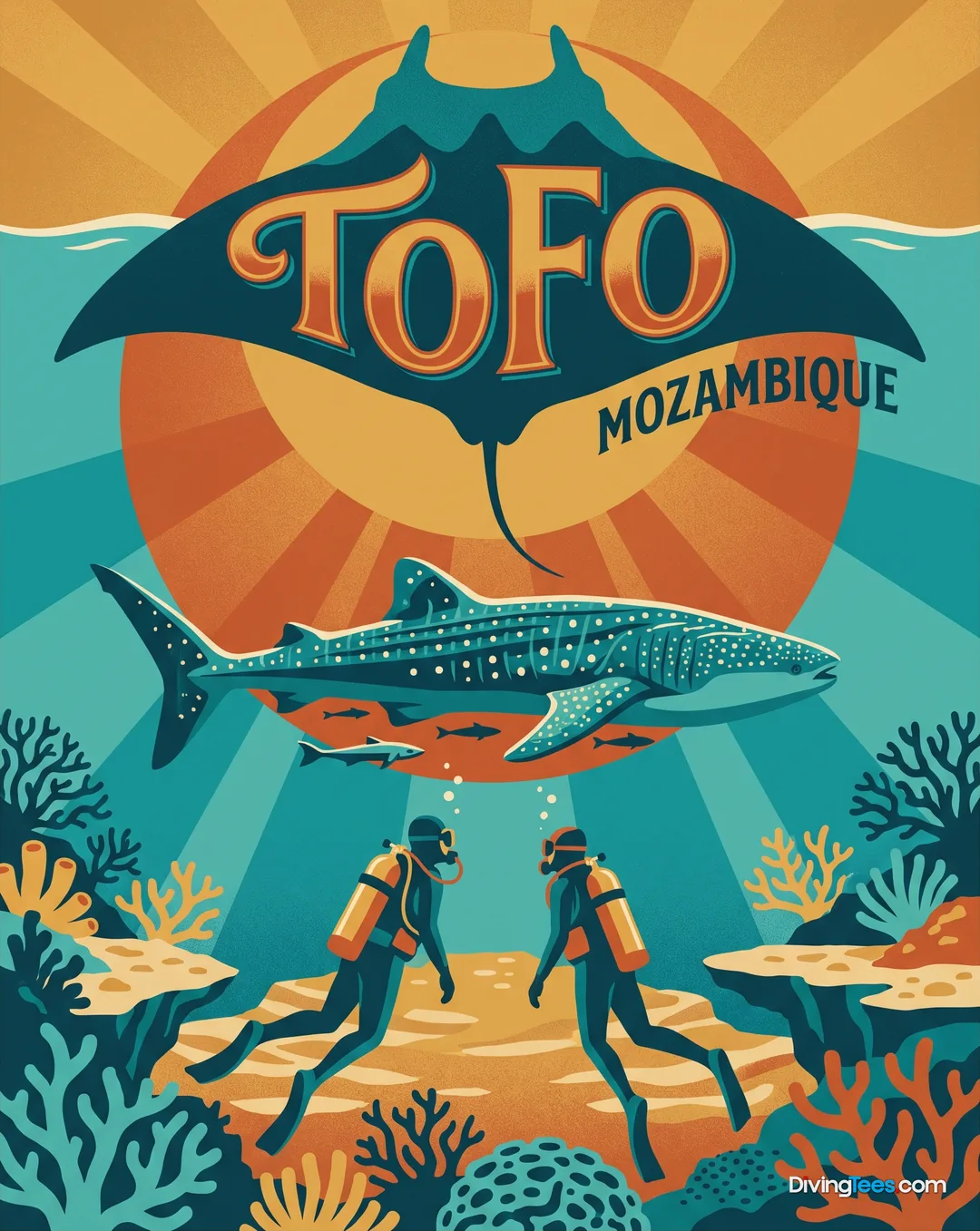
What sets Kingfisher apart in Tofo is its consistent draw for whale sharks (Rhincodon typus). You don't just see them pass by; here, you have the chance to witness these gentle giants engaged in their natural feeding behaviours. This often involves slowly cruising with mouths agape, filtering the abundant plankton that concentrates at this specific location, offering an unparalleled window into their peaceful existence. The peak season for whale shark encounters runs from October to March, when their presence is most reliable.
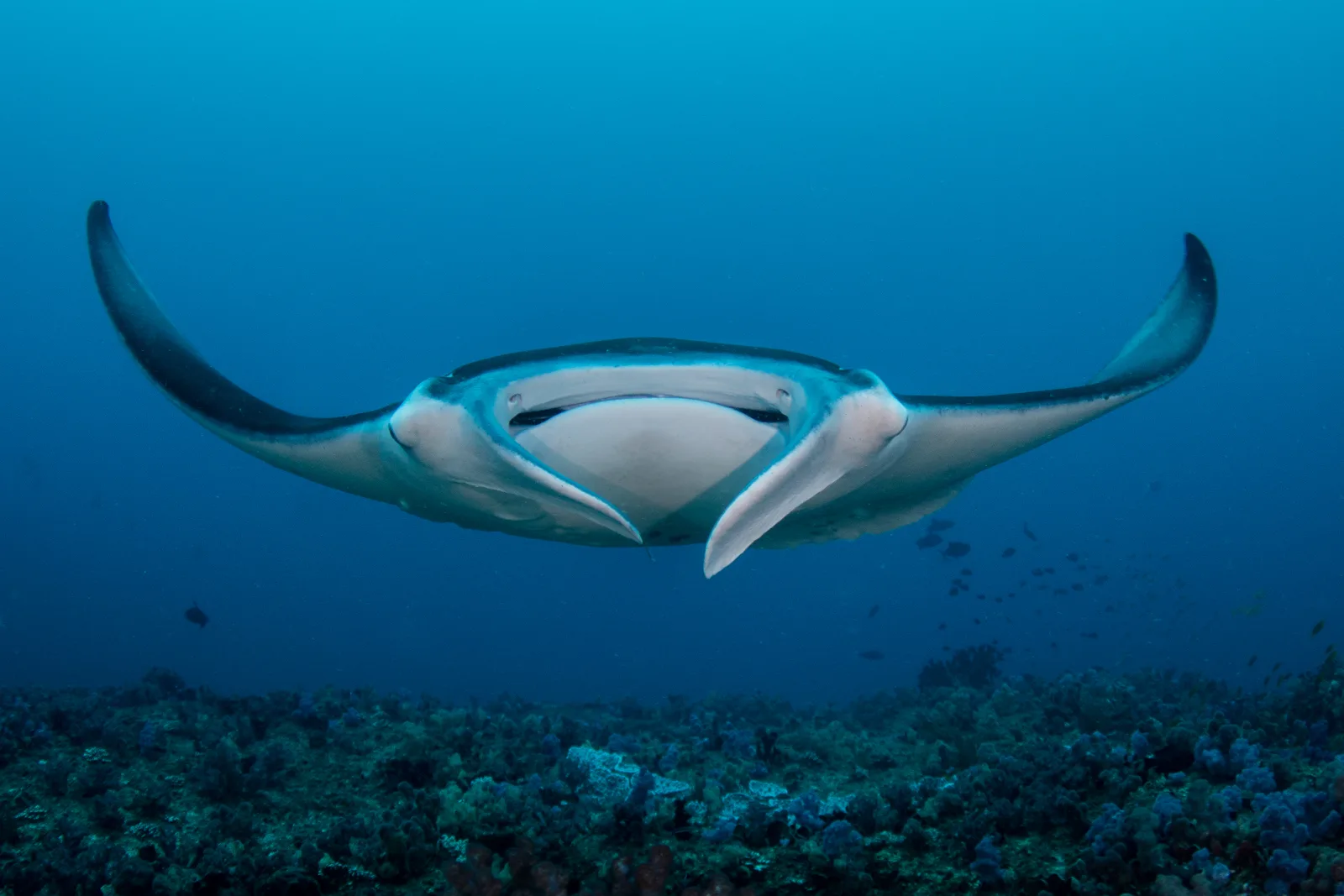
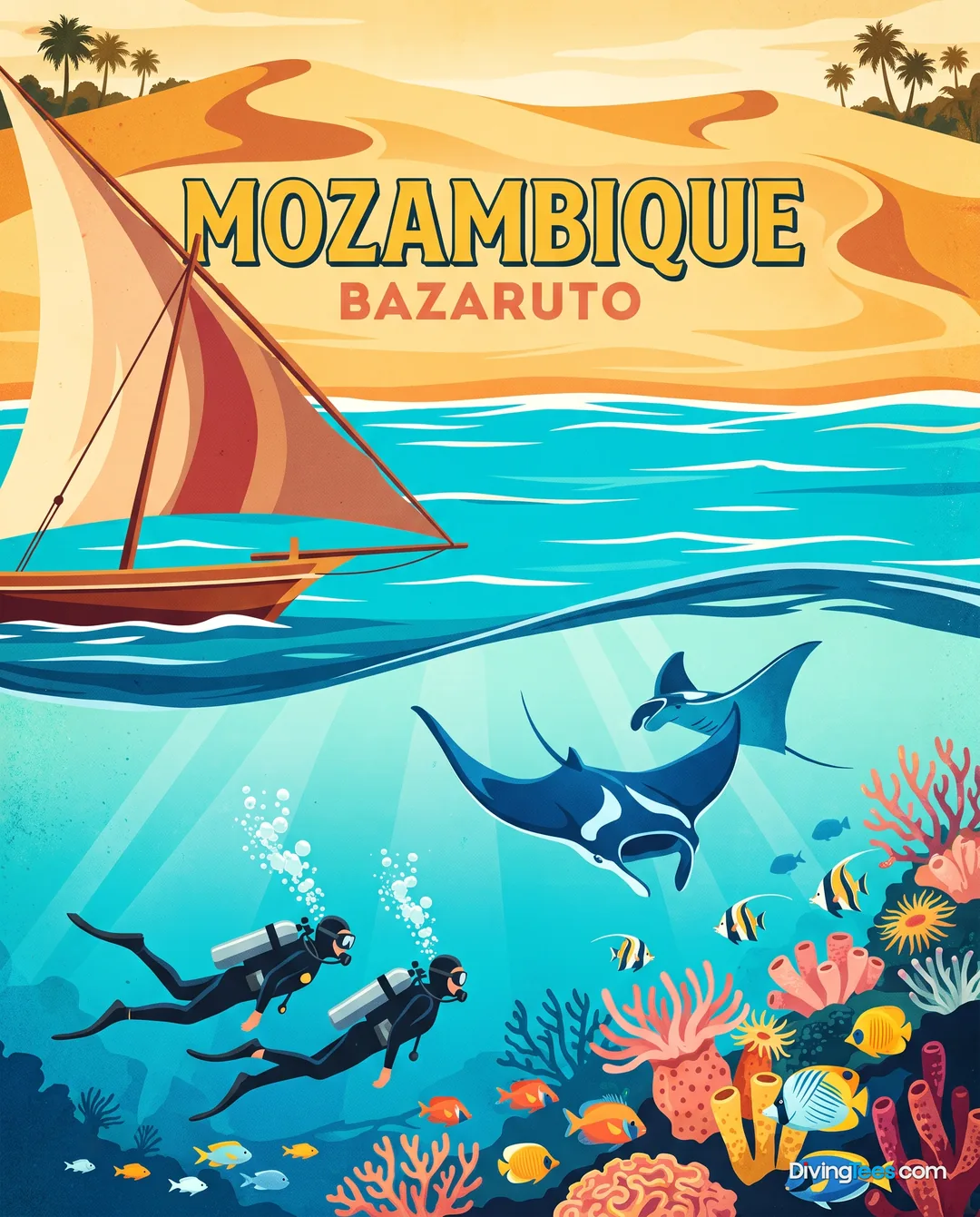
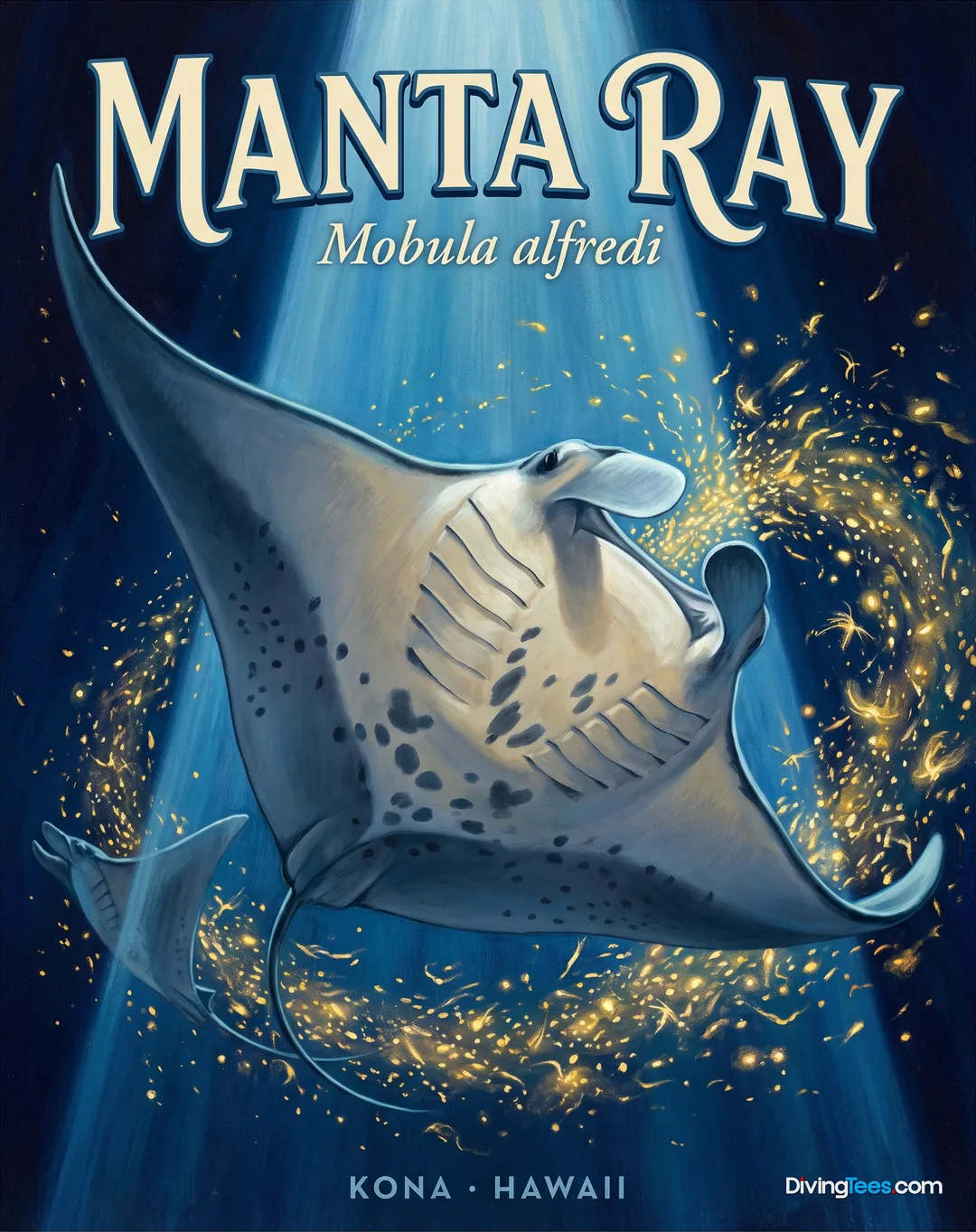
Equally compelling are the opportunities to encounter giant manta rays (Manta birostris) at Kingfisher. These majestic creatures grace the site year-round, performing their elegant ballets as they too feed on the plankton. Observing their deliberate movements, their wide mouths sifting through the water, provides a sense of connection to the ocean's gentle giants that few other sites can offer. It’s a powerful experience to drift alongside them, watching their wings rhythmically propel them through the nutrient-rich waters, often near one of the more than three registered cleaning stations.
The reef structures at Kingfisher feature coral-covered formations with crevices, caves, and reef walls. These provide shelter for a variety of marine life beyond the pelagics, including turtles, sharks, and moray eels. While the focus remains on the open water encounters, taking time to explore the reef's contours can reveal a rich diversity of reef fish and other inhabitants. This combination of deep reef topography and open ocean exposure creates a complex and thriving environment.
Kingfisher Reef is considered a top-class deep diving area rather than a shallow inshore reef, with depths ranging from 20 to 30 metres. The site's offshore location and the nature of its pelagic encounters mean that conditions can be variable, particularly concerning currents. While specific current strength is not consistently documented, the presence of large pelagics often indicates nutrient-rich water movement, which divers should be prepared for. This variability contributes to the dynamic nature of the site and its ability to attract megafauna.
The site's reputation as one of the best dive areas on the Manta Coast is well-earned, not only for the reliable manta ray encounters but also for the extraordinary variety of ray species, including devil rays and eagle rays. Abundant pelagic fish are also a common sight, moving through the water column alongside the larger visitors. This rich biodiversity, combined with the opportunity to observe natural feeding behaviours, makes Kingfisher a distinctive dive experience in Tofo.
Kingfisher Reef is a deep dive site, with depths ranging from 20 to 30 metres. It is accessible for Advanced Open Water divers due to its depth and potential for variable currents. While specific current strength is not consistently documented, divers should anticipate and be prepared for currents that can shift. Visibility typically sits between 5 and 30 metres, influenced by plankton blooms that attract the megafauna. Water temperature ranges from 18°C to 28°C. Whale shark encounters are most frequent from October to March, while giant manta rays are present year-round.
You have the best chance of encountering whale sharks at Kingfisher from October to March, when they are most frequent. Giant manta rays are present year-round and may perform feeding displays. Plankton blooms can influence visibility, while water temperatures range from 18°C to 28°C.
Kingfisher is a deep dive site suited to Advanced Open Water divers because of its depth and potential for variable currents. You descend to between 20 and 30 metres, exploring submerged reef structures with crevices, caves, walls, and coral-covered formations that shelter reef life.
You should be prepared for currents at Kingfisher that can shift and make conditions variable. Their specific strength is not consistently documented, but nutrient-rich water movement helps attract large pelagic animals. The site's open-ocean setting means you need to anticipate changing water movement during the dive.
At Kingfisher, you can watch whale sharks feeding and giant manta rays displaying feeding behaviour in the open water. Devil rays, eagle rays, pelagic fish, turtles, sharks, and moray eels may also appear around the reef structures, crevices, caves, walls, and reef shelters.