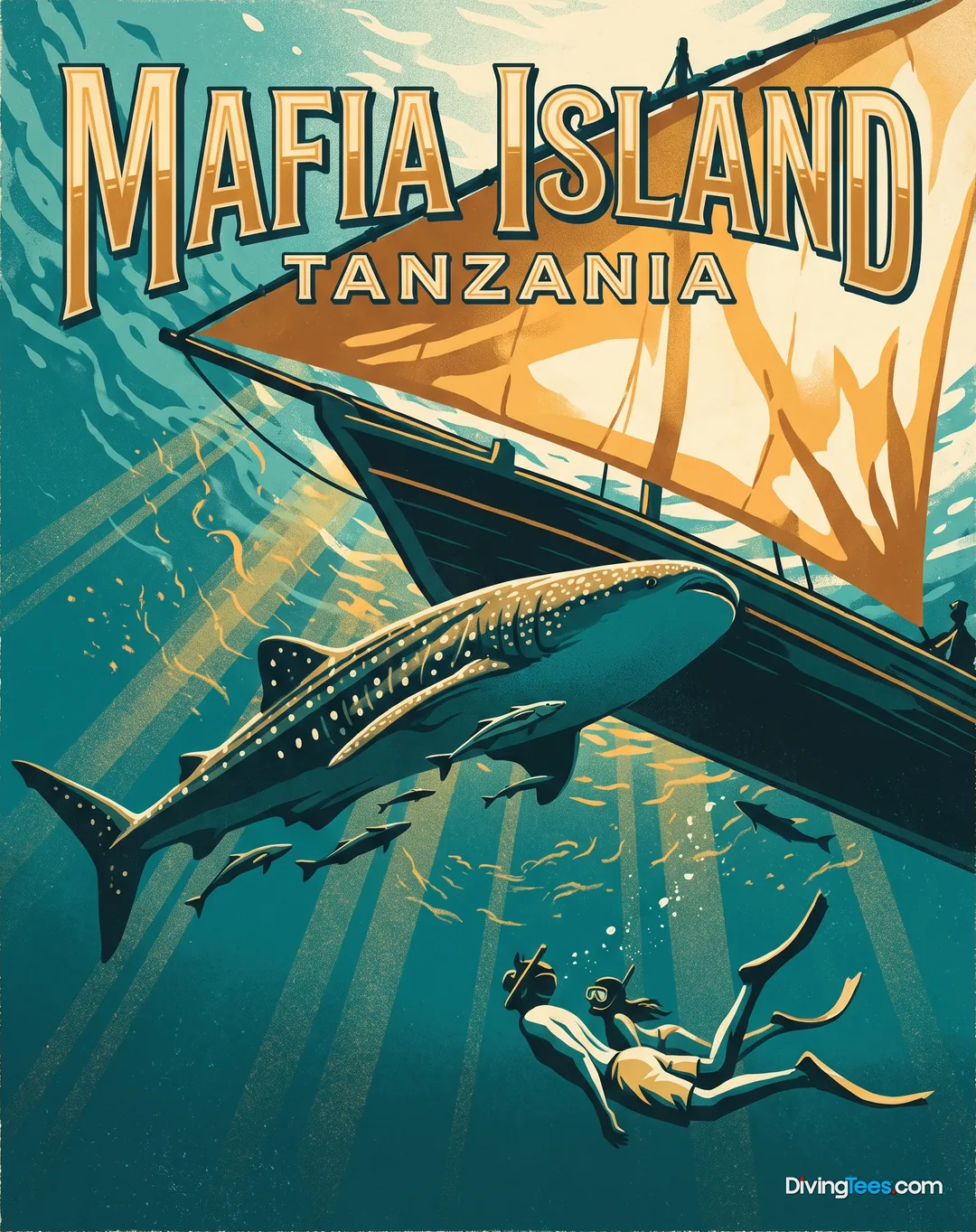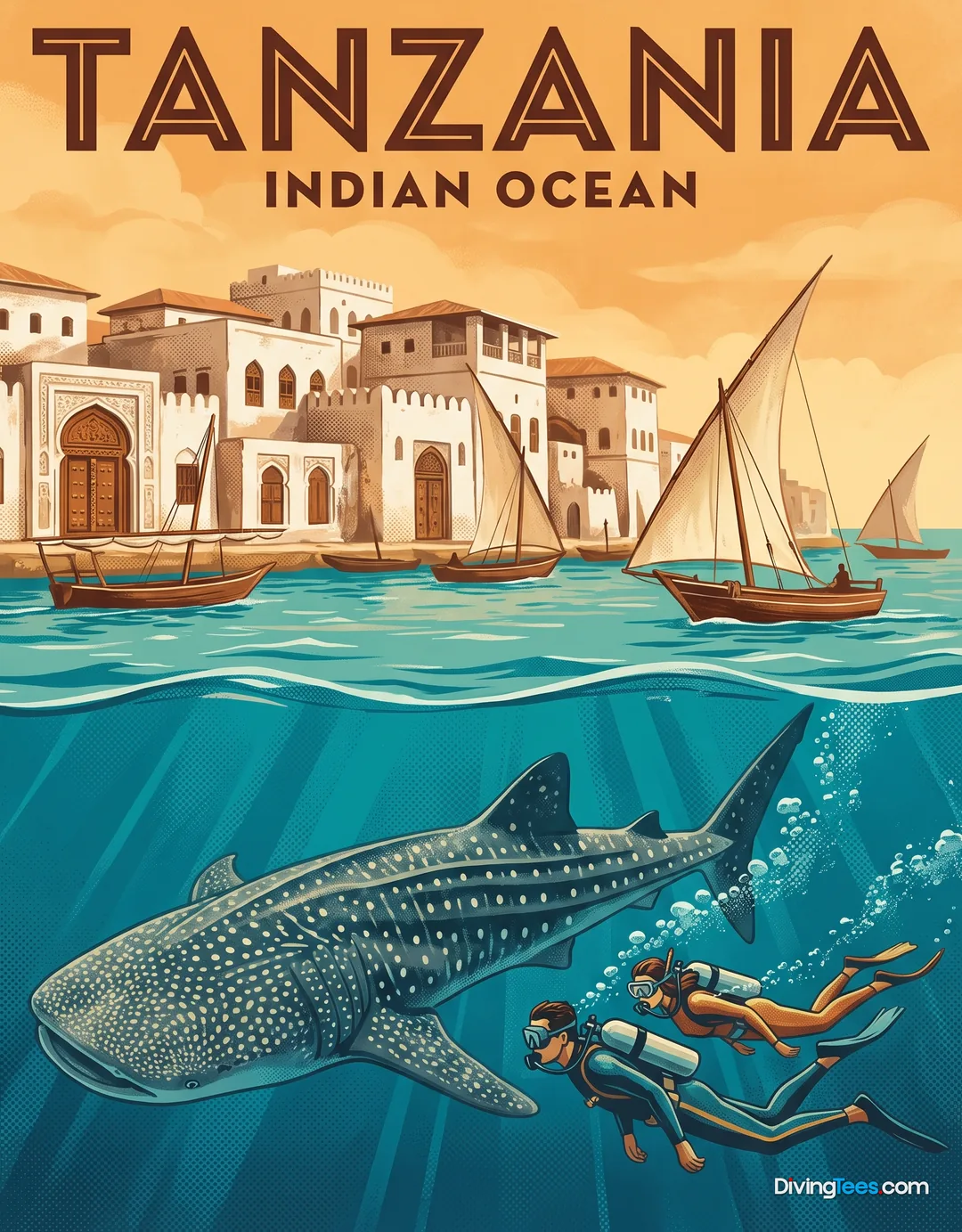

Basecamp Mafía Island
★ 9.3/10 (93 reviews)
less than 1 km away as the crow flies
Dive centre · Mafia Island · Tanzania
4.9140 Google reviewsExplore the untouched marine park of Tanzania aboard traditional Arabic dhows with a guide ratio of maximum four divers to one.
For subtitles in English: start the video firstthen click the gearat the top right of the video, select “Subtitles/CC”, then “Auto-translate” and choose “English”.
Mafia Island Diving has been operating since 2012 within the largest and oldest marine protected area in Tanzania. The centre provides access to a diverse underwater landscape, ranging from shallow sandy flats to deep reef slopes and walls.
Whether you are looking for the high-energy environment of a coral reef or the meticulous search required for macro life, the area offers significant variety. The centre is the only owner-managed operation in the archipelago, bringing a long-term commitment to the local ecosystem and community.
The team is led by owners with over 20 years of experience diving specifically in East Africa. This local expertise has allowed the centre to discover and map numerous dive sites that remain relatively untouched by mainstream tourism.
Safety and service are central to the operation, with a strict maximum ratio of four divers per guide. All staff members, from snorkeling guides to Divemasters, are recruited and trained in-house to ensure consistent standards.
Communication is straightforward as the team speaks six different languages. This helps ensure that both training and dive briefings are clearly understood by a diverse range of divers.
As a PADI affiliated centre, they offer a complete range of training programmes. Beginners can start with a Taster Scuba session or work through the Open Water Diver and Advanced Open Water Diver courses.
The centre also provides various PADI Specialty courses to help you refine your skills and expand your diving experience.
Excursions are conducted using traditional Arabic-style dhows, providing a unique and comfortable way to experience the archipelago. These vessels allow you to integrate into the local maritime culture while heading out to the reefs.
On board, you can enjoy tea and refreshments during your trips. Most excursions are organised as two-tank dives, allowing you to make the most of the boat time.
The centre provides full equipment hire for those who do not wish to carry their own kit. This includes everything needed for diving or snorkeling.
To ensure a seamless experience, the staff takes care of the heavy lifting, including carrying your cylinders and preparing your equipment for each dive. They also provide equipment rinsing and cleaning services after your sessions.
Chole Bay offers the highest level of coral diversity in the archipelago, featuring exceptional hard coral formations. It is suitable for all levels and is a prime location to see large groupers (Epinephelus) and Napoleon wrasse patrolling the reef tops.
For those seeking more depth, the sites outside Chole Bay feature walls and deep reef slopes reaching depths of 26 metres. These sites are reserved for Advanced Open Water divers and offer the chance to see reef sharks (Selachimorpha) and large green turtles.
The muck diving sites near the shore are ideal for all levels of experience. These areas consist of sandy bottoms, seagrass meadows, and soft coral bommies, perfect for those who enjoy searching for smaller, specialised marine life.
And some of the dive sites the centre runs.
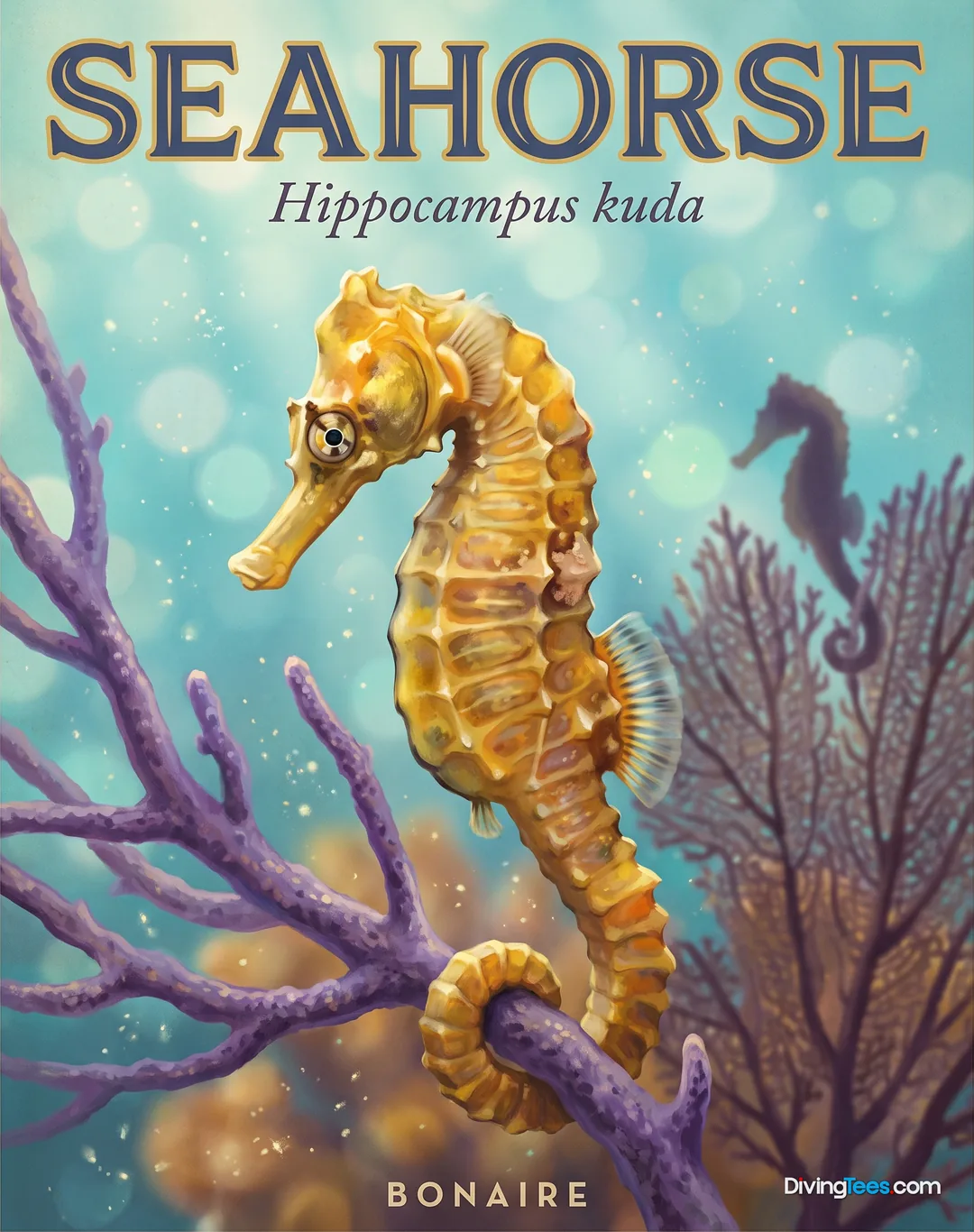
The macro life in the area is a significant draw for experienced divers. You can find a wide variety of creatures such as Seahorse (Hippocampus kuda), Frogfish (Antennarius), and various Nudibranch (Chromodoris willani) tucked away in the seagrass and sandy patches.
Crustaceans and other small inhabitants are also abundant, including Shrimp (Caridea), Crab (Brachyura), and striped cleaner shrimp. These creatures are often found amongst the soft coral bommies and the seafloor.
In the larger reef environments, you will encounter substantial species like Goliath groupers (Epinephelus), Napoleon wrasse, and giant green turtles. Large schools of fish and various Ray (Batoidea) species are common throughout the protected area.
Seasonality plays a role in what you might see: whale sharks are present from October to February, while humpback whales can be spotted between August and September. You may also observe baby turtles during the months of June to September.
All diving in the area is heavily influenced by the tides. This means that departure times, the specific sites available, and the underwater conditions will change from day to day.
While the Chole Bay sites are generally more sheltered, currents can become unpredictable when diving the walls and reefs located outside the bay.
Hello, I'm Marina, DivingDeal.com's AI assistant. I answer in detail about hotels, dive centres and liveaboards.

Thinking about the whole trip and the flights? Talk it over with Edith →
Marina is an AI. Some links are affiliate links: DivingDeal may earn a commission, at no extra cost to you. Bookings are made with the partner.
★ 9.3/10 (93 reviews)
less than 1 km away as the crow flies
★ 9.9/10 (30 reviews)
less than 1 km away as the crow flies
★ 8.8/10 (77 reviews)
12 km away as the crow flies
★★★★
★ 9.5/10 (17 reviews)
less than 1 km away as the crow flies